
Access Denied
IMPORTANT! If you’re a store owner, please make sure you have Customer accounts enabled in your Store Admin, as you have customer based locks set up with EasyLockdown app. Enable Customer Accounts
- cardio
- clean eatz
- covid
- desserts
- diet
- exercise
- fat burn
- healthy dinner ideas
- hydration
- keto
- lifestyle
- meal plans
- meal prep
- muscle
- recipes
- snacks
- sustainability
- vegetables
- water
- weight loss
- workouts
- Nutrition
- Exercises & Fitness
- Healthy Recipes
- Weight Loss
- Healthy Lifestyle
- Mental Health
- Sleep
Is Hummus Good for Weight Loss? Portions & Pairings
Ellie Lopez, LDN, MS
Nutrition
|
Weight Loss
12/25/2025 5:28am
8 minute read
Listen to article
Audio generated by DropInBlog's Blog Voice AI™ may have slight pronunciation nuances. Learn more
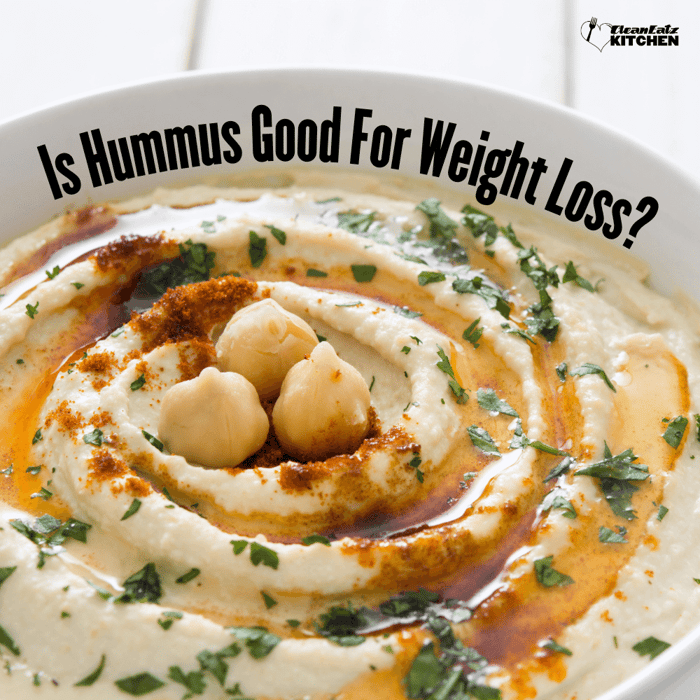
Quick Answer: Yes—is hummus good for weight loss when it’s used to replace higher-calorie spreads and dips and portions are kept in check. The combination of protein and fiber from chickpeas helps promote fullness, although hummus is calorie-dense due to tahini and added oil. Most people do well with 2–4 tablespoons (30–60 g) per serving paired with vegetables or a high-fiber wrap.
Why Hummus Works for Weight Loss
Hummus earns its reputation as a weight-loss-friendly food for several reasons—and understanding them helps you use it strategically rather than mindlessly. When people ask is hummus good for weight loss, the answer lies less in the food itself and more in how it’s used within a balanced eating pattern.
Its chickpea base provides both fiber and plant protein, a combination known to enhance satiety and help you feel satisfied with less food overall. Tahini contributes healthy fats that slow digestion and prolong that feeling of fullness, so a modest portion often goes further than expected. This is why a couple of tablespoons of hummus with vegetables can keep hunger at bay until your next meal, while the same volume of a fat-free dip may leave you reaching for snacks soon after.
There's also what nutritionists call the "swap effect." When hummus replaces mayonnaise on a sandwich or ranch dressing with your vegetables, you're often cutting calories while adding fiber and nutrients. The key word is replace—if you're adding hummus on top of your usual eating pattern without swapping anything out, you're just adding calories.
Hummus also fits naturally into Mediterranean-style eating patterns, which research consistently links to better heart health and metabolic outcomes. In this context, is hummus good for weight loss becomes almost secondary—the overall dietary pattern does the heavy lifting. When the rest of your plate features vegetables, lean proteins, and whole grains, hummus becomes part of a bigger picture that supports weight management. For a comprehensive look at foods that support weight loss, our complete guide to the best foods for weight loss covers the full spectrum of options.
How Much Hummus to Eat (and What to Pair It With)
Portion control matters with hummus because it's energy-dense—meaning it packs a lot of calories into a small volume. That's not a bad thing when you're strategic about it, but it does mean you can't treat hummus like a zero-calorie vegetable.
A practical guideline is 2–4 tablespoons per snack or meal component, which typically provides 50–90 calories, depending on the brand and recipe. When used as a spread in a wrap or sandwich, 2 tablespoons is usually sufficient. For a snack with vegetables, 3–4 tablespoons allows for enjoyable dipping without excess.
What you pair with hummus matters as much as how much you eat. Raw vegetables like carrots, bell peppers, cucumbers, and cherry tomatoes add volume and fiber without many calories—this is the combination that makes hummus a weight-loss winner. Steamed green beans work surprisingly well too. High-fiber crackers or a whole-grain wrap are reasonable choices, but watch portions since calories can add up fast with grain-based dippers.
To turn hummus into a satisfying mini-meal, think beyond just dipping. Spread it in a wrap with rotisserie chicken or falafel and add some crunchy slaw. Build a grain bowl with a hummus dollop, greens, roasted vegetables, and a lean protein. These combinations give you staying power while keeping the calorie count reasonable. The fiber content in chickpeas is one of hummus's biggest advantages—learn more about why fiber matters in our ultimate guide to dietary fiber.
Smart Store-Bought Hummus Tips
Not all store-bought hummus is created equal, but finding a good option doesn't require a nutrition degree. Start by flipping the container and scanning the ingredient list. You want to see chickpeas, tahini, olive or another plant oil, lemon juice, garlic, salt, and spices. That's it. If the list is long and full of ingredients you don't recognize, put it back.
Sodium is the other thing to watch. Some brands pack in the salt, which isn't ideal if you're monitoring blood pressure or prone to water retention. Look for options with around 100–150 mg of sodium per 2-tablespoon serving. Lower is better if you're watching sodium closely, but anything in that range is reasonable for most people.
One of the most practical tips: don’t eat directly from the container. It’s easy to underestimate portions and consume far more than intended. Spoon your serving into a bowl and put the container away. This simple habit often determines whether hummus supports your weight-loss goals or works against them.
Flavored varieties like roasted red pepper or herb-based hummus usually add minimal calories and can improve satisfaction. Be more cautious with versions topped with oil or loaded with extras, as these can substantially increase calorie content.
Lighter DIY Hummus Swaps
Making hummus at home allows full control over ingredients and calorie density. Small adjustments can make a noticeable difference.
Instead of adding extra oil for creaminess, thin hummus with aquafaba (the liquid from cooked chickpeas) or water. You’ll maintain a smooth texture with fewer calories. Another option is reducing the tahini by half and compensating with extra lemon juice and garlic, which preserves flavor through acidity and aroma rather than fat.
For a more significant reduction in calorie density, blend in vegetables such as steamed cauliflower or zucchini. This increases volume and creaminess while lowering calories per tablespoon. The flavor will be slightly different from traditional hummus, but the trade-off allows for more generous portions.
A Simple Lighter Homemade Hummus Recipe
If you want full control over calories and ingredients, this lighter homemade hummus is a practical option that still delivers flavor and satisfaction.
Ingredients:
1 cup cooked chickpeas (rinsed and drained)
1 tablespoon tahini
1–2 tablespoons lemon juice
1 small garlic clove
2–4 tablespoons aquafaba or water (for texture)
1 tablespoon olive oil
Salt to taste
Spices such as cumin or smoked paprika
How to prepare:
Blend all ingredients until smooth, adjusting liquid gradually to reach your desired consistency. Taste and adjust seasoning as needed.
Why this works for weight loss:
Using less tahini and oil reduces calorie density while maintaining fiber and protein from chickpeas. This makes it easier to stick to a 2–4 tablespoon portion without sacrificing flavor or satiety.
Pros and Cons at a Glance
Pros
Protein and fiber support fullness and calorie control
Versatile replacement for higher-calorie spreads and dips
Fits well into Mediterranean-style, plant-forward diets
Cons
Energy-dense; portions can easily increase when eating from the container
Sodium content varies widely between brands
Calories add up quickly when paired with chips or bread instead of vegetables
Building Balanced Meals with Hummus
Hummus works best as part of a balanced meal, not as the main calorie source. For weight loss, meals should include adequate protein, plenty of fiber, and controlled energy intake. Hummus can enhance satisfaction, but it shouldn’t replace a protein anchor.
Our Build-A-Meal Plan gives you portion-controlled meals with 25–35 grams of protein each—add hummus as a measured side with vegetables for extra satisfaction. The Weight Loss Meal Plan offers balanced options designed specifically for calorie control, and pairing those meals with a veggie-and-hummus snack keeps you full between meals without derailing your progress.
For a quick protein boost that pairs well with hummus on the side, the Cleanwich delivers convenient protein that complements a hummus-and-vegetable snack perfectly.
Frequently Asked Questions
How many calories are in hummus?
Most brands provide 50–90 calories per 2 tablespoons, depending on tahini and oil content. Always check the label and measure portions, as it’s easy to underestimate intake.
Is hummus better than ranch or mayo for weight loss?
In most cases, yes. Hummus offers fiber and unsaturated fats that creamy dressings typically lack, making it a more nutrient-dense choice when spreading or dipping.
Will hummus make me gain weight?
Not when portions are controlled and it’s used as a replacement rather than an addition. Problems arise with oversized portions or calorie-dense dippers like chips.
Is store-bought hummus healthy?
Most varieties are perfectly healthy. Focus on short ingredient lists and moderate sodium (around 100–150 mg per serving). Portion control is the main challenge—not the hummus itself.
This content is for educational purposes only and does not replace personalized professional advice.
Related Articles
Is Cottage Cheese Good for Weight Loss? What to Know
8 minute read

20 Quick Healthy Meals to Make at Home (20 Minutes)
8 minute read

10 Budget-Friendly Ingredients to Stock Your Kitchen
7 minute read
Invalid password
Enter