
Reviewed and updated: January 23, 2026
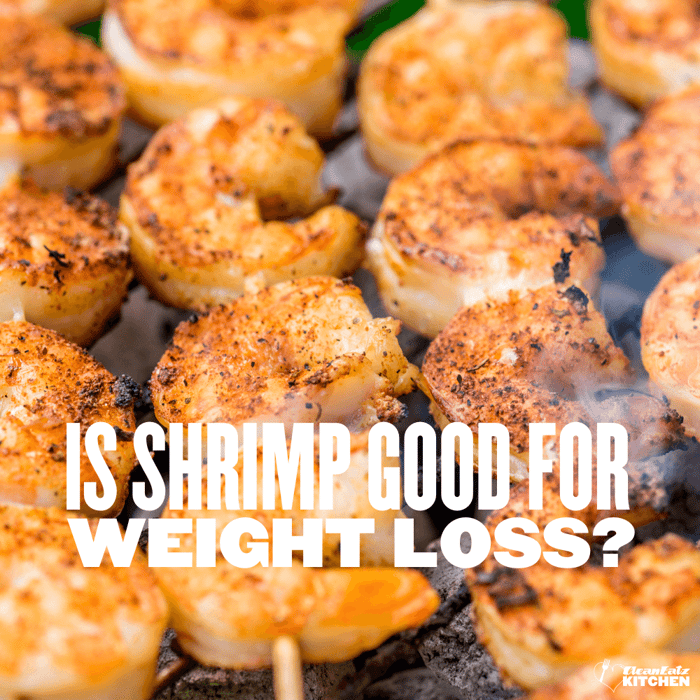
Quick Answer: Yes—shrimp can be a smart pick for weight loss. A 3-ounce cooked serving provides about 18-20g of protein for about 100 calories with very little fat. To keep it weight-loss friendly, use grilling, steaming, air-frying, or a quick sauté with measured oil, and go easy on breading, butter-heavy cooking, and creamy sauces.
Why Shrimp Actually Works for Weight Loss
Shrimp works well for weight loss for a simple reason: it makes it easier to stay in a calorie deficit without feeling deprived. You get a lot of filling protein for relatively few calories, which helps you build meals that feel substantial—especially when you pair shrimp with high-volume sides like vegetables.
High Protein Helps With Fullness
Protein is consistently linked with better appetite control. In a mixed meal, higher-protein choices tend to increase satiety and may support hormones involved in “I’m satisfied” signals (like GLP-1). That’s a big deal because long-term fat loss usually comes down to being able to repeat your nutrition plan day after day—not relying on willpower.
Shrimp is especially protein-dense. In practical terms, most of its calories come from protein, not fat. That means you can hit a meaningful protein target at a meal (or snack) without using up a huge chunk of your daily calorie budget.
Low Calories, High Volume: Easier To Stay Consistent
Shrimp gives you a strong protein-to-calorie payoff. A typical 3-ounce cooked portion is ~100 calories, and even a larger 6-ounce serving stays relatively low compared with many other proteins. Add a big serving of veggies, a smart carb (if you want it), and you’ve got a plate that looks and feels like “real food”—not diet food.
This matters for adherence: when portions feel too small, hunger and snacking tend to creep up. Shrimp helps you keep portions satisfying while staying within your target calories.
Lean by Default, So You Control Where The Calories Come From
Shrimp is naturally very low in fat (often ~1–2 g per serving), which gives you flexibility. You can “spend” your fats where they add the most satisfaction—like olive oil, avocado, nuts, or a flavorful sauce—while still keeping the overall meal in check.
The main caveat: shrimp’s calorie advantage can disappear fast with breading, deep-frying, heavy butter, or cream-based sauces. The shrimp didn’t change—the cooking method did.
A Micronutrient Bonus That Supports the Bigger Picture
Shrimp also contributes nutrients like iodine, selenium, vitamin B12, and choline. These don’t “burn fat,” but they can help support overall nutrition while you’re dieting—especially since micronutrient intake can slip when calories are lower. In particular, iodine and selenium are involved in thyroid hormone production, so shrimp can be a helpful part of a varied, balanced eating pattern.
Shrimp Nutrition & Size Guide (Calories, Protein, Counts, and Best Uses)
Shrimp isn’t just “restaurant food”—it’s one of the easiest high-protein staples you can keep on hand for weight loss meals. A typical 3-ounce cooked serving provides about 18–20g of protein for roughly ~100 calories, with very little fat. That protein-to-calorie ratio makes shrimp a smart swap when you want a filling plate without burning through your daily calorie budget.
The part most people miss: shrimp size doesn’t meaningfully change nutrition per ounce. What size really changes is price, convenience, and how you’ll cook it—and that’s what this guide helps you choose.
What “Count Per Pound” Means (So You Can Buy the Right Size)
Shrimp are labeled by how many pieces are in one pound. A lower number means bigger shrimp.
16/20 = about 16–20 shrimp per pound (larger)
31/35 = about 31–35 shrimp per pound (smaller)
Shrimp Sizes at a Glance (Best Uses)
| Shrimp Size | Count Per Pound | Best Uses |
|---|---|---|
| Colossal | 13-15 | Grilling, special occasions (pricey) |
| Jumbo | 16-20 | Grilling, skewers, shrimp cocktail |
| Extra Large | 26-30 | All-purpose, great value |
| Large | 31-35 | Stir-fries, pasta, tacos |
| Medium | 36-50 | Salads, fried rice, bowls |
| Small | 51-60 | Budget option, soups, salads |
| Extra Small | 61-70+ | Dips, spreads, mixed dishes |
Nutrition note: Shrimp size mostly changes count, price, and cook time—not calories or protein per ounce. Differences come from the brand, any added ingredients (like salt solutions), and cooking method.
Best value for weight loss meal prep: For most people, 30–50 count shrimp hits the sweet spot—affordable, quick to cook, and easy to portion for bowls, salads, tacos, and stir-fries.
Wild vs. Farmed: Which Is Better?
Both wild-caught and farmed shrimp can fit a weight loss plan. Protein and calories are similar per serving. Wild shrimp may be a bit firmer in texture and can vary slightly in fat content, but the bigger decision is usually budget, taste, and sustainability preferences. If sustainability matters to you, look for reputable certifications (more on that in the buying section).
Quick Portion Tip (Raw vs. Cooked)
Shrimp shrinks a bit when cooked. A simple rule:
4–6 oz raw shrimp per person → usually lands around 3–4 oz cooked (a typical serving)
And remember: shrimp stays “weight loss–friendly” only if the cooking stays light. Breaded and fried shrimp or heavy butter sauces can turn a 100-calorie protein into a 400+ calorie meal fast.
How to Buy Shrimp (Frozen vs. “Fresh,” Labels, and How to Save Money)
Shrimp is one of the easiest high-protein staples to keep on hand—if you buy it smart. The good news: you don’t need a seafood counter or “premium” shrimp to make it work for weight loss meals.
Frozen vs. “Fresh”: What Most People Don’t Realize
In many grocery stores, shrimp labeled “fresh” was previously frozen and then thawed for display. Unless you’re buying from a truly local coastal source, frozen shrimp is often the better bet: it’s typically flash-frozen soon after harvest, stays consistent in quality, and is usually more affordable.
What to look for:
IQF (Individually Quick Frozen): shrimp are frozen individually, so you can pour out exactly what you need without thawing the whole bag. This is ideal for meal prep.
Peeled, Deveined, Tail-On… What’s Worth It?
For most people focused on quick, repeatable meals:
Peeled + deveined = best for weeknight cooking and portioning
Shell-on = usually cheaper, but expect extra prep time
Tail-off = easiest for bowls, salads, stir-fries (no “tail removal” mid-meal)
Label Terms That Actually Matter
Seafood packaging can be confusing. Here’s a simple way to interpret what you’re seeing:
“Chemical-free” / “chem-free”: not a regulated term. It may imply fewer processing aids, but it doesn’t guarantee a specific standard.
Sodium tripolyphosphate (STPP) (or similar): used to help shrimp retain moisture. It’s not inherently “dangerous,” but it can mean more retained water, a softer texture, and sometimes less browning. If you prefer firmer texture and better sear, look for “no added phosphates” when possible.
Sustainability certifications: if you care about sourcing, look for reputable third-party labels like MSC (wild-caught) or BAP / ASC (farmed). These can help you compare options without guessing.
Where to Find the Best Deals
Shrimp gets affordable when you buy it like a staple protein:
Warehouse stores often have the best price-per-pound on IQF shrimp.
At regular grocery stores, shrimp tends to go on sale in cycles—when it does, stock up and freeze.
How Much to Buy (and Portion Confidence)
A simple rule of thumb for a main meal:
4–6 oz raw shrimp per person → yields about 3–4 oz cooked
For meal prep, a 2-lb bag usually gives 5–6 servings depending on portions.
Storage (for best quality):
Frozen shrimp is best used within 3–6 months for top texture (longer is usually safe when kept consistently frozen).
If vacuum sealed, quality tends to last longer.
Cooking Shrimp for Weight Loss (Golden Rules + Best Methods)
Shrimp is fast, high-protein, and naturally lean—which is exactly why it works for weight loss meals. The downside is also the upside: it cooks in minutes, so it can go from perfect to rubbery quickly. These rules keep it easy and consistent.
The Golden Rules (So Shrimp Turns Out Great Every Time)
1. Dry shrimp = better texture and flavor
Pat shrimp dry before cooking. Surface moisture causes steaming instead of browning, which can make shrimp taste watery.
2. High heat, short cook
Most shrimp only needs 2–3 minutes per side depending on size. Cook just until opaque and pink—then stop.
3. Don’t overcrowd the pan
Cook in a single layer. If the pan is packed, temperature drops and shrimp steams. Two quick batches beats one soggy batch.
4. Pull it early—carryover cooking is real
Remove shrimp when it’s just opaque in the thickest part. Residual heat will finish the job in the next 30–60 seconds.
How to Thaw Frozen Shrimp (Safely + Best Texture)
Best (hands-off):
Thaw overnight in the fridge (12–24 hours) in a covered container.
Fast (most common):
Place shrimp in a colander and run cold water over it for 10–15 minutes, tossing occasionally.
Never: hot water (it can partially cook the outside and ruin texture).
Best Cooking Methods for Weight Loss (Flavor, Not Extra Calories)
Grilling
High heat + short cook = great char and big flavor. Use skewers or a grill basket for convenience.
Sautéing (most practical)
Use a nonstick pan and measure your fat: 1 teaspoon oil goes a long way. Finish with lemon, garlic, herbs, spices.
Steaming (lowest added calories)
Simple, clean, great for meal prep. Add flavor after (lemon, vinegar, herbs, spice blends).
Air-frying
Great when you want a slightly crisp exterior without deep frying. Light oil spray + bold seasoning is enough.
The Biggest “Calorie Creep” Traps to Avoid
Shrimp stays lean—until the add-ons stack up. The most common ways shrimp meals get calorie-heavy:
breading + deep frying
creamy sauces (alfredo-style)
“scampi” that’s mostly butter
sugary glazes used heavily
If you want restaurant flavor at home, lean on acid (lemon/lime), spices, garlic, herbs, and heat—those deliver big taste with minimal calories.
Recipe Template: Perfect Grilled Shrimp
This is the simplest grilled shrimp template you can reuse all summer. It’s fast, high-protein, and easy to pair with rice, salad, tacos, or veggie sides—without needing heavy sauces.
Prep: 10–15 min | Cook: 6–8 min | Total: ~20 min | Serves: 4
Estimated nutrition (per serving): ~130 calories, ~20g protein (will vary by brand and exact portion size)
Ingredients
1 lb large shrimp (about 31–40 count), peeled and deveined
1 tbsp olive oil
2 garlic cloves, minced
1 tsp paprika
½ tsp black pepper
¼ tsp salt
Juice of 1 lemon (zest optional)
Fresh parsley (optional)
Instructions
Dry the shrimp: Pat shrimp very dry with paper towels (this helps browning and prevents steaming).
Make the quick marinade: In a small bowl, mix olive oil, garlic, paprika, pepper, salt, and half the lemon juice.
Coat and rest: Toss shrimp with the marinade and let sit 10 minutes while you heat the grill. (No need to marinate longer—shrimp can get mushy in acidic marinades.)
Preheat grill: Medium-high heat. Clean grates and lightly oil them (or use a grill pan).
Grill: Skewer shrimp (or use a grill basket). Cook 2–3 minutes per side, just until opaque and pink.
Finish: Remove from heat and squeeze the remaining lemon juice over top. Add parsley if you like.
Pro Tips (Meal Prep-Friendly)
Don’t overcook: Pull shrimp as soon as it turns opaque—carryover heat finishes it.
Batch if needed: Crowding lowers heat and causes steaming.
Storage: Refrigerate cooked shrimp in an airtight container and use within 3–4 days. Reheat gently in a pan or microwave to avoid rubbery texture.
High-Protein Shrimp Meal Ideas Under 450 Calories (5 ideas)
Shrimp works best for weight loss when you build a full plate: protein + volume (veggies) + a controlled portion of carbs and fats. Here are five easy combos you can rotate through.
1. Shrimp Power Bowl (~430 calories)
Build it:
5 oz grilled shrimp
¾ cup cooked brown rice
1 cup sautéed spinach
½ cup cherry tomatoes
¼ avocado
Lime + cilantro
Why it works: Balanced, filling, and easy to meal prep (keep components separate, assemble in minutes).
2. Shrimp Cauliflower Fried Rice (~420 calories)
Build it:
6 oz shrimp
2 cups riced cauliflower
1 egg (scrambled)
½ cup mixed veggies (peas/carrots/peppers)
1 tsp sesame oil
Soy sauce + garlic + ginger
Why it works: Big portion, high protein, and the cauliflower base keeps calories down without feeling like “diet food.”
3. Greek Shrimp Salad (~350 calories)
Build it:
5 oz grilled shrimp
3 cups mixed greens
Cucumber + tomatoes
2 tbsp feta
¼ cup chickpeas
2 tbsp light Greek dressing (or lemon + oregano + a drizzle of olive oil)
Why it works: High volume + fiber + protein. Great when you want something light but still satisfying.
4. Shrimp Tacos (~425 calories)
Build it:
5 oz grilled or sautéed shrimp
3 small corn tortillas
¼ cup cabbage slaw
2 tbsp Greek yogurt (swap for sour cream)
¼ cup black beans
Pico de gallo + lime
Why it works: Feels indulgent, but you still get protein + fiber. Easy to scale up/down by adjusting tortillas or beans.
5. Garlic-Lemon Shrimp + Zucchini Noodles (~350 calories)
Build it:
6 oz shrimp
3 cups zucchini noodles
1 tbsp olive oil
Garlic + lemon + chili flakes + basil
Why it works: A lighter dinner option with “pasta vibes” and strong flavor—without needing a heavy sauce.
For more high-protein meal inspiration, check out our guide to protein portions and meal prep. If you want the easiest option, our High Protein Meal Plan delivers perfectly portioned, chef-prepared meals straight to your door—no cooking required.
6 Flavor Variations to Keep It Interesting
One of the easiest ways to stay consistent is variety. Shrimp is perfect for this because it takes on flavor fast—and most of the “wow” comes from spices, herbs, citrus, and aromatics (all minimal-calorie). Rotate these six profiles to keep meals feeling fresh.
1. Cajun Blackened Shrimp
Seasoning: 2 tsp paprika, 1 tsp garlic powder, 1 tsp onion powder, ½ tsp cayenne (optional), ½ tsp black pepper, ¼ tsp oregano, ¼ tsp thyme, pinch of salt
How to cook: Pat shrimp dry, coat with seasoning, then sear in a hot skillet (cast iron works great) with 1 tsp oil for ~2 minutes per side.
2. Ginger-Scallion Shrimp (Asian-Inspired)
Quick marinade: 2 tbsp low-sodium soy sauce, 1 tbsp rice vinegar, 1 tsp grated ginger, 2 scallions (minced), 1 tsp sesame oil
How to cook: Marinate 10–15 minutes, then stir-fry on high heat for 3–4 minutes total.
3. Mediterranean Herb Shrimp
Seasoning: 2 tsp oregano, 1 tsp basil, 1 garlic clove (minced), lemon juice, 1 tsp olive oil
How to cook: Toss and roast at 425°F (220°C) for 6–8 minutes, or sauté quickly in a hot pan.
4. Honey-Lime Shrimp
Glaze: 1 tbsp honey, juice of 2 limes, 1 garlic clove (minced), pinch of cayenne
How to cook: Grill shrimp, then brush with glaze in the last 30 seconds so it doesn’t burn.
5. Lemon-Pepper Shrimp
Seasoning: 2 tsp cracked black pepper, lemon zest + juice, ½ tsp salt, 1 tsp olive oil
How to cook: Works with any method—grill, sauté, air-fry, or roast.
6. Chipotle-Lime Shrimp
Quick marinade: 1 tbsp adobo sauce (from canned chipotles), juice of 2 limes, 1 garlic clove (minced), 1 tsp cumin
How to cook: Marinate 15–20 minutes, then grill or sauté until just opaque.
Tip: Keep your “extras” consistent (oil, honey, sauces). Measuring oil once or twice is usually enough to keep portions predictable.
7 Common Mistakes (and Easy Fixes)
Shrimp is naturally lean—most “weight loss problems” come from what’s added or how it’s cooked. Here are the most common pitfalls and simple swaps.
1. Using “Free-Pour” Oil or Butter
What happens: A few extra tablespoons can add hundreds of calories without making the meal more filling.
Fix: Use 1 teaspoon of oil in a nonstick pan (or cooking spray). For flavor, sauté shrimp with a splash of broth, lemon, or white wine, then finish with herbs.
2. Breading + Deep Frying
What happens: Breading and frying can turn a lean protein into a high-calorie entrée.
Fix: For crunch, try air-frying: lightly spray shrimp with oil, toss with a small amount of panko, and air-fry until crisp.
3. Overcooking
What happens: Overcooked shrimp turns rubbery, which makes meals less satisfying.
Fix: Cook just until pink and opaque—usually 2–3 minutes per side (less for small shrimp). Pull it early; carryover heat finishes the job.
4. Skipping Fiber/Volume
What happens: Shrimp alone is high-protein but not very “bulky,” so hunger can come back quickly.
Fix: Pair with at least 2 cups of vegetables (salad, roasted veg, stir-fry mix, zucchini noodles) and add a measured carb or fat if needed.
5. Guessing Portions
What happens: Shrimp is lean, but portions can creep up—especially with “handful” cooking.
Fix: Weigh once or twice to learn your go-to portion. A common target is 4–6 oz raw (about 3–4 oz cooked) per serving.
6. Assuming Restaurant Shrimp Is “Automatically Light”
What happens: “Grilled” often still means butter/oil on the grill plus a sauce finish.
Fix: Ask for shrimp cooked with light oil/butter, request sauces on the side, and swap fries/rice for extra vegetables.
7. Leaving Tails On (for Everyday Meals)
What happens: Not a nutrition issue—just convenience. Tails slow you down and make bowls/salads annoying to eat.
Fix: For meal prep, buy tail-off, or remove tails before cooking. Save tail-on for shrimp cocktail or presentation meals.
Food Safety: Critical Guidelines for Shrimp
Food safety isn’t just about avoiding foodborne illness—it also affects flavor and texture. When shrimp is handled well, it tastes clean and cooks up tender (not rubbery).
Safe Cooking (What “Done” Looks Like)
Cook shrimp until it’s opaque and firm (no longer translucent).
If you use a thermometer, seafood is considered safe at 145°F / 63°C.
Fridge + Freezer Storage (Simple Rules)
For best quality and safety, use these general guidelines:
Raw shrimp (refrigerator): 1–2 days
Cooked shrimp (refrigerator): 3–4 days
Frozen shrimp: Best quality within a few months, but safe for longer storage if kept consistently frozen.
Thawing: Best Practices
Best method: thaw overnight in the fridge (best texture).
Fast method: cold running water in a colander (10–15 minutes).
Avoid warm/hot water—it can partially cook the outside and ruin texture.
Spoilage Signs (When to Toss It)
Shrimp should smell mildly briny/sea-like, not intensely “fishy.” Discard if you notice:
a strong sour/ammonia-like odor,
slimy feel,
unusual discoloration, or
a mushy texture.
Cross-Contamination Basics
Use a separate cutting board for raw seafood.
Wash hands, knives, and surfaces with hot soapy water right after prep.
If you want to use marinade as a sauce: make a clean batch that never touches raw shrimp.
Frequently Asked Questions
How many calories are in shrimp?
A typical 3-ounce cooked serving is around ~100 calories and provides a high protein payoff for relatively low energy intake (numbers vary slightly by brand and preparation).
How much protein is in shrimp?
About 18–20g of protein per 3-ounce cooked serving (again, slight variation by brand and whether it’s plain vs. pre-seasoned).
Is shrimp high in cholesterol?
Shrimp does contain dietary cholesterol. For many people, overall dietary pattern—especially saturated fat, fiber intake, and total calories—matters more for heart health than cholesterol from a single food. If you have high LDL, diabetes, or a history of heart disease, check with your clinician for personalized guidance.
Is frozen shrimp as nutritious as “fresh”?
Usually, yes. Most shrimp sold as “fresh” was previously frozen and thawed at the store. Buying frozen can actually be a smart move for quality, cost, and convenience—especially if you thaw it properly at home.
Can I eat shrimp every day for weight loss?
You can, but variety is usually the better long-term strategy (nutrient diversity + less boredom). Also consider individual factors like shellfish allergy, sodium sensitivity (some shrimp is sold in salt solutions), and any medical guidance you’re following.
What’s the healthiest way to cook shrimp for weight loss?
The best options are grilling, steaming, boiling, air-frying, or sautéing with a measured amount of oil. What usually “breaks” shrimp for fat loss isn’t shrimp—it’s breading + deep frying + heavy sauces.
Does cooking method affect shrimp’s protein?
Not in a meaningful way. Cooking changes water content a bit, but the real difference is what you add (oil, butter, breading, creamy sauces), which can multiply calories quickly.
Are large or small shrimp better for weight loss?
Nutrition is very similar per ounce, regardless of size. Choose size based on: budget (smaller is often cheaper), convenience, and how you’ll use it (large for grilling/skewers; small/medium for bowls and stir-fries).
The Bottom Line
Yes—shrimp can be a smart, weight-loss-friendly protein. It’s lean, high in protein, quick to cook, and easy to build into meals that actually feel satisfying. The real “make-or-break” isn’t shrimp—it’s the add-ons. Keep it simple (grill, steam, air-fry, or sauté with measured oil), then build your plate around vegetables and a portion of carbs/fats that fits your goals.
What makes shrimp especially helpful is variety without extra effort—Cajun one night, ginger-scallion the next, Mediterranean on the weekend. Same core protein, totally different meal. That kind of flexibility makes consistency easier.
If you want high-protein meals without shopping and cooking, Clean Eatz Kitchen’s Weight Loss Meal Plan offers portioned, balanced options designed for fat loss—and the High Protein Meal Plan makes it easy to hit your protein target with minimal prep.
Want to keep rotating lean proteins without getting bored? If you want more seafood options, check out our salmon and ceviche weight loss guides for more high-protein meal inspiration.
Disclaimer: This article is for educational purposes only and does not replace personalized nutrition or medical advice. Individual needs may vary.