
Quick Summary: The foods you eat can influence your mood through your gut-brain connection, blood sugar stability, and inflammation levels. Omega-3 fatty acids, magnesium, B vitamins, and probiotic-rich foods all support emotional well-being by helping your body produce mood-regulating neurotransmitters like serotonin. Building balanced meals with lean protein, healthy fats, and complex carbs creates the foundation for steadier energy and a more stable mood throughout the day.
Last updated: March 23, 2026
You've probably noticed that what you eat affects how you feel. Maybe you've experienced the afternoon slump after a sugar-heavy lunch, or felt surprisingly calm after a salmon dinner.
These aren't coincidences—there's real science behind the food-mood connection, and understanding it can help you make choices that support both your physical and mental well-being.
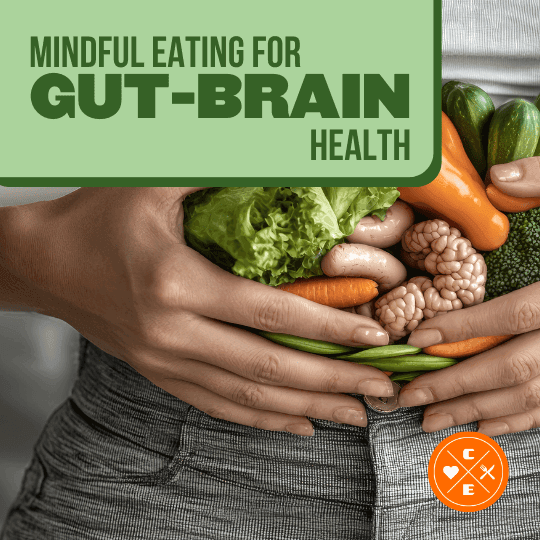
The relationship between diet and mood goes far deeper than simple blood sugar swings. Your gut, often called the "second brain," houses about 100 million neurons and produces nearly 90% of your body's serotonin—the neurotransmitter most associated with feelings of happiness and calm.1 This gut-brain axis means that what you feed your digestive system directly influences your emotional state.
The Science Behind Mood and Food
Research has identified several pathways through which nutrition influences mental health.
Inflammation plays a central role—chronic low-grade inflammation has been linked to depression in numerous studies, and certain foods can either fuel or fight this inflammatory response.2 The foods you eat also provide the raw materials your brain needs to produce neurotransmitters. B vitamins, for example, play important roles in the biochemical pathways involved in neurotransmitter synthesis.
Then there's your gut microbiome—the trillions of bacteria living in your digestive tract. These microorganisms do more than aid digestion; certain bacterial strains actually produce neurotransmitters like GABA and serotonin, and they communicate with your brain through the vagus nerve.3
When your gut bacteria are balanced and diverse, they support mood regulation, stress tolerance, and even cognitive function. Imbalances in the gut microbiome have been associated with anxiety, depression, and cognitive symptoms in some studies. For a deeper look at this connection, our article on how your gut microbiome is connected to brain function explores the research in detail.
Key Nutrients That Support Your Mood
Omega-3 fatty acids have received considerable attention in research on mood and mental health.
These essential fats, found mainly in fatty fish such as salmon, mackerel, and sardines, may support brain health through their potential roles in reducing neuroinflammation and influencing neurotransmitter signaling.⁴ A meta-analysis of 26 studies found that omega-3 supplementation showed a beneficial effect on depression symptoms.5 If you're not a fish person, walnuts, flaxseeds, and chia seeds offer plant-based alternatives, though the conversion to the active forms (EPA and DHA) is less efficient.
Magnesium is another nutrient that may be relevant for mood. It acts as a cofactor in more than 300 enzymatic reactions in the body, many of which influence nervous system function.⁶ Some clinical research suggests magnesium intake may help support mood and reduce symptoms of anxiety in certain populations.⁷ Foods such as dark chocolate (70% cocoa or higher), pumpkin seeds, spinach, and almonds are good dietary sources.
B vitamins—particularly folate and vitamin B12—also play roles in brain function. These vitamins participate in biochemical pathways involved in the production of neurotransmitters such as serotonin, dopamine, and norepinephrine, which are associated with mood regulation. Eggs, leafy greens, legumes, and whole grains provide a range of B vitamins, while nutritional yeast can be a useful option for those following plant-based diets.
Fermented foods may also support mental well-being through their effects on the gut microbiome. Yogurt, kefir, sauerkraut, and kimchi contain live microbes that can help support gut health. Research on the gut–brain axis suggests that microbial balance in the digestive tract may influence stress response, mood, and cognitive function.⁸ Including fermented foods regularly—such as yogurt at breakfast or a small portion of sauerkraut with dinner—may help support microbial diversity over time.
Building Meals That Support Emotional Well-Being
Understanding which nutrients matter is one thing; putting them into practice at mealtime is another. Fortunately, meals that support overall well-being do not require complicated recipes or unusual ingredients. A helpful framework is to combine lean protein, healthy fats, complex carbohydrates, and a variety of vegetables.
Protein provides amino acids like tryptophan, which your body converts to serotonin. Healthy fats—from olive oil, avocado, nuts, or fatty fish—support brain cell membranes and help your body absorb fat-soluble vitamins. Complex carbohydrates from foods like whole grains, sweet potatoes, or legumes provide steady energy, helping avoid large swings in blood sugar. Vegetables, especially leafy greens and colorful varieties, contribute fiber, antioxidants, and micronutrients that support both gut and brain health.
A practical example might look like this: grilled salmon over quinoa with roasted broccoli and a drizzle of olive oil. Or a breakfast of scrambled eggs with spinach, whole-grain toast, and a side of berries. These aren't exotic meals—they're simple combinations that provide many of the nutrients associated with mood-supporting nutrition.
Consistency tends to matter more than any single meal. While one nutrient-rich meal is unlikely to change mood immediately, maintaining a balanced eating pattern over time may help support emotional well-being. Planning ahead—such as preparing ingredients or meals in advance—can make it easier to maintain these habits during busy weeks.
What to Limit for Better Mood
Just as some foods may support mood, others may work against it when consumed frequently. Diets high in ultra-processed foods, added sugars, and refined carbohydrates have been associated with higher levels of inflammation and less stable blood sugar regulation, which may influence energy and mood.
Alcohol is another factor to consider. Although it can feel relaxing initially, alcohol can disrupt sleep quality and may worsen anxiety or low mood for some people. This does not mean these foods must be avoided entirely, but limiting them and emphasizing whole foods may help support overall mental and physical well-being.
The Sleep Connection
Nutrition and mood don't exist in isolation—they're deeply connected to sleep. The same nutrients that support mood (magnesium, B vitamins, omega-3s) also influence sleep quality, and poor sleep is one of the strongest predictors of low mood and anxiety. Our comprehensive guide on the importance of sleep for overall health and well-being explores how these systems interconnect and offers strategies for improving both.
Making It Practical
If overhauling your diet feels overwhelming, start small. Add one serving of fatty fish per week, or swap your afternoon snack for almonds and dark chocolate. Pay attention to how you feel after meals—not just immediately, but a few hours later. The meals leaving you most satisfied and clear-headed are often the ones that align with mood-supporting principles.
For those who want balanced nutrition without daily cooking, Clean Eatz Kitchen's meal plans offer chef-prepared options combining lean protein, healthy fats, and complex carbs in appropriate portions. The High Protein Meal Plan is particularly well-suited for stable energy and mood, with meals starting at $8.99 and free shipping on orders over $85.
Frequently Asked Questions
What foods help improve mood?
Foods rich in omega-3 fatty acids (salmon, walnuts, flaxseeds), magnesium (dark chocolate, spinach, pumpkin seeds), B vitamins (eggs, leafy greens, whole grains), and probiotics (yogurt, kefir, fermented vegetables) all play a role in mood regulation.
How does food affect your mood?
Food affects mood through several mechanisms. Your gut produces about 90% of your body's serotonin, so gut health directly impacts emotional well-being. The nutrients you eat also provide raw materials for neurotransmitter production, influence inflammation levels, and affect blood sugar stability—all of which shape how you feel.
Can diet help with anxiety and depression?
Research suggests that dietary patterns rich in whole foods, omega-3 fatty acids, and magnesium may help reduce symptoms of anxiety and depression. While diet isn't a replacement for professional mental health treatment, it plays a meaningful supporting role and is increasingly recognized in the field of nutritional psychiatry.
What is the gut-brain connection?
The gut-brain axis is a bidirectional communication network between your digestive tract and brain, connected primarily through the vagus nerve. Your gut bacteria produce neurotransmitters and send signals that influence mood, stress response, and cognitive function. This is why digestive health and mental health are closely linked.
How quickly can food affect your mood?
Some effects are immediate—blood sugar spikes and crashes can shift your mood within hours. But the deeper benefits of mood-supporting nutrition, like reduced inflammation and improved gut microbiome diversity, develop over time. Think of it as building a foundation rather than flipping a switch.
The Bottom Line
The connection between food and mood is real, backed by research, and more actionable than you might think. By focusing on omega-3-rich foods, magnesium sources, B vitamins, and gut-supporting fermented foods—while limiting processed foods and excess sugar—you can create eating patterns that support emotional well-being alongside physical health.
Start with one change this week. Add a serving of fatty fish, swap your afternoon snack for something more nourishing, or try incorporating more leafy greens into your meals. Small, consistent choices add up to meaningful improvements over time.
References
1. Yano JM, et al. "Indigenous bacteria from the gut microbiota regulate host serotonin biosynthesis." Cell. 2015;161(2):264-276.
2. Berk M, et al. "So depression is an inflammatory disease, but where does the inflammation come from?" BMC Medicine. 2013;11:200.
3. Appleton J. "The Gut-Brain Axis: Influence of Microbiota on Mood and Mental Health." Integrative Medicine: A Clinician's Journal. 2018;17(4):28-32.
4. Grosso G, et al. "Omega-3 Polyunsaturated Fatty Acids in Depression." International Journal of Molecular Sciences. 2024;25(16):8675.
5. Liao Y, et al. "Efficacy of omega-3 PUFAs in depression: A meta-analysis." Translational Psychiatry. 2019;9:190.
6. Botturi A, et al. "The Role and the Effect of Magnesium in Mental Disorders: A Systematic Review." Nutrients. 2020;12(6):1661.
7. Tarleton EK, et al. "Role of magnesium supplementation in the treatment of depression: A randomized clinical trial." PLOS ONE. 2017;12(6):e0180067.
8. Dinan TG, Cryan JF. "The Microbiome-Gut-Brain Axis in Health and Disease." Gastroenterology Clinics of North America. 2017;46(1):77-89.
Disclaimer: This article is for educational purposes only and does not replace medical or personalized nutrition advice.