
Quick Summary: Your gut and brain are in constant communication through a network called the gut-brain axis. The trillions of microbes living in your gut produce neurotransmitters like serotonin (over 90% of it!), influence your mood, stress response, and cognitive function. Research shows that an imbalanced gut microbiome is linked to anxiety, depression, and even neurodegenerative diseases. Supporting your gut health through fiber-rich foods, fermented foods, quality sleep, and stress management can have profound effects on your mental well-being and brain function.
We often hear phrases like "gut feeling" or "trust your gut," but did you know there's actual science behind these expressions? Your gut and brain are engaged in a constant conversation, a powerful connection known as the gut-brain axis. This intricate network involves not just nerves, but also hormones, immune cells, and even the trillions of microbes residing in your gut — your gut microbiome.
Understanding this gut-brain connection is key to unlocking the secrets to optimal health. It's no longer just about what you eat; it's about how your gut processes and reacts to your food, and how those reactions influence your brain and overall well-being.
In this exploration of the fascinating gut-brain axis, we'll delve into how your gut microbiome can influence your brain function, including mood, cognitive abilities, and overall mental health. We'll cover the science behind this connection, factors that affect your gut health, and practical strategies to nurture both your gut and brain.
The Gut Microbiome: Your Internal Ecosystem
Your gut is home to a bustling ecosystem of trillions of microorganisms, known as the gut microbiome. This diverse community, nestled within your intestines, plays a vital role in supporting your overall health and well-being. It's like a hidden metropolis, with each microbe contributing to the intricate balance that keeps you thriving.
This complex network of bacteria, viruses, fungi, and other microbes isn't just a passive inhabitant of your digestive tract. It actively influences numerous bodily functions, far beyond just digestion. It impacts how your immune system functions, regulates your metabolism, and even communicates with your brain, influencing your mood and mental health.
Why Your Gut Microbiome Matters for Overall Health
This thriving ecosystem is far more than a passive inhabitant — it's an active and powerful contributor to your overall health. Your gut microbes go far beyond simply aiding in the breakdown of food; they actively participate in the digestive process, acting as a network of microscopic assistants that meticulously break down complex carbohydrates and fibers, transforming them into essential nutrients your body can readily absorb.
When this microbial balance is disrupted, digestive issues can arise, highlighting the critical link between a healthy gut microbiome and overall digestive well-being. A balanced and diverse gut microbiome helps prevent bloating and gas by efficiently fermenting fiber, regulates bowel movements to prevent constipation and diarrhea, and may reduce symptoms of irritable bowel syndrome (IBS). For more on how dietary fiber supports your gut health and overall well-being, our comprehensive guide covers the full science.
Your gut microbiome also serves as a training ground for your immune system. It interacts with immune cells, helping them distinguish between harmful invaders and harmless substances, ultimately strengthening your body's defenses against infections and illnesses. The gut-brain connection means your gut microbes produce neurotransmitters and other signaling molecules that can directly impact your brain function, influencing your mood, emotions, and cognitive abilities.
The microbes in your gut also play a role in how your body processes and stores energy. A balanced gut microbiome can support a healthy metabolism and contribute to weight management, while imbalances may contribute to weight gain and metabolic issues. If you're working toward weight management goals, understanding which foods best support weight loss can help you make choices that benefit both your waistline and your gut health.
Additionally, a diverse and healthy gut microbiome helps maintain a strong intestinal barrier, reducing the risk of inflammation and leaky gut. This, in turn, can protect against various diseases, including inflammatory bowel disease (IBD), heart disease, and even certain types of cancer.
Factors That Affect Your Gut Microbiome
Just like a garden, your gut microbiome thrives when cared for and nurtured. However, it can also become imbalanced when exposed to unfavorable conditions. Several factors can influence the delicate ecosystem within your gut.
Diet: The foods you eat have a profound impact on your gut microbiome. A diet rich in fiber, fruits, vegetables, and fermented foods acts as a feast for beneficial bacteria, promoting their growth and diversity. In contrast, a diet high in processed foods, sugar, and unhealthy fats can starve beneficial microbes and create an environment where harmful bacteria flourish.
Lifestyle: Your lifestyle choices also play a role in gut health. Regular exercise, adequate sleep, and effective stress management can support a thriving microbiome. Chronic stress, lack of sleep, and a sedentary lifestyle can disrupt the balance, potentially leading to dysbiosis and associated health issues. Our guide on the importance of sleep for overall health explores how rest affects everything from your gut to your mental clarity.
Medications: While certain medications, like antibiotics, are sometimes necessary to combat infections, they can also wreak havoc on your gut microbiome. Antibiotics are like a bomb, indiscriminately killing both harmful and beneficial bacteria. This can lead to a decrease in microbial diversity and an increased risk of gut-related problems.
Environment: Your surroundings also matter. Exposure to environmental toxins and pollutants can disrupt the gut microbiome. Additionally, your early life experiences, such as whether you were born vaginally or via C-section, and whether you were breastfed or formula-fed, can have lasting impacts on your gut health.
The Gut-Brain Axis: How Your Gut Talks to Your Brain
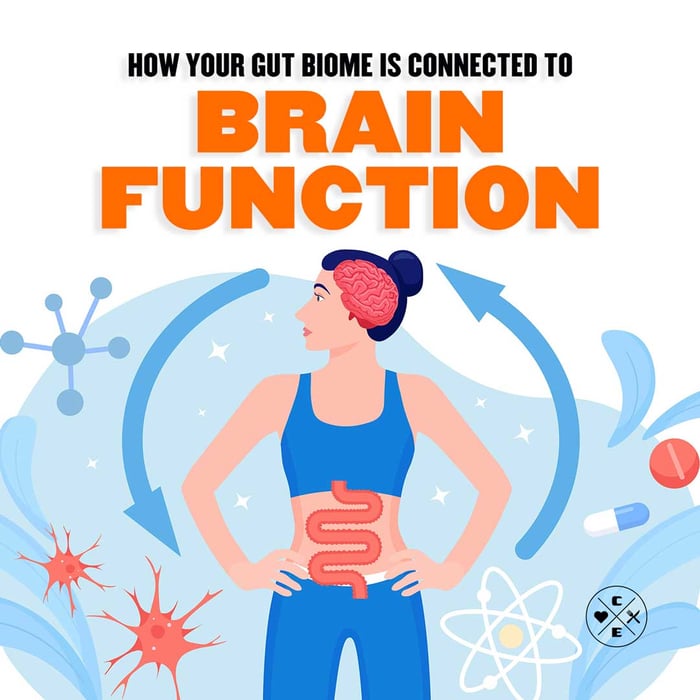
Beyond its role in digestion, the gut is in constant communication with the brain via a network known as the gut-brain axis. This two-way superhighway allows messages to flow back and forth, influencing everything from your mood to your immune response. It's a complex system with several key players working together.
The vagus nerve serves as the captain of this communication highway, acting as the primary link between your gut and brain. It carries messages about gut sensations, such as hunger or discomfort, directly to the brain. The enteric nervous system (ENS), sometimes called the "second brain," is a network of neurons lining the gut that can act independently, managing digestive processes while also communicating with the brain via the vagus nerve. Your gut microbes aren't just passive passengers either — they play a crucial role in gut-brain communication by producing neurotransmitters, influencing hormone levels, and interacting with immune cells.
This communication happens through multiple pathways. Gut microbes produce neurotransmitters like serotonin, GABA, and dopamine, which influence mood, stress response, and even cognitive function. The gut releases hormones like ghrelin and leptin, which regulate appetite and energy expenditure, and gut microbes can influence the production and signaling of these hormones. The gut microbiome also interacts with the immune system, modulating inflammation and immune responses — and these immune signals can travel to the brain, affecting mood and behavior.
The Vagus Nerve: Your Gut-Brain Highway
The vagus nerve is a crucial component of the gut-brain axis, serving as the primary communication channel between your gut and brain. It is a bidirectional pathway that allows messages to flow back and forth. Understanding the role of the vagus nerve is key to unlocking the secrets of the gut-brain connection, as it directly influences how gut sensations and signals impact your brain, and vice versa.
That "gut feeling" you experience when you're nervous or excited? That's your vagus nerve in action. It sends signals from your gut to your brain, letting you know something's up. The vagus nerve carries messages about the state of your gut microbiome to the brain, which can directly influence your mood and emotional well-being. Stressful situations can trigger signals from the brain to the gut via the vagus nerve, leading to that familiar "butterflies in the stomach" sensation. The vagus nerve also helps regulate hunger and satiety signals.
Recent 2024 research from Flinders University has uncovered new details about how gut-brain communication works, revealing that substances like serotonin released from gut cells communicate via diffusion to vagal nerve endings rather than direct synaptic transmission. This discovery has profound implications for understanding how we might develop better treatments for anxiety, depression, and digestive conditions like IBS.
Your Gut as a Neurotransmitter Factory
The influence of your gut on your brain goes far beyond just "gut feelings." It directly impacts the production of vital neurotransmitters, those chemical messengers responsible for everything from mood regulation to memory.
Your gut microbes are like tiny factories, churning out key neurotransmitters. More than 90% of your body's serotonin — the "feel-good" chemical — is produced in the gut and plays a role in mood regulation, sleep, and appetite. Your gut bacteria also produce GABA, an inhibitory neurotransmitter that helps calm the nervous system, reducing anxiety and promoting relaxation. Dopamine, associated with reward and motivation, plays a role in feelings of pleasure and focus, and about 50% of the body's dopamine is found in the gut. Norepinephrine, involved in alertness, focus, and the fight-or-flight response, is also influenced by gut bacteria.
How Gut Inflammation Affects Your Brain
When inflammation flares up in your gut, it can have a ripple effect, impacting the health of your brain and cognitive abilities. An unhealthy gut often develops a "leaky" barrier — this barrier normally acts like a net, designed to keep potentially harmful substances like toxins and bacteria from entering the bloodstream. When the gut lining becomes inflamed, this net develops holes, allowing these substances to leak through.
Once in the bloodstream, these inflammatory molecules can travel throughout the body, reaching the brain and setting off an inflammatory response there. Brain inflammation is linked to various cognitive problems, including difficulty concentrating and focusing, memory problems and forgetfulness, brain fog and mental fatigue, and increased risk of neurodegenerative diseases like Alzheimer's and Parkinson's. A 2024 Harvard study found that damage to the upper digestive tract is associated with increased Parkinson's disease risk, and researchers have traced how misfolded proteins can travel from the gut to the brain via the vagus nerve.
Gut Microbiome and Mental Health
Your gut and your brain may seem like separate worlds, but research is revealing a surprising connection between them. An increasing body of evidence suggests that the health of your gut microbiome can directly impact your mood, emotions, and overall mental well-being. It's a fascinating link that's transforming our understanding of mental health and offering new possibilities for treatment.
Recent studies have shown a strong correlation between an imbalanced gut microbiome (dysbiosis) and various mood disorders. People with anxiety and depression often exhibit a less diverse gut microbiome with lower levels of beneficial bacteria. Children with autism spectrum disorders frequently experience gastrointestinal issues and may have alterations in their gut microbiome composition. Chronic stress can disrupt the gut microbiome and contribute to anxiety and depression, creating a cycle that can be difficult to break.
Research is shedding light on the intricate connection between gut bacteria and cognitive function. Short-chain fatty acids (SCFAs), produced by certain gut bacteria, have been shown to improve memory and learning abilities. The gut microbiome plays a role in producing neurotransmitters like serotonin and GABA, which are vital for mood regulation, learning, and memory. An imbalance in gut bacteria can lead to chronic inflammation, which has been linked to cognitive decline and neurodegenerative diseases. Additionally, the gut microbiome is sensitive to stress, and chronic stress can negatively impact its composition and function, potentially affecting cognitive abilities.
A healthy gut microbiome helps produce calming neurotransmitters and regulates the body's stress response. When we're stressed, though, it can disrupt our gut bacteria balance, leading to inflammation and further increasing our susceptibility to stress. This creates a vicious cycle where gut problems worsen stress, and stress worsens gut problems.
Strategies to Improve Gut and Brain Health
Nurturing the intricate connection between gut and brain requires a multi-faceted approach that goes beyond simply popping a pill. Here are practical and effective strategies that focus on dietary choices, lifestyle adjustments, and stress management to optimize both gut and brain health.
Dietary Interventions for Gut-Brain Health
The foundation of a healthy gut and brain lies in the food we consume. Specific foods nourish beneficial gut bacteria, reduce inflammation, and support cognitive function.
Fiber-rich foods like fruits, vegetables, whole grains, legumes, nuts, and seeds provide prebiotics — non-digestible fibers that serve as food for beneficial gut bacteria. This promotes a balanced gut microbiome crucial for overall health and brain function. Aim for at least 25-35 grams of fiber per day from a variety of sources. Fermented foods like yogurt, kefir, sauerkraut, kimchi, and kombucha contain live cultures of beneficial bacteria that can directly enrich your gut microbiome while also aiding digestion and enhancing nutrient absorption.
The Mediterranean diet, abundant in fruits, vegetables, whole grains, legumes, fish, nuts, and olive oil, has been widely studied for its numerous health benefits, including improved gut and brain health. This dietary pattern reduces inflammation, protecting both the gut and the brain from damage. The abundance of fiber and polyphenols fosters a healthy gut microbiome. Research suggests that the Mediterranean diet can improve memory, attention, and overall cognitive function, potentially reducing the risk of neurodegenerative diseases.
Making these dietary changes easier is where meal prep can help. Clean Eatz Kitchen's meal plans are designed with balanced nutrition in mind, featuring lean proteins, fiber-rich vegetables, and whole food ingredients that support both gut and brain health without the hassle of daily cooking and planning.
Lifestyle Changes That Support the Gut-Brain Connection
Cultivating a healthy gut-brain connection requires more than just dietary modifications. The way we live our lives plays a vital role in fostering optimal gut and brain function.
Regular physical activity can improve gut motility, enhance nutrient absorption, reduce inflammation, and support a diverse gut microbiome. Exercise also promotes the production of brain-derived neurotrophic factor (BDNF), a protein essential for brain health and cognitive function.
During sleep, your body repairs and restores itself, including the gut and brain. Adequate sleep is crucial for maintaining a healthy gut microbiome and promoting optimal cognitive function, memory consolidation, and emotional regulation. Research shows that just two days of sleep deprivation can offset your gut health and heighten inflammation.
Chronic stress negatively affects both gut and brain health. It can disrupt the gut microbiome, impair gut function, and increase inflammation throughout the body, including the brain. Effective stress management techniques can help regulate the gut-brain axis and promote overall well-being.
Practical Tips for Reducing Stress and Supporting Your Gut
Beyond nourishing food and targeted supplements, cultivating a mindful and active lifestyle plays a pivotal role in fostering a healthy gut-brain axis. Mindful eating practices can activate your body's relaxation response, lower cortisol levels, and support both digestion and gut bacteria balance.
Incorporate practices like meditation, deep breathing, or mindful eating to reduce stress and promote gut health. Engage in gentle movement activities like yoga or tai chi, which combine movement with breath to support relaxation and digestion. Spend time outdoors to reduce stress and foster a balanced gut microbiome. Nurture meaningful relationships for emotional well-being and a positive impact on gut health. Pursue hobbies and activities that bring you joy and provide a healthy outlet for stress.
Prioritize a consistent sleep routine for optimal gut and brain health. Engage in regular physical activity to support gut motility and reduce stress levels. If preparing healthy meals feels overwhelming, having nutritious options ready to go can eliminate one source of daily stress — the High Protein Meal Plan takes the guesswork out of eating well while supporting your body's protein needs for muscle maintenance and satiety.
Future Research and Emerging Therapies
The gut-brain axis is a hotbed of research, with scientists uncovering new insights at a rapid pace. Researchers are working toward microbiome mapping — imagine having a personalized map of your gut, showing all the different microbial communities and how they interact. This could revolutionize personalized medicine for gut and brain health.
Scientists are also exploring the use of special probiotics, known as "psychobiotics," designed to directly impact brain function and mood. This could open up new, natural avenues for managing anxiety and depression. A 2025 review in Microbial Biotechnology highlights how advancing our understanding of specific probiotic strains and their mechanisms could lead to targeted treatments for mental health conditions.
While it might sound unusual, fecal microbiota transplantation (FMT) — transferring healthy gut microbes from one person to another — is showing real promise for treating a range of gut and brain disorders. Additionally, researchers at Stanford Medicine are exploring how electrically activating the vagus nerve, already FDA-approved for epilepsy and treatment-resistant depression, might help alleviate long COVID's cognitive symptoms like brain fog.
Frequently Asked Questions
How does the gut communicate with the brain?
The gut communicates with the brain through the gut-brain axis, a bidirectional network involving the vagus nerve, neurotransmitters produced by gut bacteria (like serotonin and GABA), hormones, and immune signaling molecules. This allows constant two-way communication between your digestive system and central nervous system.
What percentage of serotonin is produced in the gut?
More than 90% of the body's serotonin is produced in the gut. This "feel-good" neurotransmitter plays a crucial role in mood regulation, sleep, and appetite, highlighting the powerful connection between digestive health and mental well-being.
Can gut health affect mental health conditions like anxiety and depression?
Yes, research shows a strong correlation between an imbalanced gut microbiome (dysbiosis) and mood disorders including anxiety and depression. People with these conditions often have less diverse gut bacteria and lower levels of beneficial microbes. Improving gut health through diet, probiotics, and lifestyle changes may help support mental well-being.
What foods support a healthy gut-brain connection?
Foods that support the gut-brain connection include fiber-rich options like fruits, vegetables, whole grains, and legumes (which feed beneficial bacteria), as well as fermented foods like yogurt, kefir, sauerkraut, and kimchi (which contain live beneficial cultures). The Mediterranean diet, rich in these foods plus healthy fats and lean proteins, has been shown to benefit both gut and brain health.
What is the vagus nerve and why is it important for gut-brain communication?
The vagus nerve is the primary communication highway between your gut and brain. It carries signals about gut sensations like hunger and discomfort directly to the brain, influences mood regulation, helps control stress responses, and regulates appetite. This nerve is why you experience "gut feelings" during emotional situations.
Can improving gut health help with cognitive function and memory?
Research suggests that gut health can influence cognitive function. Short-chain fatty acids produced by beneficial gut bacteria have been shown to improve memory and learning. Additionally, an imbalanced gut can lead to chronic inflammation, which has been linked to cognitive decline and increased risk of neurodegenerative diseases like Alzheimer's and Parkinson's.
How does stress affect the gut microbiome?
Chronic stress negatively affects the gut microbiome by disrupting the balance of bacteria, impairing gut function, and increasing inflammation. This creates a vicious cycle where gut problems worsen stress responses, and stress further damages gut health. Managing stress through exercise, sleep, and relaxation techniques can help protect both gut and brain health.
The Bottom Line
Your gut microbiome is a thriving community of trillions of microorganisms living within your intestines. This complex ecosystem, unique to each individual, actively contributes to your health in remarkable ways — from aiding digestion and boosting your immune system to influencing your mood, cognitive function, and even protecting against disease.
The gut-brain connection is a powerful reminder that our bodies are interconnected in incredible ways. By nourishing your gut with fiber-rich foods, fermented options, and a Mediterranean-style eating pattern — while also prioritizing sleep, exercise, and stress management — you can support both your digestive health and your mental well-being.
Ready to make gut-friendly eating easier? Explore Clean Eatz Kitchen's diverse meal plans and discover a world of delicious, healthy, and convenient meals designed with balanced nutrition in mind. Build Your Meal Plan today and start your journey towards a healthier gut and a sharper mind.