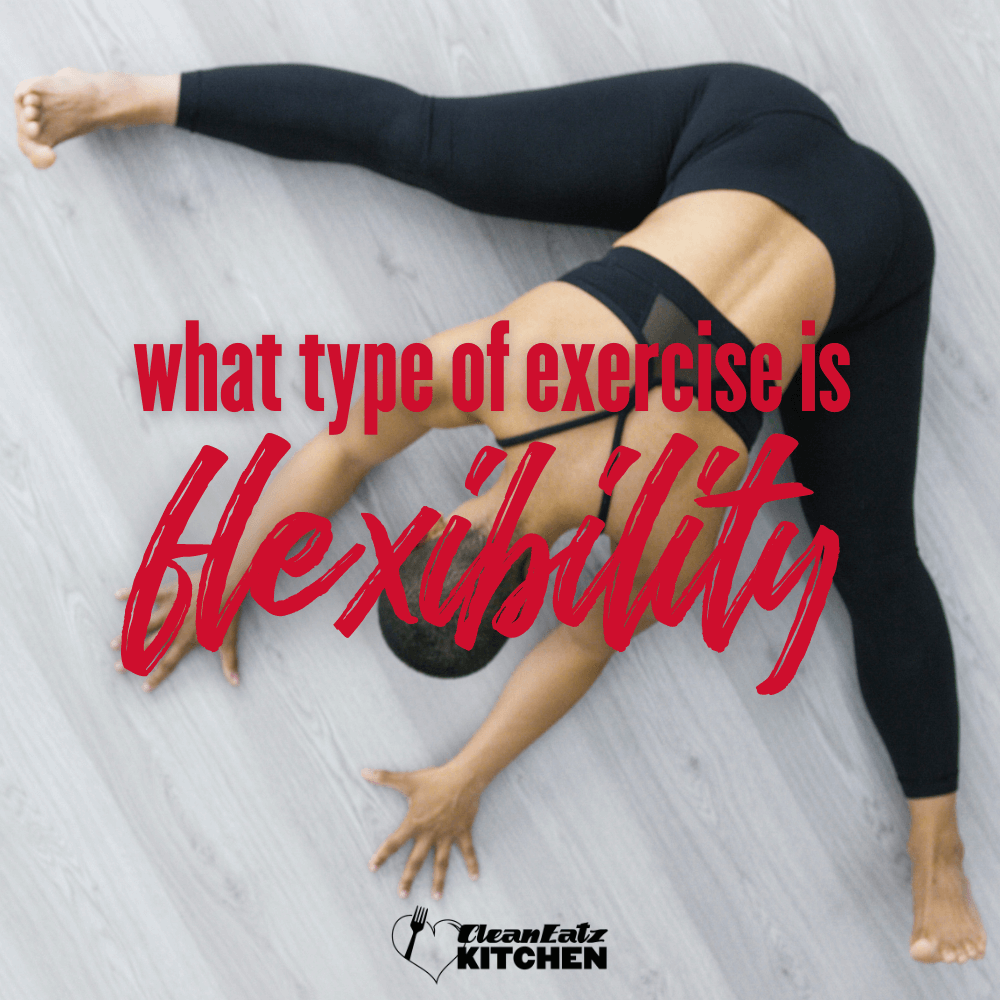

Quick Answer: It’s helpful to start with basic stretches that target areas that commonly become tight in daily life, such as the hips, hamstrings, chest, shoulders, and lower back. A short routine done several times per week can gradually improve flexibility for many people. When stretching, move slowly, breathe comfortably, and aim for a gentle feeling of tension rather than pain.
In This Article:
Last updated: March 6, 2026
Why Flexibility Matters (Beyond Touching Your Toes)
Flexibility isn't just for yoga enthusiasts or gymnasts. It directly impacts how well you move through everyday life—and how effective your workouts are.
Here are some ways improving your flexibility can help:
- Reduces injury risk: Tight muscles may be more prone to strains. Flexible muscles can handle sudden movements better.
- Improves exercise performance: Better range of motion means better form on squats, lunges, and nearly every other exercise.
- Decreases everyday aches: Much of the lower back pain and neck tension people experience comes from tight hip flexors, hamstrings, and chest muscles.
- Supports muscle blood flow: Stretching may help increase blood circulation to muscles, which can support recovery and overall mobility.
The best part? Unlike building strength or endurance, flexibility improvements can happen relatively quickly with consistent effort. For a complete picture of how flexibility fits into your fitness routine, see our Complete Exercise Guide for Weight Loss.
Complete Exercise Guide.
Get our free guide — all the info you need on exercising, all in one place.
10 Best Flexibility Exercises for Beginners
These stretches target the muscle groups that get tightest from sitting, daily activities, and exercise. No equipment needed—just a mat or carpet.
For each stretch: Hold for 30 seconds, breathe deeply, feel mild tension (not pain), then switch sides if applicable.
1. Standing Hamstring Stretch
Targets: Back of thighs, lower back
Stand with feet hip-width apart. Hinge forward at the hips (not the waist), reaching toward your toes. Keep a slight bend in your knees. Let your head hang relaxed. Go only as far as you feel a gentle pull in the back of your legs.
Can't reach your toes? That's fine—reach for your shins or knees. Flexibility will come.
2. Hip Flexor Stretch (Kneeling Lunge)
Targets: Front of hips, quads
Kneel on one knee with the other foot flat in front of you (90-degree angle). Keep your torso upright and gently push your hips forward until you feel a stretch in the front of your back leg's hip. Tuck your pelvis slightly to deepen the stretch.
This is essential if you sit for long periods. Tight hip flexors contribute to lower back pain.
3. Figure-4 Stretch (Pigeon Pose Modification)
Targets: Hips, glutes, piriformis
Lie on your back with knees bent. Cross your right ankle over your left thigh, just above the knee. Reach through and clasp your hands behind your left thigh. Gently pull your left leg toward your chest until you feel a stretch in your right hip/glute. Keep your right foot flexed.
This stretch is a game-changer for hip tightness and can help relieve sciatic discomfort.
4. Seated Butterfly Stretch
Targets: Inner thighs, hips
Sit on the floor with the soles of your feet together, knees bent out to the sides. Hold your feet with your hands. Sit tall, then gently press your knees toward the floor using your elbows. For a deeper stretch, lean forward slightly from the hips.
5. Cat-Cow Stretch
Targets: Spine, back muscles
Start on all fours with hands under shoulders and knees under hips. Cow: Drop your belly toward the floor, lift your head and tailbone, creating an arch. Cat: Round your spine toward the ceiling, tucking chin to chest and tailbone under. Flow between these positions slowly, 8-10 times.
This is a form of dynamic stretching—the movement helps warm up and loosen the spine.
6. Child's Pose
Targets: Lower back, hips, shoulders
From all fours, push your hips back toward your heels while extending your arms forward on the floor. Rest your forehead on the mat. Let your entire body relax into the stretch. Breathe deeply into your lower back.
This is a great resting stretch that gently opens multiple areas at once.
7. Chest Doorway Stretch
Targets: Chest, front of shoulders
Stand in a doorway with your forearm against the door frame, elbow at shoulder height (90-degree angle). Step through the doorway with the same-side foot, rotating your body away from the arm until you feel a stretch across your chest. Keep your shoulder blade pulled back.
Crucial for anyone who works at a desk. Tight chest muscles pull your shoulders forward, causing poor posture.
8. Upper Back Stretch (Thread the Needle)
Targets: Upper back, shoulders
Start on all fours. Slide your right arm under your body, reaching to the left while lowering your right shoulder and temple to the floor. Your left arm can stay planted or reach overhead. Feel the stretch through your upper back and shoulder.
9. Neck Stretch
Targets: Neck, upper traps
Sit or stand tall. Gently tilt your right ear toward your right shoulder. For a deeper stretch, lightly rest your right hand on the left side of your head (don't pull—just let the weight of your hand add gentle pressure). Keep your left shoulder down.
Do this throughout the day if you carry tension in your neck and shoulders.
10. Standing Calf Stretch
Targets: Calves
Face a wall with hands on it for support. Step one foot back about 2 feet, keeping it straight with the heel pressed into the floor. Bend your front knee and lean into the wall until you feel a stretch in your back calf. Keep your back heel down.
Tight calves affect ankle mobility, which impacts your squat depth and running form.
Your 10-Minute Daily Routine
Here’s how you can turn these stretches into a quick daily routine:
Morning or anytime (10 minutes):
- Cat-Cow — 1 minute (flowing movement)
- Child's Pose — 30 seconds
- Hip Flexor Stretch — 30 seconds each side
- Figure-4 Stretch — 30 seconds each side
- Seated Butterfly — 30 seconds
- Standing Hamstring Stretch — 30 seconds
- Chest Doorway Stretch — 30 seconds each side
- Thread the Needle — 30 seconds each side
- Neck Stretch — 30 seconds each side
- Calf Stretch — 30 seconds each side
After workouts: Focus on the muscles you just trained. Did legs? Prioritize hamstrings, hip flexors, and calves. Upper body? Hit chest, shoulders, and upper back. For more on post-workout recovery, see our Ultimate Guide to Stretching for Recovery.
Tips for Faster Progress
- Consistency beats intensity. Ten minutes daily will improve your flexibility faster than one hour-long session per week. Make it a non-negotiable habit.
- Warm up first when possible. Muscles stretch better when warm. If stretching in the morning, do some light movement first—a few minutes of walking or marching in place.
- Never bounce. Bouncing can cause micro-tears in muscle fibers. Hold steady and breathe into the stretch instead.
- Breathe through it. Deep, slow breathing helps muscles relax and release. Exhale as you deepen into a stretch.
- Tension, not pain. You should feel a pulling sensation, not sharp pain. Pain means you've gone too far—back off.
- Stay hydrated. Dehydrated muscles tend to be stiffer. Drinking enough water throughout the day supports flexibility.
- Be patient. Flexibility takes time to develop. You didn't get tight overnight, and you won't get flexible overnight either. Trust the process.
The Bottom Line
Improving flexibility doesn't require expensive classes or hours of your time. A simple 10-minute daily routine targeting your tightest areas—hips, hamstrings, chest, and back—can make a noticeable difference within weeks.
The key is consistency. Pick a time that works for you (morning, lunch break, before bed) and make it a habit. Your body will thank you with better movement, fewer aches, and improved performance in every other activity you do.
Want to support your fitness goals with nutrition that matches? Our Build Your Meal Plan delivers macro-balanced meals that fuel your workouts and recovery—without the meal prep hassle.
Frequently Asked Questions
How long does it take to improve flexibility?
Most people notice improvements within 2-4 weeks of consistent stretching (3-5 times per week). Significant changes typically take 6-12 weeks. Consistency matters more than intensity.
Should I stretch before or after exercise?
Do dynamic stretches (movement-based like cat-cow or leg swings) before exercise. Save static stretches (holding positions) for after your workout when muscles are warm.
How often should I do flexibility exercises?
Aim for at least 2-4 days per week, but daily stretching produces faster results. Unlike strength training, you can stretch the same muscles every day.
Why am I so inflexible?
Common causes include prolonged sitting, lack of regular stretching, muscle imbalances, dehydration, and natural aging.
Can stretching help with weight loss?
Stretching itself burns minimal calories, but improved flexibility enables better exercise performance, reduces injury risk, and supports recovery—helping you stay consistent with your fitness routine. For exercise recommendations specific to weight loss, see our Complete Exercise Guide.
Disclaimer: This content is provided for informational use only and is not intended as medical advice or as a substitute for the medical advice of a healthcare professional.