
Apple cider vinegar for weight loss
Apple cider vinegar for weight loss: Does it work?
Barely. The famous 2024 study was retracted, and the rest show a few pounds at most. What the remaining trials found, where ACV may help with blood sugar, the real side effects and how to use it safely.
- Free Shipping on Every Meal PlanFree Shipping
- Up to 20% Off 30-Meal PlansUp to 20% Off
- Chef Cooked, Dietitian BuiltDietitian Built
- Heat & Eat in MinutesHeat & Eat


Not much. The 2024 study behind most of the hype was retracted in 2025 over data concerns. The trials that remain are small and short: in the best known, adults drinking 1 to 2 tablespoons of vinegar a day lost about 1 to 2 kg more than placebo over 12 weeks. A calorie deficit, protein and activity do far more.
Apple cider vinegar (ACV) has been sold as a weight loss hack for years. Scroll through wellness content and you will find claims that it melts fat, speeds up metabolism and kills your appetite. What most of those posts leave out is that the evidence is thin and far less dramatic than the influencers suggest.
That doesn't make ACV worthless. It has a few real, modest effects, just not the ones it is famous for. Here is what the science says about ACV and weight loss, the benefits that hold up, the risks and how to use it safely if you want to try it.
What is apple cider vinegar
Fermented twice, mostly acetic acid
Apple cider vinegar is made through a two-step fermentation process. First, yeast turns the sugar in crushed apples into alcohol. Then acetic acid bacteria turn that alcohol into acetic acid, the compound behind vinegar's sour taste and sharp smell.
The "mother" is the cloudy strands floating in unfiltered ACV: a mat of acetic acid bacteria, enzymes and proteins formed during fermentation. It looks impressive, but there is little evidence that it adds any weight loss benefit over filtered vinegar.
ACV is typically about 5% to 6% acetic acid, like other vinegars. Unfiltered versions carry live bacteria, but no one has shown they work as probiotics in people, and the apple polyphenols, potassium and amino acids come in amounts too small to matter next to eating a whole apple.
Does apple cider vinegar help with weight loss
The famous study was retracted
Here is where it gets complicated. In 2024, a study published in BMJ Nutrition, Prevention & Health reported that 120 people with overweight or obesity in Lebanon who took daily ACV for 12 weeks lost about 9% of their body mass. The findings went viral and seemed to confirm what ACV fans had said for years.
In 2025, the study was formally retracted. BMJ Group cited concerns about the quality of the work. Nutrition researcher Eric Trexler of Duke University, one of the scientists who flagged it weeks after publication, pointed out that the reported weight loss rivaled what people see on costly prescription drugs like Ozempic. That was the red flag.
That was the red flag.
Tina Sassine, RD, MPH
That doesn't make all ACV research meaningless. It means the rest has to be read carefully, and what is left is small, short and inconsistent. None of it supports dramatic or lasting weight loss. Here is the research that remains.
Apple cider vinegar weight loss studies
A few pounds, at most
Weight loss. A small 2018 trial of 39 people found that those who took ACV while on a reduced-calorie diet lost slightly more weight than those who only dieted. Both groups lost weight, and the study was small and short.
A 2009 Japanese trial is the one most often cited. Adults with obesity drank a beverage containing 15 or 30 ml of vinegar (about 1 or 2 tablespoons) every day for 12 weeks, and body weight, BMI, waist size, visceral fat and triglycerides came out lower than in the placebo group. The difference was about 1 to 2 kg, or roughly 2 to 4 pounds. It was also short, and it was run by researchers at a vinegar company.
Satiety. Vinegar may make you feel fuller after a meal, possibly by slowing stomach emptying. But in a study from Imperial College London, most of that effect came from nausea: the less pleasant the vinegar drink, the less people wanted to eat. The authors concluded that promoting vinegar as an appetite suppressant isn't appropriate.
Blood sugar. The strongest evidence for ACV is about blood sugar, not weight. Vinegar taken with a starchy meal may blunt the rise in blood sugar afterward. Big swings in blood sugar can feed cravings, so this might help weight management a little, indirectly.
For approaches with stronger evidence, see our Complete Guide to the Best Foods for Weight Loss.
Other potential benefits of apple cider vinegar
Smaller, more real effects
The weight loss evidence is thin, but ACV may still offer a few things worth knowing about.
- Blood sugar regulation: some studies have found that vinegar taken with a high-carb meal improves insulin sensitivity and lowers the blood sugar response, including in people with insulin resistance or type 2 diabetes. Anyone taking diabetes medication should talk with their doctor first.
- Triglycerides: the 2009 Japanese trial found lower triglyceride levels in the vinegar groups than with placebo. The effect is modest and comes from short studies.
- Antimicrobial uses: vinegar has been used as a preservative and cleaner for centuries. It has real uses in food preparation, but don't rely on it to treat an infection.
If you are exploring supplements and natural approaches, our Guide to the Best Supplements for Weight Loss covers options with stronger research behind them.
Apple cider vinegar side effects & safety risks
Acid has real downsides
ACV isn't dangerous for most people when used properly, but the risks are real.
- Tooth enamel erosion: vinegar is one of the most acidic things people drink. In an 8-week trial, adults who drank 2 tablespoons of vinegar in a cup of water twice a day saw their tooth erosion scores rise 18%, with no change in the control group. Always dilute it, drink it through a straw and rinse your mouth afterward.
- Digestive irritation: on an empty stomach, ACV can cause nausea, heartburn and stomach discomfort. People with gastroparesis should be especially careful, since in a small study of people with type 1 diabetes ACV slowed stomach emptying further.
- Throat & esophagus injury: concentrated vinegar can burn the tissues of the throat and esophagus, and there are documented cases of injury.
- Low potassium: large amounts of ACV taken over long periods have been linked with low potassium in case reports. Low potassium can cause muscle weakness, cramps and heart rhythm problems.
- Drug interactions: ACV can interact with diabetes medications, diuretics and some heart medications. If you take any prescription drug, talk with your doctor first.
How to use apple cider vinegar safely
Dilute it, eat with it, keep it small
If you want to try ACV despite the thin weight loss evidence, here is how to do it safely.
- Always dilute it: mix up to 1 tablespoon (15 ml) in a full glass of water, 8 to 10 ounces. Never drink it straight.
- Take it with food: before or with a meal is gentler on your stomach than an empty stomach, and it is when any blood sugar benefit would show up.
- Keep it to one serving a day: the trials that found any benefit used 1 to 2 tablespoons. More isn't better and raises the risk of side effects.
- Cook with it: ACV works in salad dressings, marinades and soups, where you get the flavor without concentrated acid washing over your teeth and throat.
Who should not take apple cider vinegar
Check with your doctor first
Some people should skip ACV or talk with a doctor before using it.
- People with gastroparesis or other disorders that slow stomach emptying, since ACV can make symptoms worse.
- Anyone taking diabetes medication, because ACV can lower blood sugar and, combined with insulin or other glucose-lowering drugs, push it too low.
- People on diuretics or heart medications, since ACV may interact with these drugs and affect potassium levels.
- Anyone with a history of eating disorders, who should approach any weight loss hack with caution and ideally discuss it with a healthcare provider.
Apple cider vinegar bottom line
The bottom line
Apple cider vinegar isn't the weight loss miracle social media makes it out to be. The most viral study behind the dramatic claims was retracted over data problems, and the research that remains shows a few pounds over a few months at most, alongside diet changes, in short studies.
It isn't snake oil either. It may blunt blood sugar after a starchy meal, it may modestly lower triglycerides and it adds plenty of flavor and almost no calories to a salad dressing or marinade.
If you are serious about weight loss, the work is in the fundamentals: nutrient-dense food, a calorie deficit, enough protein, activity and sleep. ACV is a bit player at best. If the hard part is putting portion-controlled meals on the table every day, the Clean Eatz Kitchen Weight Loss Meal Plan delivers calorie-controlled, macro-balanced meals, with every meal's numbers on our Nutrition Info page. No vinegar shots required.

The dietitian's take
Use ACV for flavor, not for fat loss. A vinaigrette made with it makes vegetables easier to eat, which is a real win. If you drink it, keep it to 1 tablespoon diluted in a full glass of water with a meal, and skip it if you take diabetes or heart medication without your doctor's okay.
Tina Sassine, RD, MPH · Registered Dietitian
 Make it easy withWeight Loss Meal PlanFrom $89.95View plan
Apple cider vinegar FAQ
Quick answers
Does apple cider vinegar help with weight loss?
Only a little, if at all. The best-known positive trial found adults drinking 1 to 2 tablespoons of vinegar a day for 12 weeks lost about 1 to 2 kg more than with placebo. The most famous ACV study, from 2024, was retracted. A calorie deficit matters far more.
Does apple cider vinegar actually help with weight loss?
The evidence is limited. Some studies suggest small effects on appetite and blood sugar, but a prominent 2024 study claiming large weight loss was retracted in 2025 over data quality concerns. Most research shows only minor effects when ACV is combined with diet and exercise, and the studies are small and short.
How much apple cider vinegar should I take for weight loss?
If you try it, keep it simple: about 1 tablespoon (15 ml) a day, always diluted in a full glass of water. Some people split that into smaller servings with meals. Don't go over 2 tablespoons (30 ml) a day, and never drink it straight, since the acid can damage teeth and irritate your throat.
When is the best time to drink apple cider vinegar?
There is no agreed best time or dose, even among people who use it. With or just before a meal makes the most sense, because that is when any blood sugar effect would show up. Avoid drinking it on an empty stomach, which can cause nausea and digestive discomfort.
What are the side effects of apple cider vinegar?
Tooth enamel erosion from the acid, throat irritation, nausea, digestive discomfort and worse symptoms in people with gastroparesis. Large amounts over time have been linked to low potassium, which matters for people on some medications. Always dilute ACV, and talk with your doctor if you have a health condition.
Is apple cider vinegar better than other types of vinegar for weight loss?
Not that research has shown. Most studies on vinegar and weight looked at acetic acid in general, and acetic acid content is similar across vinegars. ACV may contain extra compounds from apples, but there is no good evidence they add any weight loss benefit.
More weight loss evidence guides
Keep reading
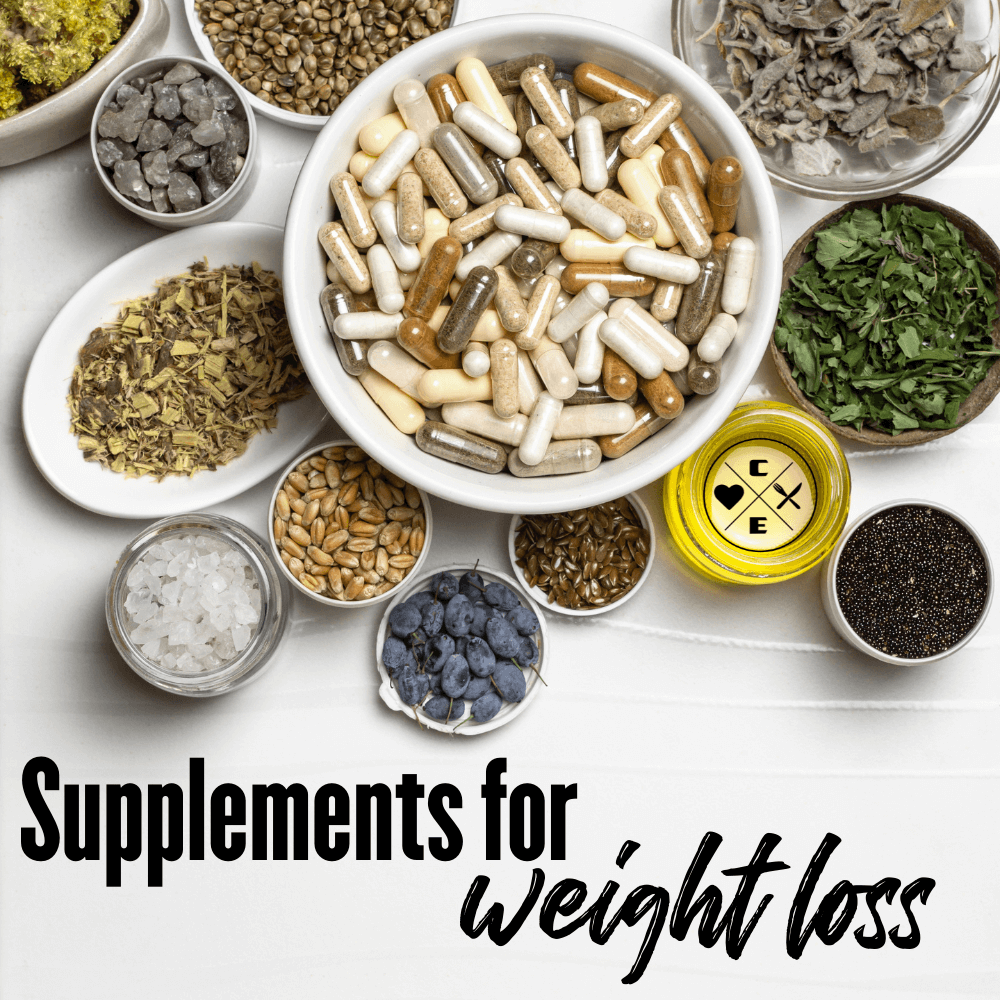 Weight loss
Best Supplements for Weight Loss: Evidence-Based Guide
 Romaine Rusnak, RD, LDN · Jul 14, 2022
 Weight loss
How to Make Lemon Water for Weight Loss (Recipe)
Tina Sassine, RD, MPH · Nov 25, 2022 Weight loss
Black Seeds for Weight Loss: Evidence, Dose & Safety
Tina Sassine, RD, MPH · Nov 22, 2022
Sources
- Apple fermented products: an overview of technology, properties and health effects. Processes 2021 (MDPI)
- NIH Office of Dietary Supplements: Probiotics fact sheet for health professionals
- Apple cider vinegar for weight management in Lebanese adolescents and young adults with overweight and obesity. BMJ Nutr Prev Health 2024 (retracted)
- NPR: Apple cider vinegar weight loss study retracted (October 5, 2025)
- Khezri SS et al. Beneficial effects of apple cider vinegar on weight management, visceral adiposity index and lipid profile. J Funct Foods 2018
- Kondo T et al. Vinegar intake reduces body weight, body fat mass, and serum triglyceride levels in obese Japanese subjects. Biosci Biotechnol Biochem 2009 (PubMed)
- Darzi J et al. Influence of the tolerability of vinegar as an oral source of short-chain fatty acids on appetite control and food intake. Int J Obes 2014
- Johnston CS et al. Vinegar improves insulin sensitivity to a high-carbohydrate meal in subjects with insulin resistance or type 2 diabetes. Diabetes Care 2004 (PubMed)
- Anderson S et al. Evidence that daily vinegar ingestion may contribute to erosive tooth wear in adults. J Med Food 2021 (PubMed)
- Hlebowicz J et al. Effect of apple cider vinegar on delayed gastric emptying in patients with type 1 diabetes mellitus: a pilot study. BMC Gastroenterol 2007 (PMC)
- Corrosive esophageal injury due to a commercial vinegar beverage in an adolescent (PMC)
- Cleveland Clinic: Low potassium levels in your blood (hypokalemia)
- Mayo Clinic: Apple cider vinegar for weight loss
On this page