7-Day GLP-1 Meal Plan (2026) + Grocery List

Seven days of smaller, protein-first meals for people taking a GLP-1 medication. Every meal has its calories and protein, plus a full grocery list and a 90-minute prep plan for the week.

Crystal Zabka-Belsky, MS, RDN, CSSD, LMNT, LDN
Crystal Zabka-Belsky, MS, RDN, CSSD, LMNT, LDNRegistered Dietitian · Oct 1, 2025
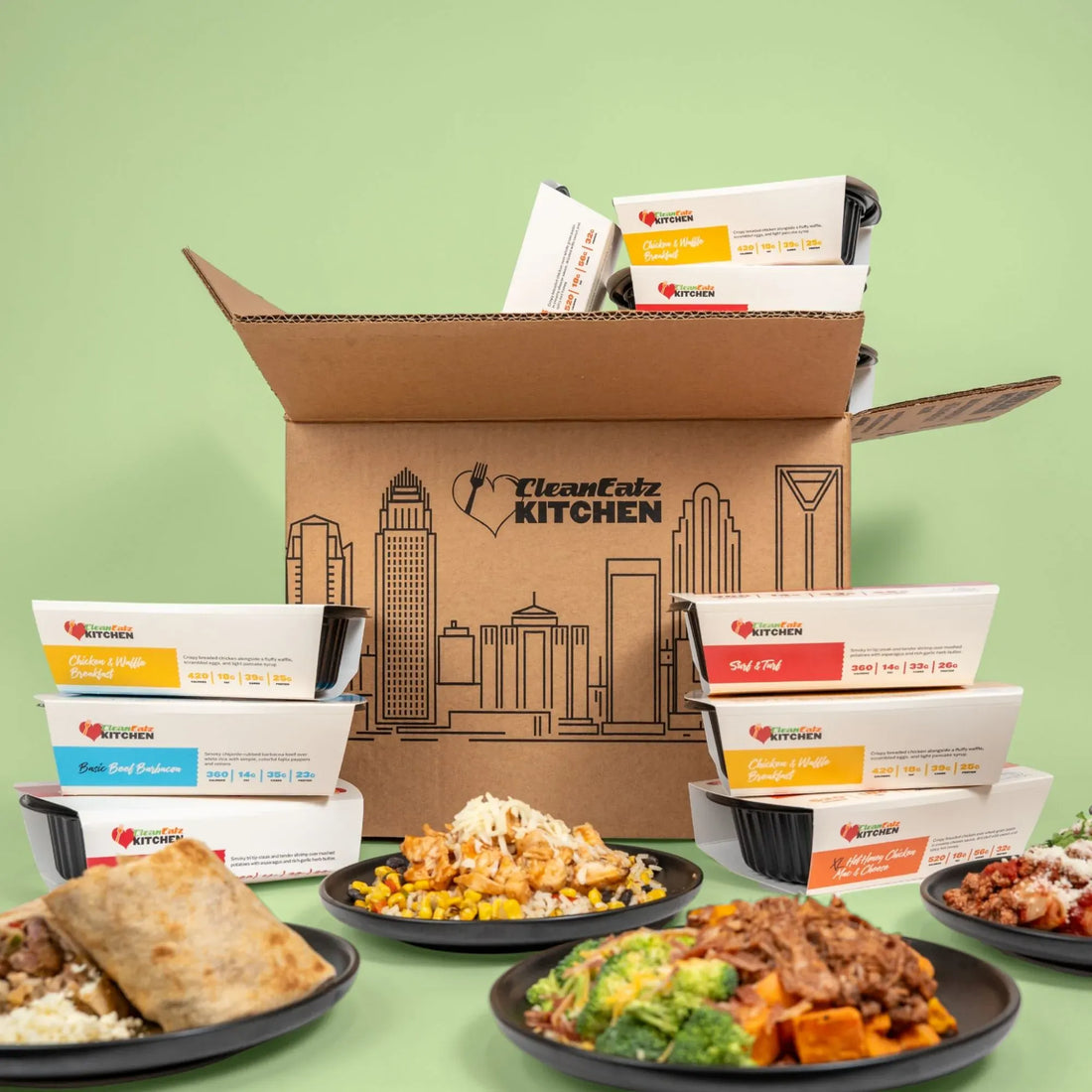
Clean Eatz Kitchen GLP-1 Meal Plan box with portioned meals
Quick answer

This 7-day GLP-1 meal plan gives you about 115 to 140 grams of protein a day across five smaller eating occasions, at roughly 1,400 to 1,600 calories. Each day has breakfast, lunch, dinner and two snacks with calories and protein, plus a grocery list. It's built for people taking Ozempic, Wegovy, Mounjaro or Zepbound, and your prescriber should set your own targets.

This article covers general nutrition guidance and is not medical advice. GLP-1 medications are prescribed and monitored by a healthcare provider. Talk to yours about your nutrition targets, any side effects that persist, and before adding any supplement.

If you're taking a GLP-1 medication like Ozempic, Wegovy, Mounjaro or Zepbound, you already know the practical challenge. Your appetite is smaller, some foods sit better than others, and protein matters more now than it used to. This plan is built around those three realities, using the principles in our complete GLP-1 diet guide. If you're new to eating on a GLP-1, start there for the full context, then come back here for the day-by-day plan.

Why this GLP-1 meal plan is built this way

In 2025, four nutrition and obesity medicine groups published a joint advisory on nutrition during GLP-1 therapy. Its practical points shaped this plan.

  • High protein. The advisory notes the standard protein allowance is 0.8 grams per kilogram of body weight, and that 1.2 to 1.6 g/kg has been proposed during active weight loss. It also offers a simpler target of 80 to 120 grams a day. This plan lands at about 115 to 140 grams, the top of that range, so trim a shake or snack if your target is lower.
  • Why protein matters now. In the STEP 1 semaglutide trial, about 38 percent of the weight people lost was lean mass, which includes muscle. Enough protein plus strength training helps protect it.
  • Smaller, more frequent meals. The advisory suggests a small breakfast, then small meals every 3 to 4 hours. Five eating occasions make the protein target realistic on a reduced appetite.
  • Protein first. Eating the protein part of a meal first makes it more likely you get enough before you feel full.
  • Gentler on fat. Fatty foods slow stomach emptying, and the advisory lists avoiding fatty foods early in treatment as one way to ease nausea. Nothing here is fried. Fat comes mostly from eggs, salmon, nuts, avocado and a little olive oil.
  • Fiber-forward. Most days give 25 to 33 grams of fiber, with two days near 22. Fiber tends to drop when food volume drops, so it's built in on purpose. Our ultimate guide to dietary fiber covers the full picture.
  • Flexible and simple. Every portion scales down by 25 to 50 percent without breaking the structure, and nothing needs a technique you don't already have.

The numbers. Daily calories run about 1,370 to 1,600, protein 115 to 140 grams, fiber 22 to 33 grams and fat 40 to 70 grams. That's a starting point, not a prescription. The advisory notes that nutrient shortfalls become more likely below about 1,200 calories a day for women and 1,800 for men, so men and larger adults will usually need bigger portions. Adjust with your prescriber or a registered dietitian.

How to use this GLP-1 meal plan

If you're early in treatment: start with the full portions as written. After a few days you'll know whether they're realistic. If they consistently feel like too much food, scale everything down by about 25 percent and prioritize the protein over finishing the plate.

If your appetite is significantly reduced: cut portions by 30 to 50 percent and eat more often rather than forcing larger meals. Lead with protein every time you eat, then add vegetables and carbohydrates as you have room. A protein shake is a reasonable stand-in for one or two meals on days when solid food is unappealing. If you'd rather not think about portioning at all, our GLP-1 Meal Plan arrives pre-portioned and heats in minutes, which takes the decision away on the days you don't have one in you.

If you want a hybrid approach: cook some meals and buy others. Most people land here eventually. Batch a few proteins and grains on the weekend, then fill the gaps with prepared meals so a hard week doesn't derail the whole thing.

How we counted

Per-meal numbers are estimates from USDA FoodData Central, rounded. Protein powder is counted at about 105 calories and 23 grams of protein per scoop, and a protein bar at about 190 calories and 18 grams. Check your labels.

The complete 7-day GLP-1 meal plan

Each day lists breakfast, a mid-morning snack, lunch, an afternoon snack and dinner. Times are a guide: the advisory's every-3-to-4-hours rhythm matters more than the clock.

1

Day 1: Monday

Salmon night
About 1,600 calories · 132g protein · 25g fiber

• Breakfast (7:30 AM), about 360 calories, 26g protein. Veggie omelet: 3 eggs scrambled with spinach, mushrooms and bell peppers in nonstick spray, 1 slice whole wheat toast and ½ cup blueberries or strawberries.

• Mid-morning snack (10:30 AM), about 200 calories, 19g protein. ¾ cup plain 2% Greek yogurt with 1 tbsp chia seeds and a drizzle of honey.

• Lunch (1:00 PM), about 500 calories, 45g protein. Grilled chicken quinoa bowl: 4 oz grilled chicken breast, ½ cup cooked quinoa, ¼ cup chickpeas, cucumber, cherry tomatoes, red onion, ½ oz feta and a dressing of 2 tsp olive oil with lemon juice.

• Afternoon snack (4:00 PM), about 170 calories, 13g protein. 2 hard-boiled eggs and ½ cup cherry tomatoes.

• Dinner (6:30 PM), about 370 calories, 29g protein. 4 oz baked salmon with lemon and dill, 1 cup roasted green beans with garlic and ½ cup roasted sweet potato cubes. Or swap in any entrée from the High Protein Meal Plan.
2

Day 2: Tuesday

Most protein
About 1,470 calories · 138g protein · 33g fiber

• Breakfast, about 380 calories, 22g protein. High-protein overnight oats: ½ cup oats, ¾ cup unsweetened almond milk (or dairy milk), ½ scoop vanilla protein powder, 1 tbsp peanut butter, cinnamon and sliced banana. Short on time? Our Overnight Oats have 20g of protein per pouch: just add milk and chill. For why oats work well here, see is oatmeal good for weight loss.

• Snack, about 150 calories, 16g protein. Turkey roll-ups: 2 oz deli turkey wrapped around bell pepper strips, with 2 tbsp hummus for dipping.

• Lunch, about 410 calories, 31g protein. Turkey avocado wrap: whole wheat tortilla, 4 oz sliced turkey, ¼ avocado, lettuce, tomato and mustard, with a small apple on the side.

• Snack, about 180 calories, 26g protein. Protein smoothie: 1 scoop protein powder, 1 cup unsweetened almond milk, ½ cup frozen berries, a handful of spinach and ice.

• Dinner, about 350 calories, 43g protein. Chicken stir-fry: 4 oz chicken breast strips and 2 cups mixed vegetables (broccoli, snap peas, carrots) with 2 tbsp low-sodium teriyaki sauce, over 1 cup cauliflower rice.

Deli turkey and teriyaki are the salty parts of this day. Pick a lower-sodium turkey if you're watching sodium.

3

Day 3: Wednesday

Easy lunch
About 1,450 calories · 118g protein · 27g fiber

• Breakfast, about 350 calories, 25g protein. Breakfast sandwich: whole grain English muffin, 2 scrambled eggs, 1 slice reduced-fat cheddar and spinach. Or use a Clean Eatz Breakfast Sandwich, 23 to 25g protein, heated in 90 seconds.

• Snack, about 150 calories, 13g protein. ½ cup cottage cheese with ½ cup sliced peaches.

• Lunch, about 310 calories, 31g protein. Tuna salad lettuce wraps: 5 oz canned tuna in water, 1 tbsp light mayo, diced celery and onion, in 3 or 4 large lettuce leaves. On the side, ½ cup baby carrots with 1 tbsp hummus and a small apple.

• Snack, about 190 calories, 18g protein. 1 cup shelled edamame with a sprinkle of sea salt.

• Dinner, about 450 calories, 31g protein. Lean beef and vegetable skillet: 4 oz raw (3 oz cooked) 93% lean ground beef, 1½ cups zucchini, bell peppers and onions, ¾ cup cooked brown rice, garlic and Italian herbs.

4

Day 4: Thursday

Plant-forward
About 1,550 calories · 117g protein · 27g fiber

• Breakfast, about 320 calories, 23g protein. Protein pancakes made with 2 eggs, ¼ cup cottage cheese and ⅓ cup oats, topped with ½ cup strawberries and 1 tbsp sugar-free syrup.

• Snack, about 160 calories, 3g protein. ½ oz almonds (about 12) and a small apple.

• Lunch, about 500 calories, 31g protein. Buddha bowl: 4 oz baked tofu (or chicken), ½ cup cooked brown rice, ½ cup roasted chickpeas, mixed greens and 1 tbsp tahini whisked with lemon.

• Snack, about 190 calories, 14g protein. 2 string cheese and ½ cup grapes.

• Dinner, about 380 calories, 46g protein. Baked cod with herbs: 6 oz cod fillet, 1 cup roasted asparagus, ½ cup cooked brown rice and a lemon wedge.

The morning snack is light on protein on purpose. If you need more, add a string cheese or swap it for ½ cup Greek yogurt.

5

Day 5: Friday

Comfort food
About 1,470 calories · 123g protein · 26g fiber

• Breakfast, about 400 calories, 28g protein. Greek yogurt parfait: 1 cup plain Greek yogurt, ¼ cup granola, ½ cup mixed berries and 1 tbsp chopped walnuts.

• Snack, about 190 calories, 18g protein. A protein bar with 15 to 20g protein and under 10g sugar, or homemade protein bites with oats, protein powder and nut butter.

• Lunch, about 330 calories, 41g protein. Chicken caesar salad: 4 oz grilled chicken, 3 cups romaine, 2 tbsp light caesar dressing, 2 tbsp grated parmesan and 5 whole grain croutons.

• Snack, about 110 calories, 4g protein. 1 tbsp almond butter with celery sticks.

• Dinner, about 440 calories, 32g protein. Turkey bolognese: 4 oz raw 93% lean ground turkey and ½ cup marinara over 2 cups roasted spaghetti squash, with 1 cup roasted Brussels sprouts and 1 tbsp parmesan.

6

Day 6: Saturday

Hybrid day
About 1,370 calories · 137g protein · 29g fiber

• Breakfast, about 360 calories, 26g protein. 2 scrambled eggs, 2 turkey sausage links, ½ cup mixed berries and 1 slice whole grain toast.

• Snack, about 300 calories, 29g protein. Peanut butter banana smoothie: 1 scoop protein powder, 1 cup almond milk, ½ banana, 1 tbsp peanut butter, a handful of spinach and ice.

• Lunch, about 320 calories, 41g protein. One meal from Build A Meal Plan, with a side salad and balsamic vinegar. Its protein filter sorts meals into 20 to 30g, 31 to 40g and 41g+ tiers. We counted Basic Chicken Breast & Sweet Potatoes: 300 calories and 40g protein on our Nutrition Info page (October 2026).

• Snack, about 130 calories, 6g protein. ½ cup roasted chickpeas seasoned with paprika and garlic powder.

• Dinner, about 260 calories, 35g protein. 4 oz grilled shrimp, 1 cup cauliflower mash made with chicken broth and 1 cup roasted Brussels sprouts with a splash of balsamic.

This is the lightest day. If you're hungry, add ½ cup brown rice at dinner (about 110 calories).

7

Day 7: Sunday

Brunch style
About 1,420 calories · 117g protein · 22g fiber

• Breakfast, about 320 calories, 22g protein. Breakfast burrito bowl: 2 scrambled eggs, ¼ cup black beans, 2 tbsp salsa, ½ oz reduced-fat cheese, ¼ avocado and a handful of spinach.

• Snack, about 190 calories, 20g protein. Protein mug cake: mix ½ scoop protein powder, 1 egg and 1 tbsp almond flour, microwave 60 to 90 seconds and top with berries.

• Lunch, about 340 calories, 39g protein. Mediterranean chicken salad: 4 oz grilled chicken, mixed greens, cherry tomatoes, cucumber and red onion, with 2 tbsp hummus and 1 tsp olive oil with lemon.

• Snack, about 190 calories, 5g protein. Portioned trail mix: 3 tbsp unsalted mixed nuts and 1 tbsp dried cranberries.

• Dinner, about 380 calories, 31g protein. Turkey meatballs over zoodles: 5 or 6 homemade meatballs (4 oz ground turkey, a little egg and breadcrumbs), 2 cups zucchini noodles, ¾ cup marinara and 1 tbsp parmesan.

At a glance

DayCaloriesProteinFiber
1. Day 1: Monday1,600132g25g
2. Day 2: Tuesday1,470138g33g
3. Day 3: Wednesday1,450118g27g
4. Day 4: Thursday1,550117g27g
5. Day 5: Friday1,470123g26g
6. Day 6: Saturday1,370137g29g
7. Day 7: Sunday1,420117g22g

Daily totals add up the rounded meals above. The food values come from USDA FoodData Central.

GLP-1 meal plan grocery list

Print this page and check off what you already have. Quantities are for one person for the week.

Proteins

  • Eggs (2 dozen)
  • Chicken breast (2 lbs)
  • Ground turkey, 93% lean (1.5 lbs)
  • Ground beef, 93% lean (4 oz)
  • Salmon fillet (4 oz)
  • Cod fillet (6 oz)
  • Shrimp (4 oz)
  • Canned tuna in water (1 can, 5 oz)
  • Deli turkey, lower sodium if you can find it (8 oz)
  • Turkey sausage links (1 package)
  • Tofu, extra firm (8 oz block), if using
  • Frozen shelled edamame (1 bag)
  • Greek yogurt, plain 2% (32 oz container)
  • Cottage cheese (16 oz)
  • Reduced-fat cheddar cheese (8 oz)
  • Feta cheese (4 oz)
  • String cheese (1 package)
  • Parmesan, grated (small container)
  • Protein powder, whey or plant-based (about 2 lbs)
  • Protein bars with 15 to 20g protein and under 10g sugar

Vegetables

  • Spinach (2 bags or a large container)
  • Mixed salad greens (2 containers)
  • Romaine lettuce (2 heads)
  • Mushrooms (8 oz)
  • Bell peppers (4 to 5, mixed colors)
  • Cherry tomatoes (2 pints)
  • Cucumbers (3)
  • Zucchini (4)
  • Broccoli (2 crowns)
  • Snap peas (1 small bag)
  • Green beans (1 lb)
  • Asparagus (1 bunch)
  • Brussels sprouts (1 lb)
  • Cauliflower (2 heads, for rice & mash)
  • Carrots (1 lb)
  • Celery (1 bunch)
  • Red onions (2)
  • Garlic (1 bulb)
  • Spaghetti squash (1 medium)

Fruits

  • Blueberries (1 pint)
  • Strawberries (1 pint)
  • Mixed berries, frozen (1 bag)
  • Bananas (4 to 5)
  • Apples (3 to 4)
  • Peaches (2 fresh, or 1 can in juice)
  • Grapes (1 small bunch)
  • Lemons (4)

Grains & starches

  • Oats, old-fashioned (1 container)
  • Quinoa (1 lb)
  • Brown rice (1 lb)
  • Whole wheat bread (1 loaf)
  • Whole grain English muffins (1 package)
  • Whole wheat tortillas (1 package)
  • Sweet potatoes (2 medium)
  • Black beans, canned (1 can)
  • Chickpeas, canned (2 cans)
  • Whole grain croutons (small bag)
  • Breadcrumbs (small container)

Pantry staples

  • Olive oil & nonstick cooking spray
  • Balsamic vinegar
  • Low-sodium soy sauce
  • Low-sodium teriyaki sauce
  • Marinara sauce (2 jars, no added sugar)
  • Light caesar dressing
  • Hummus (8 oz container)
  • Natural peanut butter
  • Natural almond butter
  • Tahini
  • Almonds, raw (small bag)
  • Mixed nuts, unsalted (small bag)
  • Walnuts (4 oz)
  • Almond flour (small bag)
  • Chia seeds
  • Granola, low-sugar
  • Dried cranberries (small bag)
  • Sugar-free syrup
  • Honey
  • Light mayo
  • Mustard
  • Salsa

Seasonings & drinks

  • Salt & pepper
  • Garlic powder, paprika, Italian seasoning, cinnamon & dill
  • Fresh herbs like parsley or basil (optional)
  • Low-sodium chicken broth (for the cauliflower mash)
  • Unsweetened almond milk (or milk of choice)

GLP-1 meal prep strategy

A 90-minute Sunday session covers most of the week. The goal isn't seven days of finished meals. It's getting the components ready so assembly takes five minutes on a weeknight. For the full system, see our complete meal prep guide.

  • Cook proteins in bulk. Bake 1.5 lbs of chicken breast seasoned simply with salt, pepper and garlic. Hard-boil a dozen eggs. Brown a pound of ground turkey. Portion into 4 to 6 oz servings. Cooked meat keeps 3 to 4 days in the fridge, so freeze what you'll eat after Wednesday.
  • Prep grains. Cook ½ cup dry quinoa (about 1½ cups cooked) and 1 cup dry brown rice (about 3 cups cooked). Portion into ½ to ¾ cup servings so you're not eyeballing it later in the week.
  • Wash & chop vegetables. Wash all greens, spin them dry and store them in containers with a paper towel. Chop bell peppers, cucumbers, carrots and celery into separate containers. Wash the cherry tomatoes.
  • Pre-make snacks. The hard-boiled eggs are already done. Portion the trail mix into small containers, and roast the chickpeas while the oven is on.
  • The hybrid approach. If a full prep session isn't happening, buy a rotisserie chicken and use deli turkey for protein, microwavable rice packets and pre-spiralized zucchini for carbs, and prewashed greens and steam-in-bag vegetables for produce. Keep High Protein Meal Plan entrées in the freezer for two or three dinners, and Clean Eatz Breakfast Sandwiches for mornings. That cuts prep to about 30 minutes while hitting similar targets.

Eating patterns for common GLP-1 challenges

The adjustments below are eating patterns many people find helpful. They are not treatments. If any of these issues are persistent or severe, talk to your prescriber: dose and timing are clinical decisions, not dietary ones.

When food is unappealing or your stomach feels unsettled: smaller portions eaten more often tend to work better than three full meals. The advisory notes nausea often shows up in the morning or after long stretches without eating, so a small breakfast helps. Blander, lower-fat options from this plan, like eggs, plain chicken and yogurt, are generally the easiest starting point. Many people find cold or room-temperature food easier than hot. Eat slowly, over 20 to 30 minutes, and stop when you feel full. A protein smoothie can stand in for a solid meal on the roughest days.

When digestion slows down: eating less food and drinking less fluid can both play a part. The National Academies' adequate intake for water works out to about 9 cups a day from drinks for women and about 13 for men, more in heat or with exercise, unless your doctor has set a limit. Keep the vegetables and berries in the plan rather than cutting them for calories, and don't skip the beans and chickpeas: they carry a meaningful share of the week's fiber. Talk to your prescriber before adding any fiber supplement.

When your appetite is very low: lead with protein every time you eat and let the rest fill in around it. One or two protein shakes a day is a reasonable way to close the gap. Don't force large portions. Having GLP-1 Meal Plan entrées in the freezer means a small window of appetite doesn't get spent deciding what to make.

Call your prescriber

Contact your prescriber promptly if you can't keep fluids down, if vomiting or diarrhea lasts more than a day, or if you have severe or ongoing stomach pain. The advisory warns that dehydration from nausea, vomiting or diarrhea can harm the kidneys.

For deeper guidance across the whole arc of GLP-1 treatment, see our complete GLP-1 diet guide. For a broader food repertoire, our best foods for weight loss guide is the companion resource.

GLP-1 meal plan delivery

Having portion-controlled, high-protein meals ready means you're never scrambling when appetite shows up. Our GLP-1 Meal Plan is a curated box: you choose 10, 20 or 30 meals ($94.95, $174.75 or $239.27) and our team chooses a selection that fits a GLP-1 diet. Every meal is chef-cooked and built by a registered dietitian, and each one's calories and protein are listed on our Nutrition Info page.

Meals ship free on dry ice, arrive frozen in about 3 business days, keep up to 12 months in the freezer and heat in a few minutes. There's no subscription. Prefer to pick your own? Use Build A Meal Plan, or browse all of our meal plans if you want to mix goals across the week.

Next steps for your GLP-1 meal plan

You have a complete week. Here's the order of operations:

  1. Print the grocery list and shop before the week starts.
  2. Block 90 minutes for the prep session, or commit to the hybrid approach instead.
  3. Stock a backup so a hard day doesn't become a hard week.
  4. Track protein for the first seven days to see whether you're actually hitting the target.
  5. Adjust portions to what your appetite is actually doing, not what the plan says.

If you want the reasoning behind the structure, why protein matters this much and how to think about food across the whole treatment arc, read our ultimate guide to the GLP-1 diet.

And if the honest answer is that cooking seven days of meals isn't going to happen right now, plan around that rather than pretending otherwise. Our GLP-1 Meal Plan is portioned for exactly this situation: high protein, ready in minutes, no subscription. Or browse the full range of meal plans to mix goals across the week.

Sources

  1. Mozaffarian D, Agarwal M, Aggarwal M et al. Nutritional priorities to support GLP-1 therapy for obesity: a joint advisory from the American College of Lifestyle Medicine, the American Society for Nutrition, the Obesity Medicine Association and The Obesity Society. Obesity 2025, 33(8):1475-1503
  2. National Academies: Dietary Reference Intakes for Water, Potassium, Sodium, Chloride, and Sulfate, chapter 4, Water
  3. USDA FoodData Central (SR Legacy values used for every meal estimate)
  4. Academy of Nutrition and Dietetics: Cook once, eat safely throughout the week

Frequently asked questions

Can I use this meal plan if I'm on Ozempic or Wegovy?

This plan follows a high-protein, portion-controlled eating pattern, the general approach recommended for people taking GLP-1 medications, including Ozempic and Wegovy (semaglutide) and Mounjaro and Zepbound (tirzepatide). Your prescriber is the right person to confirm what fits your situation, especially if you have diabetes, kidney disease or another condition that changes your targets.

What if I can't eat all the food listed?

Reduce portions by 25 to 50 percent if your appetite is low. Aim to hit your protein first at each meal, then add vegetables and carbohydrates as tolerated. Eating smaller amounts more often is a common adjustment. If you consistently can't eat much at all, raise it with your prescriber, since very low intake makes nutrient gaps more likely.

Can I substitute Clean Eatz Kitchen meals into this plan?

Yes. Swap any lunch or dinner for a meal from the GLP-1 Meal Plan, the High Protein Meal Plan, which adds 2 ounces of meat and about 10 grams of protein to our regular recipes, or the Weight Loss Meal Plan. Check each meal's protein on our Nutrition Info page. Many people cook some meals and use prepared meals for the rest.

Do I need to meal prep everything on Sunday?

No. You can prep two or three days at a time, or prep components like proteins and grains and fill in with convenience items such as rotisserie chicken or frozen prepared meals. Cooked leftovers keep 3 to 4 days in the fridge, so a Wednesday mini prep keeps the end of the week fresh. Choose what matches your energy that week.

Is this meal plan suitable for vegetarians?

Yes, with changes. Swap animal proteins for tofu, tempeh, seitan, Greek yogurt, cottage cheese, eggs, beans and lentils. Aim for 20 to 30 grams of protein per meal from those sources. You may need protein powder in smoothies to reach the daily target, since plant proteins come with more fiber and volume per gram of protein.

What should I eat if I'm feeling nauseated?

Many people find blander, lower-fat options easier: eggs, plain chicken, yogurt and protein smoothies. Cold or room-temperature foods are often better tolerated than hot ones. Eat slowly over 20 to 30 minutes, and avoid long gaps without food. Persistent nausea is a conversation to have with your prescriber, not something to manage through diet alone.

How much protein do I need on a GLP-1 medication?

A 2025 joint advisory notes 1.2 to 1.6 grams per kilogram of body weight has been proposed during active weight loss, or a simpler 80 to 120 grams a day. This plan gives about 115 to 140 grams. Your prescriber or a registered dietitian can set a target for your body and kidney health.

Can I drink coffee while following this plan?

Yes, coffee is fine in moderation. Some people find coffee on an empty stomach sits poorly, so having it with or after breakfast may work better. Keep it black or use a little milk to avoid calories you didn't plan for, and count it alongside water toward your fluids rather than instead of it.

Tap a meal count to add

30 meals work out to $7.56 a meal

View plan details

Tap a meal count to add

18 meals work out to $8.82 a meal

View plan details