
Healthy meal prep for weight loss
Healthy meal prep for weight loss: Portion guides, recipes, & mistakes to avoid
Meal prep helps because portions get decided before you're hungry. Hand-size portion guides, a 7-day planning method, 3 recipes with numbers and the mistakes that stall progress.
- Free Shipping on Every Meal PlanFree Shipping
- Up to 20% Off 30-Meal PlansUp to 20% Off
- Chef Cooked, Dietitian BuiltDietitian Built
- Heat & Eat in MinutesHeat & Eat

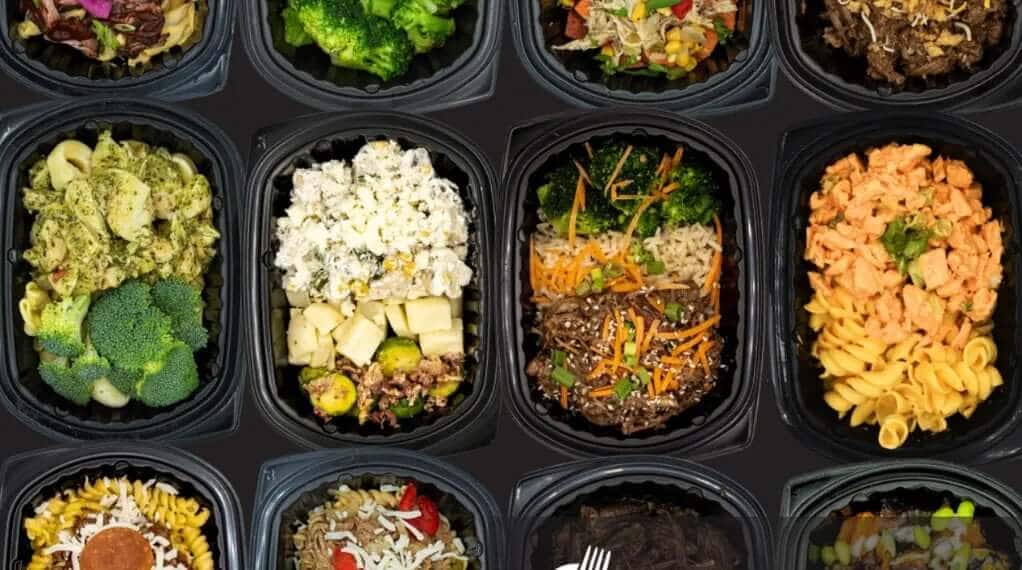
Meal prep benefits for weight loss
Does meal prep help you lose weight?
Quick answer
It can, by making portions and food choices easier to control. In a study of 40,554 French adults, people who planned meals had about 20% lower odds of obesity. That study can't prove planning caused it.
The best evidence is one large study, and it's worth sizing properly. Researchers looked at 40,554 French adults and found that meal planners ate a wider variety of foods and were closer to national nutrition guidelines. Women who planned had 21% lower odds of obesity and men 19%, compared with people who didn't plan.
Two caveats. This was a snapshot, with self-reported weight and height, and the authors say plainly that no causality can be inferred. It also measured planning, not cooking in batches. People who plan may differ in other ways. Treat it as a signal that planning belongs in the picture, not as proof it speeds anything up.
The practical case is simpler. When a portioned meal is already in the fridge, there's less reason to grab something on the run. Fewer on-the-spot decisions means fewer chances to guess wrong.

Meal prep portion control guide
How do you portion meal prep for weight loss?
Quick answer
Use your hand: a palm of protein, a fist of whole grains, two fistfuls of vegetables and a thumb of fat. Fill about half of each container with produce, then divide the batch into containers as soon as it's cooked.
One of the biggest advantages of meal prep is pre-portioning. Individual containers make it easier to stick to a serving instead of eating from a large batch until it feels like enough.
| Food | Hand cue | Role in the meal |
|---|---|---|
| Lean protein | 1 palm | Keeps you full |
| Whole grains | 1 fist | Energy |
| Vegetables | 2 fistfuls | Volume and fiber |
| Fats | 1 thumb | Flavor, dense in calories |
Hand-size portion guide for meal prep containers
- Use visual cues. You don't need to count every calorie if the hand guide above gets you close. It keeps portions balanced without weighing everything, though it's an estimate, and bigger hands get bigger portions.
- Fill up on vegetables. Registered dietitian Meghan Daw told Women's Health that each prepped meal should be 50 percent fruits and vegetables. Vegetables are high in volume and fiber and low in calories. If you're packing grilled chicken and brown rice, add a big serving of roasted or steamed vegetables to crowd out the higher-calorie items.
- Portion each meal and snack right away. When you finish cooking, divide the food into single-serving containers before you sit down. That prevents the extra spoonfuls that happen when you serve from one big pot. It works for soup and casseroles as much as for snacks.
- Mind liquid calories and extras. A tablespoon of olive oil is about 120 calories, so an unmeasured pour can add several hundred calories to an otherwise healthy salad. Measure dressings, oils and sauces in advance and keep them separate until mealtime. Herbs, vinegar, spices and lemon add flavor without many calories.
Learning portions takes a little practice, but it gets easier quickly. Controlling the portion matters as much as choosing a healthy meal, and pre-portioning is how the habit forms.
7-day meal prep strategy
How do you plan a week of meal prep?
Quick answer
Write down every breakfast, lunch, dinner and snack for 7 days, check it against your real schedule, then shop from that list. Only cook what you'll eat within 3 to 4 days, and freeze the rest.
Successful meal prep starts with a plan. Taking time to map the week saves you stress and decision fatigue on busy days, and it can be as straightforward as writing down what you'll eat at each meal. Once that's done, you can build a grocery list and schedule time to cook.
Create a meal prep schedule
Instead of winging it meal by meal, make a simple chart of the week, on a whiteboard in the kitchen or on your phone. Ask yourself three questions as you fill it in:
- Will you be eating out for any meals?
- Do some days need on-the-go options?
- Does your refrigerator and freezer have enough space, and are there leftovers from last week to use first?
Plan around the answers. Filling those gaps ahead of time is what heads off fast-food runs and skipped meals.
Design your weekly meal plan
Aim for balanced portions each day: vegetables or fruit at every meal, enough protein to keep you full, and modest portions of whole grains or starchy vegetables for energy. Add a healthy fat so meals stay satisfying.
Make your meal prep grocery list
Build a detailed list from your 7-day plan before you go, which helps you skip impulse buys. In the store, try to shop mostly the perimeter and less of the processed snack aisles. Buy meats, frozen produce and whole grains in bulk when you can, to save money.
Store prepped meals safely
Pick up reusable containers if you're short. Airtight seals keep food fresh, and hot meals need microwave-safe containers. Refrigerate food within 2 hours, or 1 hour if the air temperature is above 90°F.
A little planning means that healthy meals are ready when hunger strikes, instead of a snack you didn't plan on.
Healthy meal prep recipes
What makes a good meal prep recipe?
Quick answer
It reheats well or tastes good cold, scales up to a big batch and stays simple. Each meal needs lean protein, plenty of produce and some whole grains or healthy fats. The three below run 360 to 430 calories.
Plain chicken and broccoli every day gets old fast, and one key to sticking with meal prep is cooking food you like. Aim for meals high in nutrients and flavor and moderate in calories, with lean protein, plenty of vegetables or fruit and some whole grains or healthy fats for energy.
When you're choosing recipes, look for dishes that make good leftovers, can be made in large batches and are simple to prepare. You'll also want variety from week to week so you don't burn out on any one food. These three fit the brief. Numbers are per container, estimated from USDA FoodData Central with the ingredient amounts shown.
| Recipe | Calories | Protein | Fiber |
|---|---|---|---|
| Chicken, rice & broccoli bowl | About 430 | About 44 g | About 9 g |
| Turkey & black bean chili | About 390 | About 40 g | About 11 g |
| Berry overnight oats | About 360 | About 26 g | About 10 g |
Three meal prep recipes, estimated per container
Chicken, rice & broccoli meal prep bowl
Per container: 4 ounces cooked chicken breast, 1/2 cup cooked brown rice, 1 1/2 cups cooked broccoli and 1 teaspoon olive oil. Roast the chicken until the internal temperature hits 165°F. Season it differently for half the batch, since the chicken is usually what gets boring first.
Turkey & black bean meal prep chili
Per container: 4 ounces cooked ground turkey, 1/2 cup black beans and about 1 cup of canned tomatoes, bell pepper and onion, with chili spices. Cook the turkey to 165°F, then simmer everything for 20 minutes. Chili freezes well, so it's a good batch to split between fridge and freezer.
Berry overnight oats for meal prep
Per container: 1/2 cup dry oats, 3/4 cup nonfat Greek yogurt, 1/2 cup frozen blueberries and 1 tablespoon chia seeds, with water to loosen. Refrigerate overnight. It needs no reheating, and it's the easiest way to stop skipping breakfast.
Common meal prep mistakes
Which meal prep mistakes stall weight loss?
Quick answer
The main five: eating the same thing daily, skimping on vegetables, misjudging portions, prepping food that doesn't keep and storing it too long. Most cooked food lasts 3 to 4 days in the fridge, not the full week.
Meal prep is a good habit with a few predictable ways to go wrong. Here's how to fix the common ones.
- Making meals too monotonous. Consistency helps, but no one wants dry chicken and broccoli five days in a row. Try a new recipe each week and keep herbs and spices on hand.
- Not including enough vegetables. It's easy to focus on the protein and grains and forget the produce, which makes meals less filling and denser in calories than they need to be. Try a new vegetable or a new method, like roasting, steaming or grilling, each week.
- Portions that are too large or too small. Too big, and you're eating more than you realize. Too small, and you'll be starving and snacking on whatever is around later. Both can stall weight loss. Keep a food scale and measuring cups on hand, and track your meals for a few weeks to learn the calories and macros you need.
- Prepping food that doesn't keep. If a dish gets soggy, discolored or unappetizing after a day or two, you won't want to eat it. Learn as you go and drop what doesn't work.
- Storing food unsafely or too long. Cooking a massive batch on Sunday and stretching it for 6 or 7 days in the fridge is the big one. Freeze whatever you won't eat in time, in airtight containers labeled with the date. It's easy to forget when you cooked something.
With good planning, safe food practices and a bit of creativity, the routine gets easier each week, and you'll avoid the mistakes that could undo your progress.
Meal delivery for weight loss
Is meal delivery a good alternative to meal prep?
Quick answer
It can be, if time is the real barrier. Delivery gives you portion control and saves shopping and cooking, for a higher price than cooking from staples. Check the calories, protein and added sugar per meal before you order.
Meal prep takes time and effort. For busy people or anyone who doesn't enjoy cooking, that can be a barrier. One option is prepared meal delivery, which brings pre-portioned meals that are ready with minimal effort. It's the benefits of meal prep without the prep. Programs range from nationwide companies to local services, and they typically offer balanced, calorie-controlled menus, with each dish labeled with its nutrition information.
Portion control with prepared meals
The big advantage is that the measuring and calculating is done for you. Many people struggle with how much to eat, and a portioned tray settles that question before you open the freezer.
Saving time with meal delivery
With a week's worth of healthy meals at your door, you don't need to shop or cook as often. Instead of hitting a drive-thru when you're too busy to cook, you can grab a ready meal from your freezer. For some people, that's the difference between staying on track and falling off.
Variety & structure in meal delivery
If you dislike eating the same thing repeatedly, a rotating menu can keep things interesting. It also provides structure. With five lunches and five dinners in the freezer, those meals are accounted for, and you only have to think about breakfast and snacks.
What to look for in weight loss meal delivery
Look for a service that fits your nutritional needs. Check the average calories per meal and the macronutrient balance. Meals should have plenty of protein and vegetables, reasonable portions of whole grains and limited added sugars or heavy sauces. They also need to taste good, or you won't stick with them, so picking your own meals helps.
Clean Eatz Kitchen is one option. Our meals are chef-cooked, portion-controlled and flash-frozen, built by a registered dietitian, and they heat in a few minutes in the microwave. They keep for up to 12 months in the freezer, so a week you fall off the plan doesn't cost you a fridge full of food. There's no subscription, and our Weight Loss Meal Plan starts from $89.95 for 10 meals with free shipping to the contiguous 48 states. Or build your own plan and check every meal on our Nutrition Info page. Credit where it's due: cooking from staples is cheaper per serving than any prepared meal, including ours.
 Make it easy withWeight Loss Meal PlanFrom $89.95View plan
Making meal prep a habit
How do you make meal prep stick?
Quick answer
Start small and stay consistent. Prep lunches for one week, or whichever meal goes wrong most often, then add from there. Whether you cook everything or get some help, mostly whole-food meals are the goal.
Consistency matters more than a perfect Sunday. Whether you cook everything yourself or get a bit of help, sticking with mostly whole-food meals can bring benefits beyond the scale. Many people find they spend less, waste less food and feel better about what they're eating, though how much depends on what you were doing before.
So gather a few favorite recipes, stock up on containers and plan next week. Start with the one meal that goes wrong most often, usually lunch. Some weeks the plan will slip. That's normal, not failure, and the next week is a separate event. With practice, this becomes second nature.
Healthy meal prep for weight loss FAQ
Questions about meal prep, answered
How long does meal prep last in the fridge?
Plan on 3 to 4 days. Washington State's health department says to freeze or toss refrigerated leftovers by then, so a Sunday batch covers you through about Wednesday or Thursday. Freeze the portions for later in the week as soon as they've cooled, and thaw them in the refrigerator the day before.
How long can you keep meal prep in the freezer?
Frozen food stays safe as long as it stays frozen, but quality can suffer after about 2 to 6 months, according to Houston Methodist. Use airtight containers, label each one with the date and reheat to an internal temperature of 165°F. Our own frozen meals are a different case, at up to 12 months from production.
Do you need to count calories if you meal prep?
Not always. The hand-size portion guide gets many people close enough, especially with half of each container filled with produce. If your weight stops changing for several weeks, track your meals for a couple of weeks with a food scale. It usually shows where the portions have drifted.
How many meals should you meal prep at once?
Start with one meal a day for 4 days, usually lunch. That's enough to see whether it helps without filling the fridge with food you won't eat. Once it's routine, add dinners or breakfasts, and freeze anything past the 3 to 4 day window.
Is meal prep cheaper than meal delivery?
Usually, yes. Cooking from staples is cheaper per serving than any prepared meal, including ours, which start at about $7.56 a meal on a 30-meal Weight Loss Meal Plan. Delivery buys back your shopping and cooking time. Whether that's worth paying for depends on how much of your week it saves.
More meal prep & portion guides
Keep reading
 Weight loss
Healthy Meal Prep 101: A Beginner’s Guide To Planning, Cooking, & Storing
 Staci Gulbin, MS, MEd, RD · Jan 22, 2026
 Nutrition
7-Day Healthy Meal Prep Plan For Busy Weeks
Staci Gulbin, MS, MEd, RD · Jan 26, 2026 Weight loss
Portion Control vs. Calorie Counting: What Actually Works
 Ellie Lopez, LDN, MS · Dec 27, 2024
Sources
On this page