High-fiber foods list: 30 best sources to add today
Thirty whole foods, ranked by the fiber in a real serving, with USDA numbers. Legumes, seeds, vegetables, fruit and grains, the foods that only look high-fiber, and a 35-gram day on paper.
Legumes and seeds lead: navy beans have 9.6 grams of fiber per half cup cooked and chia about 10 grams per ounce. Raspberries, avocado, green peas, acorn squash and bulgur all reach 8 to 9 grams a serving. Adults need about 25 to 38 grams a day, and the average American eats about 16.
Most adults need between 25 and 38 grams of fiber a day. The Institute of Medicine sets the target at 14 grams for every 1,000 calories you eat, which works out to 25 grams for women and 38 for men aged 19 to 50, and 21 and 30 after 50. The Dietary Guidelines for Americans have long flagged fiber as a nutrient most of us underconsume, and the Daily Value on nutrition labels is 28 grams. For your own number, our breakdown of daily fiber goals by age and sex works it out.
The average American eats about 16 grams. According to a paper in the American Journal of Lifestyle Medicine, roughly 95% of Americans fall short. Closing that gap mostly comes down to knowing which foods do the heavy lifting, and which ones only look like they should.
For the science of what fiber does for gut bacteria, blood sugar and weight, our Ultimate Guide to Dietary Fiber covers it in full. This is the practical companion: thirty foods from the produce, dry goods and bulk aisles, with numbers from USDA FoodData Central for typical cooked or raw portions.
Highest-fiber foods ranked
All 30, by fiber per serving
Everything below is a whole food at a realistic portion. Nothing is fortified, and no serving size has been inflated to flatter the number. Several of these figures are lower than the ones that circulate online, including on an earlier version of this page, because we rechecked every food against USDA data.
Fiber per serving, highest first (USDA FoodData Central)
Food & serving
Fiber
Chia seeds, 1 oz (about 2 tbsp)
9.8g
Navy beans, 1/2 cup cooked
9.6g
Avocado, 1 medium
9.2g
Acorn squash, 1 cup baked
9.0g
Green peas, 1 cup cooked
8.8g
Bulgur, 1 cup cooked
8.2g
Split peas, 1/2 cup cooked
8.1g
Raspberries, 1 cup
8.0g
Lentils, 1/2 cup cooked
7.8g
Blackberries, 1 cup
7.6g
Black beans, 1/2 cup cooked
7.5g
Artichoke, 1 medium cooked
6.8g
Chickpeas, 1/2 cup cooked
6.2g
Barley, 1 cup cooked
6.0g
Kidney beans, 1/2 cup cooked
5.7g
Pear with skin, 1 medium
5.5g
Quinoa, 1 cup cooked
5.2g
Broccoli, 1 cup cooked
5.1g
Whole wheat pasta, 1 cup cooked
4.6g
Apple with skin, 1 medium
4.4g
Brussels sprouts, 1 cup cooked
4.1g
Edamame, 1/2 cup shelled
4.1g
Oats, 1 cup cooked
4.0g
Sweet potato, 1 medium baked
3.8g
Ground flaxseed, 2 tbsp
3.8g
Carrots, 1 cup chopped
3.6g
Almonds, 1 oz
3.5g
Brown rice, 1 cup cooked
3.2g
Banana, 1 medium
3.1g
Orange, 1 medium
3.1g
Fiber per serving, highest first (USDA FoodData Central)
High-fiber legumes
Beans & lentils are the heavy hitters
Legumes win on fiber per calorie and per dollar. They also bring 7 to 9 grams of plant protein per half cup, a pairing almost no other food group matches. That protein and fiber combination is part of why beans show up on every credible weight-loss food list: it keeps you full in a way chicken and broccoli alone rarely do.
That protein and fiber combination is part of why beans show up on every credible weight-loss food list.
Romaine Rusnak, RD, LDN
1
Navy beans
Most fiber per serving
9.6g fiber · 7.5g protein · 127 calories per 1/2 cup
The top legume on the list. Navy beans are the small white beans in baked beans and many white bean soups, and half a cup covers about a third of a woman's daily target.
2
Split peas
Soup staple
8.1g fiber · 8.2g protein · 116 calories per 1/2 cup
Split peas cook down into a thick soup without soaking. A bowl made with a full cup of cooked split peas brings about 16 grams of fiber before you add a single vegetable.
3
Lentils
Quick-cooking
7.8g fiber · 8.9g protein · 115 calories per 1/2 cup
Lentils need no soaking and cook faster than dried beans. They hold the most protein of the common legumes here, which makes them an easy base for bowls, soups and salads.
4
Black beans
Taco night
7.5g fiber · 7.6g protein · 114 calories per 1/2 cup
Black beans slide into tacos, burrito bowls, salads and eggs. Rinsing canned beans cuts some of the added sodium and keeps all of the fiber.
5
Chickpeas
Snackable
6.2g fiber · 7.3g protein · 134 calories per 1/2 cup
Chickpeas work whole in salads, roasted until crisp as a snack, or blended into hummus. Two tablespoons of hummus carry far less fiber than half a cup of chickpeas, so count the portion you actually eat.
6
Kidney beans
Chili bean
5.7g fiber · 7.7g protein · 112 calories per 1/2 cup
The chili bean. Kidney beans hold their shape through long cooking, which makes them a good fit for chili, stews and big-batch meal prep.
7
Edamame
Most protein
4.1g fiber · 9.3g protein · 94 calories per 1/2 cup
Edamame are young soybeans, sold frozen in or out of the pod. They have less fiber than the dried legumes above but more protein than any of them, about 9 grams per half cup shelled.
High-fiber seeds & nuts
Small portions, big numbers
Seeds punch well above their weight, and they are the easiest fiber to add without changing a meal. Stir chia into oatmeal, yogurt or a smoothie and you fold in close to 10 grams in a single spoonful or two.
8
Chia seeds
Top of the list
9.8g fiber · 4.7g protein · 138 calories per ounce
An ounce of chia, about two tablespoons, has 9.8 grams of fiber, the most of any food on this list. Chia absorbs liquid and thickens as it sits, which is why it works in overnight oats and puddings.
9
Ground flaxseed
Number corrected
3.8g fiber · 75 calories per 2 tbsp ground
Ground flax is a good addition, but it's not the fiber giant it's often made out to be. Two tablespoons of ground flaxseed have 3.8 grams, not the 8 grams you'll see quoted, because ground flax is light, about 7 grams a tablespoon. Grind it or buy it ground, since whole seeds can pass through undigested.
10
Almonds & pistachios
Handful snack
3.5g fiber · 6g protein · 164 calories per ounce of almonds
Nuts are respectable rather than remarkable. An ounce of almonds has 3.5 grams of fiber and an ounce of pistachios about 2.9, with 160-plus calories either way. They earn a spot for convenience, not volume.
High-fiber vegetables
The leaders aren't the ones you'd guess
Vegetables vary widely, and the leaders are unexpected. Starchy and dense vegetables top the list. Salad greens, despite their reputation, are mostly water: a cup of shredded iceberg or romaine has about a gram, which is part of why a big salad alone rarely fills anyone up.
11
Green peas
Freezer staple
8.8g fiber · 8.6g protein · 134 calories per cup cooked
Green peas are technically a legume, and their fiber shows it. A cup of cooked peas nearly matches a cup of raspberries, and a bag of frozen peas keeps for months.
12
Acorn squash
Fall favorite
9.0g fiber · 115 calories per cup baked
Baked acorn squash delivers 9 grams of fiber a cup, more than almost any other vegetable here, for about 115 calories. Halve it, roast it cut side down, and it scoops out of the skin.
13
Artichoke
Number corrected
6.8g fiber · 64 calories per medium artichoke
A whole cooked artichoke has 6.8 grams of fiber, still among the best vegetables per serving, though not the 10 grams often quoted. Canned or jarred hearts carry less, because you eat only the heart.
14
Broccoli
Everyday pick
5.1g fiber · 55 calories per cup cooked
Broccoli is the reliable middle of the pack: about 5 grams a cooked cup, for 55 calories. It's on most meal prep menus for a reason.
15
Brussels sprouts
Roast them
4.1g fiber · 56 calories per cup cooked
Brussels sprouts bring 4 grams a cup. Roasting rather than boiling makes them far more likely to get eaten, and fiber you don't eat doesn't count.
16
Sweet potato
Eat the skin
3.8g fiber · 103 calories per medium potato
A medium baked sweet potato has 3.8 grams of fiber in the flesh alone. Eat the skin too and you get a little more.
17
Carrots
Crunchy snack
3.6g fiber · 52 calories per cup chopped
A cup of raw carrots has 3.6 grams of fiber. Baby carrots are the easiest high-fiber snack you can keep in a work fridge.
High-fiber fruits
Fruit fiber lives in the skin & seeds
Fruit fiber depends heavily on the skin and seeds. Berries are where fruit really pays off, and the whole fruit always beats the juice.
18
Avocado
Surprise contender
9.2g fiber · 227 calories per medium avocado
Almost nobody thinks of avocado as a fiber food. A medium avocado has about 9 grams, more than most fruits and vegetables and more than half a cup of most beans. It's also about 227 calories, so half an avocado is the usual serving.
19
Raspberries
Best berry
8.0g fiber · 64 calories per cup
A cup of raspberries has 8 grams of fiber for 64 calories, the best fiber-to-calorie ratio of any fruit on this list. Frozen raspberries count the same and cost less.
20
Blackberries
Close second
7.6g fiber · 62 calories per cup
Blackberries are nearly identical to raspberries: 7.6 grams of fiber a cup. Either one turns a bowl of oatmeal into a double-digit fiber breakfast.
21
Pear
Keep the skin on
5.5g fiber · 101 calories per medium pear
A medium pear with the skin has 5.5 grams of fiber, the most of the everyday tree fruits. Much of it sits in and just under the skin, so don't peel it.
22
Apple
Skin matters
4.4g fiber · 95 calories per medium apple
A medium apple with the skin has 4.4 grams of fiber. Peeled, it drops to about 2.1 grams, so the skin holds roughly half.
23
Banana
Moderate
3.1g fiber · 105 calories per medium banana
Bananas are reliable but moderate at about 3 grams per medium fruit. They're fine to include, but berries and pears do more per serving.
24
Orange
Eat, don't drink
3.1g fiber · 62 calories per medium orange
A whole orange has 3.1 grams of fiber. A cup of orange juice has about half a gram. That gap is why the fruit-versus-juice difference matters more than most people assume.
High-fiber whole grains
Not every grain earns its label
Whole grains vary more than their labels suggest. The best of them rival beans, and the worst are barely different from white rice, which has about half a gram per cup.
25
Bulgur
Best grain
8.2g fiber · 151 calories per cup cooked
Bulgur is cracked, parboiled wheat, and it's quietly exceptional: 8.2 grams of fiber per cooked cup, for fewer calories than rice. It cooks in about the time it takes to boil water and is the base of tabbouleh.
26
Barley
Soup & salad grain
6.0g fiber · 193 calories per cup cooked
Even pearled barley, with its outer bran partly removed, has 6 grams of fiber a cup. Its chewy texture holds up in soups, stews and grain salads.
27
Quinoa
Protein bonus
5.2g fiber · 8.1g protein · 222 calories per cup cooked
Quinoa has 5.2 grams of fiber and 8 grams of protein per cooked cup. It's a solid swap anywhere you'd serve rice.
28
Whole wheat pasta
Number corrected
4.6g fiber · 174 calories per cup cooked
A cup of cooked whole wheat pasta has 4.6 grams of fiber, not the 6 often quoted, but still several times what regular pasta offers. Pair it with beans or vegetables to push the meal higher.
29
Oats
Heart-health fiber
4.0g fiber · 166 calories per cup cooked
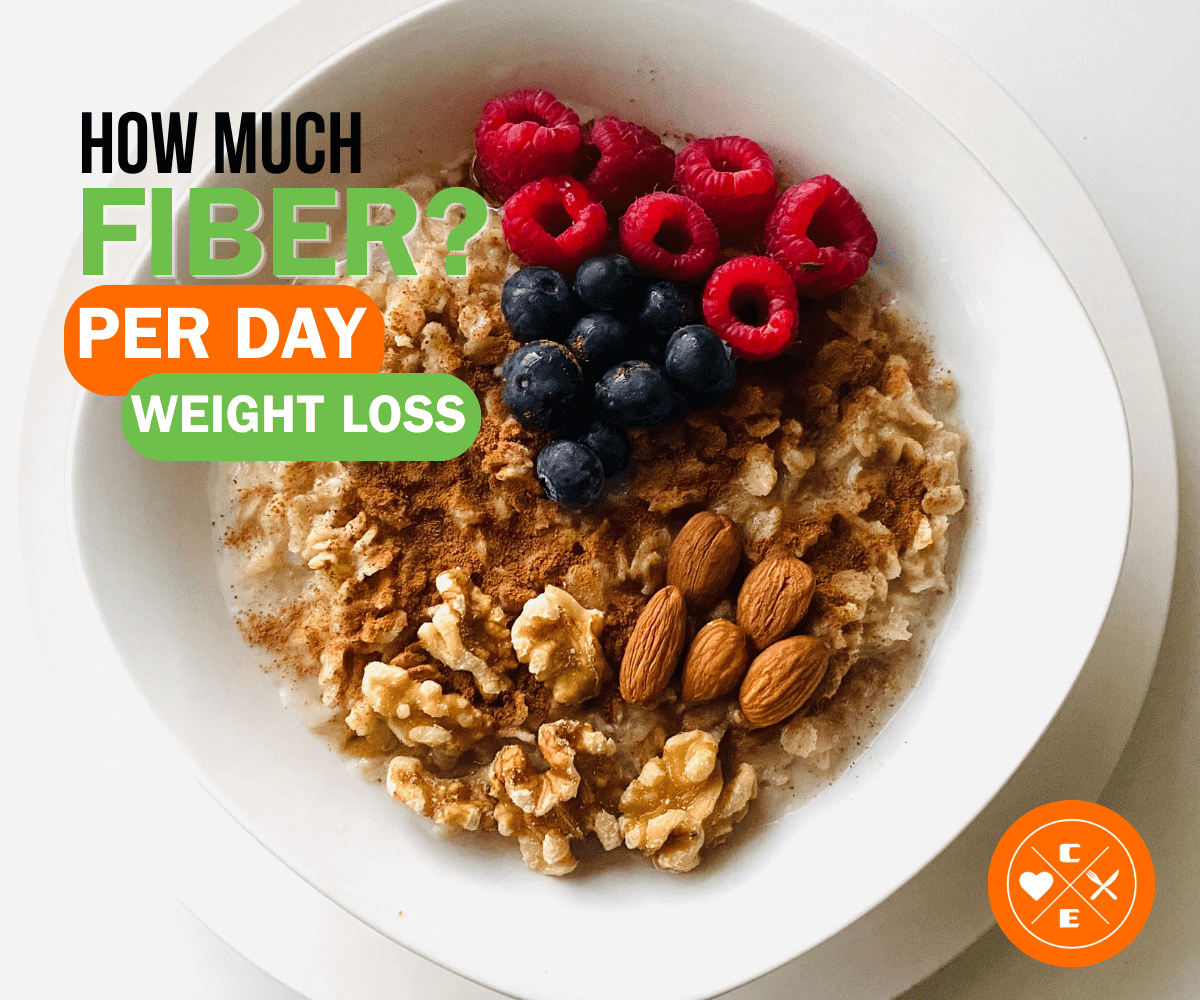
Oats land at 4 grams per cooked cup, but they bring beta-glucan, a soluble fiber the FDA allows a heart health claim for at 3 grams a day. Add chia and berries and a bowl easily passes 12 grams.
30
Brown rice
Better than white
3.2g fiber · 248 calories per cup cooked
Brown rice is modest at 3.2 grams per cup, about five times white rice. If fiber is the goal, bulgur, barley, quinoa and whole wheat pasta all beat it.
Bread deserves a note here too. Most "wheat" or "multigrain" breads are made mostly with refined flour and carry 1 to 2 grams a slice. Even 100% whole wheat bread averages about 1.9 grams a slice in USDA data, so check the label and look for "whole grain" or "100% whole wheat" as the first ingredient.
Foods that look high-fiber but aren't
What looks high-fiber but isn't
A few foods consistently fool people, and they're worth flagging before they undermine an otherwise good plan.
Lettuce. Iceberg and romaine look like a lot of food on the plate, but they deliver about a gram of fiber per cup. Most of what you're chewing is water.
"Multigrain" and "wheat" labels. White rice, white pasta and white bread are the obvious low-fiber foods. The sneaky ones are products labeled "multigrain," "stone-ground" or "wheat" without the word "whole." They're usually refined flour with a little bran added back. Read the first ingredient.
Fruit juice. The biggest stealth offender. A cup of orange juice has about half a gram of fiber, and a whole orange has about 3. Juicing removes the part that was doing the work and concentrates the sugar it was supposed to balance.
Fiber-added bars and cereals. Many "good source of fiber" snacks hit the claim with isolated fibers like inulin, chicory root extract or methylcellulose. They count toward your total, but they don't bring the vitamins and minerals of whole-food fiber, and many people find them more likely to cause bloating.
If gut health is why you're here, our guide to prebiotic foods for gut health covers which fibers actually feed your gut bacteria.
How to get 30 grams of fiber a day
Build fiber into meals you already eat
The trick to hitting your fiber target consistently is to make it ambient, built into meals you'd eat anyway, rather than chasing the number at night.
One 35-gram day (USDA FoodData Central)
Meal
Fiber
Breakfast: 1 cup cooked oatmeal, 1 tbsp chia, 1/2 cup raspberries
12g
Lunch: 2 cups romaine, 1/2 cup black beans, 1 slice whole wheat bread
11g
Snack: 1 medium apple with the skin
4g
Dinner: salmon, 1 cup broccoli, 1/2 cup quinoa
8g
One 35-gram day (USDA FoodData Central)
That adds up to 35 grams without any single meal feeling heavy. The spread matters. Four moderate servings are much easier on your gut than the same total in one sitting, and jumping from a low-fiber baseline to a high one too fast is the biggest reason people give up. Our guide to ramping up fiber without the bloating covers the gradual approach.
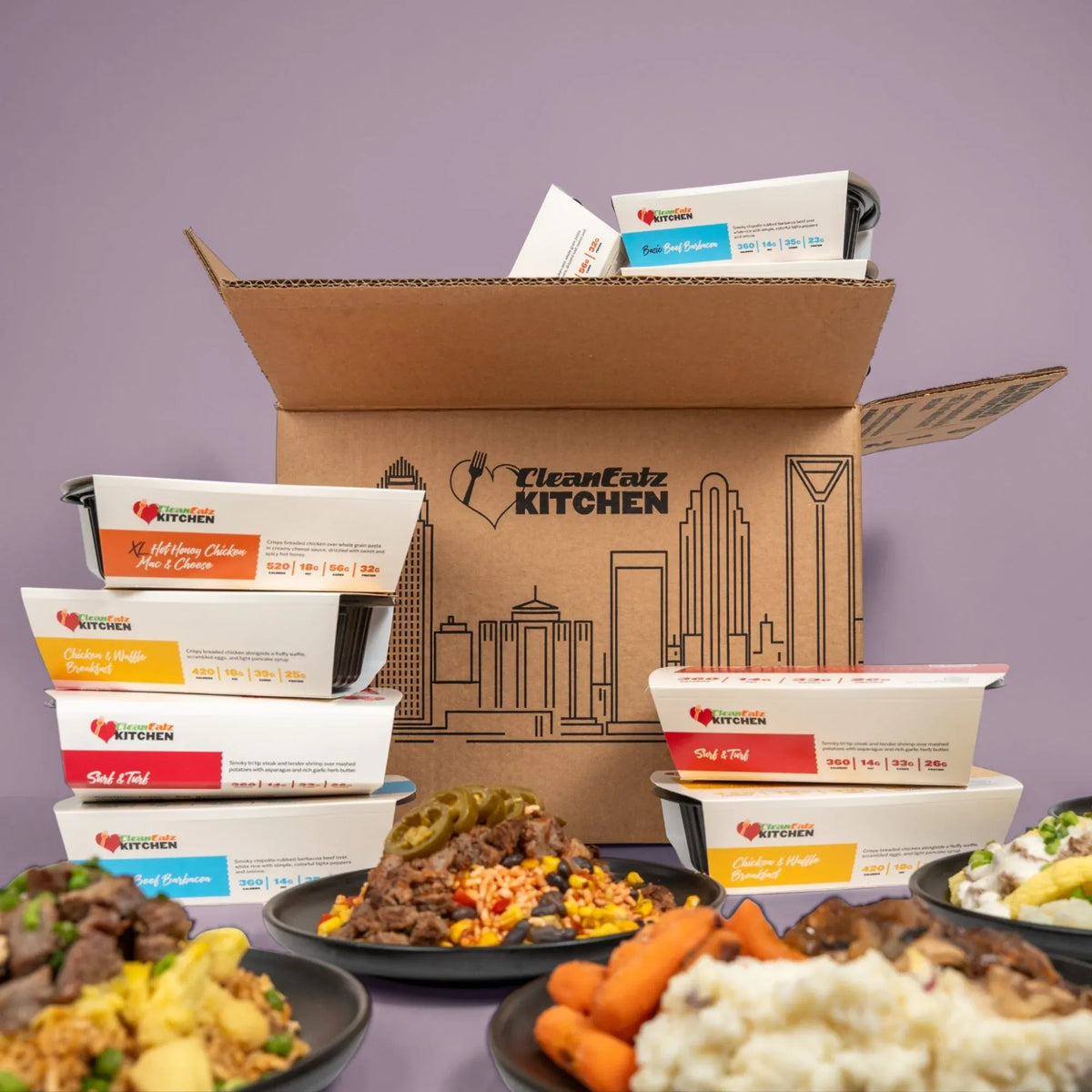
If building four fiber-rich meals from scratch every week isn't realistic, prepared meals can carry part of the load. Every meal on our High Fiber Meal Plan has at least 5 grams of fiber, built from vegetables, legumes and whole grains plus protein, from $94.95 for 10 meals. If you're still deciding whether prepared meals make sense for a fiber goal, our comparison of the best high-fiber meal delivery services walks through what separates the options.
High-fiber foods bottom line
Small swaps close the gap
Closing the gap between 16 grams and your target doesn't take an overhaul. Add beans or lentils to a few meals a week, swap white rice for bulgur or barley, eat fruit instead of drinking it and keep chia handy for breakfast. Those changes alone move most people from below average to at or near the recommendation within a month.
If meal planning isn't where you want to spend your time this week, our High Fiber Meal Plan covers the same ground in chef-cooked form, every meal built around the kinds of whole foods on this list.
The dietitian's take
Pick two foods from the top of the table and eat them every day this week: chia or raspberries at breakfast and half a cup of beans at lunch. That's about 17 grams before dinner. Increase slowly and drink extra water while your gut adjusts.
What food has the highest fiber content per serving?
Chia seeds lead at about 9.8 grams per ounce. Navy beans follow at 9.6 grams per half cup cooked, then a medium avocado at about 9.2 grams and a cup of baked acorn squash at 9 grams, per USDA FoodData Central. Green peas, bulgur, split peas and raspberries all land at about 8 to 9 grams.
How do I get 30 grams of fiber a day?
Spread it across meals. Oatmeal with chia and raspberries at breakfast, a salad with black beans and whole wheat bread at lunch, an apple as a snack and dinner with broccoli and quinoa add up to about 35 grams, without any single meal feeling heavy. Increase gradually and drink more water.
Are bananas high in fiber?
Bananas are moderate. A medium banana has about 3.1 grams of fiber, which is fine but not high. Raspberries have 8 grams per cup, a medium pear with the skin has 5.5 grams, and a medium avocado has about 9 grams, so they do far more per serving.
Is rice a high-fiber food?
White rice isn't, at about half a gram per cooked cup. Brown rice is better at about 3.2 grams. Bulgur (8.2 grams), barley (6 grams), quinoa (5.2 grams) and whole wheat pasta (4.6 grams) all beat brown rice per cooked cup if fiber is your goal.
What vegetables have the most fiber?
Baked acorn squash (9 grams per cup) and cooked green peas (8.8 grams per cup) lead, followed by a medium artichoke at 6.8 grams. Broccoli, Brussels sprouts, sweet potatoes and carrots are solid mid-range choices at about 3.5 to 5 grams per serving.