

The fastest safe way to lose weight is a short, structured reset: a modest calorie deficit (skip sugary drinks, portion your meals), 25 to 35 grams of protein per meal, more fiber, a walk most days, two strength sessions a week and 7 or more hours of sleep. Aim for 1 to 2 pounds a week. In 14 days, expect momentum, not a makeover.
When people search for how to lose weight quickly, they're usually hoping for a shortcut, something that makes fat disappear in days. The reality is less exciting and more useful: the fastest results that stick come from consistent, moderate changes you can keep doing.
This plan gives you two weeks of structure to start them. It isn't about suffering through fourteen days. It's about building the habits that keep working in month two and month six.
Below: what fast but safe actually means, the 14-day plan day by day, the food rules and movement behind it, what the scale will and won't show, and how our meals can carry the busy days.
What fast but safe weight loss means
1 to 2 pounds a week
The CDC notes that people who lose weight at a gradual, steady pace, about 1 to 2 pounds a week, are more likely to keep it off than people who lose it faster. Lose much faster and more of what comes off early tends to be water rather than fat, and the pace is harder to keep up, which raises the odds of regain.
Where does 1 to 2 pounds come from? The NHLBI's practical guide says cutting 500 to 1,000 calories a day produces about 1 to 2 pounds of loss a week. That's a deficit you can create through food and movement without your body pushing back with intense hunger, fatigue or poor recovery.
Shortcuts to avoid. Detoxes, laxatives and very-low-calorie diets under 800 calories a day aren't the way. The NHLBI guide found diets that low no more effective than ordinary low-calorie diets and says they shouldn't be used routinely, and the 2013 obesity guideline from the American Heart Association, American College of Cardiology and The Obesity Society limits them to medical settings with monitoring.
Behaviors that scale. Protein at each meal helps with fullness and protects muscle while you lose. A review of higher-protein diets found greater weight loss, more fat lost and more lean mass kept on higher-protein calorie-restricted diets than on lower-protein ones. Non-starchy vegetables add volume for few calories. Cutting sugary drinks can remove hundreds of calories without making you hungrier.
For which foods support weight loss and why, see our Complete Guide to the Best Foods for Weight Loss.
Your 14-day weight loss jumpstart
Two weeks, day by day
This plan is structure, not a trick. The goal is to set up the habits that lead to steady fat loss. Keep meals simple, repeat what works, and use the same shopping list both weeks so you're not deciding from scratch every day.
Days 1 to 2: Set up your kitchen
Clear the drinks, stock the protein
- Clear sugary drinks out of your home.
- Stock lean proteins (chicken, fish, eggs, Greek yogurt), high-fiber carbs (oats, brown rice, sweet potatoes), plenty of vegetables, and fruit for snacks.
- Take a 30 to 40 minute brisk walk both days to start the movement habit.
Days 3 to 4: Lock in the plate
Protein, vegetables, smart carb
- Every meal gets 25 to 35 grams of protein, a big serving of vegetables and a smart carb such as potato, brown rice or a whole-grain wrap.
- Add one planned snack of about 200 calories if you need it, instead of grazing through the day.
Day 5: First strength session
30 to 40 minutes, full body
- Do 30 to 40 minutes of resistance training: push, pull, legs and core.
- Keep your steps above 8,000.
- Strength training helps you keep muscle while you lose weight. There's more on this in our Complete Exercise Guide for Weight Loss.
Day 6: Walk longer
45 to 60 easy minutes
- Walk steadily or cycle easily for 45 to 60 minutes.
- Add some light stretching.
- This isn't about burning the most calories. It's about recovery and making daily movement normal.
Day 7: Review & prep for week two
Set up the next seven days
- Prep food for the coming week.
- Measure portions of calorie-dense foods like oils, nuts and spreads. They're healthy but easy to overdo.
- Make tonight a 7 to 9 hour night of sleep.
Day 8: Second strength session
Lift, then load the plate
- Do your second full-body resistance session of the week.
- Add extra vegetables at lunch. The fiber helps you stay full through the afternoon.
Days 9 to 10: Hit protein at every meal
Watch the hunger settle
- Hit your protein target at every meal.
- Swap dessert for fruit or Greek yogurt.
- Notice how much easier hunger is to manage when protein is consistent.
Day 11: Light intervals
1 minute faster, 2 minutes easy
- Do 20 to 25 minutes of intervals: 1 minute at a faster effort, 2 minutes easy, repeated 6 to 8 times.
- Finish with an easy 10 minute cool-down walk.
- Intervals build cardiovascular fitness without hours of cardio.
Day 12: Steps & reset
9,000 to 12,000 steps
- Aim for 9,000 to 12,000 steps.
- Stay well hydrated.
- If late meals keep you snacking or awake, try eating dinner a little earlier tonight.
Days 13 to 14: Repeat your best day
Do it again
- Pick the meal combination from the past two weeks that kept you full, energized and satisfied, and repeat it.
- Do one more strength session or a longer walk on one of these days.
Food rules for fast, safe weight loss
Six habits that cut calories quietly
Steady weight loss doesn't need elaborate meal plans or a list of forbidden foods. It needs a few consistent habits that reduce calories while keeping you satisfied. These are the ones that matter most:
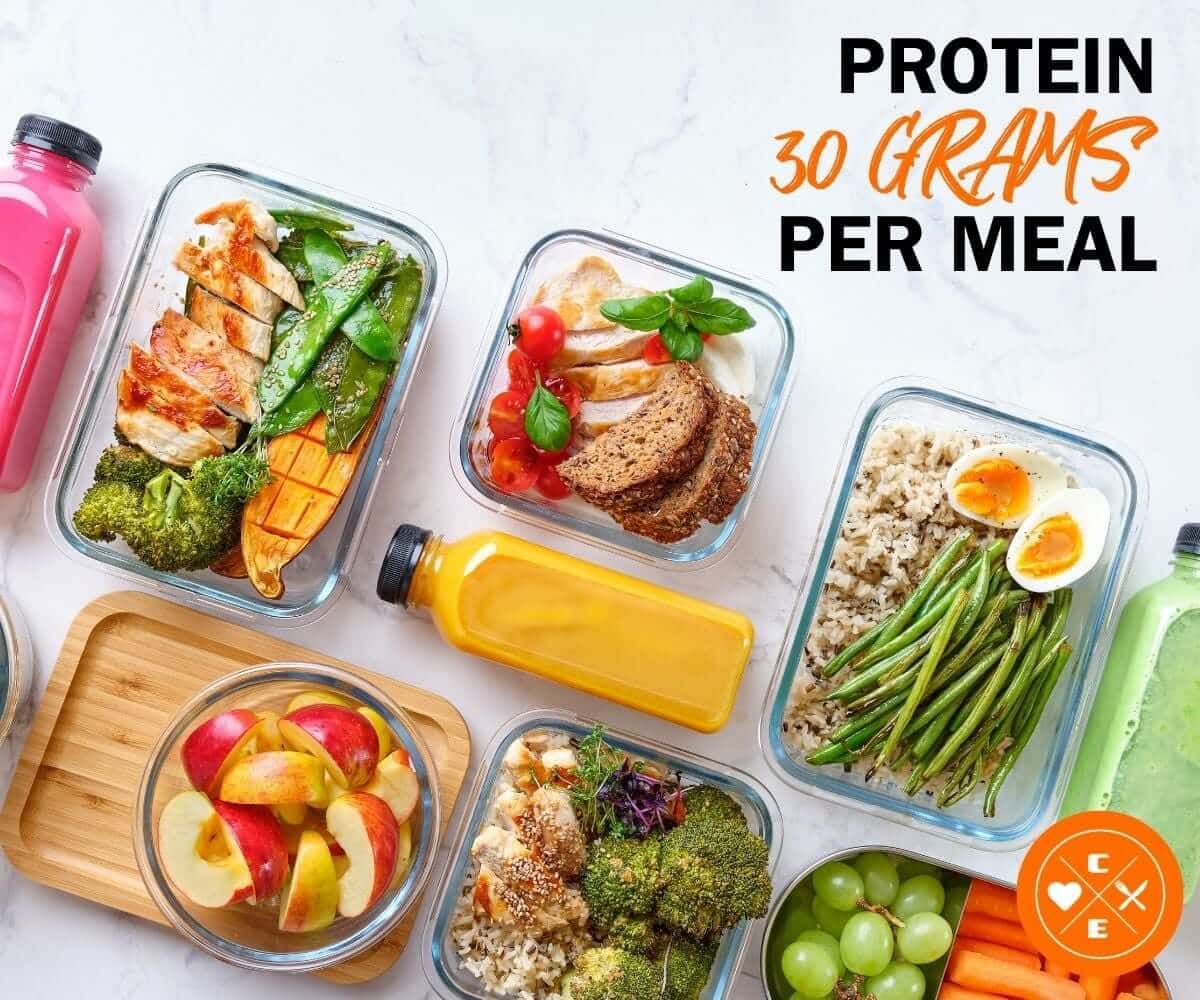
- Protein at each meal, 25 to 35 grams. Protein is filling and helps you keep lean mass while eating less. Chicken breast, fish, eggs, lean beef, tofu, tempeh, Greek yogurt, cottage cheese and legumes all count. Research supports higher-protein eating for both weight loss and keeping it off.
- Fiber every day, 25 to 38 grams. Fiber slows digestion, feeds helpful gut bacteria and fills you up for few calories. Get it from vegetables, beans, fruit and whole grains. American adults average only about 15 grams a day by one USDA estimate and 16 grams by another, well below the 25 grams recommended for women and 38 for men. Our Ultimate Guide to Dietary Fiber explains why it matters.
- Smart carbs in measured portions. Carbs aren't the enemy, but portions matter. Choose high-fiber options like oats, quinoa, brown rice, sweet potatoes and whole-grain bread. A roughly fist-sized cooked serving is a good starting point. Adjust it for your activity and hunger.
- No liquid calories. Soda, juice, sweetened coffee drinks and alcohol add calories without much fullness. Switching to water, unsweetened tea and black coffee is one of the biggest changes you can make for the least effort.
- Meals, not grazing. Two or three set meals plus zero to two planned snacks works better for most people than constant snacking. It makes calories easier to keep track of and cuts down on mindless eating.
- Sleep 7 or more hours. Sleep affects appetite, food choices and recovery. Treat it as part of the plan, not a luxury.
Best workouts to lose weight fast: Walking & strength
Walk daily, lift twice a week
Exercise isn't strictly required to lose weight, since you can create a deficit through food alone, but it usually improves results and how you feel along the way. The Physical Activity Guidelines for Americans advise adults to get at least 150 minutes a week of moderate activity plus muscle-strengthening activity on 2 or more days. For active weight loss, some people do more, as long as they don't burn out.
Why strength training matters most. When you lose weight, you lose a mix of fat and lean tissue. Strength training helps you keep muscle, so more of what you lose is fat, and holding on to muscle helps keep your resting calorie burn from dropping as much.
Cardio supports the deficit. Walking, cycling, swimming and other aerobic activities burn extra calories and improve fitness. For a quick-start feel, aim for 8,000 to 12,000 steps on non-training days and one short interval session a week. But you can't out-exercise a poor diet. Food choices usually drive the biggest changes.
Daily movement adds up. Beyond workouts, everyday activity like walking to the store, taking the stairs and standing while you work can meaningfully raise the calories you burn.
What real-world weight loss results look like
Momentum, not a makeover
Knowing what to expect helps you stay consistent when the scale doesn't cooperate.
The two-week picture. Early changes are a mix of new routines, water shifts and less food in your gut, plus some fat loss if you've been consistent. The scale might move a few pounds. Don't assume it's all fat. That's normal.
Months 1 to 3. This is where consistency compounds. At 1 to 2 pounds a week, three months (about 13 weeks) adds up to roughly 13 to 26 pounds, and the habits start to run on their own. Quick fixes fade. Routines stick.
Plateaus. Weight loss isn't a straight line. You can do everything right and see the scale sit still for a week, because water, hormones and digestion all move the number. Watch the trend over weeks, not day to day.
What to eat from Clean Eatz Kitchen
Meals for the busy days
The hardest part of weight loss isn't knowing what to do. It's doing it on day nine, when work runs late and the prep containers are empty. That's an execution problem, and prepared meals solve that one.
- Build A Meal Plan. Choose your own meals, one by one, with set portions and the macros listed. You can filter by protein, 20 to 30 grams, 31 to 40 grams, or 41 grams and up, which makes the 25 to 35 gram target easy to hit without measuring.
- Weight Loss Meal Plan. Calorie-controlled, portion-controlled meals chosen for you, from $89.95 for 10. Across our current menu, the median meal is 410 calories with 31.5 grams of protein.
- Protein PB&J. A ready-to-eat snack for long gaps between meals: 250 calories and 11 to 12 grams of protein, $2.99 each. It keeps you from arriving at dinner starving.
Every meal's numbers are on our Nutrition Info page. The meals are flash-frozen, heat in a few minutes, and there's no subscription. For prep strategies that work whether you cook or not, see our Complete Meal Prep Guide.
Losing weight quickly FAQ
Quick answers
What's the fastest healthy way to lose weight?
A modest calorie deficit you can repeat daily: 25 to 35 grams of protein per meal, high-fiber foods, no sugary drinks, 8,000 or more steps a day, two strength sessions a week and 7 or more hours of sleep. That lines up with the CDC's guidance of about 1 to 2 pounds a week.
How much weight can I lose in 2 weeks?
It depends on your starting size and how closely you follow the plan. At a steady 1 to 2 pounds a week, that's 2 to 4 pounds of real loss. The scale may show more, because some early change is water and less food in your gut. Build the habits rather than chasing a number.
Are meal-replacement shakes OK for weight loss?
They can help with portion control in the short term. Choose shakes with about 20 grams of protein and little added sugar, and keep whole-food meals in your day. They work best replacing one meal, not your whole diet, since whole foods bring fiber and nutrients that keep you fuller.
Do I need cardio or weights to lose weight?
Both help, for different reasons. Cardio adds to your calorie deficit. Strength training keeps muscle, so more of what you lose is fat. The Physical Activity Guidelines for Americans recommend at least 150 minutes of moderate activity a week plus muscle strengthening on 2 or more days.
Should I try a detox or very-low-calorie diet?
No, unless your clinician prescribes and supervises it for a specific medical reason. The NHLBI guide found diets under 800 calories a day no more effective than ordinary low-calorie diets and says they shouldn't be used routinely. Detox products and laxatives remove water, not fat.
The bottom line on losing weight quickly
Fast enough to last
Losing weight quickly and safely means about 1 to 2 pounds a week, built on protein at every meal, more fiber, no liquid calories, daily walking, two strength sessions and enough sleep. The 14-day plan gets those habits running. The months after are where they pay off.
Expect momentum in two weeks, not a transformation. Keep the trend going, adjust when the scale stalls, and lean on simple meals for the days that get away from you.
More weight loss plans & guides
Keep reading


Sources
- Centers for Disease Control and Prevention: Losing weight
- Leidy HJ et al. The role of protein in weight loss and maintenance. Am J Clin Nutr 2015 (PubMed)
- U.S. Department of Health and Human Services: Physical Activity Guidelines for Americans, 2nd edition (2018)
- NHLBI Obesity Education Initiative: The practical guide to the identification, evaluation, and treatment of overweight and obesity in adults
- Jensen MD et al. 2013 AHA/ACC/TOS guideline for the management of overweight and obesity in adults. Circulation 2014 (PMC)
- USDA Economic Research Service, Chart of Note: Home foods have highest fiber density in U.S. adults' diets
- USDA Agricultural Research Service, Dietary Data Brief: Fiber intake of the U.S. population