
How to Track Macros Without Weighing Every Bite
How to Track Macros Without Weighing Every Bite
You don't need a scale to count macros, just labels, your hand and a quick weekly review. Here's a simple five-step system, plus the honest limits of estimating.
- Free Shipping on Every Meal PlanFree Shipping
- Up to 20% Off 30-Meal PlansUp to 20% Off
- Chef Cooked, Dietitian BuiltDietitian Built
- Heat & Eat in MinutesHeat & Eat
What you need to track macros
Four tools, no scale required
- A food logA tracking app or a plain notebook. The app does the math for you, and the notebook builds the habit. Either one works.
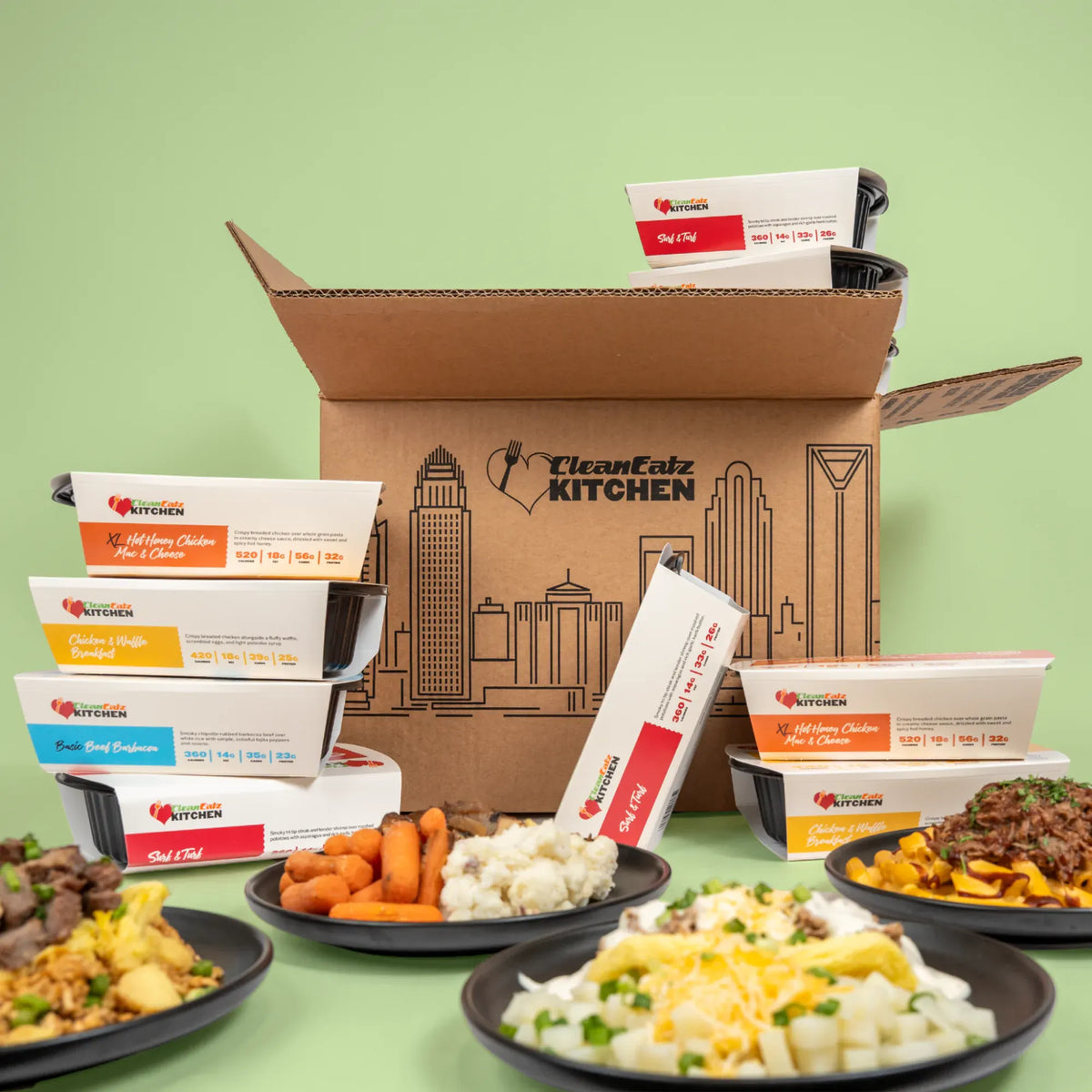
- Nutrition labelsPackaged foods and prepared meals come with the macros already counted. They'll be your most accurate entries.
- Your handPalm, fist, cupped hand, thumb. It's a portable portion guide for anything that doesn't come with a label.
- Your macro targetsThree numbers: grams of protein, carbs and fat for the day. Set them once, before you log a single meal.
- Ten minutes a weekOne short look back at the week's food journal. That review is where the real adjustments happen.
How to track macros step by step
Five steps, about five minutes a day
Step 1: Set your daily macro targets once
Pick your numbers once
Step 2: Log meals with known nutrition labels first
Start with the easy wins
Step 3: Use your hand for portion estimates
Palm, fist, cupped hand, thumb
| Hand measure | About | Use it for |
|---|---|---|
| Open palm | 3 oz | Cooked beef, poultry, pork, fish |
| Clenched fist | 1 cup | Cereal, fresh fruit, salad, casseroles |
| Cupped hand | 1/2 cup | Cooked grains, rice, pasta, beans, cooked vegetables |
| Thumb | 1 to 2 tbsp | Salad dressing, peanut butter, hard cheese |
| Fingertip | 1 tsp | Butter, mayonnaise, sauces |
Hand portion guide, based on the Mississippi State University Extension chart.
Step 4: Save repeat meals as food log templates
Log it once, reuse it forever
Step 5: Review your food journal each week
Look for patterns, not perfection
Easiest ways to track macros when eating out
Order smart, estimate once
Common macro tracking mistakes
What throws the numbers off
Macro tracking FAQ
Quick answers
Do You Need a Food Scale to Count Macros?
No. A scale makes tracking more precise, not more effective. Labeled foods and prepared meals give you exact numbers, and hand portions cover the rest within a reasonable margin. A scale helps most for calorie-dense foods like nuts, oils, cheese and nut butter, where a small miss adds up. Use one there if you own one, and skip it everywhere else.
What Is the Easiest Way to Track Macros?
So how do you track macros with the least effort? Build most meals around foods with known numbers, save your repeat meals in your app, and estimate the rest with your hand. Log before you eat, and review once a week. That routine takes about five minutes a day once the saved meals are in place, and it holds up on busy weeks.
How Accurate Does Macro Tracking Need to Be?
Close, not exact. Under FDA labeling rules, a packaged food can contain up to 20 percent more calories, fat or sugar than the label states and still comply, and protein, carbs and fiber only have to reach 80 percent of the printed value. With that much slack built into labels, landing within 10 to 15 percent of your targets most days is plenty for most goals.
How Many Calories Are in a Gram of Protein, Carbs & Fat?
Protein and carbohydrates each provide about 4 calories per gram, and fat provides about 9. That's why a thumb of peanut butter (96 calories) costs two-thirds as much as a palm of chicken breast (140). Multiply each macro target by its number and add them up to check that your grams and your calorie goal agree.
More Macro & Protein Guides
Keep reading
 Nutrition
Beginner's Guide to Macros: Balance Protein, Carbs & Fats
Crystal Zabka-Belsky MS, RDN, CSSD, LMNT, LDN · Oct 5, 2026 Nutrition
Is Protein Good for Weight Loss? Advice & Facts
Tina Sassine, RD, MPH · Oct 9, 2026 Nutrition