
Kombucha for weight loss
Is kombucha good for weight loss? Sugar, benefits, & smart swaps
Only when it replaces something sweeter. It's a swap, not a fat burner. How much sugar a bottle really carries, what the trials found and who should be careful with it.
- Free Shipping on Every Meal PlanFree Shipping
- Up to 20% Off 30-Meal PlansUp to 20% Off
- Chef Cooked, Dietitian BuiltDietitian Built
- Heat & Eat in MinutesHeat & Eat


Kombucha & weight loss evidence
Is kombucha good for weight loss?
Quick answer
It can help indirectly, if a low-sugar bottle replaces soda or juice. It isn't a fat burner, and no drink is. Swapping a 155-calorie soda for a 40-calorie kombucha saves 115 calories. Adding it on top saves nothing.
Kombucha won't melt fat, boost your metabolism in any meaningful way or replace the fundamentals of weight loss. What it can do is serve as a satisfying, lower-calorie alternative when you're craving something more interesting than water.
The fermentation creates a tangy, slightly effervescent drink that contains probiotics and feels more like a treat than plain seltzer. For some people, that's enough to replace afternoon sodas or the sugary coffee drinks that quietly add 200 to 400 calories to their day. That swap matters. But the kombucha itself isn't doing anything special. The calorie reduction is what creates results.
The probiotic claims are largely overstated for weight loss. Fermented foods can support gut diversity, but the strains and doses in commercial kombucha vary widely, and a 2023 review concluded that most of the health benefits claimed for it haven't been proven in people.
Human trials are only starting to arrive. In a 10-week trial of 59 adults with excess body weight, everyone ate 500 fewer calories a day and one group added about 7 ounces of green tea kombucha daily. The kombucha group improved on several heart markers compared with where they started, but across the whole sample the two groups didn't differ on any marker. It's one small trial, and it suggests the diet did most of the work.
If you enjoy kombucha, great. Just don't expect it to carry a weight loss plan. That comes from your overall diet, particularly your food choices and calorie balance.
Kombucha sugar content & calories
How much sugar is in a bottle of kombucha?
Quick answer
Many 16-ounce bottles carry 10 to 20g, depending on the brand and flavor. Look for 6g or less per 8 ounces, or 12g for the bottle. A 16g bottle adds about 64 calories, or nearly 450 a week if you drink one daily.
Sugar is where kombucha can backfire. Fermentation starts with sweetened tea, and while the SCOBY (the starter culture that ferments the tea) consumes some of that sugar, some stays in the final product, and more may be added to finish it.
A typical 16-ounce bottle can contain anywhere from about 8g to 24g of sugar depending on the brand and flavor. One common bottle, Health-Ade Ginger Lemon, lists 70 calories and 15g of sugar on its retail panel, 14g of it added. For context, a scientific statement from the American Heart Association puts a prudent upper limit at 100 calories a day from added sugars for most women and 150 for most men, or about 25g and 37g. The American Heart Association has more on added sugars. One bottle of the sweeter varieties can eat up most of that allowance.
The arithmetic is simple: every 4 grams of sugar equals 16 calories. A 16-ounce bottle with 16g of sugar adds about 64 calories, which isn't a disaster as a one-time thing. Drink one daily because it seems like a health drink and that's nearly 450 extra calories a week, or about 1,900 a month. That won't stall weight loss by itself. It's about half a pound of fat a month you didn't need to fight.
How to drink kombucha for weight loss
How do you drink kombucha without adding calories?
Quick answer
Swap, don't stack. Let it replace a soda, not water, and pour 4 to 8 ounces instead of the full bottle. Cut 1:1 with seltzer and a squeeze of lime, you get a mocktail for about 20 calories.
If you want kombucha in a weight loss plan, treat it strategically rather than reflexively. Swapping a daily 155-calorie 12-ounce cola for a 40-calorie low-sugar kombucha saves 115 calories, or about 800 a week. That's meaningful. Swapping water for kombucha adds calories you weren't consuming before. That's moving in the wrong direction.
Portion control helps too. You don't need a full 16-ounce bottle, because 4 to 8 ounces is plenty to get the flavor and fizz. Try diluting kombucha 1:1 with plain seltzer water. You get the taste with half the sugar and calories, plus more volume to sip on. Add a squeeze of lime and you've got something that feels like a mocktail for about 20 calories.
Timing can work in your favor as well. Some people find that having something tangy and carbonated 10 to 20 minutes before a meal helps them eat more slowly and feel satisfied with less food, and the ritual of sipping something special can replace mindless snacking. We don't have a trial to back that up, so treat it as something to try rather than a rule. Pair it with a protein-forward snack if you need something more substantial.
Most importantly, don't let kombucha distract from what actually drives results. Set your calorie target with a calorie calculator, get your protein number from a protein calculator and build meals around whole foods. Drinks, kombucha included, are supporting players.
Kombucha safety & side effects
Who should be careful with kombucha?
Quick answer
Anyone pregnant, breastfeeding, immunocompromised or managing a gastrointestinal condition should check with their doctor first. If you avoid alcohol, know that standard kombucha contains trace amounts, and hard kombucha is a real alcoholic drink at 4 to 7% ABV.
Kombucha isn't for everyone. If you're pregnant or breastfeeding, many clinicians advise avoiding unpasteurized fermented beverages because of contamination risk, so check with your provider before including them. People who are immunocompromised or managing gastrointestinal conditions should also talk with their doctor first. Serious problems look rare, but they aren't imaginary: the CDC investigated two severe illnesses, one fatal, in Iowa in 1995 among women drinking home-fermented kombucha daily. The report couldn't establish the tea as the cause, and no other cases turned up among more than 100 other people using the same culture.
If you're avoiding alcohol for any reason, know that standard kombucha contains less than 0.5% ABV. That's a trace amount, but not zero. Hard kombucha varieties are fully alcoholic at 4 to 7% ABV and should be treated like beer or wine, not a health drink.
The acidity can also cause issues. In a lab test of seven commercial kombuchas, pH ran from 2.82 to 3.66, a little less acidic than cola on paper, yet they dissolved more calcium from tooth mineral than the cola did. That was a lab dish, not a mouth with saliva in it, but it's a reason not to sip one all day. Drink it with meals rather than between them, use a straw if you're concerned and rinse with plain water afterward.
Better drinks than kombucha for hydration
What should you drink most of the time instead?
Quick answer
Water, seltzer, unsweetened tea and black coffee. All of them add zero or nearly zero calories. Kombucha is fine as an occasional treat, but it shouldn't be your main source of hydration, and a daily bottle's sugar adds up.
Kombucha is fine as an occasional treat, but it shouldn't be your primary hydration strategy. For day-to-day drinking, stick with options that add zero or near-zero calories:
- Water. No calories, no sugar, no downsides. If plain water bores you, try cucumber, mint or citrus slices.
- Seltzer and sparkling water. The carbonation without the sugar or calories.
- Unsweetened tea and black coffee. Flavor and caffeine with essentially no calories.
- Electrolyte drinks. These can make sense on hot days or after intense workouts. Check the nutrition facts for options that won't blow your calorie budget.
Kombucha in a weight loss plan
What actually drives the results?
Quick answer
What's on your plate. A moderate calorie deficit, enough protein to protect muscle and consistency over time matter far more than any drink. Kombucha's value comes entirely from what it replaces, so count it toward your daily target.
Kombucha can fit into a weight loss plan, but it's not a weight loss tool. The value comes entirely from what it replaces. If you're swapping sugary drinks for low-sugar kombucha, that's a win. If you're adding it on top of your current intake because it seems healthy, you're just adding calories.
Choose bottles with 6g of sugar or less per 8 ounces, stick to 4 to 8 ounce portions, and don't let the probiotic marketing convince you it's doing more than it is. Real results come from the boring fundamentals.
Meals built around lean protein, fiber-rich vegetables and controlled portions matter far more than any drink choice. If the hard part is making those meals every day, that's a workload problem rather than a knowledge problem. Our Weight Loss Meal Plan or Build A Meal Plan can handle the calories and protein so you can focus on staying consistent.
 Make it easy withWeight Loss Meal PlanFrom $89.95View plan
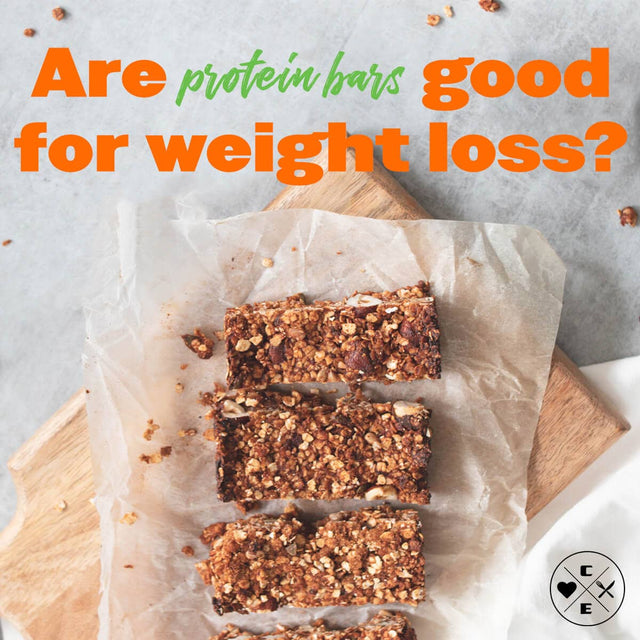
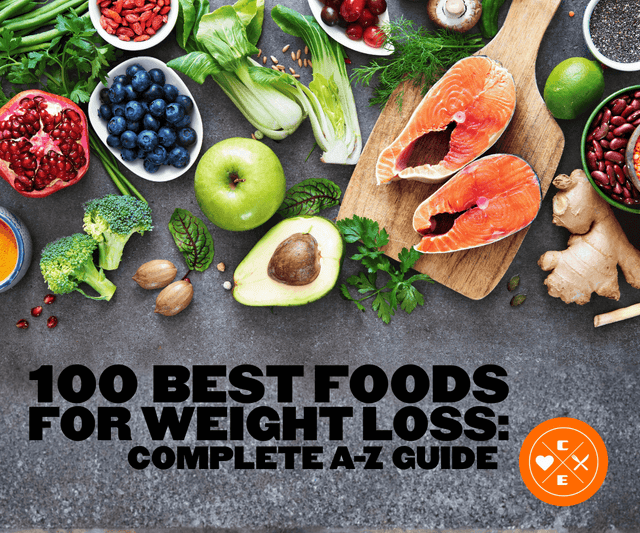
For more on foods that support weight loss, see our complete guide to the best foods for weight loss. You might also like are protein bars good for weight loss?
This article is for informational purposes and isn't medical advice. If you're pregnant, immunocompromised, managing a medical condition or taking medications, talk with your healthcare provider before making dietary changes.
Kombucha & weight loss FAQ
Kombucha, answered
Is kombucha good for weight loss?
It can help indirectly if it replaces higher-calorie drinks like soda, juice or sweetened coffee. However, it doesn't burn fat on its own. Results come from a calorie deficit and adequate protein. Choose low-sugar bottles, with 6g or less per 8 ounces, and count the calories toward your daily target.
How much kombucha is okay per day?
Start with 4 to 8 ounces a day. Some people tolerate a full 16-ounce bottle without issues, but keep total sugar under 12g and count those calories. The carbonation and acidity can cause bloating or stomach upset if you drink too much too fast, especially on an empty stomach.
Does kombucha flatten belly fat?
No. No specific food or drink targets belly fat. You lose fat from your midsection the same way you lose it anywhere else, through overall body fat reduction from a sustained calorie deficit combined with adequate protein and regular activity. Kombucha doesn't change where that fat comes from.
Is kombucha keto-friendly?
Only if you choose very low-sugar varieties and keep portions small. Many commercial bottles contain 10 to 20g of sugar, which won't fit into keto macros. Look for brands with 2 to 4g of sugar per serving if you're staying between 20 and 50g of carbs daily.
Is hard kombucha good for weight loss?
No more than other alcohol. It's typically 4 to 7% ABV and usually higher in calories than regular kombucha. In a small study of eight men, 24g of alcohol cut whole-body fat oxidation by 73% in the hours afterward. Treat it like any alcoholic drink: an occasional choice, not a health drink.
More weight loss nutrition guides
Keep reading
 Ellie Lopez, LDN, MS · Apr 4, 2023
 Romaine Rusnak, RD, LDN · Oct 16, 2025
 Staci Gulbin, MS, MEd, RD · Jul 2, 2026
Sources
On this page