
Mediterranean diet for weight loss
Mediterranean diet for weight loss: Does it work?
Yes, and it beats low-fat diets in long trials. It doesn't beat everything. What the Mediterranean diet is, what the weight loss trials found, why it keeps you full and how to start this week.
- Free Shipping on Every Meal PlanFree Shipping
- Up to 20% Off 30-Meal PlansUp to 20% Off
- Chef Cooked, Dietitian BuiltDietitian Built
- Heat & Eat in MinutesHeat & Eat


Yes. In a 2-year trial of 322 adults, the Mediterranean diet lost 4.4 kg (about 10 pounds) versus 2.9 kg on low-fat, and a review of five long trials found it beats low-fat diets and ties other diets. It is not the fastest way to lose weight. It may be the healthiest, because it also lowers heart disease, diabetes and death rates.
Is the Mediterranean diet the healthiest way to lose weight? It has a strong claim. Rooted in the traditional eating patterns of Greece, Italy and Spain, it builds meals around plants, olive oil and moderate amounts of fish and poultry. It is best known for protecting against chronic disease. The question here is whether it also takes weight off.
The evidence says yes, by about as much as other well-run diets, and more than low-fat ones. Where it pulls ahead is everything else it does for your body and how easy it is to keep eating this way. Here is why it works and how to make it work for you.
What is the Mediterranean diet
A pattern, not a rulebook
The Mediterranean diet isn't a diet in the way most people think of one. There's no calorie counting, no banned food group and no complicated meal plan. It is a pattern of eating that puts whole, minimally processed foods first, the kind of meals families around the Mediterranean have eaten for generations.
At its core, meals are built around vegetables, fruits, whole grains, legumes, nuts and seeds. Olive oil is the main fat, in place of butter and other less healthy options. Fish and poultry show up regularly, red meat only occasionally. Processed foods, sugary drinks and refined grains are kept to a minimum.
What makes it work for weight loss is nutrient density. You are eating foods rich in fiber and healthy fats, the nutrients that keep you full and satisfied without piling on calories. That is the key principle behind any successful weight loss eating plan: choose foods that nourish your body while keeping hunger in check.
- Eat often: vegetables, fruit, whole grains, beans and lentils, nuts, seeds, herbs and spices, extra virgin olive oil.
- Eat a few times a week: fish and seafood, poultry, eggs, cheese and yogurt.
- Eat rarely: red and processed meat, sweets, refined grains and sugary drinks.
Mediterranean diet health benefits
The benefits go well beyond the scale
The Mediterranean diet has earned its reputation, and the research behind it is large. An umbrella review of 29 meta-analyses, covering more than 12.8 million people, found robust evidence that closer adherence is linked to lower overall mortality, heart disease, heart attacks, overall cancer incidence, neurodegenerative diseases such as dementia, and diabetes.
The strongest single trial is PREDIMED, which followed 7,447 Spanish adults at high cardiovascular risk for a median of 4.8 years. Compared with a low-fat control diet, a Mediterranean diet with extra virgin olive oil lowered the risk of heart attack, stroke or cardiovascular death by about 31%, and one with added nuts by about 28%. The combination of olive oil, omega-3 fats from fish and fiber from plants is the likely reason.
Type 2 diabetes risk drops too. The diet's fiber-rich foods and low intake of refined carbohydrates help keep blood sugar steady, which matters for preventing diabetes and for managing weight. When your blood sugar stays steady, you get fewer of the cravings and energy crashes that lead to overeating.
Studies also link the pattern to better memory and less cognitive decline with age. And the result that matters most: people who eat this way tend to live longer.
These benefits help with weight loss too. When you feel better, have more energy and aren't fighting a chronic health problem, staying active and making good choices gets easier. For a deeper look at one of the main mechanisms, our guide to dietary fiber explains why fiber does so much of the work.
Why the Mediterranean diet works for weight loss
Fuller on fewer calories
The Mediterranean diet helps you lose weight through several connected mechanisms, and none of them depend on deprivation or willpower.
High fiber keeps you fuller longer
Vegetables, whole grains, legumes and fruits are all rich in fiber, which slows digestion and helps signal fullness. When you are satisfied after a meal, you are less likely to snack mindlessly or overeat at the next one. In the 2-year DIRECT trial, the Mediterranean group ate the most fiber of the three diets tested, which fits with how full people stayed.
Healthy fats promote satisfaction
Fat often gets blamed for weight gain, but the story is more nuanced. The monounsaturated fats in olive oil, avocados and nuts make meals more satisfying, and a little fat in a meal slows how fast it empties from your stomach. Many people find they are content with smaller portions than they were on a low-fat diet.
The catch is calories. Fat carries 9 calories per gram, so a tablespoon of olive oil (about 13.5 grams) comes to about 120 calories. Harvard's Nutrition Source warns that because the diet doesn't set portion sizes, it is easy to overdo the oil and nuts and gain weight. Measure the oil for a few weeks until you can eyeball it.
Measure the oil for a few weeks until you can eyeball it.
Romaine Rusnak, RD, LDN
Protein supports metabolism
With regular fish and poultry, plus plant protein from legumes and nuts, the Mediterranean diet gives you enough protein to hold on to muscle. That matters because muscle burns more calories than fat tissue, even at rest. Keeping muscle while you lose weight helps keep your daily calorie burn from sliding.
Low calorie density without the math
Most Mediterranean staples, the vegetables, fruits and legumes, are high in volume and relatively low in calories. You can eat generous portions and still stay in a calorie deficit. That is the opposite of calorie-dense processed foods, where a satisfying amount blows the budget.
A cup of cooked lentils and a big plate of roasted vegetables fill you up for fewer calories than a handful of chips. Same appetite, more food, and fiber on top.
Mediterranean diet weight loss research
Beats low-fat, ties low-carb
The best test of any weight loss diet is a long trial where people actually follow it. The DIRECT trial did that. It randomly assigned 322 adults with obesity to a low-fat diet, a Mediterranean diet or a low-carbohydrate diet for two years, and 84.6% were still following their diet at the end.
| Diet | Weight lost | In pounds |
|---|---|---|
| Low-fat, calorie-restricted | 2.9 kg | About 6.4 lb |
| Mediterranean, calorie-restricted | 4.4 kg | About 9.7 lb |
| Low-carbohydrate, no calorie limit | 4.7 kg | About 10.4 lb |
Average weight loss over 2 years in the DIRECT trial (Shai 2008, 322 adults)
The Mediterranean group did not lose the most. It came within a third of a kilogram of low-carb and well ahead of low-fat. Among the 36 participants with diabetes, it had the best effect on fasting glucose and insulin of the three diets.
A systematic review of five trials lasting at least a year, with 998 people, reached the same verdict. The Mediterranean diet produced more weight loss than low-fat diets, and similar weight loss to low-carbohydrate and American Diabetes Association diets. So the honest answer is that it works about as well as other good diets for weight, and better than low-fat. Its edge is everything it does beyond the scale.
Practical tips for getting started
Five swaps get you most of the way
Switching to a Mediterranean pattern doesn't take a kitchen overhaul. A few swaps carry most of the benefit.
Make vegetables the star. Put them at the center of the plate rather than on the side. Fill half your plate with colorful vegetables at lunch and dinner and you are already most of the way there.
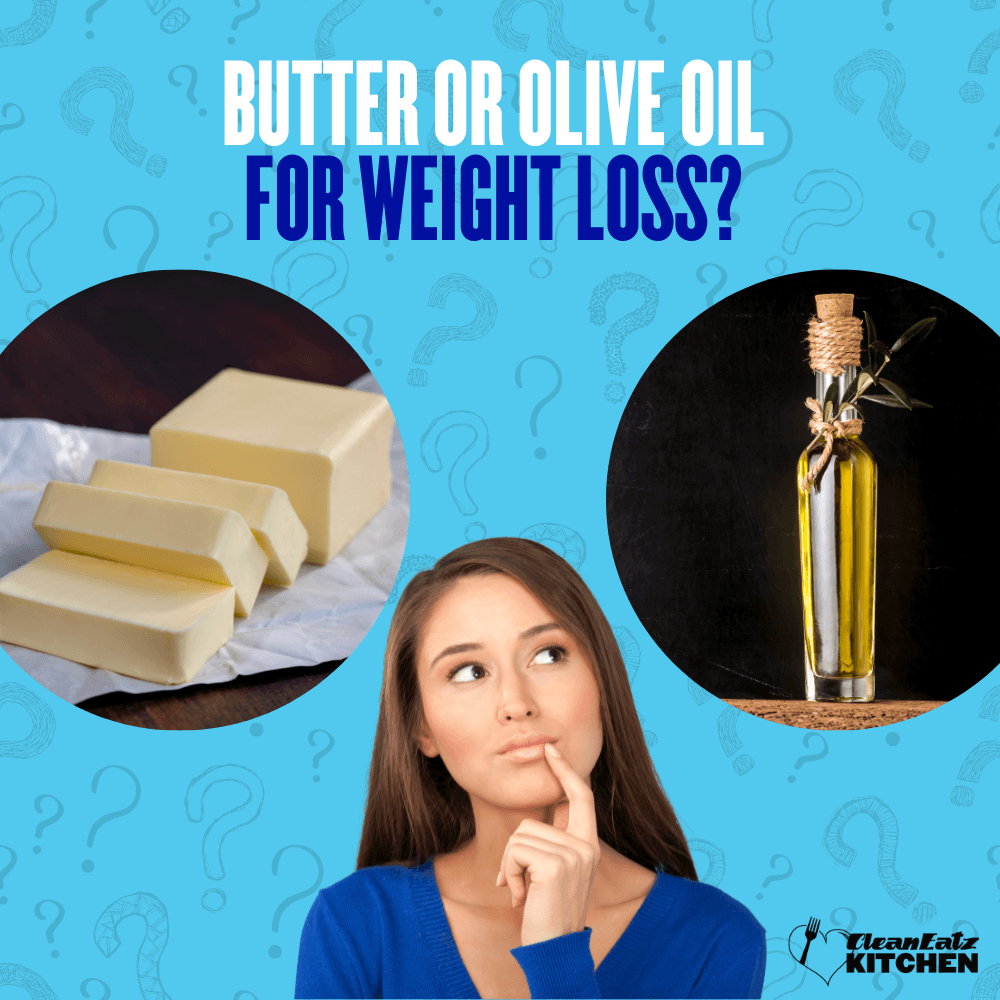
Swap your cooking fat. If you cook with butter, vegetable oil or margarine, switch to extra virgin olive oil. Use it for sautéing, roasting vegetables and salad dressings. The flavor can take a little getting used to, and most people come to prefer it within a few weeks.
Rethink your protein. Eat fish at least twice a week, which matches the American Heart Association's advice. Salmon, sardines and mackerel are especially rich in omega-3s. When you eat meat, choose chicken or turkey over beef and pork more often. Add legumes like chickpeas, lentils and white beans to soups, salads and main dishes.
Let herbs and spices carry the flavor. Mediterranean cooking leans on garlic, oregano, basil, rosemary and other aromatics rather than salt and heavy sauces. That one shift can cut a lot of sodium while making your food more interesting.
Eat like it is a lifestyle. In Mediterranean cultures, meals are social and eaten slowly with family and friends, and physical activity is part of daily life rather than a gym session. Those habits matter for lasting weight loss too.
Making Mediterranean eating convenient
Make the healthy choice the easy one
The biggest challenge with any healthy eating pattern is the time it takes to plan and cook. When life gets busy, convenience usually wins, and convenience usually means processed food that doesn't support your goals.
That is where meal prep earns its place. Having healthy, portion-controlled meals ready cuts out the end-of-day decisions that lead to poor choices. Whether you batch cook on weekends or use a service, the goal is the same: make the healthy choice the easy choice.
At Clean Eatz Kitchen, our meals are chef-cooked, portion-controlled and built by a registered dietitian, with lean proteins, vegetables and whole grains. Our Weight Loss Meal Plan starts at $89.95 for 10 meals, delivered frozen and ready to heat in a few minutes, so dinner doesn't depend on having an hour to cook.
If you are following the Mediterranean approach specifically, look for meals with grilled chicken or fish, roasted vegetables and whole-grain sides. Our Build Your Meal Plan option lets you pick each meal yourself, and the High Fiber Meal Plan has at least 5 grams of fiber in every meal from vegetables, legumes and whole grains. Every meal's nutrition is on our Nutrition Info page. Not every meal on our menu is Mediterranean, so read the list rather than assume.
If you prefer to cook at home most days, our Complete Meal Prep Guide covers the strategies that make healthy eating stick over the long run.
Mediterranean diet bottom line
The bottom line
The Mediterranean diet ranks among the healthiest eating patterns there is, and it works for weight loss. In long trials it beats low-fat diets and matches low-carbohydrate ones. It does that with foods that satisfy hunger, so you skip the misery of restrictive dieting. Add the benefits for heart health, diabetes and longevity, and it is hard to argue against trying it.
The key is consistency over perfection. You don't need to eat like you are on vacation in Santorini every day. Start with a few swaps, more vegetables, olive oil instead of butter, fish once or twice a week, and build from there. Small changes you keep add up to real results over time.
When cooking is what keeps slipping, our meal plan options give you portioned meals to fill the gaps. When the healthy choice is also the convenient one, it is much easier to stick with.

The dietitian's take
Pick the swap you'll actually keep. For most people that is olive oil for butter and fish twice a week. Then watch the portions: a heavy hand with oil and nuts is the most common reason people stall on this diet. A tablespoon of oil is about 120 calories, so measure it until your eye is calibrated.
Romaine Rusnak, RD, LDN · Registered Dietitian
 Make it easy withWeight Loss Meal PlanFrom $89.95View plan
Mediterranean diet FAQ
Quick answers
Can you lose weight on the Mediterranean diet?
Yes. Its fiber-rich vegetables, whole grains, lean proteins and healthy fats help you feel full on fewer calories. In the 2-year DIRECT trial, people on the Mediterranean diet lost about 4.4 kg (10 pounds), compared with 2.9 kg on a low-fat diet, and a review of five year-long trials found it beats low-fat diets and matches other diets.
What are some practical tips for following the Mediterranean diet for weight loss?
Build meals around vegetables, fruits, whole grains and legumes. Use olive oil as your main cooking fat, but measure it, since a tablespoon is about 120 calories. Choose fish and poultry over red meat, eat fish twice a week and flavor food with herbs and spices instead of salt. Make these foods the base of every meal, not an occasional add-on.
Is the Mediterranean diet suitable for long-term weight management?
Yes. In the 2-year DIRECT trial, 84.6% of participants across the three diets were still following their diet at the end, and the Mediterranean group kept its weight off through year two. It doesn't ban food groups, and the food is enjoyable, which is what makes it realistic for the long term. Any diet only works if you can stick with it.
Can the Mediterranean diet be customized to individual needs & preferences?
Yes. It is flexible by design. Keep the core principles, plant-forward eating, healthy fats and lean proteins, and adjust the rest to your dietary needs, culture and taste. It works with vegetarian eating, with more or less fish, and with a range of grains and legumes. A registered dietitian can help you tailor it to a medical condition.
What foods should I avoid on the Mediterranean diet?
Limit processed foods, refined grains, added sugars and red meat. Skip sugary drinks and most packaged snacks. The diet is built on whole, minimally processed foods, so anything with a long list of ingredients you don't recognize is generally off the table. Nothing is strictly banned, but these should be occasional, not daily.
Is the Mediterranean diet better than keto for weight loss?
Not for speed. In the 2-year DIRECT trial, the low-carbohydrate group lost slightly more (4.7 kg versus 4.4 kg). The Mediterranean diet had the better effect on blood sugar in people with diabetes, and it has far stronger long-term evidence for heart health and longevity. Choose the one you can keep eating.
More diet & weight loss guides
Keep reading


Sources
- Shai I et al. Weight loss with a low-carbohydrate, Mediterranean, or low-fat diet (DIRECT). N Engl J Med 2008 (PubMed)
- Mancini JG et al. Systematic review of the Mediterranean diet for long-term weight loss. Am J Med 2016 (PubMed)
- Estruch R et al. Primary prevention of cardiovascular disease with a Mediterranean diet supplemented with extra-virgin olive oil or nuts (PREDIMED). N Engl J Med 2018 (PubMed)
- Dinu M et al. Mediterranean diet and multiple health outcomes: an umbrella review. Eur J Clin Nutr 2018 (PubMed)
- Harvard T.H. Chan School of Public Health, The Nutrition Source: Diet review, Mediterranean diet
- American Heart Association: Fish and omega-3 fatty acids
On this page