
Benefits of eating whole foods
Benefits of eating whole foods: Why they work
More nutrients per calorie, and a likely cap on overeating: 508 fewer calories a day in one trial. What counts as a whole food, what the evidence shows and how to eat more of them on a busy week.
- Free Shipping on Every Meal PlanFree Shipping
- Up to 20% Off 30-Meal PlansUp to 20% Off
- Chef Cooked, Dietitian BuiltDietitian Built
- Heat & Eat in MinutesHeat & Eat

Benefits of eating whole foods
What are the benefits of eating whole foods?
Quick answer
More fiber and nutrients per calorie, easier appetite control and lower long-term disease risk in large studies. High-fiber eaters had 15% to 30% lower rates of heart disease, stroke, type 2 diabetes and colorectal cancer, though those studies are observational.
The largest piece of evidence is a 2019 series of reviews in The Lancet, covering 185 prospective studies and 58 clinical trials. Comparing the highest fiber eaters with the lowest, it found 15% to 30% lower all-cause and cardiovascular death and lower rates of coronary heart disease, stroke, type 2 diabetes and colorectal cancer. Whole grains showed similar results. The trials in the same series found lower body weight, blood pressure and cholesterol with more fiber.
The mirror image comes from the processed end. A 2024 umbrella review in The BMJ pooled 45 analyses covering nearly 10 million people and linked higher intake of ultra-processed food with higher risk of cardiovascular death (about 50% higher in the highest exposure group) and type 2 diabetes. Two caveats belong here. These studies can show a link, not a cause, and the review itself rated much of this evidence low or very low quality.
So the fair summary is smaller than the slogan and still worth acting on. People who eat mostly whole foods tend to have better health, the direction is consistent across very large groups, and the size of the effect is uncertain. People who eat this way also tend to do other healthy things, which no study fully cancels out.
Whole foods definition
What counts as a whole food?
Quick answer
A food that's unprocessed, unrefined or minimally processed, so it stays close to its natural state. Think an apple rather than apple juice, or a chicken breast rather than chicken nuggets. Frozen vegetables, plain yogurt and olive oil all still count.
Whole foods are foods that are unprocessed, unrefined or minimally processed, remaining as close as possible to their natural, raw state. Think of an apple versus apple juice, or a chicken breast versus chicken nuggets. The whole food version keeps the fiber, vitamins, minerals and other compounds that processing often strips away.
The category includes:
- Fruits and vegetables, fresh, frozen or canned without added sugar
- Whole grains like brown rice, quinoa and oats
- Legumes such as lentils and black beans
- Nuts, seeds and eggs
- Dairy without added sweeteners, and unprocessed meats and fish
- Minimally processed items like olive oil, plain yogurt and nut butters without added sugar
What isn't a whole food? Whole foods are usually single-ingredient foods. Anything with added sugars, artificial ingredients or preservatives designed to extend shelf life, or a label with a long list of ingredients, isn't one. The general rule: if your great-grandmother wouldn't recognize it as food, it's probably not a whole food.
That's a rule of thumb, not a purity test. A bag of frozen broccoli is processed in the technical sense and is still the food you want. Nobody needs to audit their mustard.
Why whole foods support better health
Why are whole foods better for your health?
Quick answer
It's what they contain and what they don't. Whole foods bring fiber, vitamins, minerals and protein together, with less added sugar and sodium. Fiber is the biggest piece: only about 5% of Americans meet the fiber target, and reaching it means eating more of these foods.
The benefits of eating whole foods aren't just about what they contain. They're also about what they don't. Whole foods deliver nutrients in a package that includes fiber, which improves digestion and steadies blood sugar, along with antioxidants and a mix of macronutrients that support your overall health.
Fiber in whole foods
Fiber changes the most. Adult targets run 19 to 38 grams a day depending on age and sex, and national surveys suggest only about 5% of the population gets there. Whole foods and whole grains are naturally fiber-rich. That fiber feeds gut bacteria, promotes regular digestion, helps control blood sugar and creates a feeling of fullness that processed foods with the fiber removed can't match. The Lancet reviews found the biggest risk reduction at 25 to 29 grams a day. Our ultimate guide to dietary fiber breaks down the science.
Antioxidants in whole foods
The colors in fruits and vegetables, the deep purple of blueberries, the orange of sweet potatoes, the red of tomatoes, signal pigments that act as antioxidants. These compounds help neutralize free radicals, which contribute to cell damage. Deeper color usually means more of them, though not always more of everything else.
Taking a supplement isn't the same thing. A Cochrane review of 78 randomized trials and 296,707 people found no evidence that antioxidant supplements prevent early death, and beta-carotene, vitamin E and possibly vitamin A may increase it. The food has a good record. The pill pulled out of the food does not.
Healthy fats in whole foods
Whole food sources of fat, such as avocados, fatty fish, nuts, seeds and olive oil, provide omega-3 fatty acids and monounsaturated fats that support heart health and improve cholesterol. Heavily processed foods often lean on excess saturated fat. They used to carry a lot of trans fat too, but the FDA has largely removed its main source, partially hydrogenated oils, from the food supply since 2018.
Protein from whole food sources
Lean meats, fish, eggs, dairy, legumes and nuts deliver protein to build and repair tissue, along with other essential nutrients. A chicken breast isn't just protein: it also brings B vitamins, selenium and phosphorus. A serving of lentils provides protein plus fiber, iron and folate. Processed protein sources often come with excess sodium, preservatives and fillers, so read the label before you assume a bar is a meal.
Whole foods & weight management
Do whole foods help you lose weight?
Quick answer
They can make it easier. In an NIH inpatient trial of 20 adults, people ate about 508 more calories a day on an ultra-processed diet than on an unprocessed one. They gained 0.9 kg in 2 weeks on the first and lost 0.9 kg on the second.
The cleanest test is a 2019 trial at the National Institutes of Health. Twenty adults lived at the clinic for four weeks: two on an ultra-processed diet, two on an unprocessed one, in random order. The meals were matched for calories offered, sugar, sodium, fiber and macronutrients, and people could eat as much or as little as they wanted.
They ate about 508 more calories a day on the ultra-processed diet, gained 0.9 kg during those two weeks, and lost 0.9 kg during the unprocessed two weeks. Same food on paper, a very different result. Twenty people for four weeks is small and short, and nobody lives in a clinic, so treat it as strong evidence for the mechanism and not a forecast of what happens to you.
The long view points the same way. In three US cohorts totaling 120,877 adults, eating more vegetables, whole grains, fruit, nuts and yogurt tracked with less weight gain over each 4-year period, while chips, sugary drinks and processed meats tracked with more.
None of that means whole foods regulate calories for you. Nuts and olive oil are whole foods and very easy to overeat, and you can certainly gain weight on them. What the fiber and water in most whole foods do is create volume, so you tend to be satisfied on fewer calories.
Consider 200 calories of candy versus 200 calories of apple slices with almond butter. The candy is gone in a minute and brings almost nothing to hold you. The apple and almond butter bring fiber, protein and fat that tend to keep you satisfied much longer. That's a comparison rather than a trial, and it's also a fairly easy experiment to run on yourself this afternoon.
If you want to know which specific whole foods support weight loss, our complete guide to the best foods for weight loss covers the evidence.
Whole foods in real life
How do you eat whole foods on a busy week?
Quick answer
Build systems that make them as convenient as processed food. Spend an hour on Sunday washing and chopping vegetables, keep frozen fruit and vegetables on hand, or use a meal service that does the planning and cooking for you.
The challenge with whole foods isn't understanding their benefits. It's fitting them into a busy life. Processed foods became popular precisely because they're convenient. Admitting that you don't always have time to shop, prep and cook from scratch isn't a character flaw. That's most weeks, for most people.
The solution is creating systems that make whole foods as convenient as processed ones:
- Prep once. Spend an hour on Sunday washing and chopping vegetables for the week.
- Stock the freezer. Frozen fruit and vegetables are already prepped and hold up well. A two-year analysis of eight fruits and vegetables found no significant difference from fresh in most vitamin comparisons, and frozen beat produce that had sat in the fridge for five days more often than the reverse.
- Outsource the cooking on the weeks you need to, with a meal service that does the planning and cooking for you.
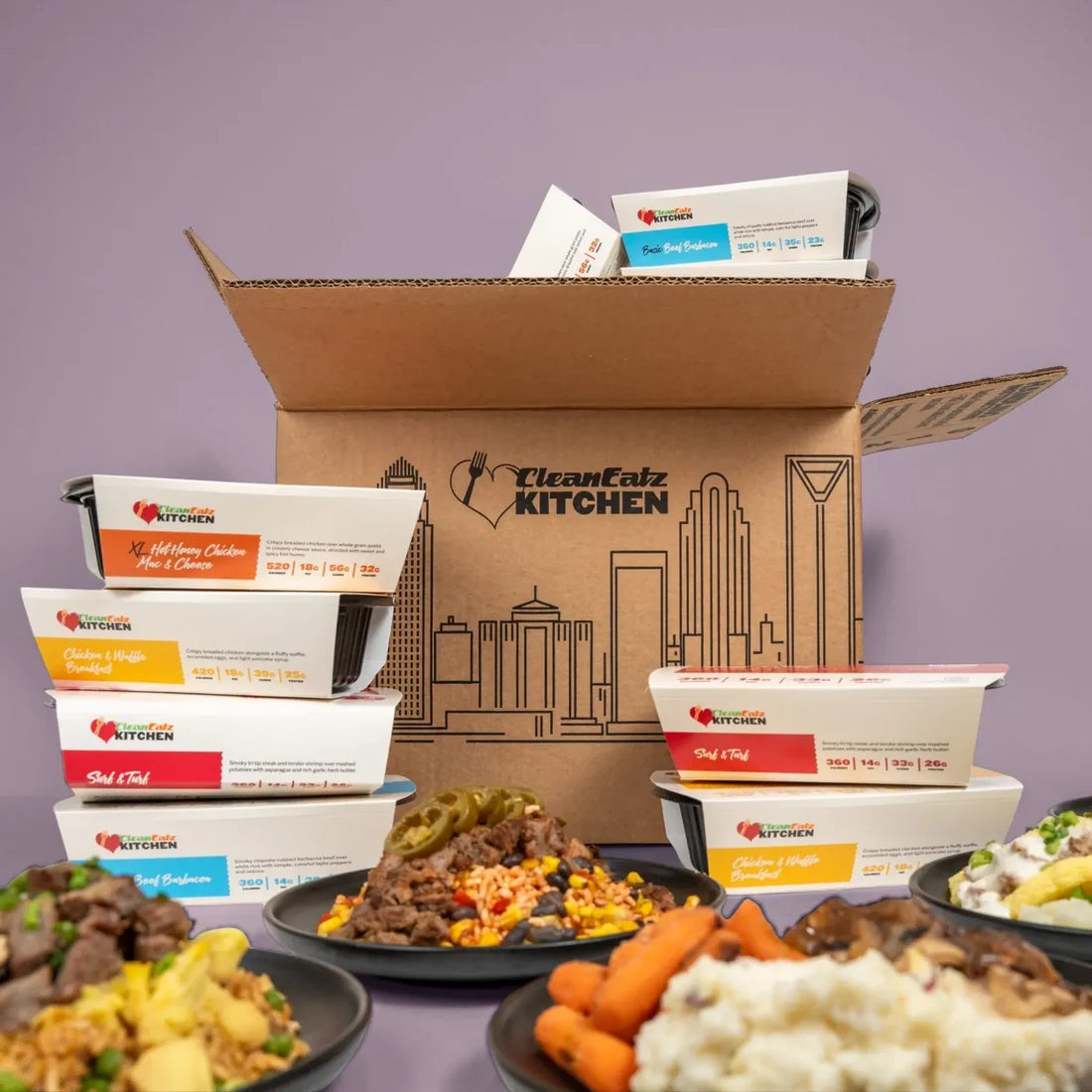
A prepared meal isn't a single-ingredient food, so we won't call ours one. It's a way to get food with protein and vegetables on the plate on a night you'd otherwise be ordering in. Our Build A Meal Plan lets you pick meals one by one, and the range is wide: simple plates like those in our Basics Meal Plan (protein, starch, vegetable) at one end, mac and cheese at the other. Our High Fiber Meal Plan is built with vegetables, legumes and whole grains plus protein, with at least 5 grams of fiber a meal. Every meal's numbers are on our nutrition page, so you can see which is which.
Small whole food changes
What small changes actually add up?
Quick answer
Crowd out processed foods rather than cutting everything at once. Swap cereal for oatmeal with berries and nuts, aim for half a plate of vegetables at dinner and keep whole food snacks where you can reach them. You don't need an overhaul.
You don't have to overhaul your entire diet overnight. Start by crowding out processed foods with whole food additions rather than trying to eliminate everything at once.
- Breakfast. Swap your usual cereal for oatmeal topped with berries and nuts, for fiber and healthy fats that hold you through the morning.
- Lunch. If you grab it on the go, look for options built around real ingredients rather than mystery meats and sauces.
- Dinner. Aim for half your plate to be vegetables, a quarter whole grains and a quarter lean protein.
- Snacks. Keep apples, carrots, hummus, nuts and Greek yogurt within reach. When the convenient option is a healthier option, you'll reach for it more often.
Our complete meal prep guide offers more strategies for making this routine.
Eating whole foods isn't about following a restrictive diet or some impossible standard of clean eating. It's about getting the nutrients you need while making overeating a little harder. The evidence is strong on direction and less sure on size, which is a good reason to make the change and a poor reason to feel guilty about a frozen pizza.
Whether you shop farmers markets and cook from scratch or rely on prepared meals, the principle stays the same. Prioritize foods that look like they came from a farm rather than a factory, most of the time. Lunch went badly? Dinner is a separate event.
 Make it easy withHigh Protein Meal PlanFrom $63.00View plan
Whole foods FAQ
Questions about whole foods, answered
What are whole foods?
Whole foods are unprocessed or minimally processed foods that stay close to their natural state. That includes fruits, vegetables, whole grains, legumes, nuts, seeds, dairy, eggs, meat and fish without added sugars, artificial ingredients or preservatives. Frozen produce and plain yogurt still count, since freezing and culturing don't take much away.
What are the main benefits of eating whole foods?
Higher nutrient density, more fiber, easier weight management and lower risk of chronic disease in large studies. High-fiber eaters had 15% to 30% lower rates of heart disease, stroke, type 2 diabetes and colorectal cancer. Those studies are observational, so they show a strong link rather than proof of cause.
Can whole foods help with weight loss?
Yes, though not automatically. Most whole foods are higher in fiber and water, which helps you feel satisfied on fewer calories. In one NIH trial, people ate about 508 fewer calories a day on an unprocessed diet. Nuts and oils are whole foods too, and they still need measuring if weight loss is the goal.
What's the difference between whole foods & processed foods?
Whole foods keep their fiber and nutrients, while heavily processed foods often lose them and gain sugar, salt and fat. An apple is a whole food, and apple juice with added sugar is processed. Brown rice is whole, and white rice has the fiber-rich bran removed. Processing is a spectrum, so frozen vegetables sit near the good end.
How can I eat more whole foods if I'm short on time?
Batch cook on weekends so these foods are ready when you need them, and keep frozen fruit and vegetables on hand. A meal service can help you eat well without spending hours cooking. Look for one that publishes its nutrition numbers and builds meals around lean proteins, whole grains and vegetables.
More nutrition & healthy eating guides
Keep reading
 Romaine Rusnak, RD, LDN · Oct 17, 2025
 Ellie Lopez, LDN, MS · Oct 16, 2025
Sources
On this page