
Life after weight loss meal delivery
What happens after weight loss meal delivery stops
Appetite rises about 100 calories a day per kilogram lost, and the containers are gone. How long habits take, which skills to keep, how to step down and a 90-day plan for life after delivery.
- Free Shipping on Every Meal PlanFree Shipping
- Up to 20% Off 30-Meal PlansUp to 20% Off
- Chef Cooked, Dietitian BuiltDietitian Built
- Heat & Eat in MinutesHeat & Eat

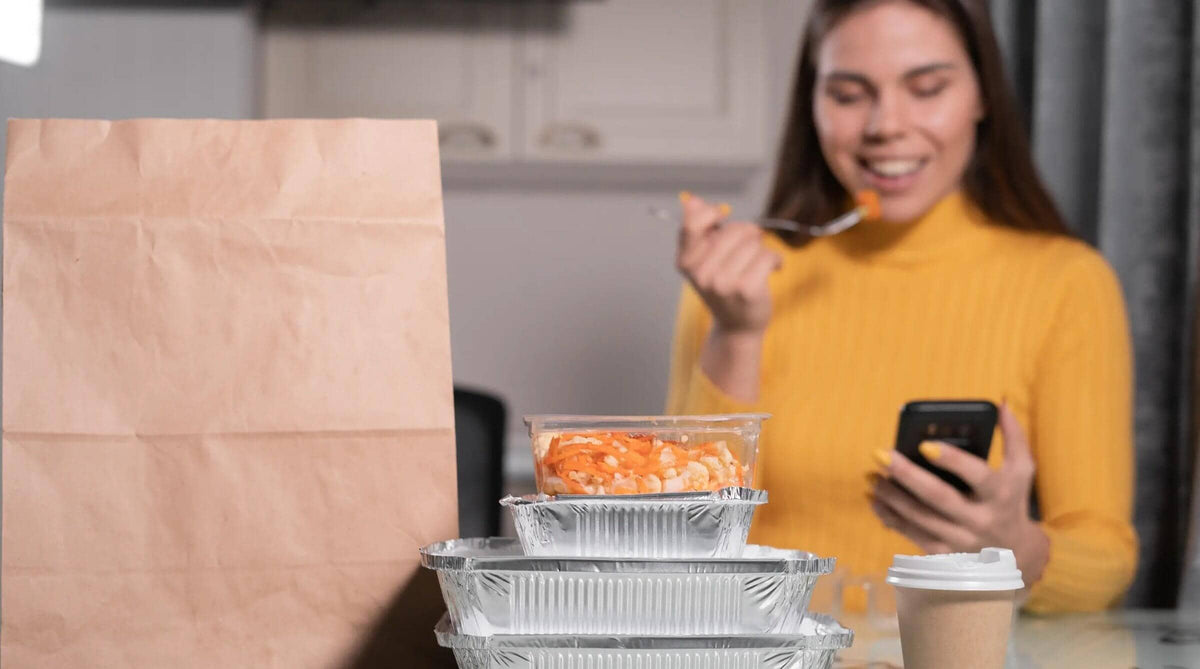
Weight regain after meal delivery
What happens when meal delivery stops?
Quick answer
Often, slow regain. In a meta-analysis of 29 US programs, people kept off only 17% to 29% of their lost weight after 4 to 5 years. The fix is replacing the structure on purpose, before the last meal runs out.
Even with aggressive counseling, average weight loss runs 5% to 10% of starting body weight. The harder number comes later. A meta-analysis of 29 US studies followed people for at least 2 years after structured programs. At 4 to 5 years, people who had followed a balanced calorie-reduced diet kept off about 17% of what they lost, or 2 kg, and those on very low calorie diets kept off about 29%, or 7.1 kg. Do the math and that's 71% to 83% of the loss regained.
That study is from 2001, and programs have changed, so read it as a size, not a forecast. It also contains a fairer point: 5 years out, the average person still weighed more than 3 kg less than when they started. Regain is common. It isn't total, and it isn't a character flaw.
Weight loss meal delivery removes decision fatigue. You don't have to think about what to buy, how much to cook or whether your portions are right. When the plan ends, you're suddenly responsible for hundreds of small food decisions every week. If you're using a structured eating program to lose weight, the period right after it ends is where to put your planning.
Appetite after weight loss
Why is the transition so hard?
Quick answer
Biology pushes back. For each kilogram lost, appetite rises an estimated 100 calories a day above your old baseline, while calorie burn falls 20 to 30. Lose 10 pounds and that's about 450 extra calories of hunger, largely below your awareness.
The numbers come from a review by Kevin Hall and Scott Kahan, who also point out that patients tend to blame themselves as lazy or lacking willpower when this happens. Those estimates describe a predictable response, not a personal failing. Run it for 10 pounds, about 4.5 kg, and appetite is up about 450 calories a day while your daily burn is down about 90 to 135. Run it for 20 pounds and the gap gets bigger, which is why bigger losses take more upkeep.
The reason it's hard to catch is that appetite regulation happens in brain regions that work below conscious awareness. Hall and Kahan describe the likely result: portions creep up slowly, and the drift is hard to see because normal intake already swings 20% to 30% from day to day. You could regain weight just by reaching for slightly larger portions.
They also estimate that preventing regain takes about 300 to 500 calories a day of persistent effort, even though someone who maintains may eat only about 100 calories a day less than someone who regains. A portioned meal was acting as a guardrail against those signals. Without a plan to replace it with your own habits, the pull runs back toward your starting weight.

Habit formation after meal delivery
How long does a new habit take?
Quick answer
About 2 months, with a wide range. A 2024 review of 20 studies found medians of 59 to 66 days and means of 106 to 154, and individuals ranged from 4 to 335 days. Plan on months, not the popular 21 days.
The review covered 2,601 people and behaviors including healthy eating, water, exercise and flossing. Its authors say the numbers clearly refute the 21-day idea. There's a catch worth knowing: in the healthy eating study they cite, only 23% of participants reached the threshold for a formed habit at all. So 60 days is a reasonable first target, not a guarantee, and needing longer doesn't mean it isn't working.
What makes habits stick
Certain conditions make habits far more likely to become automatic. When routines repeat in a stable setting, tie to something you already do and matter to you personally, they gradually shift from effort to default:
- Consistency: Behaviors practiced at the same time and in the same setting take less conscious effort over time, and the review ties a stable context to stronger habits. Preparing a balanced breakfast every morning or packing lunch before leaving home gets easier because it stops being a decision.
- Anchoring habits: Habits stick more easily when they connect to something that already happens, often called habit stacking. Prepare a healthy snack when you get home from work, or drink water right after waking up. One study in the review found routine-based cues worked about as well as clock-based ones, so use whichever fits your day.
- Personal ownership of food choices: The review found habits people chose for themselves did better than assigned ones. In practice, that means picking meals, cooking styles and eating patterns you actually like, rather than copying a plan that bores you.
- Gradual transition: Many people start with a structured system such as a meal plan or delivery service. Lasting habits develop as you take over the job, applying what you've learned about portion sizes, food balance and meal timing. This one's practical advice rather than a finding from the review.
- Positive reinforcement: Better energy, digestive comfort, mood or fitness can keep you going, and enjoyment showed up in the review as a driver of exercise habits. Tracking progress makes those benefits visible, so the behavior feels rewarding instead of burdensome.
Lasting habits come from designing routines that fit how people actually behave, rather than relying on constant discipline.
Skills from meal delivery
What did meal delivery teach you?
Quick answer
Three things worth keeping: what a portion looks like, what it's like to not decide at 5:30 PM, and how a balanced plate is built. Replace them with matching containers, 15 to 20 minutes of weekly planning and five basic cooking methods.
A meal plan quietly does three jobs for you. Each one can be replaced with a small skill, and you'll want them in place before the last meal runs out.
Portion awareness
Every delivered meal came in a container holding a specific amount of food. Over weeks or months, your eyes and stomach got used to those volumes. That may be the most useful thing a meal plan gives you, because a Cochrane review of 72 studies found that people consistently eat and drink more when offered larger portions, packages or tableware, though it rated those studies at overall unclear or high risk of bias. Hall and Kahan also list portion-controlled meals or meal substitutes among the behaviors associated with long-term success. The challenge is that when you start cooking again, you're working with full-sized pans and dinner plates. Keep a few of the old containers, or matching ones, for a while.
Meal planning for the 5:30 PM question
When meals are ready to heat, you never have to face the 5:30 PM question: what should I eat? That's where a lot of plans fall apart, usually because the path of least resistance is right there at the end of a long day, not because anyone lacks discipline. The replacement is meal planning, and it doesn't need to be elaborate. Spend 15 to 20 minutes each week choosing five dinners, build a shopping list from those choices, and do one focused grocery trip. That removes the daily decision, just as your meal plan did.
One study often used to back this up deserves a closer read. Among 1,372 adults in two low-income Pittsburgh neighborhoods, consistently using a grocery list was associated with better diet quality and slightly lower BMI. It's a cross-sectional study, and the authors say it can't show cause: people who already eat well may simply be more likely to use lists. They suggest lists might limit impulse purchases, but call that mechanism speculative. A list costs nothing, so we'd still use one.
Five cooking techniques for healthy meals
Master these five methods and you can make a huge variety of nutritious meals:
- Sheet pan roasting, with proteins and vegetables together at 400°F for 20 to 25 minutes. Check that chicken reaches 165°F.
- Basic sautéing in a nonstick pan with minimal oil.
- Assembling grain bowls from pre-cooked components.
- Building salads substantial enough to serve as meals.
- Using a slow cooker or Instant Pot for hands-off protein.
None of these requires advanced knife skills or specialty equipment, and together they cover most weeknight dinners.
Meal delivery as a safety net
Do you have to quit cold turkey?
Quick answer
No. Step down instead: seven delivered meals a week, then four, then two, then only during hectic weeks. We don't have trial data on this exact schedule, but it reduces support as your skills grow, like training wheels.
Here's the nuance most articles miss: coming off meal delivery doesn't have to be all or nothing. A gradual step-down gives you time to practice each skill while a portioned meal still covers the nights you can't. Keep a few meals in the freezer as a backup for when your meal prep runs out or your schedule implodes, and the fallback is a portioned meal rather than pizza delivery.
This is where our setup helps. Clean Eatz Kitchen meals are one-time orders with no subscription, they keep in the freezer for up to 12 months, and they heat in a few minutes. So you can buy only as many as your step-down calls for. Build A Meal Plan lets you pick meals one at a time, and the Weight Loss Meal Plan stays portion-controlled, calorie-controlled and macro-balanced if you need more structure for a while.
 Make it easy withWeight Loss Meal PlanFrom $89.95View plan
Self-monitoring after weight loss
How much tracking do you need?
Quick answer
Use three light checks: weigh yourself once a week and watch the trend, do a quick end-of-day review of how you ate, and notice how your clothes fit. Skip daily calorie counting unless it helps you.
Frequent self-monitoring and self-weighing are among the behaviors tied to long-term success, and in the National Weight Control Registry, people who weighed themselves less often over time tended to regain more. That's an association, but it fits how regain works: slowly, and easy to miss.
- Weigh yourself once a week, at the same time and under the same conditions, and track the trend rather than any single number. Some maintenance programs advise daily weighing, so if a daily number doesn't bother you, that's fine too.
- Keep a brief food awareness practice. This doesn't need to be calorie counting. It can be as simple as a mental end-of-day review: did I eat roughly the way I planned to today?
- Pay attention to how your clothes fit. A specific pair of pants is a useful second check, because the scale moves with hydration, sodium intake and plenty of other variables.
Decide ahead of time what you'll do if the trend climbs, for example adding back two or three portioned meals a week for a month. Hall and Kahan describe the same idea: a weight threshold that signals it's time to restart your strategies.
First 90 days after meal delivery
What should the first 90 days look like?
Quick answer
Three phases. Days 1 to 30, keep structure with weekly prep and a written plan. Days 31 to 60, add variety and loosen the plan. Days 61 to 90, rely on 10 to 15 go-to meals and keep your weekly checks.
Pulling all of this together, the transition works best as a phased process rather than an abrupt shift. The phases below are a practical framework built around that 2-month habit research, not a tested protocol, so slide the dates if you need more time.
Days 1 to 30: the scaffolding phase
Keep as much structure as possible during the first month. Meal prep every week on the same day. Use containers that match your delivered meal sizes. Follow a written meal plan and grocery list. This isn't the time for culinary experimentation or intuitive eating. If you can, keep one or two delivered meals a week from Build A Meal Plan as a baseline, so at least some meals each week are already portioned with no effort on your part.
Days 31 to 60: the expansion phase
Begin expanding your options with more variety. Try new recipes, but keep them within the simple techniques above. Start loosening the rigid meal plan. Perhaps plan only dinners, and let lunches come together from whatever prepped components you have. Continue weekly weigh-ins and shopping from a list. This is about when the habit research suggests behaviors begin to solidify, though they're probably not automatic yet.
Days 61 to 90: the autonomy phase
By the third month, your weekly rhythm should feel more natural than forced. You might find you no longer need a formal meal plan because you've internalized a rotating set of 10 to 15 go-to meals. You can start cooking more intuitively, using your portion awareness as a background check. Keep monitoring, and notice that it takes less conscious effort. If it doesn't yet, stay in the phase longer. The research range runs well past 90 days.

Long-term weight maintenance
What do people who keep it off do?
Quick answer
They keep doing the small things. In a registry of 2,886 people, more than 87% still held at least a 10% loss at 10 years. Dropping activity, dietary restraint or self-weighing was linked with more regain. Treat it as ongoing management.
Underneath the meal prep, the grocery lists and the portion containers is one shift in thinking. Hall and Kahan describe obesity as a chronic condition that calls for long-term management, not a temporary problem solved by a temporary intervention. A meal delivery plan is a tool, not a cure. It gives you a structured way to lose weight and, ideally, a chance to learn what balanced, appropriately portioned meals look and feel like. The habits you build afterward are the long-term solution.
The National Weight Control Registry data back up the upkeep. Members lost an average of 31.3 kg at the start and still had 23.1 kg off at 10 years. Keep the limits in mind: it's a self-reported registry of people who had already lost at least 30 pounds and kept it off for a year, so it describes successful people, not typical ones.
That's the real answer to what happens after weight loss meal delivery stops. The dramatic before-and-after story may look appealing, but the results live in the quiet, ongoing practice of doing the small things right, week after week. If you want a backup while you build that, Build A Meal Plan is there when you need it, with no subscription to cancel.
This content is for educational purposes only and doesn't replace personalized medical advice. If you're managing a health condition or taking weight loss medication, talk with your doctor before changing your plan.
Life after meal delivery FAQ
Stopping, answered
Will I gain the weight back when I stop meal delivery?
Not automatically, but regain is common after any structured plan. A meta-analysis of 29 US programs found people kept off about 17% to 29% of their lost weight after 4 to 5 years. Meals themselves aren't the cause. The risk comes from losing the structure, so replace it with planning, portions and weekly checks.
How many days does it take to build a healthy eating habit?
Plan on about 2 months, and possibly much longer. A 2024 review found medians of 59 to 66 days, with individuals ranging from 4 to 335 days. In the healthy eating study it cited, only 23% of participants reached the set threshold for a formed habit, so don't read slow progress as failure.
Should I count calories after meal delivery ends?
You don't have to, though a short stretch can recalibrate your portions. Many people do fine with matching containers, a weekly weigh-in and a quick end-of-day check of how they ate. If your weight trend climbs for several weeks, tracking for 5 to 7 days is a useful diagnostic before you change anything bigger.
Can I keep using meal delivery part time?
Yes, and it's a practical way to step down. Moving from seven delivered meals a week to four, then two, then hectic weeks only keeps support in place while your cooking skills catch up. Clean Eatz Kitchen has no subscription, and meals keep in the freezer for up to 12 months, so you can order only what you need.
More on keeping the weight off
Keep reading
 Weight loss
Why Most People Regain Weight After A Diet & How Meal Structure Prevents It
 Staci Gulbin, MS, MEd, RD · Mar 8, 2026
 Weight loss
How to Make Healthy Habits Stick Long-Term (2026 Guide)
 Ellie Lopez, LDN, MS · Jan 28, 2025
 Weight loss
Healthy Meal Prep 101: A Beginner’s Guide To Planning, Cooking, & Storing
Staci Gulbin, MS, MEd, RD · Jan 22, 2026Sources
On this page