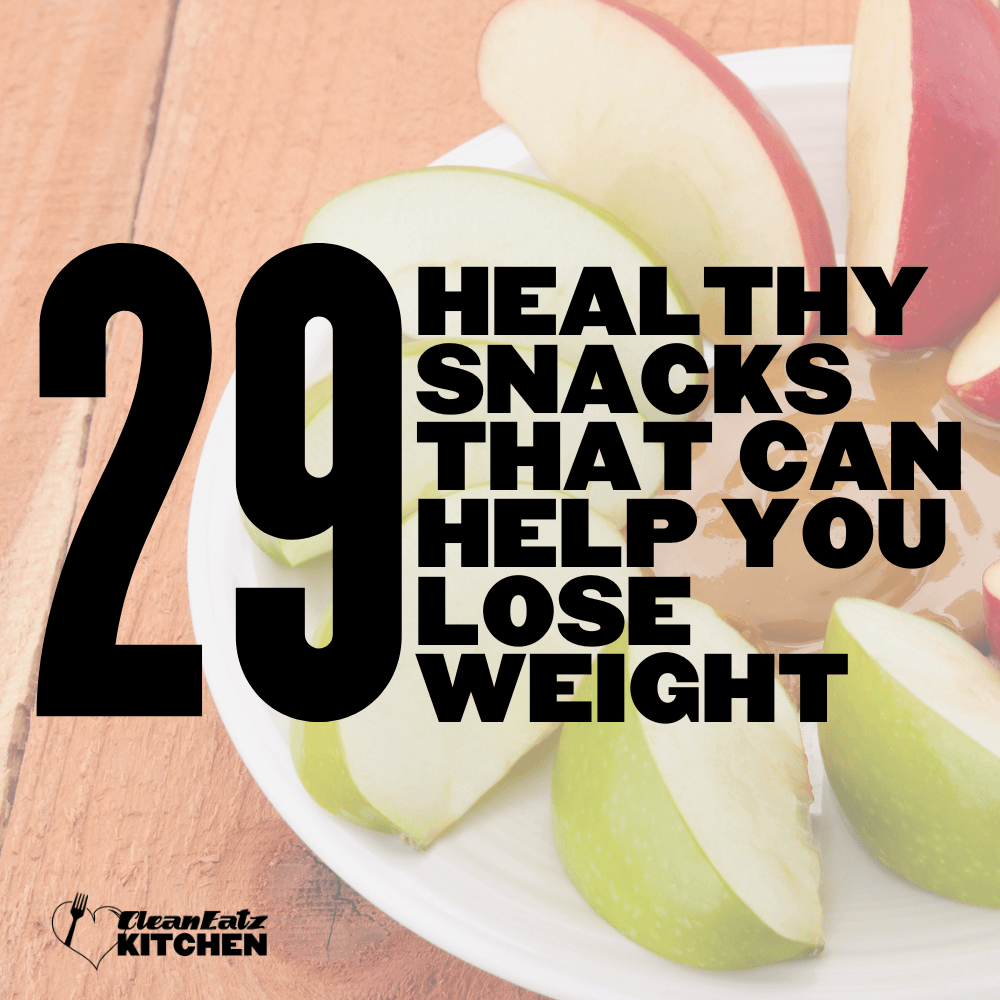

Quick Summary: Healthy snacks that support weight-loss goals are often rich in protein and fiber while fitting within your overall calorie needs. Many dietitians recommend aiming for approximately 10-25 grams of protein per snack and choosing nutrient-dense foods that promote satiety. Options such as Greek yogurt with berries, hard-boiled eggs, cottage cheese, tuna pouches, and edamame can help keep you satisfied between meals. Use the simple three-step Snack Builder below, then explore 29 dietitian-approved snack ideas with calories and protein listed. For your full daily targets, start with our Calorie Calculator and Protein Intake Calculator.
Why the Right Snacks Actually Help You Lose Weight
There's a persistent myth that snacking sabotages weight loss. In reality, the problem is snacking on unhealthy foods or in excessive portion sizes. A handful of crackers or a granola bar might technically be a "snack," but it won't do much to control your appetite. You'll be hungry again in 30 minutes, reaching for something else, and the calories start stacking up.
Strategic snacking works differently. Healthy snacking offers nutritional benefits, such as supporting metabolism, preventing overeating, and maintaining energy levels. When you eat something with adequate protein and fiber between meals, you're doing three important things.
- You're preventing the kind of extreme hunger that leads to overeating at dinner. Protein reduces levels of ghrelin (the hunger hormone) while boosting satiety hormones like GLP-1 and peptide YY.1
- You're keeping your blood sugar stable, which prevents the energy crashes that trigger cravings for quick-fix carbs.
- You're making it easier to hit your daily protein target, something most people struggle with, especially when cutting calories.
The key is treating snacks like mini-meals, not afterthoughts. Aim for a balanced snack that includes protein and other nutrient-dense foods, such as fiber-rich fruits, vegetables, or whole grains, while fitting within your individual calorie needs. For many people, snacks around 200 calories can be a practical starting point.
The 3-Step Snack Builder
There are practical, portable snack options that are convenient for busy lifestyles and can be eaten on the go while maintaining nutritional value. You don't need to memorize a list of "approved" snacks. Once you understand the formula, you can build satisfying snacks from whatever's in your kitchen.
Step 1: Pick a protein anchor. This is non-negotiable. Your protein anchor is what makes the snack actually work. Good options include Greek yogurt, cottage cheese, hard-boiled eggs, a tuna or chicken pouch, turkey or ham slices, edamame, firm tofu, or a quality protein bar.
Step 2: Add produce or volume. This gives you something to chew, adds fiber, and makes the snack feel more substantial without adding many calories. Think berries, apple slices, baby carrots, cucumber rounds, bell pepper strips, cherry tomatoes, or air-popped popcorn for crunch.
Step 3: Flavor smart, measure fats. Use calorie-free or low-calorie flavor boosters liberally: hot sauce, salsa, mustard, herbs, lemon juice, and everything bagel seasoning. If you're adding calorie-dense fats like nuts, nut butter, cheese, or oil, measure the portion. A "drizzle" of olive oil is often 2 tablespoons and 240 calories. A "handful" of almonds can easily hit 300 calories.
Strategies for building balanced snacks include combining macronutrients and practicing portion control to support weight-loss goals. Target around 100-250 calories per snack. If you're consistently under-eating protein at meals, shift your snacks toward the higher-protein end.
Quick Reference: Calories and Protein by Food
Before diving into specific snack ideas, here's a cheat sheet to help you build your own combinations. Values are typical. Always check your specific brand's label.
| Food | Typical Portion | Calories | Protein |
|---|---|---|---|
| Greek yogurt, plain | ¾–1 cup | 100–150 | 15–20g |
| Cottage cheese | 1 cup | 160–220 | 24–28g |
| Hard-boiled eggs | 2 eggs | 140 | 12g |
| Tuna pouch | 3 oz | 70–100 | 16–22g |
| Turkey slices (deli) | 3 oz | 90–120 | 18–24g |
| Edamame, shelled | 1 cup | 180–200 | 17g |
| Hummus | 3 Tbsp | 90–110 | 3g |
| Protein bar | 1 bar | 150–200 | 15–20g |
| Air-popped popcorn | 3 cups | 90–110 | 3–4g |
| Almonds | 1 Tbsp (≈7 nuts) | 50–60 | 2g |
| String cheese | 1 stick | 70–90 | 6–8g |
| Apple or banana | 1 medium | 80–110 | 0–1g |
29 Healthy Snacks for Weight Loss
These combinations follow the Snack Builder formula. Calorie and protein ranges account for variations in portion sizes. Adjust based on your personal targets. For complete meal planning that incorporates these principles.
High-Protein Dairy and Eggs
1. Greek yogurt + berries (¾–1 cup yogurt + ½ cup berries) — 130–190 kcal, 15–20g protein. The classic for a reason. Plain yogurt keeps sugar low; berries add sweetness and fiber.
2. Cottage cheese + pineapple or berries (¾–1 cup) — 140–220 kcal, 18–28g protein. Cottage cheese is having a moment, and it deserves the hype. Casein protein digests slowly, keeping you full for hours.
3. Two hard-boiled eggs + carrot sticks — 170–190 kcal, 12g protein. Prep a batch on Sunday, and you've got grab-and-go protein all week.
4. String cheese + apple — 160–200 kcal, 6–8g protein. Lower protein than other options, but the combination of fat, fiber, and crunch is surprisingly satisfying.
5. Greek yogurt ranch dip + veggie sticks (½ cup dip) — 120–160 kcal, 12–18g protein. Mix plain Greek yogurt with ranch seasoning for a high-protein dip that beats anything you can buy in the store.
Lean Meats and Seafood
6. Turkey roll-ups (3 oz turkey, mustard, lettuce) — 90–130 kcal, 18–24g protein. Roll deli turkey around a smear of mustard and crisp lettuce. Zero prep, maximum protein.
7. Tuna pouch + whole-grain crackers (6–8 crackers) — 170–230 kcal, 16–22g protein. Flavored tuna pouches (lemon pepper, sriracha) make this more interesting. See our tuna guide for mercury considerations.
8. Smoked salmon on cucumber rounds (2–3 oz salmon) — 120–180 kcal, 14–20g protein. A little schmear of cream cheese is fine—just measure it.
9. Shrimp cocktail (4–6 oz shrimp, cocktail sauce) — 150–220 kcal, 25–35g protein. Shrimp is a lean, high-protein seafood option that's relatively low in calories. Check our shrimp guide for more.
Plant Protein and Fiber
10. Edamame, shelled (1 cup) — 180–200 kcal, 17g protein. Sprinkle with sea salt or everything bagel seasoning. Complete plant protein that's genuinely filling.
11. Hummus + bell pepper strips (3 Tbsp hummus + 1–2 cups peppers) — 120–170 kcal, 3–5g protein. While lower in protein than some options, pairing hummus with plenty of vegetables adds fiber and volume.
12. Roasted chickpeas (½ cup) — 130–180 kcal, 6–8g protein. Crunchy, savory, and easy to make at home. Season with cumin, chili powder, or cinnamon for variety.
13. Air-fried tofu bites (4–5 oz with spice rub) — 120–180 kcal, 12–18g protein. Cube firm tofu, toss with your favorite seasoning, and air fry until crispy. Better than it sounds.
14. Bean salsa cup (½ cup black beans + salsa + lime) — 120–160 kcal, 7–9g protein. Beans are underrated for snacking. This takes 30 seconds to assemble.
Crunchy and Savory (High Volume)
15. Air-popped popcorn (3 cups + chili-lime seasoning) — 90–110 kcal, 3–4g protein. Three cups is a lot of food for under 100 calories. Our popcorn guide covers the best ways to prepare it.
16. Rice cakes + cottage cheese + tomato (2 cakes) — 170–220 kcal, 12–18g protein. The cottage cheese transforms bland rice cakes into something worth eating.
17. Pickle spears + turkey slices — 110–160 kcal, 18–24g protein. Roll the turkey around the pickle spears. Salty, crunchy, virtually zero carbs. See our pickle guide.
18. Mini quesadilla (1 corn tortilla + 1 oz cheese + salsa) — 180–230 kcal, 7–9g protein. The salsa adds flavor without calories.
Sweet Fixes (Portioned)
19. Protein shake (1 scoop + unsweetened almond milk) — 120–180 kcal, 20–30g protein. Not just for post-workout. A shake can be the most efficient snack when you're short on time.
20. Protein bar (label-checked) — 150–200 kcal, 15–20g protein. Not all bars are created equal. Our protein bar guide explains what to look for.
21. Overnight oats, snack size (½ cup oats + ½ scoop protein powder) — 180–250 kcal, 15–25g protein. Prep in a small jar for a portable, sweet-ish snack. Our Overnight Oats come ready to eat.
22. Apple slices + PB powder spread (2 Tbsp PB powder mixed with water) — 120–150 kcal, 6–8g protein. PB powder gives you peanut butter flavor for a fraction of the calories.
23. Banana + 1 tsp peanut butter — 130–160 kcal, 3–4g protein. While lower in protein, this simple combination provides carbohydrates, healthy fats, and potassium for a quick energy boost. Keep the peanut butter to a measured teaspoon.
24. Chia pudding, mini portion (2 Tbsp chia + ½ cup milk + vanilla) — 150–190 kcal, 5–7g protein. Make ahead and grab when you want something creamy and sweet.
Grab-and-Go Options
25. High-protein yogurt cup (store-bought) — 90–150 kcal, 12–20g protein. Brands like Two Good, Ratio, and Oikos Pro have excellent macros. Compare labels for protein, calories, and added sugars when selecting a product.
26. Beef or turkey jerky (1 oz, lower-sodium) — 70–90 kcal, 9–12g protein. Portable and shelf-stable. Consider comparing sodium content among brands if you're monitoring your sodium intake.
27. Light soup cup (lentil or chicken) — 120–200 kcal, 8–15g protein. Warming, filling, and more satisfying than you'd expect. Watch sodium levels.
28. Smart trail mix (1 Tbsp nuts + 1 Tbsp dried fruit + 1 cup popcorn) — 150–200 kcal, 4–6g protein. Pre-portion this yourself. Store-bought trail mix portions are usually triple what you need. The role of healthy fats in snacks such as nuts, seeds, and avocado is to promote satiety and support health.
29. Half a CEK entrée (3–4 oz protein + veggies) — 150–250 kcal, 15–30g protein. If you have Clean Eatz meals on hand, half an entrée makes a perfect high-protein snack.
Snack Scenarios: What to Eat When
A wide variety of specific snack ideas that are considered healthy and may support weight loss, often including calorie counts for each option. Different situations call for different approaches. Here's how to adapt.
At your desk (no fridge): Stock shelf-stable options. Tuna pouches, jerky, protein bars, pre-portioned nuts, popcorn bags, rice cakes with individual PB powder packets, or whole fruit like apples and bananas.
Traveling or at airports: Most airports now have Greek yogurt cups, cheese sticks, nuts, and fruit. Compare labels and portions when purchasing grab-and-go snacks. Many trail mixes and protein boxes can be higher in added sugars or refined carbohydrates than expected, so look for options that prioritize protein and fiber.
Pre-workout (60-120 minutes before): You want easily digestible carbs plus moderate protein. Good options: banana with Greek yogurt, a small turkey wrap, or a protein yogurt with berries. Avoid high-fat or high-fiber snacks that slow digestion.
Late night: If you're genuinely hungry, eat. The worst thing you can do is lie awake hungry, sleep poorly, then overeat the next day. Choose protein-forward options that won't spike blood sugar. Cottage cheese with cinnamon, plain Greek yogurt, or a small protein shake.
Common Mistakes That Stall Progress
Most snacking mistakes come down to the same few issues:
Choosing "healthy" but low-protein snacks. Rice cakes, fruit alone, veggie chips, and some granola bars may be less filling when eaten by themselves. Pairing them with a protein-rich food can help promote satiety.
Eyeballing calorie-dense foods. Nuts, cheese, nut butter, and oils are healthy, but calories add up fast when you're not measuring. One tablespoon of nuts is about 50-60 calories. Most people pour 3-4 tablespoons without realizing it.
Eating directly from packages. It's nearly impossible to track portions when you're reaching into a bag. Research suggests that larger portions and eating directly from packages may increase how much people eat.
Ignoring liquid calories. Smoothies, fancy coffee drinks, and juices can pack 300-500 calories while providing little satiety. If you drink your snack, make sure it has protein (like a shake) rather than just carbs (like juice).
Frequently Asked Questions
Healthy snacking can support your goals when it fits your routine and appetite. These quick answers cover timing, simple choices, and practical ways to keep snacks useful and satisfying.
What is the best time to snack?
Snack when you feel real hunger between meals, especially if your next meal is still a few hours away. The goal is to prevent overeating, not snack out of habit.
What should I snack on to feel full longer?
Choose snacks that combine protein and fiber, since that pairing tends to be more satisfying. Examples include yogurt with fruit, eggs with vegetables, or hummus with crunchy produce.
Are late-night snacks okay?
Yes, if you are genuinely hungry. Keep the snack light, balanced, and portion-controlled so it satisfies you without making it harder to stay on track with your daily routine.
What is a good snack before a workout?
Pick something easy to digest that gives you quick energy without feeling heavy. A small, simple snack can help you feel more comfortable and ready to move.
How do I quickly choose a healthy snack?
Start with one simple rule: build around whole foods, then keep the portion reasonable. A fruit, yogurt, or a small savory option is usually a better choice than packaged snack foods.
What is the easiest way to snack more consistently?
Plan ahead and keep a few reliable snack options available. When healthy choices are easy to grab, you are more likely to follow through and stay satisfied between meals.
Smart snacking is about understanding how to combine protein, fiber, and volume to stay satisfied between meals. Use the 3-step Snack Builder, choose from the 29 options above. Snacks don't have to work against your goals. When chosen thoughtfully, they can help support satiety and make healthy eating more sustainable. The right snacks make weight loss easier, not harder. For a complete framework on eating for weight loss, see our 100 Best Foods for Weight Loss guide. And if you want meals that take the guesswork out entirely, our Weight Loss Meal Plan provides portion-controlled, protein-rich meals ready in under 3 minutes.
Disclaimer: This article provides general nutrition information and is not medical advice. If you have specific health conditions or dietary needs, consult a healthcare provider or registered dietitian.
References
- 1. Leidy HJ, Clifton PM, Astrup A, et al. The role of protein in weight loss and maintenance. Am J Clin Nutr. 2015;101(6):1320S-1329S. doi:10.3945/ajcn.114.084038
- 2. Wansink B, Painter JE, North J. Bottomless bowls: why visual cues of portion size may influence intake. Obes Res. 2005;13(1):93-100. doi:10.1038/oby.2005.12
- 3. USDA FoodData Central. fdc.nal.usda.gov — Nutritional data for calorie and protein values.
- 4. Paddon-Jones D, Westman E, Mattes RD, Wolfe RR, Astrup A, Westerterp-Plantenga M. Protein, weight management, and satiety. Am J Clin Nutr. 2008;87(5):1558S-1561S. doi:10.1093/ajcn/87.5.1558S