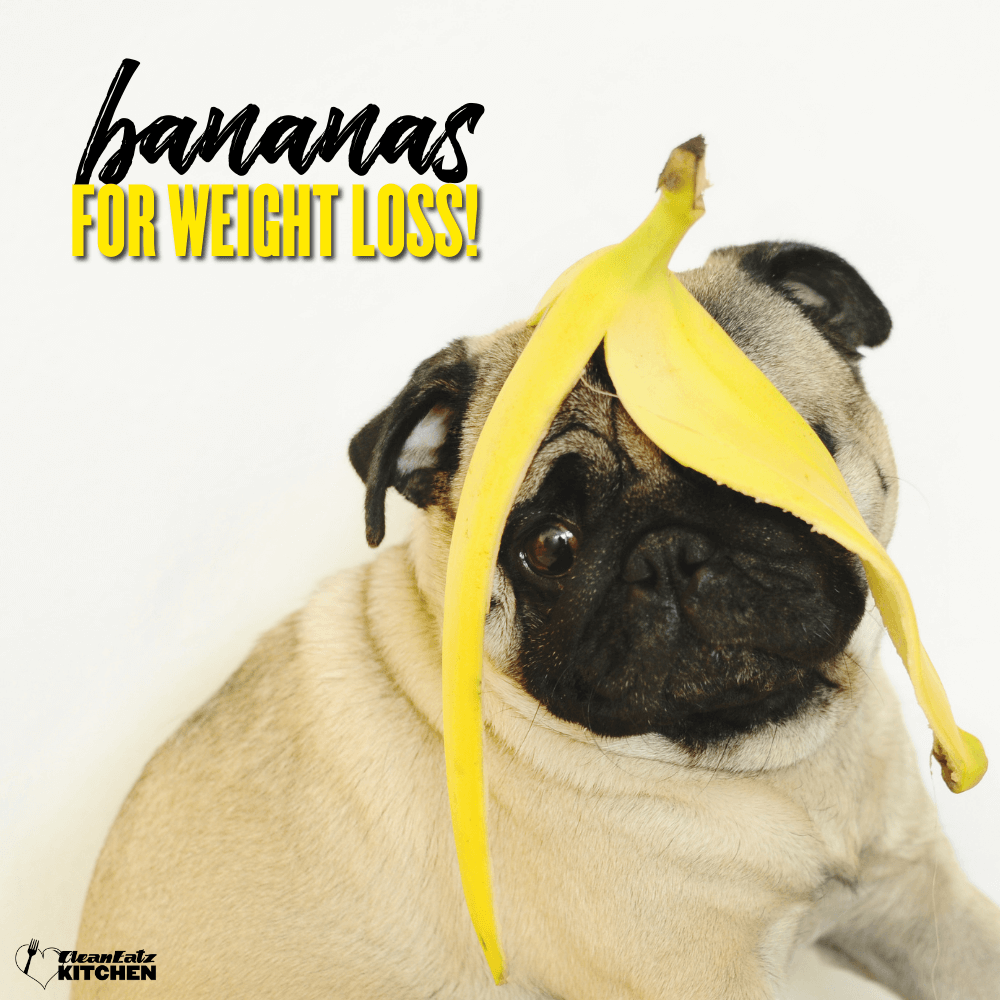

Quick Answer: Yes—bananas can absolutely fit into a weight-loss plan. One medium banana has around 105 calories and 3 grams of fiber, plus it's rich in potassium and vitamin B6. The key is portion (stick to one at a time) and pairing (combine with protein like Greek yogurt or a measured tablespoon of peanut butter). This approach keeps you satisfied longer and prevents blood sugar spikes.
What Makes Bananas Weight-Loss Friendly
Bananas get a bad reputation in some diet circles because they contain sugar and carbs—but that's only part of the story. A medium banana (about 7-8 inches) delivers roughly 105 calories, 27 grams of carbohydrates, and 3 grams of fiber. It's also about 75% water by weight, which means you're getting a lot of volume and satisfaction for relatively few calories.
The fiber content is what really sets bananas apart from sugary snacks. That 3 grams of fiber—about 10% of your daily needs—slows digestion and sends fullness signals to your brain. Research published in The Journal of Nutrition found that increasing fiber intake by just 3.7 grams per day was associated with 1.4 kg greater weight loss over six months in adults following a calorie-restricted diet.
Then there's resistant starch, particularly in slightly green bananas. This type of starch acts like fiber—your body doesn't fully digest it, so it doesn't spike blood sugar the way regular starch does. Studies on native banana starch show it can reduce postprandial glucose and insulin responses in both lean and obese subjects. For a deeper dive into how fiber supports weight management, check out our Ultimate Guide to Dietary Fiber.
Bananas vs. Other Weight Loss Foods
Compared to processed snacks, bananas are a clear winner. A 100-calorie candy bar or cookie might have similar calories, but it won't keep you full. You'll eat it, feel a brief sugar rush, then crash and want more. A banana provides bulk, fiber, water, and nutrients that actually satisfy hunger.
Compared to other fruits, bananas are moderate in calories and sugar. Berries are lower-calorie per cup, while tropical fruits like mangoes are higher. The real advantage of bananas is convenience—they come in their own portable packaging, require no prep, and don't bruise easily in a bag.
Bananas are just one of many foods that can support your weight loss goals. For a comprehensive breakdown of weight-loss-friendly foods—including how bananas compare to other fruits, proteins, and whole grains—see our Complete Guide to the Best Foods for Weight Loss.
Ripeness Matters: Green vs. Yellow vs. Spotted
The ripeness of your banana actually affects how your body responds to it. Greener bananas contain more resistant starch—up to 17.9% of their dry weight in unripe varieties versus as low as 4.7% in fully ripe bananas. This resistant starch digests slowly, keeping blood sugar steadier and helping you feel full longer.
As bananas ripen, that resistant starch converts to simple sugars. A ripe banana with brown spots tastes sweeter because it literally contains more accessible sugar. Per Harvard's glycemic index data, an underripe banana has a GI of about 41, while a fully ripe banana sits around 51. Both qualify as "low glycemic" (under 55), but that difference can matter if you're sensitive to blood sugar fluctuations.
Practical takeaway: if you struggle with energy crashes or want maximum satiety, choose bananas that are still slightly green at the tips. If you prefer sweeter taste and don't notice blood sugar issues, ripe bananas are fine—just pair them with protein or fat to slow absorption.
How to Build a Weight-Loss-Friendly Banana Snack
The secret to making bananas work for weight loss is never eating them alone. Pairing them with protein and a measured amount of healthy fat transforms a quick sugar hit into a balanced mini-meal that keeps you satisfied for hours.
The formula: Start with one medium banana (or half of a large one). Add a protein source—¾ to 1 cup of Greek yogurt or cottage cheese, 1-2 eggs, or a scoop of protein powder if making a smoothie. Then add a controlled portion of healthy fat: 1 tablespoon of peanut butter or a small handful of nuts. For extra fiber, toss in 1-2 tablespoons of oats or chia seeds.
This combination works because protein and fat slow the digestion of the banana's carbohydrates, preventing blood sugar spikes and crashes. You end up with a 250-350 calorie snack that delivers 15-30 grams of protein and 5-8 grams of fiber—enough to genuinely tide you over until your next meal.
Quick Banana Ideas (250-350 calories each)
Greek Yogurt Banana Parfait: Layer plain Greek yogurt with sliced banana, a tablespoon of oats, and a sprinkle of cinnamon. It tastes like dessert but delivers serious protein.
Cottage Cheese "Banana Bread" Bowl: Mix cottage cheese with banana slices, a dash of cinnamon, and a drop of vanilla extract. Reminiscent of banana bread batter, but packed with protein.
PB-Banana Rice Cake: Spread 1 tablespoon of peanut butter on a whole-grain rice cake and top with thin banana slices. Crunchy, creamy, and around 200-250 calories.
Protein Smoothie: Blend ½-1 banana with a scoop of protein powder, ice, and unsweetened almond milk. For extra fiber, add a spoon of flax or chia. See our guide on building weight-loss smoothies for more tips.
Oatmeal Upgrade: Mash half a banana into hot oatmeal as a natural sweetener and stir in some egg whites while cooking for added protein. Try our ready-to-eat Overnight Oats for a grab-and-go version.
Post-Workout Combo: After exercise, pair a banana with ¾ cup of Greek yogurt or two hard-boiled eggs. Quick carbs for energy replenishment plus protein for muscle recovery.
Common Banana Pitfalls to Avoid
Even healthy foods can sabotage weight loss when misused. Here are the most common ways bananas go wrong—and how to fix them.
Oversized smoothies: Homemade smoothies become calorie bombs when you throw in two bananas, heaping spoonfuls of peanut butter, honey, and everything else in the kitchen. Fix this by sticking to ½-1 banana per smoothie and measuring high-calorie add-ins. Rely on the banana itself for sweetness instead of adding extra sugar.
"Healthy" banana bread: Baked goods with banana sound virtuous, but they're often loaded with added sugar, refined flour, and fats. A slice of banana bread can easily top 250-300 calories. Treat banana bread as an occasional dessert, not a daily snack. If baking at home, cut the sugar in half—the banana already provides sweetness.
Dried banana chips: Most packaged banana chips are fried in oil or coated in syrup, making them calorie-dense and high in added sugars. Plus, it's easy to mindlessly munch through half a bag. Stick to fresh, whole bananas—you'll get far fewer calories and no added fat or sugar.
Nut butter overload: Banana with peanut or almond butter is a fantastic balanced snack—if you measure the nut butter. At 90-100 calories per tablespoon, it's easy to accidentally slather on 2-3 tablespoons (adding 200-300 calories) without realizing it. Use a measuring spoon or food scale to keep portions in check.
Frequently Asked Questions
Are bananas good for weight loss or fattening?
Bananas can support weight loss when eaten in moderation. One medium banana has about 105 calories and 3 grams of fiber, which helps you feel full. They're not fattening unless consumed in excess or paired with high-calorie additions. The key is using them to replace higher-calorie snacks, not adding them on top of your regular diet.
Do bananas have too much sugar for weight loss?
A banana's sugar is natural and comes packaged with fiber, water, and nutrients—very different from added sugar in desserts. One medium banana contains about 14 grams of natural sugar, but the fiber slows digestion and prevents blood sugar spikes. Pairing with protein or healthy fat stabilizes your blood sugar response even further.
Are green bananas better for weight loss?
Slightly green bananas contain more resistant starch, which digests slowly and keeps you feeling full longer. Research shows unripe bananas have a lower glycemic index (around 41) compared to ripe bananas (around 51). Both are classified as low-GI foods, so either works—but if satiety is a priority, slightly underripe bananas have an edge.
How many bananas can I eat per day while trying to lose weight?
One banana per day is perfectly fine for most weight-loss plans. At about 105 calories each, they fit easily into a calorie deficit. Some people eat 2-3 per day without issue, especially if they're active. Just account for the calories and make sure bananas aren't displacing other nutritious foods in your diet.
What's the best way to eat bananas for weight loss?
Pair them with protein and a measured amount of healthy fat. Greek yogurt plus banana plus a tablespoon of nut butter is a classic combination that keeps you satisfied for hours. Avoid eating bananas alone as a snack—without protein or fat to slow digestion, you'll likely feel hungry again soon.
Make It Easy
Bananas are a versatile, affordable, convenient fruit that can absolutely fit into a weight-loss plan. The key is portion control (one at a time), smart pairing (add protein and measured fats), and choosing your ripeness strategically if blood sugar stability matters to you.
If you want to take the guesswork out of balanced eating, our High-Protein Meal Plan or Build-A-Meal Plan pairs perfectly with fresh fruit like bananas to create a complete, calorie-controlled approach to weight loss.
Related reads: 10 Healthy Breakfast Ideas for Weight Loss | Are Smoothies Good for Weight Loss? | Is Peanut Butter Good for Weight Loss?
This content is for educational purposes only and does not replace personalized professional advice.