
Quick Answer: Yes—protein shakes can help you lose weight when used strategically. They make hitting your daily protein goals easier, help curb hunger between meals, and preserve lean muscle while you're in a calorie deficit. The key is using them as convenient protein anchors inside a balanced eating plan, not as a magic solution on their own.
What Makes Protein Shakes Useful for Weight Loss
Protein shakes occupy a unique spot in the weight loss toolkit. Unlike whole foods that require shopping, prepping, and cooking, a shake takes sixty seconds to make and delivers a precise dose of protein exactly when you need it. That convenience factor alone makes them valuable for people who struggle to hit their protein targets consistently.
Research backs this up. Structured weight loss programs that include meal-replacement shakes often produce more weight loss than food-only programs, largely because shakes remove the guesswork from portion control.1 When you know exactly how many calories and grams of protein you're getting, there's less room for the estimation errors that derail progress.
Higher protein intakes during dieting also help protect your muscle mass, which matters more than most people realize.2 Muscle is metabolically active tissue—it burns calories even at rest. Lose too much muscle while dieting, and you'll end up with a slower metabolism and a body that's primed to regain weight. Protein shakes help you avoid that trap by making it easier to hit the protein numbers that preserve lean tissue.
That said, shakes aren't a free pass. Liquids can be less filling than solid foods unless you boost their thickness and fiber content. The smartest approach is using shakes to hit your protein targets while building the rest of your meals from whole foods. For a complete picture of how different foods support weight loss, our Best Foods for Weight Loss guide breaks down the full strategy.
Two Ways to Use Protein Shakes
As a Meal Replacement (Once Per Day)
If you're swapping a shake for breakfast or lunch, aim for 300–450 calories with at least 30 grams of protein and 8–10 grams of fiber. The fiber is crucial—it's what transforms a shake from a quick sugar spike into something that actually holds you over until your next meal. You can add fiber through fruit, vegetables (spinach blends in invisibly), chia seeds, or ground flax.
This approach works especially well for busy mornings when cooking isn't realistic, or for on-the-go lunches when the alternative might be fast food or vending machine snacks. Pair your shake with a piece of fruit or some raw vegetables to boost the fullness factor even further.
As a High-Protein Snack
For between-meal hunger, a lighter shake works perfectly. Target 120–250 calories with 20–30 grams of protein and at least 3–5 grams of fiber. This "hunger bridge" approach is particularly useful in the late afternoon when cravings tend to hit hardest, or after a workout when your muscles are primed for protein.
The Clean Eatz Protein Powder is designed exactly for this purpose—it combines fast-acting whey with slower-digesting casein, plus BCAAs and digestive enzymes, so you get sustained energy without the bloating that cheaper protein powders can cause. At 58% protein, 28% fat, and 14% carbs per serving, it keeps your macros balanced while filling the gap between meals.
What to Look for on the Label
Not all protein powders are created equal, and the differences matter more than most people think. When you're scanning labels, protein content should be your first checkpoint—look for 20–40 grams per serving, which hits the sweet spot for muscle protein synthesis in most adults.3
Added sugar is the next thing to watch. Many commercial protein shakes pack in sweeteners to mask the taste of low-quality protein, which defeats the purpose if you're trying to lose weight. Keep added sugars under 5–10 grams per serving. If a shake tastes great but has 20 grams of sugar, you're basically drinking a candy bar with protein sprinkled in.
Fiber content or viscosity matters for satiety. Aim for at least 3–5 grams of fiber in your shake, either from the powder itself or from add-ins like fruit, oats, or chia seeds. Thicker shakes tend to be more filling than thin, watery ones.
Finally, look for third-party testing certifications. Labels like NSF Certified for Sport, Informed Choice, or USP Verified mean the product has been independently tested for purity and accuracy. This protects you from the sketchy supplements that contain less protein than advertised—or worse, contaminants you definitely don't want.
Choosing the Right Protein Type
Whey isolate is the go-to for most people. It digests quickly, contains very little lactose (good news if dairy bothers you), and is rich in leucine—the amino acid that most directly triggers muscle protein synthesis. It's ideal for post-workout shakes when you want fast absorption.
Casein digests more slowly, which makes it useful for longer-lasting satiety. Some people prefer casein-based shakes in the evening or as meal replacements because the gradual release of amino acids keeps hunger at bay for hours. The Clean Eatz Protein Powder combines both whey and casein in one formula, giving you the benefits of fast and slow digestion without needing two separate products.
Plant-based blends—typically pea protein combined with rice or soy—can match whey's amino acid profile when formulated well. If you're vegan or simply prefer plant sources, focus on getting enough total protein per serving rather than stressing about whether plant protein is "as good" as whey. It is, as long as the dose is adequate.3
Simple Shake Recipes
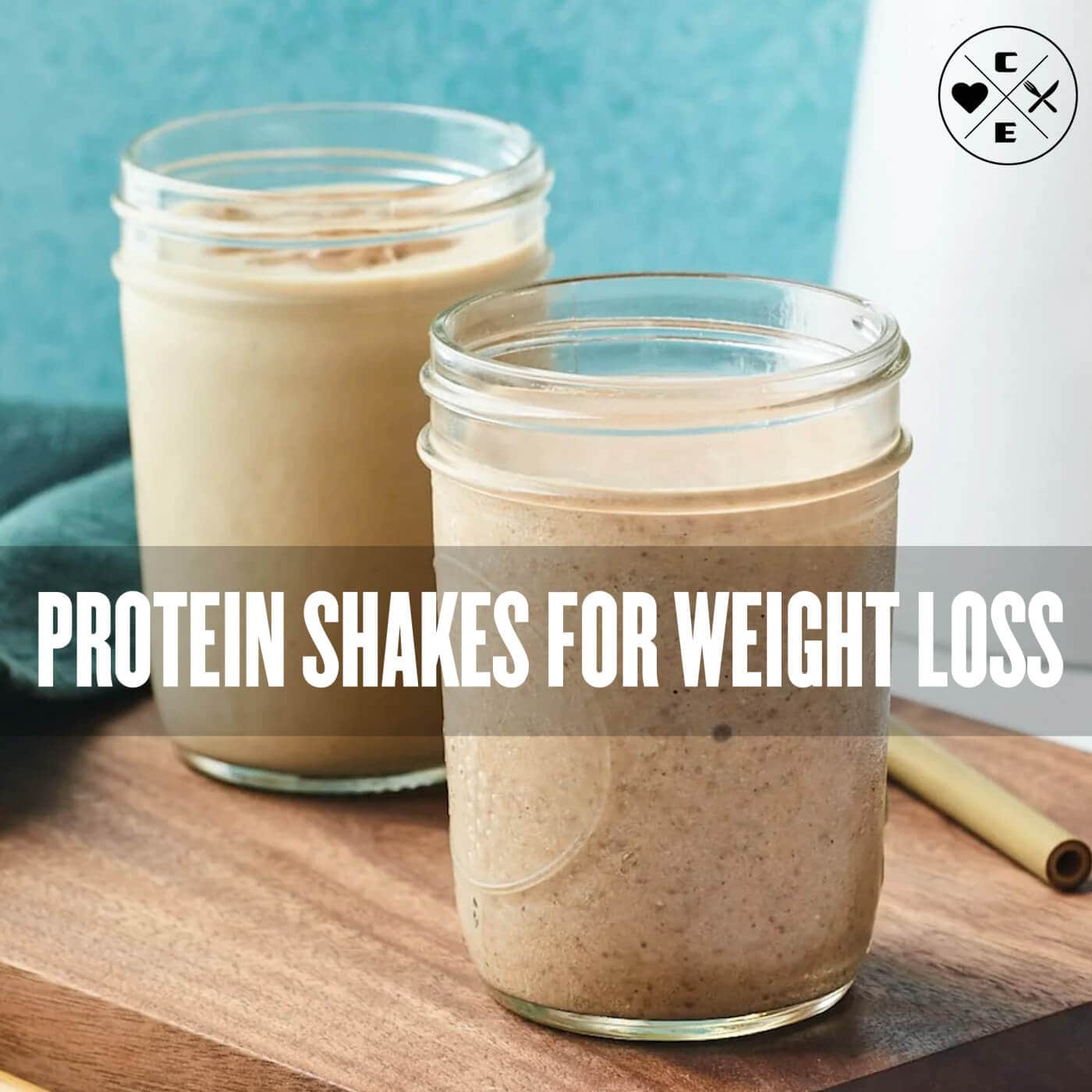
A high-satiety smoothie that works as a meal replacement: blend one scoop of protein powder with a cup of Greek yogurt, a handful of frozen berries, a handful of spinach, a tablespoon of chia seeds, and enough water or ice to reach your preferred consistency. This combination delivers protein from multiple sources, fiber from the chia and berries, and enough volume to feel like a real meal.
For a lighter snack shake, try one scoop of protein with a cup of unsweetened almond or soy milk, half a banana, and a tablespoon of ground flax. It's quick, satisfying, and won't derail your calorie budget.
If you're a coffee person, blend one scoop of protein with chilled coffee, half a frozen banana, half a cup of milk, and ice. You get your caffeine fix and your protein in one glass—and yes, caffeine may offer a small metabolic boost of its own. Our coffee and weight loss article covers the research.
Don't want to make your own? The Clean Eatz meal plans include calorie-controlled options that pair perfectly with a protein shake strategy. You can check macros for any meal on our Nutrition Info page.
Safety and Quality Considerations
If you're using shakes with artificial sweeteners, be aware that the WHO doesn't recommend non-sugar sweeteners specifically for long-term weight control.4 That doesn't mean they're dangerous—unsweetened or lightly sweetened options are fine, and if sweeteners help you reduce your overall added sugar intake, that's a net positive.
Lactose sensitivity is common, but whey isolate is very low in lactose compared to concentrates. If dairy still bothers you, plant-based powders eliminate the issue entirely.
Worried about kidney health? In healthy adults, the higher protein intakes used in weight loss studies haven't shown any harm to kidney function.5 If you have existing kidney disease or risk factors, work with your doctor to personalize your protein targets.
Quality assurance matters. Stick with products that carry third-party certifications like NSF Certified for Sport, Informed Choice, or USP Verified. The supplement industry isn't tightly regulated, and these certifications are your best protection against products that don't deliver what they promise.
FAQs
How many protein shakes should I drink per day for weight loss?
Usually one as a meal replacement or one to two as snacks is plenty. Let shakes fill protein gaps rather than replace most of your meals—the rest of your nutrition should come from whole foods.
What's the best time to drink a protein shake for weight loss?
Whenever it helps you stay consistent. Morning for a quick breakfast, post-workout for recovery, or late afternoon as a hunger bridge to dinner all work well. Consistency matters more than perfect timing.
Are plant-based protein shakes as effective as whey for weight loss?
Yes, when you get enough total protein. Plant blends combining pea, rice, or soy can match whey's amino acid quality. Focus on hitting 20–40 grams per shake regardless of the source.
Can protein shakes replace meals entirely?
One shake per day as a meal replacement can work well, especially for busy mornings or lunches. However, replacing multiple meals with shakes long-term isn't ideal—whole foods provide fiber, micronutrients, and eating satisfaction that shakes can't fully replicate.
Do I need to track calories if I'm using protein shakes?
Not necessarily. Shakes make portioning easy since the nutrition is right on the label. If you prefer a non-tracking approach, check out our portion control guide and stick to the calorie targets above.
The Bottom Line
Protein shakes are a practical tool for weight loss—not because they're magic, but because they solve real problems. They make hitting your protein targets easier, they're fast when you're busy, and they help you avoid the grab-whatever-is-convenient trap that derails so many diets.
Use them strategically: one per day as a meal replacement or one to two as snacks, with the rest of your nutrition coming from whole foods. Choose a quality protein powder like Clean Eatz Protein Powder that delivers clean ingredients without artificial aftertastes, and pay attention to fiber content so your shakes actually keep you full.
For a deeper dive into building a complete weight loss eating strategy, our Best Foods for Weight Loss guide covers everything from protein sources to carbs to meal timing. And if you'd rather skip the meal prep entirely, explore our Weight Loss Meal Plan—calorie-controlled, macro-balanced meals delivered to your door.
References
- Meal replacements vs. food-only programs—systematic reviews and RCTs. Obesity Reviews 2019; Clin Nutr ESPEN 2021; Nutrients 2024 RCT.
- Higher protein preserves lean mass during weight loss—meta-analyses. Obes Res Clin Pract 2024.
- Per-meal protein (≈20–40 g) and distribution across the day—position stands. ISSN 2017; ISSN nutrient timing.
- Non-sugar sweeteners: weight control guidance. WHO 2023 guideline.
- Kidney safety in healthy adults at higher protein intakes. Systematic review & meta-analysis 2018.
Educational content only; not medical advice.