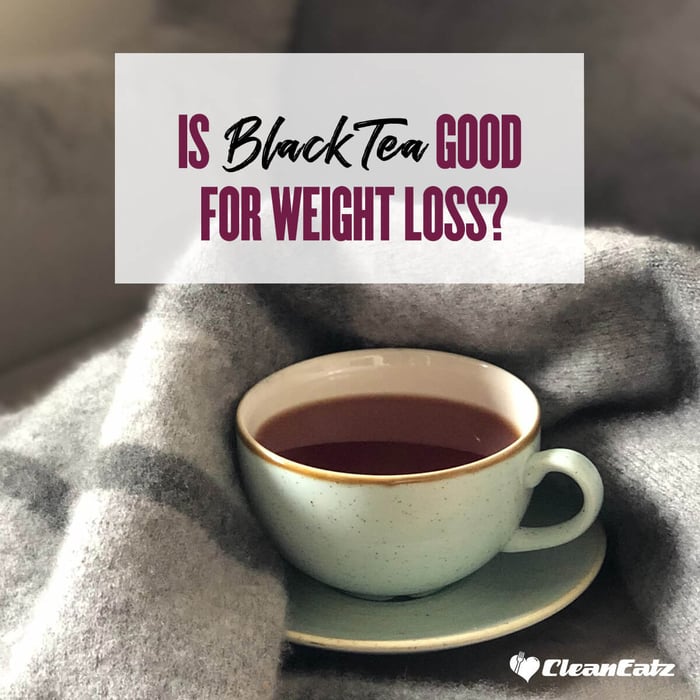

Quick Answer: Green tea has the strongest human evidence, with oolong close behind, but the gap between true teas is small enough that taste should decide it. Across the research, tea contributes roughly 1 to 3 pounds over about 12 weeks when paired with a calorie deficit. The larger, more reliable benefit is simpler: an unsweetened cup replaces a sweetened drink at almost zero calories. Skip anything marketed as a detox or slimming tea.
Search "best tea for weight loss" and you will find pages promising that one cup melts belly fat. The research tells a quieter story. Tea is a genuinely useful habit for someone trying to lose weight, just not for the reasons the marketing suggests.
Here is what the evidence actually supports for each type, which ones are worth your time, and the one category to walk past entirely.
What Makes a Tea "Good" for Weight Loss
Two things are going on, and they are not equally important.
The first is the calorie swap, and it is by far the bigger lever. Plain brewed tea runs about 2 calories per cup. If it takes the place of a sweetened coffee drink, a soda, or a juice, you have removed somewhere between 100 and 250 calories from your day without touching a single meal. Repeat that daily and the arithmetic gets meaningful fast.
The second is the catechin-and-caffeine effect, and it is real but small. All true teas come from Camellia sinensis and carry both caffeine and polyphenols. Together these modestly nudge fat oxidation and energy expenditure. The problem is scale. The Cochrane review on green tea for weight loss found reductions that were statistically detectable but small enough that the authors flagged them as not clinically important. A 2024 meta-analysis of green tea catechins alongside exercise training reached a similar conclusion, describing the additive benefit over exercise alone as quite minimal.
That is the honest baseline. Tea helps at the margins. Nothing in a teacup substitutes for the calorie deficit that actually drives fat loss, which our 100 Best Foods for Weight Loss guide breaks down in full.
The Best Teas for Weight Loss, Ranked by Evidence
| Tea | Caffeine per cup | Evidence strength | Best for |
|---|---|---|---|
| Green | 25–50 mg | Strongest — multiple human trials and reviews | The default choice |
| Oolong | 30–60 mg | Good — small controlled trials | Fat oxidation, including overnight |
| Black | 40–70 mg | Moderate — mostly animal and early human work | Coffee drinkers stepping down |
| Matcha | 60–80 mg | Indirect — inferred from green tea | Higher catechin dose per serving |
| White | 15–30 mg | Weak — largely laboratory studies | Caffeine-sensitive drinkers |
| Herbal | 0 mg | Minimal for weight specifically | Evening, when caffeine is off the table |
Green Tea
Green tea is the most studied option and the sensible default. Its leaves are steamed immediately after harvest rather than oxidized, which preserves a high concentration of catechins, especially EGCG. Effects in the research are consistent in direction and modest in size, generally landing between 1 and 2.5 pounds over 12 weeks when combined with diet and exercise. Worth knowing: most of the more dramatic findings come from concentrated extracts at doses far above what brewing delivers, and those extracts carry their own risks. Our full breakdown of green tea and weight loss covers dosing, brewing, and the extract question in detail.
Weight Loss Meal Plan Delivery

$89.95
Weight Loss Meal Plan Delivery – Delicious, Calorie-Controlled Meals Take the guesswork out of eating healthy and achieving your weight loss goals with our Weight Loss Meal Plan Delivery. Our expertly crafted, portion-controlled meals are balanced with the right… read more
Oolong Tea
Oolong sits between green and black in oxidation, and it has one of the cleaner pieces of evidence in this whole category. A randomized, placebo-controlled crossover trial published in Nutrients found that two weeks of daily oolong raised fat oxidation by roughly 20 percent, with the effect persisting during sleep. One important caveat the study itself raises: total energy expenditure did not change. Burning a higher proportion of fat for fuel is not the same as burning more calories overall, and only the second one moves the scale.
Black Tea
Black tea is fully oxidized, which converts most catechins into larger polyphenols that are too big to absorb in the small intestine. They travel to the colon instead, where UCLA researchers found they shifted gut bacteria populations in mice in a direction associated with leaner body composition. That study was in mice and has not been replicated in humans, so treat it as a promising mechanism rather than a proven result. On the human side, a 2025 review in the International Journal of Food Science covering trials from 1990 to 2024 reported associations with modest reductions in body weight and waist circumference, and a separate study noted greater reported fullness before meals. If the gut angle interests you, our piece on gut health and weight loss goes deeper.
Matcha
Matcha is green tea leaf ground into powder and whisked into water, so you consume the entire leaf instead of an infusion. That means a meaningfully higher catechin and caffeine load per serving. What does not exist is a trial showing that the extra dose produces extra weight loss. The reasonable position is that matcha is at least as good as green tea and possibly a bit better, with the tradeoff being more caffeine per cup.
White Tea
White tea is the least processed of the true teas and tests high in total polyphenols, sometimes higher than green or oolong in laboratory comparisons. The catch is that nearly all of the white tea research is in vitro or in cell models. Human weight-loss trials are essentially absent. It is a fine choice, especially if you are caffeine-sensitive, but the evidence base is thin and you should not pick it expecting more than green tea delivers.
Herbal Teas
Chamomile, peppermint, rooibos, hibiscus, and ginger are not true teas at all. They come from different plants, contain no caffeine, and have little direct evidence for weight loss. They still earn a place in the day. A warm, calorie-free drink in the evening handles the after-dinner habit that often turns into snacking, and it does so without the caffeine that would otherwise interfere with sleep. Since sleep quality shapes hunger and satiety hormones more than most people expect, that is not a small contribution.
Skip the Detox and Slimming Teas
This is the one clear warning in an otherwise low-stakes topic. Products sold as detox teas, skinny teas, or teatoxes are a different category from anything above, and the evidence does not support them.
A 2026 mini-review in Frontiers in Nutrition examined the full published literature on diet and detox teas marketed for weight loss and found it amounts to only ten studies. The authors concluded that these products offer minimal demonstrated benefit and may pose meaningful health risks. Their review documented case reports of electrolyte disturbances, cardiovascular events, and liver injury in otherwise healthy people, along with product analyses that turned up undeclared pharmaceutical ingredients in teas labeled as natural.
Most of these blends are built on a stimulant laxative. Any quick drop on the scale is fluid and stool weight, and it returns as soon as you stop. Your liver and kidneys already handle detoxification continuously, and no beverage improves on that. If you want the supplement question answered more broadly, our evidence-based guide to weight loss supplements sorts the few things with support from the many without.
How to Actually Use Tea for Weight Loss
Drink it unsweetened. This is the whole ballgame. A cup of plain tea is about 2 calories; a sweetened bottled tea can run 150 or more, which erases the point entirely. If plain is too austere, lemon, cinnamon, mint, or fresh ginger add flavor without calories.
Aim for around 3 cups a day. That is roughly what the studies reporting any effect used. More is not better, and pushing past 5 or 6 cups mostly buys you caffeine side effects.
Keep it to mornings and early afternoons. Caffeine has a long tail, so stop at least 6 hours before bed. Sacrificing sleep for a metabolic effect this small is a bad trade.
Drink it between meals rather than with them. Tea polyphenols reduce iron absorption from food, which matters if you are already running low on iron.
Let it steep properly. Two to three minutes for green and white, three to five for black and oolong. Longer steeping extracts more polyphenols along with more bitterness.
And treat it as an addition, not a strategy. Tea works at the margins of a calorie deficit. It does not create one.
The Bottom Line
Pick green tea if you want the best-studied option, oolong if you like a maltier cup, black if you are stepping down from coffee, and herbal for the evening. The differences between them are smaller than any article promising a single winner will admit. What consistently matters is that unsweetened tea replaces something with calories in it, and that the rest of your eating supports the deficit doing the real work.
That last part is where most people stall, and it is the part tea cannot solve. Our Weight Loss Meal Plan handles it directly, with chef-prepared meals portioned to 300 to 500 calories and 20 to 35 grams of protein, delivered ready to heat. If you would rather choose every meal yourself, Build-a-Meal Plan lets you filter by goal to surface weight-loss-friendly options, or by protein to find the 35g+ meals. No subscription either way.
Frequently Asked Questions
What is the best tea for weight loss?
Green tea has the most human research behind it, and oolong is the closest runner-up. But the differences between true teas are small. The bigger win is swapping a sweetened drink for any unsweetened tea, which can remove 100 to 250 calories from your day without changing anything else.
Which tea burns the most belly fat?
No tea targets belly fat specifically. Spot reduction is not possible with any food or drink. Some studies on green tea catechins have reported small reductions in waist circumference, but those changes came alongside overall fat loss driven by a calorie deficit, not from the tea itself.
How much tea should I drink to lose weight?
Most studies reporting any effect used roughly 3 to 4 cups per day. Drink it unsweetened, spread it through the morning and early afternoon, and stop 6 or more hours before bed so the caffeine does not cut into your sleep.
Do detox or slimming teas work for weight loss?
No. A 2026 review in Frontiers in Nutrition found these products offer minimal demonstrated benefit and may carry meaningful health risks, including undeclared pharmaceutical ingredients. Most contain a stimulant laxative, so any drop on the scale is fluid and stool weight that returns as soon as you stop.
Is matcha better than green tea for weight loss?
Matcha delivers more catechins per serving because you drink the whole ground leaf rather than an infusion. No trial has shown that this translates into more weight loss, though, and matcha is also higher in caffeine. Choose it if you prefer the taste.