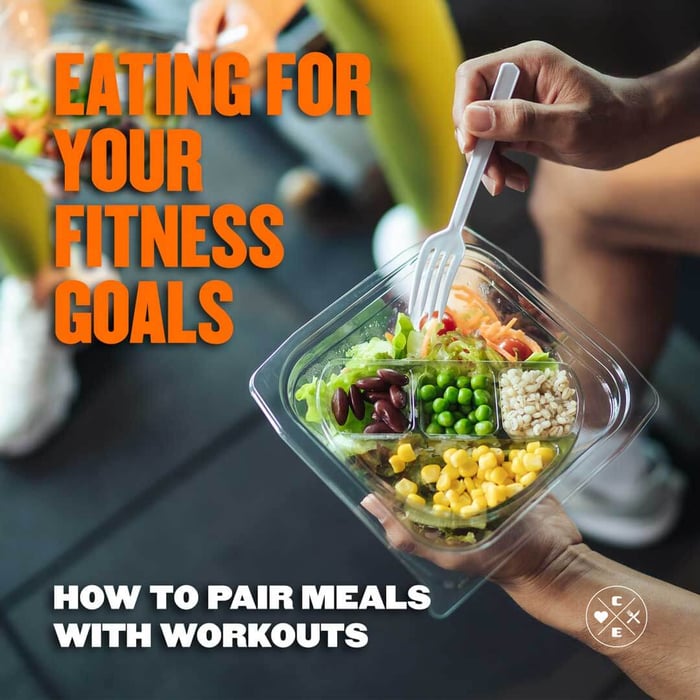

Quick Summary: What you eat before and after exercise matters as much as the workout itself. For best results, eat a carb-focused meal 2-3 hours before training for energy, and consume protein with carbs within 2 hours after to support muscle recovery. Your specific approach should match your goals—whether that's weight loss, muscle building, or endurance training.
Why What You Eat Around Your Workout Matters
You're hitting the gym and putting in the effort, which is awesome. But sometimes, even with all that hard work, you might not be seeing the results you expect. Here's the thing most people miss: your nutrition around workouts can be just as important as the workout itself.
Think about it this way—you wouldn't try to drive across the country on an empty tank. Your body works the same way. It needs the right fuel to power through those squats and sprints, and afterward, it needs specific nutrients to recover and rebuild stronger.
That's where meal timing comes in. It's not about obsessing over every minute, but about providing your body with the right nutrients at the right time. Whether you want to lose weight, build muscle, or simply have more energy throughout the day, strategic eating can make a real difference.
For a deeper dive into how nutrition and training work together, our Complete Exercise Guide for Weight Loss covers the evidence-based strategies that actually work.
Complete Exercise Guide.
Get our free guide — all the info you need on exercising, all in one place.
Know Your Fitness Goals First
Before diving into meal timing, take a step back and think about what you're actually trying to achieve. Your nutritional strategy should match your specific goals.
Weight loss or fat loss: You'll likely focus on creating a modest calorie deficit while still fueling your workouts effectively. This doesn't mean eating less around exercise—it means eating smarter so your body performs well and recovers properly while still burning fat.
Muscle building and strength training: Protein becomes especially important here. You need enough to support muscle repair and growth, typically 20-40 grams in your post-workout meal. Our Complete Guide to Gaining Healthy Weight breaks down the specifics.
Endurance and performance: Carbohydrates are your primary fuel source for longer activities. Glycogen—stored carbs in your muscles and liver—determines how long you can sustain effort before hitting the wall.
General fitness and well-being: A balanced approach works best here. Focus on whole foods, adequate protein, and enough carbs to fuel your activity level without overcomplicating things.
The Three Phases of Workout Nutrition
There are three windows to think about when timing your nutrition: before, during, and after your workout. Each serves a different purpose, and getting them right can meaningfully impact your results.
Pre-Workout: Setting Yourself Up for Success
What you eat before exercise provides the energy to perform and helps prevent muscle breakdown during training. The goal is giving your body accessible fuel without feeling weighed down.
Timing matters here. For larger meals containing 600-800 calories, eat 3-4 hours before your workout. For moderate meals or snacks in the 300-400 calorie range, 1-3 hours works well. If you're grabbing something quick under 200 calories, 30-60 minutes is fine.
Focus on complex carbohydrates paired with moderate protein. Oatmeal with fruit and a handful of nuts gives you sustained energy. Whole-grain toast with avocado or nut butter is another solid choice. If you're training later in the day, a meal like brown rice with vegetables and lean protein works perfectly. For more specific meal ideas, check out our 10 Best Pre-Workout Meals for Athletic Performance.
The key is finding what your stomach tolerates. Some people can eat a full meal an hour before training with no issues. Others need more time to digest. Pay attention to what works for your body.
During Workout: When It Actually Matters
Here's the honest truth: most people don't need to eat during their workout. If you're training for an hour or less at moderate intensity, water is all you need.
Intra-workout nutrition becomes important when you're training for 60-90 minutes or longer, or during very high-intensity sessions. Endurance athletes, long-distance runners, and those doing extended gym sessions may benefit from quick-digesting carbs like a banana, dried fruit, energy gels, or a sports drink.
The priority during any workout is hydration. Sip water regularly throughout your session. If you're sweating heavily or training in hot conditions, an electrolyte drink can help replace what you're losing.
Post-Workout: The Recovery Window
After you finish training, your body shifts into repair mode. The micro-tears in your muscle fibers from exercise need protein to rebuild. Your glycogen stores need carbohydrates to replenish. This is when nutrition has the most direct impact on your results.
Research supports eating within 30 minutes to 2 hours after exercise, though the exact timing is less critical than simply eating a balanced meal reasonably soon. Aim for 20-30 grams of protein to kickstart muscle protein synthesis, along with quality carbohydrates to restore energy.
Good post-workout options include grilled chicken with brown rice and vegetables, salmon with quinoa and a side salad, a smoothie with protein powder and fruit, or Greek yogurt with berries and a drizzle of honey. For a complete breakdown, our guide to the 10 Best Foods to Eat After a Workout covers this in detail.
If you're following a low-carb approach, protein still takes priority after training. Our Complete Guide to Low-Carb Eating for Exercise shows how to adapt recovery nutrition to fit your dietary preferences.
Nutrition by Workout Type
Different training styles create different demands on your body. Here's how to adjust your approach based on what you're doing.
Strength Training
When you're lifting weights, protein becomes especially important. The mechanical stress of resistance training creates the stimulus for muscle growth, but your body needs amino acids to actually build that new tissue. Aim for 20-30 grams of protein within 30-60 minutes after your session, paired with complex carbs like brown rice, quinoa, or sweet potatoes to replenish energy stores.
Don't neglect carbs on lifting days—they fuel your performance and help with recovery. The idea that carbs should be avoided for muscle building is a persistent myth that doesn't hold up to the research.
Cardio Workouts
Cardiovascular exercise relies heavily on glycogen for fuel, making carbohydrates your friend before and after cardio sessions. Before a run or cycling session, focus on easily digestible carbs that won't weigh you down. Afterward, replenish with a mix of carbs and moderate protein to recover and prepare for your next session.
HIIT Training
High-intensity interval training is uniquely demanding because it taxes both your aerobic and anaerobic systems. You're essentially doing strength work and cardio simultaneously, which means you need fuel for power output and endurance.
A balanced pre-workout meal with carbs and protein serves HIIT well. Post-workout, don't skimp on either macronutrient—your body has worked hard and needs comprehensive recovery nutrition.
Endurance Sports
If you're training for a marathon, long-distance cycling, or other endurance events, carbohydrate intake becomes critical. Your muscles can store between 350-700 grams of glycogen, and extended efforts will deplete these stores. In the days leading up to a big event, focus on complex carbs to maximize your glycogen reserves.
During long training sessions or events lasting more than 90 minutes, you'll likely need to refuel on the go. Practice your intra-workout nutrition during training so you know what your stomach tolerates on race day.
Common Myths That Hold People Back
"No carbs after 6 PM": Your body doesn't have a magic switch that makes carbohydrates behave differently at night. What matters is your total daily intake and how it supports your activity level. If you train in the evening, carbs after 6 PM are not just fine—they're helpful for recovery.
"Fasted workouts burn more fat": While exercising on an empty stomach may slightly increase the percentage of fat burned during the session, it often comes at the cost of workout quality. Lower energy typically means less intensity, which can mean fewer total calories burned. More importantly, what matters for fat loss is your overall calorie balance, not whether you ate before one specific workout.
"Meal timing is too complicated": It really doesn't have to be. The basics are simple: eat a balanced meal a few hours before training, maybe have a small snack if needed closer to your workout, and eat protein and carbs within a couple hours after. You don't need to time things to the minute or carry around a stopwatch.
Making It Work in Real Life
Knowledge is only useful if you can actually apply it. Here are practical ways to make workout nutrition fit into a busy life.
Plan ahead: Just like you schedule your workouts, set aside time to plan your meals. Knowing what you'll eat before and after training removes the guesswork and prevents last-minute poor choices.
Prep in batches: Cook larger portions of proteins and grains on weekends. Having grilled chicken, cooked rice, and chopped vegetables ready to go means you can assemble a proper pre- or post-workout meal in minutes. Our Complete Meal Prep Guide walks through exactly how to set up an efficient system.
Keep portable options ready: Stock up on convenient foods for busy days. Greek yogurt, bananas, trail mix, protein bars, and nut butter packets travel well and cover your bases when you can't sit down for a proper meal.
Consider meal delivery: When time is truly tight, prepared meals can be a game-changer. Clean Eatz Kitchen's High Protein Meal Plan delivers portion-controlled, macro-balanced meals that take the thinking out of post-workout nutrition. The meals arrive frozen and reheat in minutes—perfect for that critical recovery window.
A Note on Supplements
Walk through any fitness store and you'll see shelves of products promising to transform your results. The reality is more nuanced.
Whole foods should always be your foundation. They provide vitamins, minerals, fiber, and phytonutrients that work together in ways supplements can't replicate. That said, a few supplements have solid research behind them.
Protein powder can be genuinely useful if you struggle to meet your protein needs through food alone, especially right after training when you might not feel like a full meal. Creatine has decades of research supporting its benefits for strength and muscle building, though it's not essential for everyone. Beyond that, most supplements offer marginal benefits at best.
Before adding any supplement to your routine, talk to a registered dietitian or your doctor. They can help you determine what actually makes sense for your goals and situation.
Frequently Asked Questions
What should I eat before a workout?
Focus on complex carbohydrates paired with moderate protein. Good options include oatmeal with fruit, whole-grain toast with nut butter, or a banana with Greek yogurt. Eat a full meal 2-3 hours before, or a smaller snack 30-60 minutes before your session.
How soon after a workout should I eat?
Aim for a meal or substantial snack within 30 minutes to 2 hours after finishing. This window is when your muscles are most receptive to nutrients for recovery and rebuilding.
What is the best post-workout meal for muscle building?
A combination of 20-30 grams of protein with complex carbohydrates works best. Think grilled chicken with brown rice, salmon with quinoa, or a protein smoothie with banana and oats.
Do I need to eat during my workout?
For most sessions under 60 minutes, just water is fine. For longer or very intense workouts, quick-digesting carbs like a banana, dried fruit, or sports drink can help maintain energy.
Is it better to work out on an empty stomach?
While some people tolerate fasted training, eating before exercise typically improves performance and prevents muscle breakdown. Even a small snack can make a meaningful difference in how you feel and perform.
The Bottom Line
Pairing your meals with your workouts doesn't require a nutrition degree or obsessive tracking. The fundamentals are straightforward: fuel up with carbs and protein before training, stay hydrated during, and recover with protein and carbs afterward. Adjust the specifics based on your goals—more carbs for endurance, more protein focus for muscle building, and smart portions for weight loss.
The real key is consistency. A good enough meal plan that you actually follow will always beat a perfect plan that you abandon after a week. Start simple, pay attention to how your body responds, and refine from there.
Ready to take the guesswork out of nutrition? Explore Clean Eatz Kitchen's Build Your Meal Plan to customize meals that fit your training schedule and goals. With chef-prepared, portion-controlled options delivered to your door, you can focus on what matters most—showing up and putting in the work.