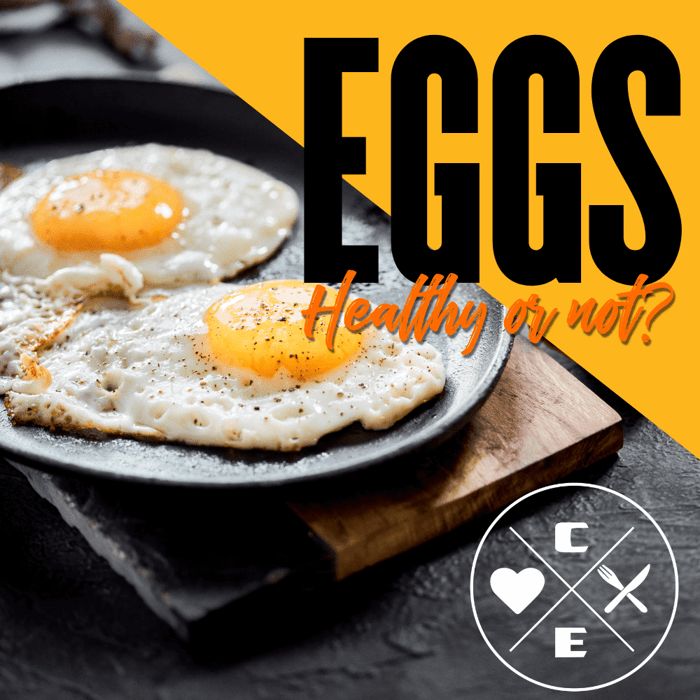
Quick Answer: Yes—eggs are one of the best foods for weight loss. One large egg delivers about 6-7 grams of high-quality protein for just 70 calories, making it incredibly nutrient-dense. Research shows that eating eggs for breakfast increases satiety and leads to eating fewer calories throughout the day. The key is preparation: boiled, poached, or cooked with minimal oil, paired with vegetables for a balanced, filling meal.
Why Eggs Work for Weight Loss
Eggs have a reputation problem they don't deserve. For years, people worried about cholesterol and assumed eggs were "fattening." The reality? A 2025 comprehensive review found that moderate egg intake is not associated with obesity risk in healthy adults. Each egg is only about 70 calories but delivers serious nutritional value—making eggs one of the most efficient protein sources you can eat.
The weight-loss benefit comes down to satiety. Eggs are rich in protein, and protein is the most filling macronutrient. When you eat eggs instead of a carb-heavy breakfast like cereal or a bagel, you feel fuller longer and naturally eat less later in the day. One study found that participants who ate an egg breakfast consumed significantly fewer calories at lunch—and that reduced intake lasted for the entire day and even into the next 36 hours.
There's also the thermic effect to consider. Your body burns more calories digesting protein than it does digesting carbs or fat. Eating eggs (and other high-protein foods) actually increases your metabolism slightly compared to eating the same calories from pancakes or toast. For a complete breakdown of how protein-rich foods support weight management, see our Complete Guide to the Best Foods for Weight Loss.
Egg Nutrition at a Glance
One large egg (about 50 grams) provides roughly 72 calories, 6.3 grams of protein, and 4.8 grams of fat (with about 1.6 grams saturated). There's essentially no carbohydrate—just 0.4 grams. Eggs are also about 77% water by weight, which contributes to their relatively low calorie density.
Beyond the macros, eggs deliver an impressive micronutrient profile. They're particularly rich in selenium (about 25% of your daily value), choline (25-30% DV), and vitamin B12. The yolk contains most of these nutrients, along with vitamins A and D. Egg whites, by contrast, are almost pure protein—about 17 calories and 3.6 grams of protein per white, with virtually no fat or cholesterol.
How to Build a Weight-Loss-Friendly Egg Meal
Eggs alone won't make or break your weight loss—it's how you prepare and pair them that matters. The goal is to create a balanced plate that keeps you full for hours without loading up on calories.
Start with your protein base. One to two whole eggs provides a solid foundation. If you want more protein without extra fat or calories, add two to three egg whites. This combination gives you around 18-20 grams of protein for roughly 170-200 calories.
Load up on vegetables. This is where most people under-deliver. Adding a generous cup (or more) of non-starchy vegetables—spinach, peppers, onions, tomatoes, mushrooms, broccoli—dramatically increases the volume of your meal without adding many calories. You get more fiber, more micronutrients, and a plate that looks and feels satisfying. Sauté vegetables with a measured teaspoon of olive oil or simply steam them.
Add a smart carb. A small serving of complex carbohydrates rounds out the meal and provides sustained energy. Think one slice of whole-grain toast, half an English muffin, a quarter cup of oats, or half a cup of black beans. Keep this portion modest—around 15-25 grams of carbs—to avoid pushing calories too high.
Control added fats. Eggs already contain some fat, so you don't need much more. Use one to two teaspoons of olive oil for cooking, or add a quarter of an avocado, or a small sprinkle of cheese. Healthy fats enhance flavor and satiety, but they're calorie-dense, so measure rather than eyeball. For more on building balanced meals that support your goals, check out our Complete Meal Prep Guide.
5 Quick Egg Meals for Weight Loss
Veggie Egg Scramble with Toast: Scramble one whole egg plus two egg whites with a big handful of spinach, diced bell pepper, and mushrooms. Serve with one slice of whole-grain toast. This comes out to roughly 300 calories with about 20 grams of protein—enough to keep you satisfied all morning.
Avocado Egg Toast: Toast one slice of whole-grain bread, top with a quarter of a mashed avocado, and add a poached or fried egg (cooked with cooking spray). Finish with tomato slices or arugula. Around 300-350 calories with protein from the egg, healthy fat from the avocado, and fiber from the whole grain.
Black Bean and Egg Tacos: Scramble one whole egg plus two whites and divide between two corn tortillas. Add a quarter cup of black beans, plenty of salsa or pico de gallo, and fresh cilantro. About 350 calories for two tacos that feel indulgent but are actually well-portioned. For an even lighter version, use lettuce wraps instead of tortillas.
Big Garden Salad with Eggs: Start with two cups of mixed greens and add cucumber, cherry tomatoes, shredded carrots, and any other vegetables you like. Top with two sliced hard-boiled eggs and a light vinaigrette (one teaspoon olive oil plus vinegar). This high-volume meal runs 300-350 calories depending on dressing and makes an excellent lunch or dinner.
Cauliflower "Fried Rice" Bowl: Sauté one to two cups of riced cauliflower (or a mix of cauliflower rice and a half cup of brown rice) with diced carrots, peas, and broccoli. Push vegetables to the side, scramble one whole egg plus one white in the pan, then mix everything together with a splash of low-sodium soy sauce, garlic, and ginger. About 300-400 calories with tons of vegetables and satisfying protein.
Common Egg Mistakes to Avoid
The trouble with eggs usually isn't the eggs themselves—it's what people add to them. Frying eggs in generous amounts of butter, piling on cheese, and serving with bacon or sausage can easily triple the calorie count of your meal. A two-egg breakfast can go from 150 calories to 500+ without much effort.
Watch your cooking fat. A tablespoon of butter adds about 100 calories. Use nonstick cookware and cooking spray, or measure out a teaspoon of olive oil (about 40 calories) to keep things reasonable.
Be honest about cheese portions. A "sprinkle" of shredded cheese often turns into an ounce or more (110+ calories). If you want cheese, measure it—about two tablespoons of shredded cheese is plenty for flavor without calorie overload.
Skip the processed meats most days. Bacon and sausage are tasty but calorie-dense and high in sodium and saturated fat. Save them for occasional treats rather than daily additions.
Don't forget the vegetables. An egg-only breakfast is fine, but adding vegetables makes the meal more filling and nutritious for minimal extra calories. The fiber helps slow digestion and extends satiety.
Frequently Asked Questions
Are eggs good for weight loss?
Absolutely. Eggs are high in protein, satisfying, and easy to portion. Research shows that eating eggs for breakfast can reduce hunger and overall calorie intake throughout the day. A 2025 review confirmed that moderate egg consumption is not linked to weight gain in healthy adults. The key is pairing eggs with vegetables and using low-calorie cooking methods.
How many eggs should I eat per day?
Most healthy people can eat one to three eggs daily as part of a balanced diet. Start with one to two whole eggs and add egg whites if you want extra protein with fewer calories. Current research, including guidance from Harvard Health, supports one egg per day for most people. Adjust based on your total calorie and protein needs.
Should I eat whole eggs or just egg whites?
Both work well for weight loss. Whole eggs provide essential nutrients (the yolk contains vitamins A, D, B12, choline, and selenium), while egg whites offer protein with almost no fat or calories. Many people combine them—one whole egg plus two to three whites gives you flavor, nutrients, and high protein without excessive calories.
What's the best way to cook eggs for weight loss?
Boiled, poached, or pan-cooked with minimal oil are your best options. These methods avoid adding unnecessary fat and calories. Use nonstick cookware, cooking spray, or a measured teaspoon of olive oil. Avoid drowning eggs in butter or cooking them in bacon grease.
Can I eat eggs at night?
Yes. Meal timing has minimal impact on weight loss—what matters is your total daily calorie intake. Eggs make a solid evening protein option because they're quick to prepare and satisfying. Some people find that protein at dinner helps prevent late-night snacking.
The Bottom Line
Eggs are one of the most weight-loss-friendly foods you can eat. They're affordable, versatile, quick to prepare, and deliver high-quality protein that genuinely keeps you full. The research consistently shows that people who eat eggs for breakfast consume fewer calories over the course of the day compared to those eating carb-heavy alternatives.
The key is context: use eggs to replace higher-calorie foods rather than adding them on top. Pair them with plenty of vegetables, control your cooking fats, and skip the processed meat add-ons most of the time. Do that, and eggs become a powerful tool in your weight-loss toolkit.
Want to simplify your mornings? Our Breakfast Sandwiches and Breakfast Meal Plan deliver high-protein, portion-controlled meals straight to your door. Or build your perfect week with our Build-A-Meal Plan.
Related reads: 10 Healthy Breakfast Ideas for Weight Loss | 9 High-Protein Breakfast Ideas | Best Foods for Weight Loss Guide
This content is for educational purposes only and does not replace personalized professional advice.