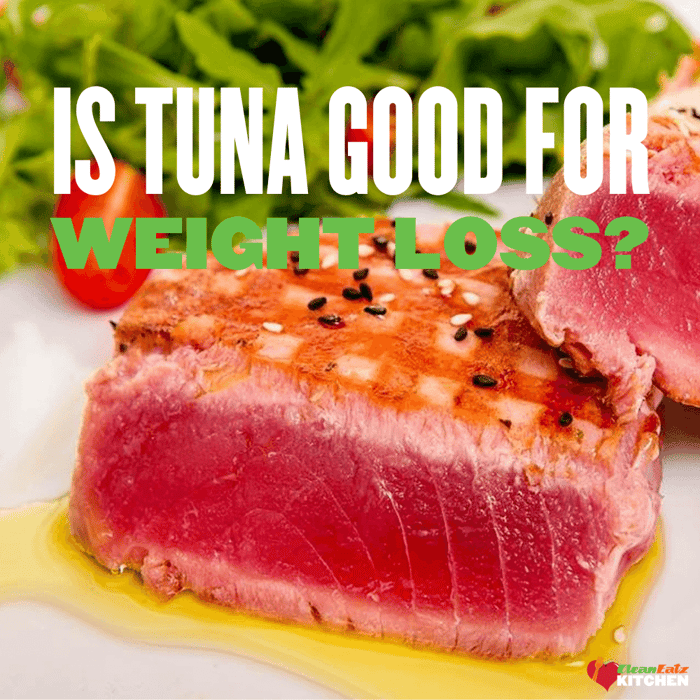

Quick Answer: Yes—tuna is excellent for weight loss because it's incredibly protein-dense and low in calories. A 3-ounce serving of water-packed light tuna delivers 16-20g protein for only 70-100 calories, with most of its calories coming from pure protein. Choose water-packed over oil-packed, use Greek yogurt in tuna salad, and stick to 2-3 servings of light tuna per week due to mercury considerations. Build complete meals with vegetables and whole grains for maximum satisfaction.
Table of Contents
- Introduction: The Tuna Sandwich That Changed Everything
- Why Tuna Is a Weight Loss Superstar
- Complete Guide: Types of Tuna & Mercury Levels
- How to Buy Tuna (Smart Shopping Strategies)
- Preparation Guide: Making Tuna Work for Weight Loss
- Mediterranean Tuna Power Bowl Recipe
- 5 Satisfying Tuna Meals Under 450 Calories
- 6 Tuna Salad Variations That Beat Boredom
- 7 Mistakes That Sabotage Your Weight Loss Goals
- Mercury Safety: What You Actually Need to Know
- Frequently Asked Questions
- The Bottom Line
Introduction: The Tuna Sandwich That Changed Everything
Here's the thing about tuna: many people dismiss it as sad desk lunch food—the thing you eat when you forget to meal prep and the office cafeteria looks questionable—just some canned fish with too much mayo on boring white bread. However, it's one of the most weight-loss-friendly proteins you can buy, and it can be pretty delicious (even in a sandwich) with some creativity in the kitchen. Unlike fresh fish that needs to be cooked within a day or two, canned tuna is shelf stable and ready whenever you need a quick, high-protein meal; no thawing, no cooking, no excuses.
Tuna is not a magical, stand-alone solution to your weight loss efforts. But it is a high-protein lunch option that can keep you full through the afternoon slump when busy, working adults often raid the office vending machine. That's the real power of tuna: it's so convenient and so protein-packed that it makes staying on track with your weight loss goals more attainable.
Here's what most people mess up—they drown tuna in half a cup of mayonnaise, turning a 100-calorie food into a 500-calorie disaster. This guide will teach you exactly how to use tuna for weight loss—which types to buy, how to prepare it, how to stay within safe mercury limits, and how to build satisfying meals that actually help you drop pounds, including tips for tasty sandwiches!
Why Tuna Is a Weight Loss Superstar
Let's break down the three main reasons tuna should be in your weight loss arsenal—and why it works better than you might think.
The Protein Powerhouse
This is what makes tuna genuinely special. According to USDA data, a 3-ounce serving of canned light tuna in water provides approximately 20 grams of protein for only 86 calories!
Tuna is a low-calorie protein source because it's low in fat to begin with, and there are canned/pouch options with no additional fat added (packed in water). Why does this matter for weight loss? Research shows that protein increases satiety, helping you naturally eat less throughout the day. A higher protein intake also helps preserve lean muscle mass during weight loss, which keeps your metabolism running at a healthy rate. Tuna can help you hit your protein targets (typically 0.7-1.0g per pound of body weight for weight loss) without blowing your calorie budget—which makes all the difference when trying to lose weight. Compare these numbers to another low-fat protein source: a chicken breast. The same amount of a chicken breast (3 ounces) provides a similar protein amount but packs about 130 calories due to a bit more fat. Tuna is mostly protein, almost no fat, and zero carbs, making it a low-calorie protein powerhouse.
The Convenience Factor: Your Emergency Protein Stash
Let's be honest—most weight loss plans fail not because of lack of knowledge, but because of lack of preparation. You're starving, nothing's ready, and suddenly that drive-through looks really appealing. This is where tuna becomes your secret weapon.
Canned tuna has a shelf life of 3-5 years. Stock your pantry with a dozen cans, and you always have protein 60 seconds away. No defrosting chicken overnight. No stopping at the store. No excuses. Open a can, drain, and add to a salad or whole grain bread—done. This convenience factor is massive for long-term adherence. The best diet is the one you can actually stick to, and tuna makes sticking to it exponentially easier. Pouches are even more convenient—no can opener needed, less liquid to drain, and easier to toss in a work bag or gym bag. When convenience and nutrition align, weight loss becomes sustainable instead of a constant struggle.
The Budget Advantage: Premium Protein at Budget Prices
Here's something nobody talks about enough: weight loss shouldn't require a premium grocery budget. At $1-2 per can, tuna delivers more protein per dollar than almost any other source. Compare that to fresh fish at $10-15+ per pound, or even fresh chicken breast at $3-5+ per pound, and you start to see why tuna is such a game-changer for people trying to lose weight on a budget. This economic accessibility means weight loss doesn't have to be a luxury. You don't need expensive meal delivery services or premium organic proteins. You need smart choices, and tuna is one of the smartest.
Complete Guide: Types of Tuna & Mercury Levels
Not all tuna is created equal when it comes to weight loss—or safety. Understanding the different types helps you make informed choices that support both your weight goals and your health. Serving sizes for fresh tuna, cans, and pouches can vary. The chart below uses a common 3-ounce serving size.
| Type of Tuna | Calories (3 oz) | Protein (3 oz) | Mercury Level | FDA Category | Recommended Frequency |
|---|---|---|---|---|---|
| Light Tuna (Skipjack) - Water-Packed | 70-100 cal | 16-20g | Low | Best Choice | 2-3 servings/week |
| Albacore/"White" Tuna - Water-Packed | 100-120 cal | 20-26g | Moderate | Good Choice | 1 serving/week |
| Yellowfin (Ahi) - Fresh/Frozen Steak | 110-130 cal | 24-27g | Moderate | Good Choice | 1 serving/week |
| Bigeye Tuna | 120-140 cal | 24-28g | High | Avoid | Not recommended |
| Light Tuna - Oil-Packed (drained) | 120+ cal | 17-20g | Low | Best Choice | Less often (higher calories) |
Understanding Mercury Levels
Fish is an important part of a healthy diet, as it provides essential fatty acids (omega-3 fatty acids). The Dietary Guidelines for Americans recommend adults eat at least 2 servings of fish per week (8 oz). Unfortunately, fish (including tuna) can expose you to mercury. Mercury is a heavy metal that can build up in the human body and affect the brain and nerves. It accumulates in fish through the food chain—larger, longer-lived fish accumulate more mercury. Because of this, the FDA has provided guidelines for those most at risk to the adverse effects of mercury exposure—pregnant and breastfeeding adults and children. However, all healthy adults can also follow these recommendations. According to FDA guidelines (used for the table above), canned light tuna is classified as a "Best Choice" with lower mercury levels, allowing consumption of 2-3 servings per week for most adults, including those who are pregnant or breastfeeding (see link for references related to childhood servings). Albacore (white) tuna contains a higher level of mercury than light tuna and is classified as a "Good Choice," with FDA recommendations limiting consumption to 1 serving (4 oz) per week.
Water-Packed vs. Oil-Packed: The Calorie Reality
This is where many people unknowingly sabotage their weight loss. Oil-packed tuna tastes richer and has better texture, but even after draining, it retains significant oil. A 5-ounce serving of water-packed tuna has about 120 calories, while oil-packed has around 200 calories or more for the same amount of protein.
If you love oil-packed tuna, use it occasionally and measure portions carefully. For regular weight loss meal prep, water-packed is your best friend. The flavor difference matters less when you're mixing it with other ingredients anyway.
How to Buy Tuna (Smart Shopping Strategies)
Walking down the canned fish aisle can be overwhelming—dozens of options, confusing labels, massive price variations. Here's exactly what to look for:
The Label Language Decoded
"Chunk Light Tuna in Water": This is your default choice. It's generally skipjack tuna, which has the lowest mercury, lowest calories, and typically the best price. Perfect for everyday use.
"Solid White Albacore Tuna": Higher quality/firmer texture, meatier, but higher in mercury and slightly higher in calories. Use for special meals or when you want restaurant-quality tuna, but not for daily consumption.
"Low Sodium" or "No Salt Added": Regular canned tuna contains 200-300mg sodium per serving. Low-sodium versions have 50-140mg. If you're watching sodium intake (blood pressure concerns, water retention), go low-sodium and season it yourself with herbs and lemon.
"Pole and Line Caught" or "Sustainably Caught": These labels indicate more environmentally friendly fishing practices. Often costs $0.50-1.00+ more per can.
Can vs. Pouch: Which to Choose
Cans: More liquid, require draining, and may need a can opener (some have pop tops). Slightly cheaper (typically $0.80-1.50). Better for home use.
Pouches: Less liquid and no can opener required. More expensive ($1.50-2.50). Perfect for on-the-go meals, office lunches, or gym bags. The convenience premium is worth it if it means you'll actually eat it instead of grabbing fast food.
Brand Recommendations by Budget
Budget-friendly ($0.80-1.20/can): Store brands (Kroger, Target, Walmart) like Starkist and Chicken of the Sea. Perfectly good nutrition, just less premium texture.
Mid-range ($1.50-2.50/can): Options such as Wild Planet and Safe Catch. Better sourcing practices, often lower sodium, and more sustainable fishing methods.
Premium ($3-5/pouch or can): Premium brands like Tonnino and Genova offer restaurant-quality texture and flavor. Save for special meals.
For weight loss meal prep, buy the budget-friendly options in bulk. Save the premium stuff for when you actually care about the texture—most tuna gets mixed with other ingredients anyway.
How Much to Stock
If you're eating tuna 2-3 times per week, buy 8-12 cans per month. When canned tuna goes on sale (watch for $0.80-1.00 per can sales), stock up—it lasts 3-5 years in your pantry. Keep a dedicated "tuna shelf" with extra cans, ensuring you always have easy protein available.
Preparation Guide: Making Tuna Work for Weight Loss
The difference between tuna helping or hurting your weight loss comes down to preparation. Here's how to maximize nutrition while minimizing unnecessary calories.
The Golden Rules for Low-Calorie Tuna
- Drain thoroughly. Turn the can upside down in a strainer and press firmly to remove all liquid. Those extra tablespoons of liquid add sodium and, if oil-packed, hidden calories. Proper draining can save 20-30 calories for oil-packed varieties.
- Measure your mayo. This is where many people blow it. A tablespoon of regular mayo is 90-100 calories. Pour it freely, and you might just add 300+ calories to a 100-calorie food. Use measuring spoons or switch to the Greek yogurt method below.
- Add volume with vegetables. Diced celery, cucumber, bell peppers, and shredded carrots—these add crunch, flavor, and volume for minimal calories. A cup of diced vegetables adds maybe 20-30 calories but makes your portion feel twice as big.
- Choose the right base. A lettuce wrap is 5 calories. Whole grain bread = 100 calories per slice. Regular white bread = 90 calories per slice. A tortilla wrap = 140 calories. These are average calories. Choose based on your calorie budget and hunger level.
The Greek Yogurt Method (Saves Calories)
Replace mayonnaise with plain nonfat Greek yogurt, or do a 50/50 mix of mayo and Greek yogurt. Two tablespoons of regular mayo is approximately 180 calories. Two tablespoons of Greek yogurt is just about 20 calories. That's a 160-calorie savings that tastes remarkably similar once you add mustard, lemon juice, and seasonings.
Here's a go-to option for yummy tuna salad:
- 5 oz can of tuna, drained
- 2 tablespoons nonfat Greek yogurt
- 1 teaspoon Dijon mustard
- 1 teaspoon lemon juice
- 1/4 cup diced celery
- 1/4 cup diced cucumber
- Salt, pepper, and dill to taste
Total calories: About 140 for a huge, satisfying portion. Compare that to traditional tuna salad with mayo at 350+ calories.
Flavor Boosters That Add No Calories
Stop making boring tuna. These ingredients add massive flavor for zero or minimal calories:
- Lemon or lime juice: Brightens everything, cuts any fishiness
- Dijon mustard: Adds tang and creaminess with almost no calories
- Hot sauce or sriracha: 0-5 calories per teaspoon, massive flavor impact
- Capers: Briny, salty punch for 2 calories per tablespoon
- Fresh dill, parsley, or cilantro: Essentially zero calories
- Red onion: 4-5 calories per tablespoon, adds crunch and bite
- Pickles or pickle juice: Tangy flavor, minimal calories
Mediterranean Tuna Power Bowl Recipe
Prep time: 10 minutes | Cook time: 15 minutes | Total time: 25 minutes | Serves: 1
Nutrition per serving: 540 calories | 42g protein | 22g fat | 43g carbs | 9g fiber
Ingredients
- 5 oz water-packed light tuna, drained (1 large can or pouch)
- 3/4 cup cooked quinoa (measured dry: 1/4 cup)
- 1 cup mixed greens or arugula
- 1/2 cup cherry tomatoes, halved
- 1/4 cup cucumber, diced
- 1/4 cup canned chickpeas, drained and rinsed
- 2 tablespoons crumbled feta cheese
- 1 tablespoon extra virgin olive oil
- 1 tablespoon fresh lemon juice
- 1 teaspoon dried oregano
- Salt and black pepper to taste
- Optional: 5-6 kalamata olives, pitted and halved
Instructions
- Cook the quinoa: Rinse 1/4 cup quinoa in a fine-mesh strainer. Combine with 1/2 cup water in a small pot. Bring to a boil, reduce to simmer, cover, and cook for 12-15 minutes until water is absorbed. Fluff with a fork and let cool while you prep other ingredients.
- Prep the vegetables: Wash and dry the greens and veggies. Halve the cherry tomatoes. Dice the cucumber. Drain and rinse the chickpeas.
- Build the bowl: In a large bowl or meal prep container, arrange the mixed greens as your base. Top with the cooked quinoa on one side and drained tuna on another. Next, arrange the cherry tomatoes, cucumber, and chickpeas around the bowl.
- Make the dressing: In a small bowl or jar, whisk together olive oil, lemon juice, dried oregano, and a pinch of salt and pepper. Taste and adjust seasoning.
- Finish and serve: Drizzle the dressing over the entire bowl. Sprinkle with crumbled feta cheese and add olives if using. Toss everything together right before eating, or keep components separate for meal prep (dress right before eating to prevent soggy greens).
Pro tips: Make 2-3 of these on Sunday for weekday lunches. Store dressing separately in small containers. This bowl stays fresh for 3-4 days in the refrigerator. For variety, swap quinoa for brown rice, farro, or even cauliflower rice to reduce carbs. Add 1/4 of an avocado for extra heart-healthy fats.
5 More Satisfying Tuna Meals Under 500 Calories
The key to sustainable weight loss is variety. Here are five completely different ways to use tuna, each satisfying and under 500 calories for a full meal.
1. Tuna-Stuffed Avocado (Approx. 360 calories)
Components: 1/2 large avocado, 5 oz water-packed tuna mixed with 2 tbsp Greek yogurt and diced tomatoes, 1 cup mixed green salad with balsamic vinegar, cherry tomatoes, and cucumber.
Why it works: The healthy fats in the avocado combined with high protein from tuna create incredible satiety. This feels indulgent but keeps you full for hours. Perfect lunch that requires zero cooking.
2. Tuna Nicoise-Inspired Bowl (Approx. 450 calories)
Components: 5 oz water-packed tuna, 1 cup green beans, 3 small boiled potatoes, 1 hard-boiled egg, mixed greens and cherry tomatoes, and 1 tsp olive oil + Dijon dressing.
Why it works: A complete meal with protein from tuna and egg and complex carbs/fiber from the vegetables. Restaurant-quality presentation and flavor for a fraction of the calories.
3. Spicy Tuna Rice Bowl (Approx. 400 calories)
Components: 5 oz water-packed tuna mixed with 1 tbsp sriracha "mayo" (mixed with Greek yogurt), 3/4 cup cooked brown rice, 1 cup steamed broccoli, shredded carrots and cucumber, sliced green onions, and a sprinkle of sesame seeds.
Why it works: Asian-inspired flavors make this exciting. The spice from sriracha boosts satisfaction, and the volume from vegetables makes this a huge, filling bowl.
4. Tuna Melts Done Right (Approx. 490 calories)
Components: 2 slices whole grain bread, 5 oz water-packed tuna mixed with 1 tbsp of Greek yogurt and Dijon mustard, 1 slice cheddar cheese (thin sliced), and a side salad with balsamic vinegar.
Why it works: This satisfies comfort food cravings while staying in your calorie budget. The melted cheese makes it feel indulgent. Toast in a pan with cooking spray instead of butter to save calories.
5. Mediterranean Tuna Lettuce Wraps (Approx. 360 calories)
Components: 5 oz tuna mixed with 2 tbsp hummus; fill 4-5 large romaine lettuce leaves with this plus 1/4 cup diced tomatoes, 1/4 cup cucumber, 2 tbsp feta cheese, 1/4 cup chickpeas, and lemon wedges.
Why it works: Under 400 calories but incredibly filling. The combination of protein and fiber keeps you satisfied, and the lettuce wrap format makes this fun to eat. Perfect for those low-carb days.
Looking for even more variety without the cooking? Our Weight Loss Meal Plan delivers perfectly portioned, chef-prepared meals designed specifically for fat loss. Every meal includes 20g+ protein and is under 500 calories. For higher protein needs, check out our High Protein Meal Plan with 35g+ protein per serving.
6 Tuna Salad Variations That Beat Boredom
Standard tuna salad gets old fast. These six variations use the same base (5 oz drained water-packed tuna) but create completely different flavor profiles—all low-calorie options (note: the serving suggestions add extra calories).
1. Dill Tuna Salad (Approx. 160 calories for tuna + mix-ins)
Mix-ins: 2 tbsp Greek yogurt, 1 tsp Dijon, 1 tsp lemon juice, 1/4 cup diced celery, 1/4 cup diced cucumber, 1 tbsp fresh dill, salt, and pepper.
Serving suggestion: On whole grain crackers, in lettuce wraps, or on a bed of greens.
2. Mediterranean Tuna Salad (Approx. 250 calories)
Mix-ins: 2 tbsp Greek yogurt, 1 tbsp lemon juice, 1/4 cup diced tomatoes, 2 tbsp diced red onion, 2 tbsp crumbled feta, 4 chopped Kalamata olives, oregano, and garlic powder.
Serving suggestion: In a whole wheat pita pocket with cucumber slices.
3. Curry Tuna Salad (Approx. 220 calories)
Mix-ins: 2 tbsp Greek yogurt, 1 tsp curry powder, 1 tsp honey, 2 tbsp diced apple, 2 tbsp diced celery, 1 tbsp raisins, and a pinch of cayenne.
Serving suggestion: On whole grain bread or mixed into a spinach salad.
4. Avocado-Lime Tuna Salad (Approx. 220 calories)
Mix-ins: 1/4 avocado mashed, juice of 1 lime, 2 tbsp diced red onion, 2 tbsp cilantro, 1 tsp jalapeño (optional), salt, and cumin.
Serving suggestion: In corn tortillas for tacos or on top of a black bean salad.
5. Italian Tuna Salad (Approx. 200 calories)
Mix-ins: 1 tsp olive oil, 1 tbsp red wine vinegar, 1/4 cup diced roasted red peppers, 2 tbsp diced red onion, 1 tbsp capers, Italian herbs, and garlic powder.
Serving suggestion: Tossed with whole grain pasta or on bruschetta.
6. Asian-Inspired Tuna Salad (Approx. 220 calories)
Mix-ins: 2 tbsp Greek yogurt, 1 tsp sesame oil, 1 tsp rice vinegar, 1 tsp low-sodium soy sauce, 1/4 cup shredded carrots, 2 tbsp sliced green onions, 1 tsp grated ginger, and sesame seeds.
Serving suggestion: Roll in nori sheets with cucumber or serve over mixed greens.
7 Mistakes That Sabotage Your Weight Loss Goals
Below are some common mistakes people make when including tuna in their weight loss meal plan and how to avoid them:
1. Mayo Mayhem
The mistake: Using 4-5 tablespoons of regular mayonnaise in a batch of tuna salad. That's 400-500 calories from mayo alone—more than the tuna itself.
The fix: Use Greek yogurt or a 50/50 mix of mayo and Greek yogurt. If you must use regular mayo, measure with actual measuring spoons. Two tablespoons MAX per 5-ounce can of tuna. Add extra moisture with lemon juice, pickle juice, or a small amount of the tuna liquid.
2. Eating Albacore Tuna Daily
The mistake: Buying albacore (white tuna) because it tastes better, then eating it every day. Albacore can contain three times more mercury than light tuna. Daily consumption may lead to mercury accumulation in your body over time.
The fix: Make light tuna your default for 2-3 servings per week. Save albacore for once per week maximum. Rotate with other proteins like chicken, salmon, shrimp, and legumes. Variety protects you from mercury accumulation and provides a broader range of nutrients.
3. Forgetting the Vegetables
The mistake: Eating just tuna without any vegetables. Yes, you're hitting protein goals, but you're missing satiety-boosting fiber and volume. You'll be hungry again in 90 minutes.
The fix: Every tuna meal needs at least 1-2 cups of vegetables. Add diced vegetables directly to tuna salad, serve tuna on top of a huge salad, or pair with roasted vegetables. The fiber and water in vegetables dramatically increase fullness while adding minimal calories.
4. Using Oil-Packed Tuna Without Accounting for It
The mistake: Using oil-packed tuna, draining it, and logging it as 100 calories like water-packed tuna. Even well-drained, oil-packed tuna retains some oil—which can add extra calories.
The fix: If you prefer oil-packed tuna, log it accurately: about 180-200 calories per drained can (5 oz). Or switch to water-packed and add 1/2 teaspoon of quality olive oil yourself for controlled calories and better flavor than the oil from the can.
5. Ignoring Sodium Content
The mistake: Eating regular canned tuna daily without considering that each can has 250-300mg sodium. Add more salt while preparing, plus bread, crackers, or other components, and you're easily hitting 1000+ mg sodium per meal.
The fix: Buy "low sodium" or "no salt added" tuna when possible. Season it yourself with lemon, herbs, pepper, and garlic powder. This is especially important if you have blood pressure concerns or retain water easily.
6. Not Reading "Serving Size" on Labels
The mistake: Assuming the nutrition facts apply to the whole can. Labels can vary, and some cans may have more than 1 serving. If you don't pay attention, you may think you're eating 70 calories when you're actually eating double.
The fix: Always check if the serving size is for the whole can or a portion. Most 5-ounce cans show nutrition for the entire can, but some brands use 2.5-ounce servings. Do the math. When meal prepping, weigh your tuna after draining if you want precision.
7. Making Tuna Your Only Protein Source
The mistake: Finding out tuna works for weight loss, then eating it for lunch AND dinner every single day. This increases mercury exposure unnecessarily and leads to nutrient gaps from lack of variety.
The fix: Having fish 2-3 times per week is plenty. Rotate tuna with chicken, turkey, lean beef, eggs, Greek yogurt, cottage cheese, tofu, legumes, and other fish like salmon or cod. Variety ensures balanced nutrition and minimizes mercury risks. Check out these other Clean Eatz guides for additional fish-based meal options: salmon for weight loss and shrimp for weight loss.
Mercury Safety: What You Actually Need to Know
Let's address the elephant in the room: yes, tuna and other fish contain mercury. But that doesn't mean you need to avoid eating fish entirely—you just need to be smart about consumption.
⚠️ Mercury Safety Guidelines for Tuna
- Light tuna (skipjack): 2-3 servings per week is safe for most adults, including women who are pregnant or breastfeeding.
- Albacore (white) tuna: 1 serving per week maximum due to the higher mercury content (children should avoid).
- Bigeye tuna: Avoid entirely for children and if pregnant, nursing, or planning pregnancy.
- Rotate protein sources: Don't eat tuna every day—vary with other proteins.
Understanding the FDA Guidelines
The FDA's fish consumption advice categorizes fish into three groups based on mercury levels. Canned light tuna is in the "Best Choices" category, meaning it's safe to eat 2-3 servings (8-12 ounces) per week for healthy adults. Albacore tuna is in the "Good Choices" category with a recommendation of 1 serving (4 ounces) per week for adults (children should avoid).
These guidelines are designed with pregnant women, nursing mothers, and young children in mind—the populations most vulnerable to mercury's neurological effects. If you're a healthy adult who's not pregnant and not planning to become pregnant, you have slightly more flexibility, but it's still wise to follow these recommendations.
Why Mercury Levels Vary
Mercury accumulates in fish through bioaccumulation—smaller fish absorb mercury from water, larger fish eat many smaller fish and accumulate all their mercury, and so on up the food chain. Skipjack (light tuna) are smaller, shorter-lived fish that accumulate less mercury. Albacore are larger and live longer, accumulating more mercury before being caught.
Interestingly, Consumer Reports testing found that mercury levels can vary significantly even between cans of the same brand and type. This variability reinforces the importance of following conservative guidelines and rotating protein sources.
Who Should Be Most Careful
Pregnant women and women planning pregnancy: Mercury can harm fetal brain development. Stick strictly to the FDA guidelines listed above. Discuss your specific needs with your doctor.
Young children: Developing brains are more vulnerable to mercury. Follow age-appropriate portion sizes, stick to fish that falls in the "Best Choices" category, and discuss your child's needs with their doctor.
People with kidney issues: Mercury is eliminated through kidneys. If you have impaired kidney function, discuss seafood consumption with your healthcare provider.
Frequent seafood consumers: If you eat fish 5-6 times per week, you need to be extra careful about choosing low-mercury options. Prioritize shrimp, salmon, sardines, and light tuna over high-mercury fish.
The Bottom Line on Mercury
For most healthy adults trying to lose weight, eating light tuna 2-3 times per week poses minimal risk while providing significant nutritional benefits. The key is variety—don't make tuna your only protein source. Rotate it with chicken, eggs, other fish, and plant proteins. This approach gives you the convenience and nutrition benefits of tuna while keeping mercury exposure well within safe limits.
Frequently Asked Questions
Is tuna good for weight loss?
Yes, tuna is excellent for weight loss because it's one of the most protein-dense foods available, with about 90% of its calories coming from protein. A 3-ounce serving of water-packed light tuna provides approximately 20 grams of protein for only 70-100 calories, creating substantial satiety while maintaining a calorie deficit. Canned tuna also has the convenience factor—no cooking required, long shelf life—making it easier to stick to your weight loss plan.
Which type of tuna is best for weight loss?
Water-packed light tuna (skipjack) is the best choice for weight loss. It has the lowest calories (70-100 per 3 oz serving) and the lowest mercury levels, allowing for more frequent consumption. Also, it's typically the most affordable option. Albacore (white tuna) has slightly more calories and a higher mercury content, so while it's fine occasionally, light tuna should be your default choice.
How much tuna can I eat per week?
Most healthy adults can safely consume 2-3 servings (8-12 ounces total) of canned light tuna per week. For albacore (white) tuna, limit consumption to 1 serving (4 ounces) per week due to higher mercury levels. Consult your healthcare provider for personalized recommendations.
Is water-packed or oil-packed tuna better for weight loss?
Water-packed tuna is significantly better for weight loss because it's lower in calories. A can of water-packed tuna contains about 70-100 calories (3-5 ounces), while oil-packed tuna has approximately 120-200 calories (even when well-drained). That's a 100-calorie difference for the larger can. Unless you strongly prefer the taste and texture of oil-packed tuna, water-packed is the clear winner for weight loss.
Can I eat tuna every day for weight loss?
It's not recommended to eat tuna every day, even for weight loss. Mercury accumulates in your body over time, and daily consumption—even of low-mercury light tuna—could lead to excessive exposure. Additionally, eating the same protein daily limits nutritional variety. Stick to 2-3 servings per week of light tuna and rotate with other lean proteins like chicken, turkey, eggs, other fish, and legumes for optimal health and results.
How do I make tuna salad healthy for weight loss?
The key is replacing regular mayonnaise with Greek yogurt (saves 70+ calories per 2 tablespoons) or using a 50/50 mix of mayo and Greek yogurt. Add volume and nutrients with diced celery, cucumber, and bell peppers. Season generously with lemon juice, Dijon mustard, fresh herbs, and spices for flavor without calories. For a good dose of filling fiber, serve on whole grain bread or over a big salad rather than using white bread or crackers.
Does tuna have mercury?
Yes, all tuna contains some mercury due to bioaccumulation in the marine food chain. However, mercury levels vary significantly by species. Light tuna (skipjack) has the lowest levels and is classified as a "Best Choice" by the FDA. This safely allows 2-3 servings per week for healthy adults. Albacore (white) tuna has about three times more mercury and is classified as a "Good Choice" with recommendations for consumption at no more than 1 serving per week for pregnant or breastfeeding women.
Is canned tuna as healthy as fresh tuna?
Yes, canned tuna is just as nutritious as fresh tuna and offers significant advantages for weight loss and meal prep. The canning process preserves protein and nutrients effectively. Water-packed canned tuna is low in calories, making it ideal for calorie-controlled diets. Additionally, canned tuna is more affordable, has a 3-5 year shelf life, requires no preparation, and is more convenient—all factors that improve dietary adherence for sustainable weight loss.
The Bottom Line
Tuna deserves a permanent place in your weight loss strategy. With 20 grams of protein and only 70-100 calories per 3-ounce serving of water-packed light tuna, it's one of the most efficient protein sources for creating meals that satisfy hunger while supporting fat loss. The unmatched convenience—no cooking, no thawing, 3-5 year shelf life—means you always have a high-protein option available, eliminating the "I don't have anything healthy to eat" excuse that derails so many diets.
The key to success with tuna is simple: choose water-packed light tuna as your default, limit albacore to once per week, use Greek yogurt instead of mayo, load up on vegetables for volume and fiber, and stick to 2-3 servings per week while rotating other lean proteins. These straightforward strategies keep you well within safe mercury limits while maximizing nutrition and minimizing calories.
What makes tuna particularly powerful for sustainable weight loss isn't just the nutrition—it's the practicality. At $1-2 per can, you can stock your pantry with protein for weeks. No expensive meal prep services, no premium grocery bills, no complicated recipes. Open a can, mix with vegetables and Greek yogurt, and eat on whole grain bread or lettuce wraps. Done. This simplicity is what allows people to stick with their plan week after week, month after month, until the weight actually comes off and stays off.
If basic meal prep feels overwhelming, check out our Weight Loss Meal Plan, which can provide some help. Every meal is portion-controlled, macro-balanced, and designed by dietitians specifically for fat loss—delivered frozen to your door, ready in under 5 minutes. For those needing higher protein intake, our High Protein Meal Plan provides 35g+ protein per meal, perfect for muscle preservation during weight loss.
If you're going to give meal prep a go on your own, start simple: buy 6 cans of water-packed light tuna this week. Try the Mediterranean Tuna Power Bowl or the Greek Yogurt Tuna Salad recipes above. See how easy it is to hit your protein goals without complicated cooking or expensive ingredients. Add tuna to your regular rotation alongside your other lean proteins—chicken, eggs, salmon, or shrimp—and you've built a sustainable approach that doesn't require perfection, just consistency.
The path to successful weight loss isn't about finding some magic food that melts fat—it's about finding nutritious options you actually enjoy eating that make staying in a calorie deficit feel manageable rather than miserable. For millions of people, tuna fits that description perfectly: affordable, convenient, delicious when prepared right, and packed with the protein your body needs to build muscle and stay satisfied. Give it a real try and see if it becomes one of your weight loss staples.