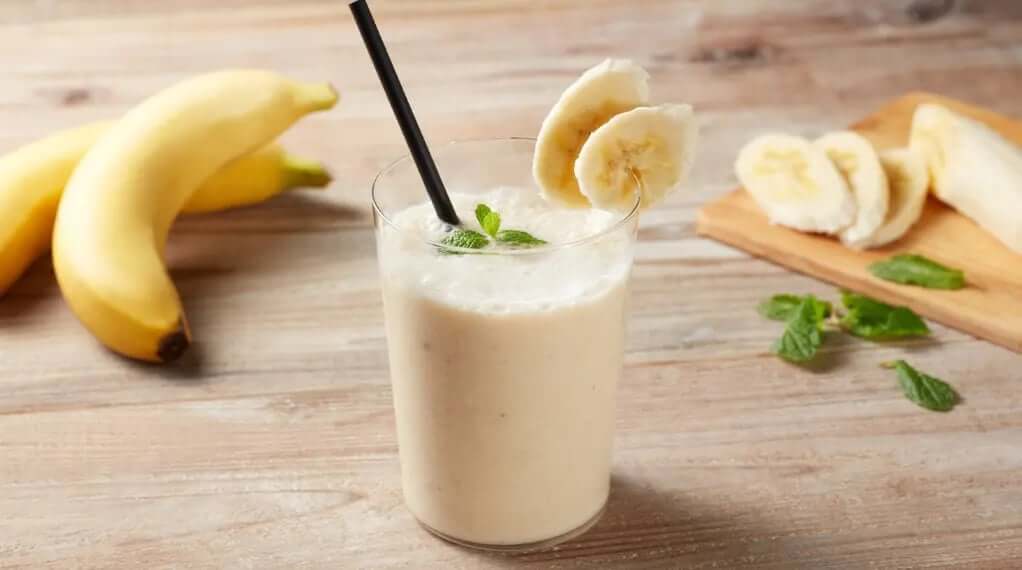

Quick Answer: This peanut butter banana protein shake takes just a few minutes to make and delivers 340 calories and 32g of protein. The combination of protein, fiber from the banana, and fat from the peanut butter makes it a satisfying and filling treat for hours. Just blend one frozen banana, one scoop of protein powder, two tablespoons of natural peanut butter, and a cup of unsweetened almond milk for a delicious and nutritious shake you can make at home anytime.
A good protein shake should do three things: keep you full, taste good, and be easy to prepare. This peanut butter banana shake checks all three boxes. It blends in under five minutes, delivers over 30 grams of protein per serving, and has a rich, creamy flavor that makes it feel more like a milkshake than a protein shake.

Recipe at a Glance
Prep Time: 3 minutes
Blend Time: 1 minute
Total Time: 4 minutes
Servings: 1
Per serving: 340 calories, 32g protein
Why This Shake Works for Weight Loss
Not all protein shakes are created equal when it comes to weight management. Plenty are packed with hidden sugars, or they are so light that you are hungry again soon after drinking. This shake recipe provides a satisfying blend of natural sugars, fiber, and healthy fats to keep hunger at bay between meals.
Protein is the most satiating of the three macronutrients, and at 32 grams per shake this recipe is doing real work on appetite rather than just adding calories in liquid form. And the banana does the sweetening, which means no honey, no maple syrup, no flavored syrup. A medium banana contributes about 14 grams of natural sugar along with potassium, vitamin B6, and roughly 3 grams of fiber. That fiber is part of why this shake behaves like a meal — if you want a longer explanation of why fiber and satiety are so tightly linked, our complete guide to dietary fiber covers this in detail.
Then there is the peanut butter. Two tablespoons add about 8 grams of fat, mostly monounsaturated, and fat can slow gastric emptying, which means the shake will sit with you longer. It is the single ingredient people are most tempted to cut for calorie reasons. However, it's worth keeping in for all the benefits it offers — not to mention the flavor it adds.
At roughly 340 calories, the whole shake works well as either a full breakfast or a substantial snack—depending on your calorie goals and activity level. For the broader picture of which foods earn their place in a calorie deficit, our guide to the best foods for weight loss is the deeper resource.
Ingredients
Four ingredients do the heavy lifting here: banana, peanut butter, protein powder, and milk. Use a banana that has been peeled, broken into chunks, and frozen in advance — that is what produces the thick, milkshake texture without ice cream or thickeners. And opt for natural peanut butter, which is free of added oils and sugar.
1 medium banana, peeled and frozen
1 scoop (about 30g) vanilla or chocolate protein powder
2 tablespoons natural peanut butter (no added sugar)
1 cup unsweetened almond milk (or milk of choice)
1/2 cup ice cubes
1/2 teaspoon ground cinnamon (optional)
1 teaspoon vanilla extract (optional, if using unflavored protein powder)
Optional Add-Ins
1 tablespoon ground flaxseed or chia seeds for extra fiber
1/2 cup raw spinach (you will not taste it, adds micronutrients)
1 tablespoon cocoa powder for a richer chocolate flavor
1/4 cup plain Greek yogurt for extra creaminess and protein
Substitutions
If peanuts are off the table, almond butter, cashew butter, or sunflower seed butter all act as a worthy alternative without costing you creaminess or protein. Pea protein powder works particularly well with peanut butter to help offset its earthy taste. Also, if you prefer, oat, soy, and coconut milk can work in place of almond milk, and a plant-based protein powder can make the whole thing dairy-free. You can even swap the banana for frozen mango or a quarter of an avocado, though both change the flavor noticeably — mango gives it a tropical twist, and avocado results in a milder flavor.
Instructions
Load the blender in this order: First, almond milk, then protein powder and peanut butter, and finally, the frozen banana and ice on top. Add in the cinnamon or vanilla extract now if you are using them. The order matters: liquid at the bottom lets a vortex form around the blades, pulling ingredients down into it — pack dense or frozen ingredients against the blades first, without enough liquid, and they just grind in place instead of circulating.
Start low, then go high. Break up the frozen banana on a low speed first, then run it on high for 30 to 60 seconds until completely smooth. If your blender bogs down, stop and scrape the sides or add a splash more liquid.
Adjust the consistency. Too thick? Add almond milk one tablespoon at a time. Want a spoonable smoothie bowl instead? Use half a cup of milk and an extra quarter cup of ice, then top it with sliced banana, granola, and a drizzle of peanut butter.
Drink it immediately. Protein shakes can change texture as they sit — some thicken as the protein hydrates, while ones made with a lot of frozen fruit or ice tend to thin out as they melt.
Nutrition Information (Per Serving)
Calories: 340 kcal
Protein: 32g
Carbs: 30g
Fat: 11g
Fiber: 5g
Sodium: 290mg
Estimated values based on vanilla whey protein powder and unsweetened almond milk. Actual nutrition will vary depending on the specific brands and optional add-ins used.
How to Choose the Right Protein Powder
The powder you use to make the shake can change both the taste and the nutrition math. Here are a few options:
Whey protein isolate is the default for most people. It is fast-absorbing, usually contains 20 to 30 grams of protein per scoop, low in carbs and fat, and it blends smoothly. If you have no particular reason to choose otherwise, choose this.
Casein digests more slowly, which is a genuine advantage if you are using this shake to replace a meal rather than supplement one. It also thickens considerably — some people love the pudding-like texture, while some find it heavy. Both casein and whey are milk-based.
Plant-based protein is the move if you are dairy-free. Look for at least 20 grams per scoop and a complete amino acid profile. Pea protein blends particularly well here because the peanut butter covers the earthiness that pea protein can carry on its own. Be sure to include a variety of plant foods in your diet to ensure that you're getting all of the amino acids your body needs to build new tissues.
Whichever you land on, check the label for added sugar. A protein powder built for weight loss should ideally be very limited in added sugar.
Pro Tips
Freeze bananas before they turn
When bananas start browning and spotting, peel them, break them into chunks, and bag them in the freezer. Frozen bananas help provide a thicker texture in the shake.
Buy the natural peanut butter
Commercial peanut butters carry added oils and sugar that add calories without adding anything you want. So, if you choose natural peanut butter, stir thoroughly before using it — the oil separation can make it clump or stick to the blades in a weaker blender.
Make it a smoothie bowl
To turn this shake into a smoothie bowl, simply add one-half cup of almond milk instead of a full cup, use an extra quarter cup of ice, then blend until thick. Pour into a bowl and top with sliced banana, a tablespoon of granola, a few dark chocolate chips, and a drizzle of peanut butter. Eating it with a spoon naturally slows you down, which can help your body register fullness before you've finished.
Easy Variations
- Chocolate peanut butter: Chocolate protein powder plus a tablespoon of unsweetened cocoa. Tastes remarkably close to a Reese's milkshake.
- Banana almond butter: Swap in almond butter for a milder flavor and a bit more vitamin E.
- Green protein shake: Add half a cup of baby spinach and a quarter of an avocado. The banana and peanut butter cover the greens completely, and the avocado makes the texture noticeably silkier.
- Coffee protein shake: Replace the almond milk with a cup of cold brew. Caffeine plus protein makes a solid pre-workout or a genuinely functional Monday morning.
All four stay naturally gluten-free, though if celiac is a factor you should confirm your protein powder is certified — cross-contamination in powders is common enough to be worth checking.
Storage and Meal Prep
Protein shakes are best the minute they are blended. If you need to make one ahead of time, seal it in a mason jar or shaker bottle with a tight lid and refrigerate for up to 12 hours. It will separate, so be sure to shake it hard (with the lid still tight of course) before drinking. The texture can drop off after refrigeration, but the flavor should hold up fine.
Another make-ahead approach is to pre-portion the dry and frozen ingredients into individual freezer bags — frozen banana chunks in one bag and a scoop of powder in another. In the morning, dump ingredient bags into the blender, add milk, ice, and a spoonful of peanut butter, and you're drinking in about 60 seconds. If mornings are the specific problem you are solving, our high-protein grab-and-go options cover the days when even 60 seconds is too many.
Where a Shake Fits in the Bigger Picture
A shake can be a great breakfast option, satisfying snack, or a post-workout recovery option. But a shake like this peanut butter banana shake is not the answer to your weight loss plateau or hunger at other meals. If you want the honest breakdown of when smoothies help and when they could quietly sabotage a calorie deficit, check out our article on smoothies for weight loss.
For solid-food options in the same calorie range, read about 15 high-protein meals under 500 calories to give you lunch and dinner ideas. And if you are reading this trying to gain weight rather than lose, our weight-gain smoothie recipes apply the same approach in reverse.
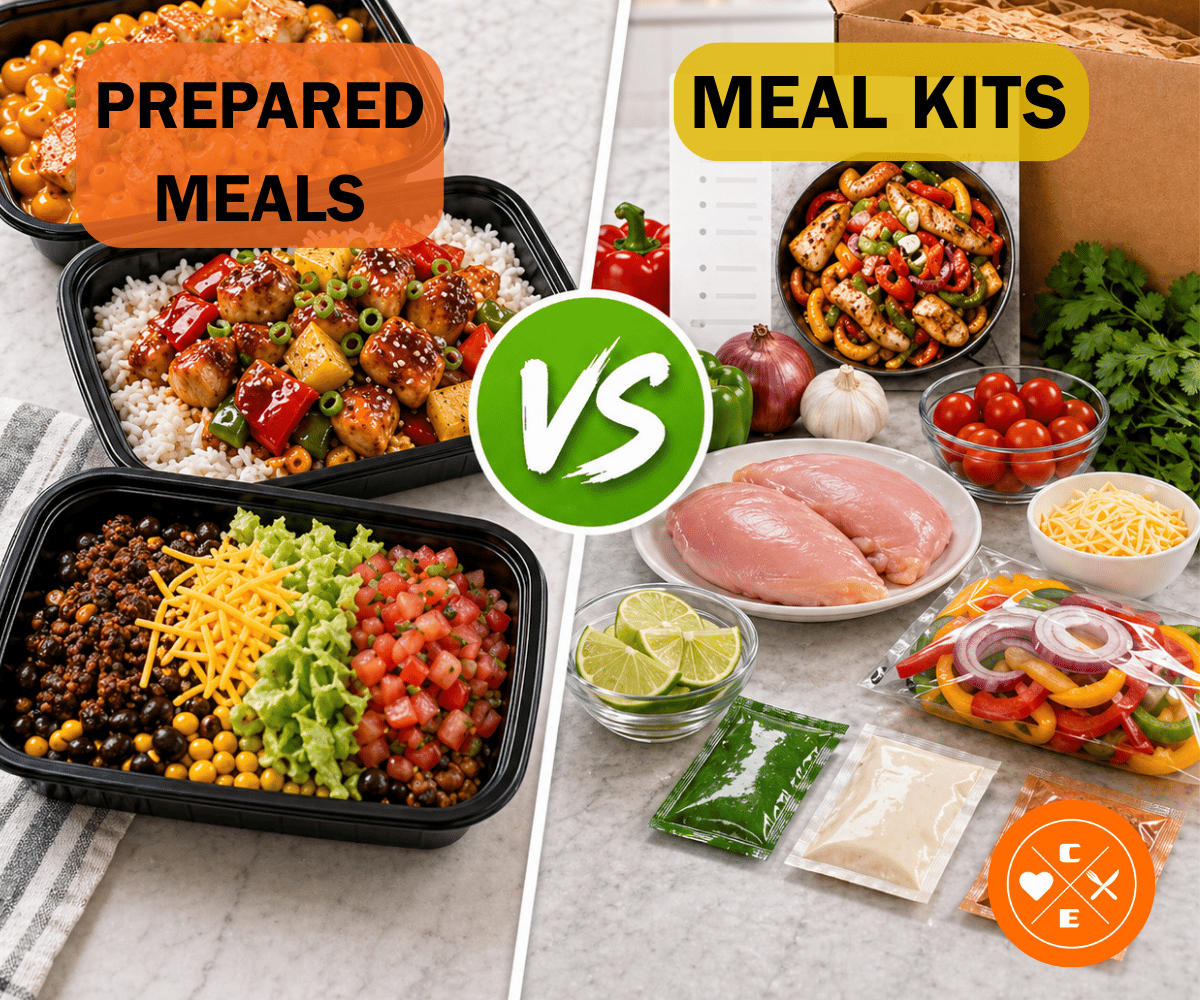
For the nights when cooking just isn't going to happen, the Weight Loss Meal Plan is calorie-controlled and macro-balanced, just like this shake — but it's also portioned, labeled, and ready to eat in under five minutes. If you would rather pick every meal yourself, Build a Meal Plan lets you filter the full menu by calorie range and protein target and hand-select the box.
Frequently Asked Questions
Will this shake actually help me lose weight?
No single food can help you lose weight loss on its own. Weight loss comes from a sustained calorie deficit. What this shake does well is provide a high-protein, moderate-calorie option that keeps you full and makes it easier to stick to your calorie targets. Replacing a higher-calorie breakfast or snack with this shake can support a weight loss plan.
How much protein should a weight loss shake have?
Aim for at least 20 to 30 grams of protein per shake. Below about 20 grams a shake tends to behave like a snack rather than a meal, and hunger may return quickly after consuming. This recipe lands at 32 grams, which is enough to stand in for a full breakfast.
Can I use a fresh banana instead of frozen?
You can use fresh versus frozen bananas, but the shake will be thinner and less creamy. To compensate, add more ice or a few tablespoons of Greek yogurt for body. Frozen banana is strongly recommended for the best texture.
Is peanut butter too high in fat for a weight loss shake?
Two tablespoons of peanut butter add about 190 calories and 16 grams of fat, but most of that fat is monounsaturated. The key is portion control. Measured correctly, peanut butter adds flavor and ups the satiety factor.
What if I am allergic to peanuts?
Sunflower seed butter is the closest substitute in flavor and texture. Almond butter and cashew butter also work well. Tahini is another option, though it is more savory and pairs better with chocolate protein powder.
How does this compare to store-bought meal replacement shakes?
Most store-bought meal replacement shakes rely on artificial sweeteners, thickeners, and preservatives. This homemade version uses whole food ingredients and gives you control over the protein source and calorie count. The trade-off is that you have to own a blender and wash it.
The Bottom Line
Four ingredients, four minutes, and 32 grams of protein for 340 calories. That is the whole pitch, and it holds up because the ratios are right to deliver a satisfying, easy, weight-loss friendly meal that's endlessly customizable. Keep frozen bananas in the freezer and natural peanut butter in the pantry and you are never more than one blend away from a quick breakfast that will actually keep you full until lunch.