
Quick Answer: HIIT (high-intensity interval training) is a time-efficient workout method proven to burn fat, boost metabolism, and improve cardiovascular health. Research shows HIIT is as effective as traditional cardio for weight loss—but takes half the time. Just 20 minutes, 3-4 times per week, can deliver measurable results. The "afterburn effect" means you keep burning calories for hours after your workout ends.
You've probably heard that high-intensity interval training is the fastest way to get fit. But is it actually worth the hype, or just another fitness trend? The research is clear: HIIT delivers real, measurable benefits for weight loss, heart health, and metabolic function—often in half the time of traditional workouts.
In this guide, we'll break down exactly how HIIT works, what the science says about its benefits, and how to get started without burning out or getting injured.
What Is HIIT, Exactly?
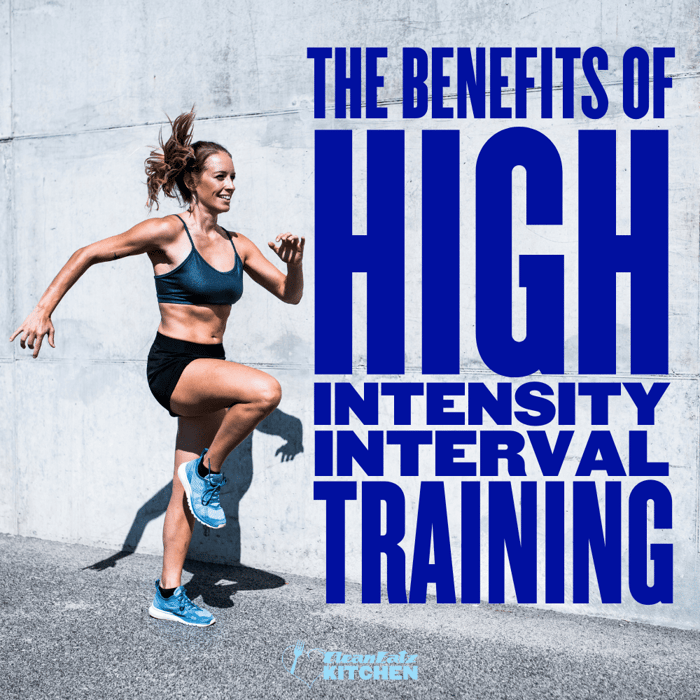
HIIT alternates short bursts of intense exercise with brief recovery periods. You push hard for 20-60 seconds, rest for a similar period, then repeat. A typical session lasts just 10-30 minutes, making it ideal if you're short on time but want real results.
The "high-intensity" part matters. During work intervals, you're aiming for 80-95% of your maximum heart rate—the point where holding a conversation becomes difficult.1 This intensity is what triggers the metabolic adaptations that make HIIT so effective.
Here's a simple example: sprint for 30 seconds, walk for 60 seconds, repeat for 15-20 minutes. That's it. You can apply the same principle to cycling, rowing, bodyweight exercises, or almost any form of cardio.
Why HIIT Works for Weight Loss
The weight loss benefits of HIIT come down to three mechanisms: calorie burn during exercise, the afterburn effect, and metabolic adaptations over time.
Calorie efficiency: A 20-minute HIIT session can burn the same calories as 45 minutes of steady-state cardio.2 When researchers compared HIIT to traditional moderate-intensity continuous training (MICT) in adults with obesity, both groups lost similar amounts of weight—but the HIIT group spent significantly less time exercising.3
The afterburn effect (EPOC): After intense exercise, your body continues consuming oxygen at elevated rates to restore itself to baseline. This process, called excess post-exercise oxygen consumption, means you keep burning calories long after your workout ends. Studies show HIIT produces 25% more post-workout calorie burn compared to steady-state cardio, and this elevated metabolism can last up to 24 hours.4
Fat oxidation: HIIT appears particularly effective at targeting stubborn fat. A 2024 study in college students found that HIIT produced greater reductions in body fat percentage and improved metabolic markers compared to moderate-intensity cardio, even when total exercise time was shorter.5 For a complete breakdown of effective exercise strategies, see our Complete Exercise Guide for Weight Loss.
Cardiovascular and Metabolic Benefits
Weight loss is just one piece of the puzzle. HIIT produces meaningful improvements in cardiovascular health and metabolic function that extend well beyond the scale.
Heart health: HIIT improves your body's ability to use oxygen (VO2 max), which is one of the strongest predictors of longevity. Research shows HIIT can improve VO2 max more effectively than traditional cardio in the same timeframe.6 It also reduces resting heart rate and blood pressure, particularly in people who are overweight or have elevated cardiovascular risk.3
Blood sugar control: HIIT improves insulin sensitivity, helping your body regulate blood sugar more effectively. One meta-analysis found HIIT produced greater improvements in fasting blood glucose and total cholesterol compared to continuous aerobic training.7 This makes it a valuable tool for anyone managing or trying to prevent metabolic issues.
Muscle preservation: Unlike long-duration cardio, which can lead to muscle loss over time, HIIT helps preserve lean muscle mass while burning fat. The short, intense bursts recruit fast-twitch muscle fibers in a way that steady-state cardio doesn't, which is why HIIT is often recommended alongside strength training rather than as a replacement for it.
How Often Should You Do HIIT?
More isn't always better with high-intensity training. The sweet spot for most people is 3-4 sessions per week, with at least one rest day between sessions. This frequency maximizes the metabolic benefits while allowing adequate recovery.
A 2025 systematic review found that HIIT is most effective for younger adults (18-30 years) in terms of fat oxidation and muscle retention. For middle-aged adults (31-40), both HIIT and moderate-intensity training produced similar results, though some people found steady-state cardio easier to stick with long-term. Older adults (41-60) may benefit more from moderate-intensity training due to better adherence and reduced injury risk.8
Start conservatively. If you're new to exercise, begin with 2 sessions per week and gradually increase. Keep work intervals under 30 seconds initially, and make sure your rest periods are at least as long as your work periods. Pushing too hard too soon is a recipe for burnout or injury.
Building Your Own HIIT Routine
The beauty of HIIT is its flexibility. You can design a routine around whatever equipment you have—or no equipment at all.
Beginner protocol: Start with a 1:2 work-to-rest ratio. For example, 20 seconds of high-intensity work followed by 40 seconds of rest. Repeat for 10-15 minutes total, 2-3 times per week.
Intermediate protocol: Progress to a 1:1 ratio (30 seconds work, 30 seconds rest) and extend total workout time to 20 minutes. You can also increase the intensity of your work intervals.
Sample bodyweight HIIT workout: Perform each exercise for 30 seconds with 30 seconds rest between exercises. Complete 3-4 rounds with 1-2 minutes rest between rounds: jumping jacks, bodyweight squats, mountain climbers, push-ups, high knees.
The specific exercises matter less than maintaining appropriate intensity. Your heart rate should spike during work intervals and partially recover during rest. If you can easily chat during the work phase, you're not pushing hard enough. If you can't complete the intervals, scale back.
HIIT and Nutrition: Fueling Your Workouts
High-intensity training places significant demands on your energy systems. What you eat before and after your workouts directly impacts both performance and recovery.
HIIT relies primarily on glycogen (stored carbohydrates) for fuel. Research shows that glycogen depletion can happen faster during HIIT than during moderate cardio, so proper nutrition becomes even more important. A small meal with easily digestible carbs and protein 1-2 hours before training can improve performance.
Post-workout nutrition matters too. The 30-60 minutes after exercise is when your muscles are most receptive to nutrient uptake. A meal combining protein and carbohydrates helps replenish glycogen stores and supports muscle recovery. This is where Clean Eatz Kitchen meal plans can simplify the process—having portion-controlled, protein-rich meals ready to go means you're not scrambling to refuel after an intense session.
For those focused on weight loss, the Weight Loss Meal Plan provides the calorie control you need while ensuring you have enough fuel for demanding workouts.
Common Mistakes to Avoid
HIIT is effective, but it's also easy to get wrong. Here are the most common pitfalls:
Going too hard, too often: HIIT is meant to be intense, which means your body needs time to recover. Training at high intensity every day leads to diminishing returns, increased injury risk, and eventual burnout. Stick to 3-4 sessions per week maximum.
Skipping the warm-up: Jumping straight into high-intensity work with cold muscles is asking for trouble. Spend 5 minutes warming up with light cardio and dynamic stretches before your first interval.
Not actually going hard enough: If your "high-intensity" intervals feel comfortable, you're missing the point. True HIIT should feel challenging. You should be breathing heavily and unable to hold a conversation during work periods.
Ignoring recovery: Sleep, nutrition, and rest days are where the actual adaptations happen. If you're not recovering properly, you won't see the results you're working for. Our guide to sleep and overall health covers why recovery matters.
Frequently Asked Questions
How many days a week should I do HIIT for weight loss?
Research suggests 3-4 HIIT sessions per week is optimal for weight loss. This frequency allows you to maximize the metabolic benefits while giving your body adequate recovery time between sessions. More isn't necessarily better—HIIT is demanding, and overtraining can lead to injury or burnout.
How long should a HIIT workout be?
Effective HIIT workouts can be as short as 10-20 minutes. Studies show that even three 10-minute sessions per week can improve heart and lung health, increase oxygen supply to muscles, and improve cholesterol and blood pressure levels. The key is intensity, not duration.
Is HIIT better than regular cardio for fat loss?
Research shows HIIT is as effective as traditional moderate-intensity cardio for fat loss, but in significantly less time. A 2021 randomized controlled trial found both methods produced similar weight loss, but HIIT led to greater improvements in cardiorespiratory fitness. HIIT may be particularly effective for reducing visceral (belly) fat.
What is the afterburn effect from HIIT?
The afterburn effect, scientifically called excess post-exercise oxygen consumption (EPOC), means your body continues burning calories after your workout ends. HIIT can boost your metabolism for up to 24 hours post-workout, with studies showing an additional 6-15% calorie burn compared to steady-state cardio.
Is HIIT safe for beginners?
HIIT can be adapted for beginners by starting with lower intensities and longer rest periods. Begin with 2 sessions per week, keep work intervals under 30 seconds, and take rest periods equal to or longer than your work periods. Always consult a doctor before starting any new exercise program, especially if you have underlying health conditions.
The Bottom Line
HIIT isn't magic, but the science is solid. For time-efficient fat burning, cardiovascular improvement, and metabolic health, high-intensity interval training delivers real results. The key is consistency, appropriate intensity, and adequate recovery.
Start with 2-3 sessions per week, focus on form and intensity rather than duration, and pair your training with proper nutrition. For a comprehensive approach to weight loss that combines effective exercise strategies with nutrition guidance, explore our Complete Exercise Guide for Weight Loss.
Ready to fuel your HIIT workouts? Clean Eatz Kitchen's High-Protein Meal Plan delivers 35-50g of protein per meal—exactly what your muscles need to recover and grow stronger.
References
1. American Council on Exercise. Target Heart Rate and Training Zones. ACE Fitness.
2. Boutcher SH. High-intensity intermittent exercise and fat loss. J Obes. 2011;2011:868305.
3. Vaccari F, et al. Effectiveness of high-intensity interval training for weight loss in adults with obesity: a randomised controlled non-inferiority trial. BMJ Open Sport Exerc Med. 2021;7(3):e001021.
4. Greer BK, et al. EPOC Comparison Between Resistance Training and High-Intensity Interval Training in Aerobically Fit Women. Int J Exerc Sci. 2021;14(2):1027-1035.
5. Wang H, et al. Comparative effects of high-intensity interval training and moderate-intensity continuous training on weight and metabolic health in college students with obesity. Sci Rep. 2024;14:16421.
6. Milanović Z, et al. Effectiveness of High-Intensity Interval Training (HIT) and Continuous Endurance Training for VO2max Improvements: A Systematic Review and Meta-Analysis of Controlled Trials. Sports Med. 2015;45(10):1469-1481.
7. Maillard F, et al. High-intensity interval training is not superior to continuous aerobic training in reducing body fat: A systematic review and meta-analysis of randomized clinical trials. Obes Med. 2023;42:100515.
8. Kowalczyk M, et al. The Effectiveness of High-Intensity Interval Training vs. Cardio Training for Weight Loss in Patients with Obesity: A Systematic Review. J Clin Med. 2025;14(4):1282.