
Access Denied
IMPORTANT! If you’re a store owner, please make sure you have Customer accounts enabled in your Store Admin, as you have customer based locks set up with EasyLockdown app. Enable Customer Accounts
- cardio
- clean eatz
- covid
- desserts
- diet
- exercise
- fat burn
- healthy dinner ideas
- hydration
- keto
- lifestyle
- meal plans
- meal prep
- muscle
- recipes
- snacks
- sustainability
- vegetables
- water
- weight loss
- workouts
- Nutrition
- Exercises & Fitness
- Healthy Recipes
- Weight Loss
- Healthy Lifestyle
- Mental Health
- Sleep
- Recipes
Social Media and Mental Health: How to Protect Yourself
Jason Nista
Healthy Lifestyle
|
Mental Health
12/30/2025 4:40pm
9 minute read
Listen to article
Audio generated by DropInBlog's Blog Voice AI™ may have slight pronunciation nuances. Learn more
Quick Answer: Social media can negatively impact mental health by increasing feelings of anxiety, depression, loneliness, and low self-esteem—particularly when used excessively or passively. Research shows that limiting social media to 2 hours daily and taking regular breaks can reduce these effects. The key is mindful usage: curating your feed, setting boundaries, prioritizing real-world connections, and recognizing when it's time to log off. A recent study found that just one week of reduced social media use led to significant improvements in anxiety and depression symptoms.
Social media has become an integral part of our daily lives, connecting us with friends and family and providing a platform for self-expression. However, the constant stream of information and the pressure to present a curated version of ourselves can take a toll on our mental health.
In this article, we'll explore how social media can impact mental health and discuss strategies for maintaining a healthy relationship with these platforms.
The Impact of Social Media on Mental Health
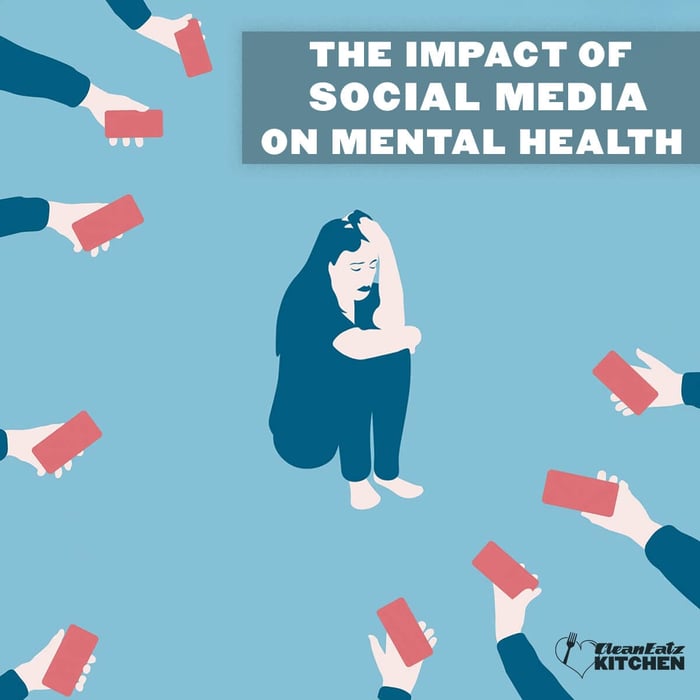
How are social media and mental health connected? Social media can have a significant impact on our mental well-being. Constant access to a never-ending stream of information and the pressure to present a curated version of ourselves can lead to increased feelings of anxiety and depression.
Studies have shown that social media use can lead to feelings of loneliness, low self-esteem, and even body image issues.1 It can also lead to feelings of FOMO (fear of missing out), causing you to constantly compare your life to others, leading to feelings of inadequacy.
The U.S. Surgeon General issued an advisory in 2023 noting that there are "ample indicators" that social media can pose a risk to the mental health and well-being of young people.2 Research from the American Economic Association found that the rollout of Facebook at colleges had a measurable negative impact on student mental health, primarily through fostering unfavorable social comparisons.3
The Sleep Connection
One often-overlooked way social media affects mental health is through sleep disruption. Late-night scrolling exposes you to blue light that suppresses melatonin, and engaging content keeps your mind active when it should be winding down. Poor sleep, in turn, worsens anxiety and depression symptoms.
For a deeper understanding of how sleep affects your overall health and strategies to improve your rest, see our comprehensive Complete Guide to Sleep.
Setting Boundaries and Creating a Schedule
To mitigate the negative impact of social media on mental health, it's important to set boundaries and create a schedule that separates social media usage and personal time. This can be challenging, especially when social media is such a pervasive part of our daily lives.
To help establish clear boundaries, try setting a schedule that includes dedicated social media hours and breaks. You can also try to limit your usage by setting a time limit for social media each day or disabling notifications during non-social media hours.
A 2024 study found that participants who reduced their social media use from about two hours daily to just 30 minutes saw a 16% reduction in anxiety symptoms, a 24% decrease in depression symptoms, and a 14.5% decrease in insomnia symptoms after just one week.4
Tips for Building a Positive Relationship with Social Media
To build a positive relationship with social media, it's essential to be mindful of how it makes you feel. If you constantly compare your life to others or feel bad after scrolling through your feeds, it may be time to reassess your relationship with social media. Here are some tips to help you build a more positive relationship:
Unfollow or Mute Accounts that Make You Feel Bad
We have the power to control what we see on our feeds, and we don't have to subject ourselves to content that makes us feel bad. Unfollowing or muting accounts that make you feel bad can help reduce feelings of FOMO, inadequacy, or anxiety.
Be Selective About Who You Follow
Follow accounts that inspire you, make you laugh, or provide valuable information. Following accounts that align with your values and interests can help you build a more positive relationship with social media.
Limit Your Usage
Setting a time limit for social media each day can help you to be more intentional about how and when you use it. You can use built-in app timers or third-party apps to track your usage and set reminders to take breaks.
Be Honest With Yourself
Be honest with yourself about how social media makes you feel. If you notice that you're feeling down or anxious after using it, take a break. Your mental health is more important than staying updated on every post.
Strategies for Self-Care and Stress Management
Can stress cause weight loss? Stress affects our bodies in many ways, including our relationship with food and our mental health. To manage stress and maintain a healthy relationship with social media, it's important to prioritize self-care. Here are some strategies to help:
Take Regular Breaks From Social Media
Taking regular breaks from social media can help you reduce feelings of stress and anxiety. You can schedule a social media detox day each week or take a break for a few hours each day. Research suggests that even brief breaks can lead to meaningful improvements in mental health symptoms.
Seek Professional Help
If you're feeling overwhelmed, consider seeking professional help. A therapist or counselor can help you better understand the impact that social media is having on your mental health and develop personalized strategies to manage stress.
Practice Mindfulness
Engaging in mindfulness practices such as meditation or yoga is widely recognized for its benefits in stress reduction and overall well-being. While addressing the query, "Is yoga good for weight loss?" it's worth noting that yoga not only contributes to stress reduction but also fosters a mind-body connection that supports sustainable health through improved self-awareness and mindfulness.
Engage in Other Activities
How does exercise reduce stress? Physical activity is one of the most effective ways to combat the mental health effects of excessive screen time. Make sure to engage in other activities that you enjoy. Whether it's reading, exercising, or spending time with friends and family, it's essential to make time for activities that bring you joy and keep you grounded in the real world.
The Role of Nutrition in Mental Health
What we eat also plays a crucial role in how we feel mentally. A balanced diet rich in whole foods, lean proteins, fruits, and vegetables can support brain health and help regulate mood. When you're stressed or anxious from social media overload, it's easy to reach for comfort foods that can make you feel worse in the long run.
Having healthy, balanced meals ready to go can help you maintain good nutrition even during stressful periods. Clean Eatz Kitchen offers meal plans designed to provide the nutrients your body and brain need, taking the stress of meal planning and preparation off your plate—literally.
Final Thoughts
The connection between social media and mental health is undeniable in today's digitally connected world. To navigate this complex landscape and maintain our well-being, it's crucial to set boundaries and create a schedule that allows for healthy and mindful engagement.
By implementing tips for building a positive relationship with social media—such as curating our online content, limiting usage, and prioritizing real-world connections—we can foster a more fulfilling and less stressful digital experience. Additionally, integrating strategies for self-care and stress management into our daily routines can serve as a powerful antidote to the potential negative effects of social media.
Remember to be kind to yourself, and give yourself permission to take breaks when needed. Your mental well-being is just as important as staying connected with the world. With conscious effort and mindful choices, we can strike a harmonious balance between the digital world and our mental health.
Frequently Asked Questions
Are there any signs that social media is negatively impacting my mental health?
Signs of negative impact may include increased anxiety or depression after using social media, sleep disturbances, reduced self-esteem, constant comparison to others, feeling addicted to checking your phone, neglecting real-world relationships, and experiencing FOMO (fear of missing out). If you notice these patterns, it may be time to reassess your relationship with social media.
How much social media use is considered unhealthy?
Research suggests that more than 2-3 hours of daily social media use is associated with increased mental health risks, particularly for teens and young adults. However, how you use social media matters more than time alone—passive scrolling tends to be more harmful than active engagement with friends and family.
What strategies can I use to practice self-care while using social media?
Strategies for self-care include setting daily time limits, scheduling regular digital detoxes, curating your feed to follow accounts that inspire you, turning off notifications, avoiding social media before bed, and prioritizing in-person connections. Consider unfollowing or muting accounts that trigger negative feelings.
How does social media affect sleep quality?
Social media can disrupt sleep through blue light exposure that suppresses melatonin, engaging content that keeps your mind active, and anxiety about missing out. Experts recommend avoiding social media for at least one hour before bed. For more on optimizing your sleep, see our Complete Guide to Sleep.
When should I seek professional help for social media-related mental health issues?
Consider seeking professional help if social media use is significantly impacting your daily functioning, relationships, work, or school performance. Warning signs include feeling unable to stop using social media despite wanting to, experiencing severe anxiety or depression related to online interactions, or if you're being cyberbullied. A therapist can provide personalized coping strategies and treatment.
References
1 Keles, B., McCrae, N., & Grealish, A. (2020). A systematic review: the influence of social media on depression, anxiety and psychological distress in adolescents. International Journal of Adolescence and Youth, 25(1), 79-93.
2 U.S. Surgeon General. (2023). Social Media and Youth Mental Health: The U.S. Surgeon General's Advisory.
3 Braghieri, L., Levy, R., & Makarin, A. (2022). Social Media and Mental Health. American Economic Review, 112(11), 3660-3693.
4 Calvert, E., et al. (2024). Effects of a social media detox on mental health symptoms. Journal of Technology in Behavioral Science.
Related Articles

Best Meal Delivery for Weight Loss: Compare Options
6 minute read
How to Set Realistic Weight Loss Goals and Achieve Them
8 minute read
Invalid password
Enter