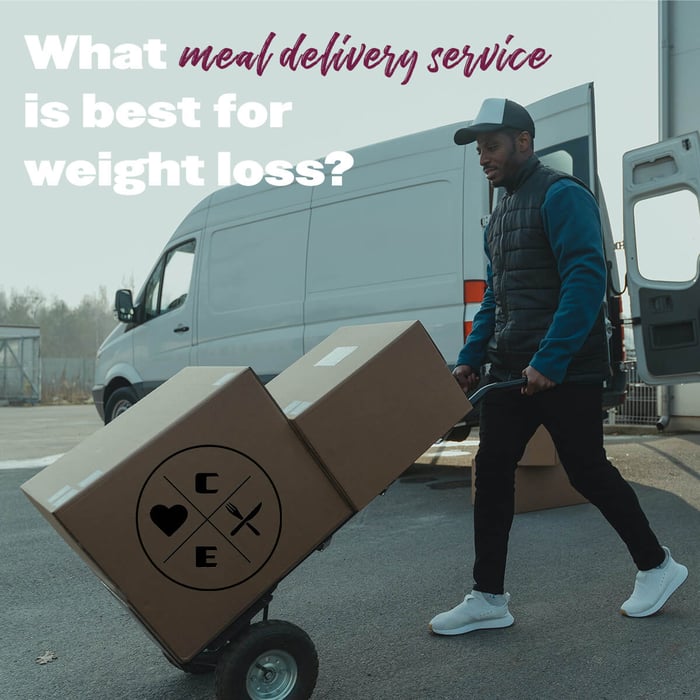

Quick Answer: The best meal delivery for weight loss is the one you will actually use consistently. For fully prepared, portion-controlled meals (~500 calories) with no subscription required, the Clean Eatz Kitchen Weight Loss Meal Plan is a straightforward choice with free shipping over $85. If you prefer fresh (not frozen), Factor offers many options under 550 calories but requires a subscription. Prefer cooking? HelloFresh's "Calorie Smart" recipes run about 650 calories per serving.
What Actually Matters When Choosing
Before comparing specific services, it helps to know what you're looking for. The weight-loss meal-delivery space has exploded in recent years, and the options can feel overwhelming. First, decide whether you want prepared meals (heat-and-eat) or meal kits (you cook). Prepared meals remove virtually all obstacles—open, heat, done. Meal kits require 30-45 minutes of cooking, which some people enjoy and others find a barrier to a healthy dinner. For weight loss specifically, prepared meals tend to work better because the portions are already in place. With meal kits, it's tempting to add a little extra cheese or serve yourself a larger portion than the recipe calls for.
Second, look at the calorie and protein content. For most weight-loss plans, you want meals in the 350-600-calorie range with at least 20-35 grams of protein. Protein is especially important. It keeps you fuller longer and helps preserve muscle mass while you're in a calorie deficit. This is where many meal services fall short; they hit the calorie target but skimp on protein. For a deeper look at which foods best support weight loss, our complete guide breaks down the science.
Consider the commitment level. Some services require weekly subscriptions that auto-renew, making it harder to pause or adjust. Others let you order when you want, which works better if your schedule (and appetite) varies week to week.
Meal prep doesn't have to be complicated.
Get our free guide — shortcuts, meal ideas, and a system that makes eating well the easy option.
Comparing Meal Delivery Services: Pricing, Menu Variety, Dietary Accommodations, and Convenience
When evaluating meal delivery services for weight loss, a side-by-side comparison of key features, pricing, menu variety, dietary accommodations, and convenience can help you pinpoint the best fit for your lifestyle and goals.
| Service | Format | Calories/Meal | Subscription? | Shipping |
|---|---|---|---|---|
| Clean Eatz Kitchen | Prepared (frozen) | ~500 cal | No | Free over $85 |
| Factor | Prepared (fresh) | ~550 cal | Yes | Included |
| HelloFresh | Meal kit (you cook) | ~650 cal | Yes | Varies |
| Trifecta | Prepared (fresh) | Macro-balanced | Yes | Additional fee |
| Nutrisystem | Program (meals + snacks) | Controlled | Yes | Varies |
A few things stand out in this comparison. Fresh-prepared meals have shorter shelf lives, so you need to eat them within a few days of delivery. Frozen meals give you more flexibility. You can stock your freezer and eat them whenever you want. The tradeoff is, of course, texture; some foods simply taste better fresh.
The subscription question matters more than most realize. If you're locked into weekly deliveries, you might end up with meals piling up during busy weeks or when you travel. No-subscription options let you order when you actually need food, which often means less waste and better budgeting.
The “best” meal delivery service depends on your priorities. If you value flexibility and simplicity, a no-subscription frozen-meal provider may be ideal. If you want fresh, chef-designed meals and don’t mind a subscription, Factor or Trifecta could be a better fit. For those who love to cook and crave variety, a meal kit like HelloFresh is worth considering. By comparing these core aspects, you can make an informed choice that supports sustainable weight loss and fits seamlessly into your routine.
Types of Weight Loss Diets Offered
Meal delivery services for weight loss are designed to accommodate a variety of dietary preferences and nutritional needs. By offering specialized plans, these services make it easier for individuals to follow a diet that aligns with their health goals, preferences, and any specific requirements. Here are the types of weight loss diets that meal delivery services may cater to, such as low-carb, plant-based, or calorie-controlled plans:
Low-Carb and Keto Diet Plans: Many meal delivery services provide low-carb and ketogenic (keto) options for those aiming to reduce carbohydrate intake and promote fat loss. These plans typically focus on meals rich in healthy fats and moderate in protein, while keeping net carbs to a minimum. By limiting carbs, these diets encourage the body to enter ketosis, which can accelerate weight loss and improve blood sugar management. Meal delivery makes it simple to maintain consistency without the need for complex meal prep or carb counting.
Plant-Based and Vegetarian Diet Plans: For individuals seeking weight loss through increased intake of plant foods, meal delivery services often offer plant-based or vegetarian plans. These meals are centered around vegetables, legumes, grains, and plant proteins such as tofu and beans, while minimizing or excluding animal products. Plant-based diets can be effective for weight loss due to their high fiber content, which promotes fullness and helps control calorie intake.
Calorie-Controlled and Portion-Managed Diet Plans: Calorie-controlled plans are tailored for weight loss by providing pre-portioned meals within a set calorie range, typically 350-600 calories per serving. These plans take the guesswork out of calorie tracking and portion sizing, which are key factors in successful weight management. By ensuring each meal meets specific nutritional targets. Often with a focus on adequate protein, these services help users stay within their daily calorie goals and avoid overeating, making it easier to achieve and maintain weight loss.
Whether you prefer a low-carb, plant-based, or calorie-controlled plan, these services can help you stay on track and simplify your weight loss journey.
Making Meal Delivery Work for Weight Loss
Having meals delivered doesn't automatically lead to weight loss. The real benefit is that it removes two of the biggest obstacles: decision fatigue and portion control. When you're tired and hungry, having a healthy 500-calorie meal ready to heat is the difference between staying on track and ordering pizza.
The key is covering your weak spots. For most people, that's lunch (when the office orders in or the cafeteria tempts) and weeknight dinners (when cooking feels like too much effort). You probably don't need every meal delivered. Breakfast and weekends might be fine to handle on your own. Start with 6-12 meals per week and see what actually gets eaten.
How To Select and Evaluate the Best Weight Loss Meal Delivery Services
Choosing the right meal delivery service for weight loss requires a careful, multi-faceted evaluation. Below are the key criteria and methods used to identify the best options, ensuring recommendations are both evidence-based and relevant to real-world needs.
Nutritional Quality and Calorie Control: Each service is assessed for its ability to provide calorie-controlled, nutritionally balanced meals that support weight loss. Special attention is given to meals offering 350–600 calories and 20–35 grams of protein per serving to promote satiety and muscle preservation.
Menu Variety and Dietary Flexibility: Services are evaluated on the diversity of their menus and their ability to accommodate different dietary preferences, such as low-carb, plant-based, or gluten-free. Flexibility to filter or customize meals for specific nutritional needs is a significant factor.
Ingredient Sourcing and Freshness: The quality and freshness of ingredients are reviewed, including whether meals use organic produce, sustainably sourced proteins, or minimally processed foods. Preference is given to services that emphasize high-quality, fresh, or responsibly sourced ingredients.
Ease of Preparation and Convenience: The user experience is considered, assessing how easy meals are to prepare, whether they are fully cooked or require some assembly, and the clarity of instructions. Convenience is especially important for busy individuals seeking sustainable weight loss.
Expert and Dietitian Reviews: Professional input from registered dietitians, nutritionists, or medical experts is incorporated to ensure recommendations are grounded in evidence-based nutrition. Services with meals designed or approved by experts receive higher marks.
User Feedback and Real-World Testing: Direct feedback from customers and independent testers is analyzed to measure satisfaction with taste, portion size, ease of use, and overall effectiveness for weight loss. Both positive and negative experiences are considered to present a balanced view.
Subscription Flexibility and Pricing: Evaluation includes the flexibility of ordering, whether a subscription is required or if one-time orders are possible, as well as transparency around pricing, shipping fees, and value for money. Services that offer budget-friendly, commitment-free options are prioritized.
Sustainability and Packaging: Consideration is given to the environmental impact of packaging, including the use of recyclable, reusable, or compostable materials. Brands with strong sustainability practices and clear recycling instructions are rated more favorably.
These are the factors consumers should consider when choosing a meal delivery service, such as nutritional quality, portion sizes, flexibility, and personalization. By applying these criteria and methodologies, we ensure that only meal delivery services meeting high standards for nutrition and user satisfaction are recommended for weight loss. This approach helps readers make informed choices that align with their health and lifestyle goals.
A Note on GLP-1 Medications
If you're taking GLP-1 medications like Ozempic or Wegovy, meal delivery can be especially helpful. These medications significantly reduce appetite, which sounds great until you realize you still need adequate protein to protect muscle mass. When you're not hungry, you won't be eating enough of the right things.
Portion-controlled, protein-forward meals solve this problem. You get the nutrition you need without having to force yourself to eat large volumes of food. Be sure to prioritize protein and fiber when the goal is healthy weight loss.
Frequently Asked Questions
Choosing a meal delivery service for weight loss can raise many practical questions. Here are answers to frequently asked questions about meal delivery services for weight loss, covering practical concerns and common user inquiries.
Can I lose weight with frozen meal delivery?
Yes, frozen meal delivery can support weight loss. Pre-portioned meals make calorie control easier and ensure accurate nutrition info, as long as you select meals with adequate protein and moderate calories.
How many meals should I order per week for weight loss?
Start with 6–12 meals per week, focusing on your busiest times (like lunches or weeknight dinners). Adjust the quantity based on what you actually eat versus what goes unused.
Is meal delivery worth it for weight loss?
For many, yes. Having healthy, ready-to-eat meals reduces decision fatigue and guesswork about portion sizes, making it easier to stay on track and avoid takeout or overeating.
What’s the difference between prepared meals and meal kits?
Prepared meals are fully cooked. Just heat and eat. Meal kits provide raw ingredients and recipes for you to cook. Prepared meals offer more convenience and portion control.
Are meal delivery services suitable if I’m taking GLP-1 medications?
Yes, meal delivery can be especially helpful. Portion-controlled, high-protein meals ensure you get enough nutrition, even if your appetite is reduced by medications like Ozempic or Wegovy.
Do I need a subscription to use meal delivery services?
Not always. Some services require subscriptions, while others let you order as needed. Flexible ordering can help minimize waste and better fit your schedule.
How do I know if a meal delivery service fits my dietary needs?
Check the menu for calorie, protein, and ingredient details. Many services offer filters for dietary preferences and restrictions, making it easier to find meals that fit your goals.
Are meal delivery services more expensive than cooking at home?
Meal delivery is often pricier than home cooking but can be more cost-effective than eating out or wasting groceries. Consider your budget, convenience needs, and time saved.
Are meal delivery services convenient for weight loss?
Yes, they save time on meal planning, shopping, and cooking. Prepared meals are especially convenient. Just heat and eat. While meal kits still simplify the process with pre-portioned ingredients.
Do meal delivery services help with portion control?
Absolutely. Both meal kits and prepared meals provide pre-measured portions, which helps you avoid overeating and stick to your calorie goals more easily.
Are meal delivery services cost-effective for weight loss?
They are usually more expensive than cooking at home but can reduce food waste and may be cheaper than frequent takeout. Weigh the added convenience against your budget.
How effective are meal delivery services for weight loss?
They can be effective by making it easier to choose balanced, calorie-controlled meals. However, long-term success depends on consistency and pairing with healthy lifestyle habits.
Are there any downsides to meal delivery for weight loss?
Yes, costs can add up, and menu variety may feel limited over time. Some services require subscriptions, which may not suit everyone’s schedule or preferences.
Do meal delivery services accommodate dietary restrictions?
Most offer options for common diets and allergies, but not all needs are covered. Always check menus and ingredient lists to ensure they fit your requirements.
How important is nutrition quality in a meal delivery service?
Nutritional quality is crucial. Look for services that offer balanced meals with adequate protein, healthy fats, and a variety of vegetables to support your weight-loss and overall health goals.
Why does portion size matter for weight loss?
Proper portion sizes help you control calorie intake, making it easier to stay within your daily goals and avoid overeating, which is essential for sustainable weight loss.
How flexible are meal delivery subscriptions?
Flexibility varies. Some services require weekly subscriptions, while others let you order as needed. Choose a service that matches your schedule and appetite to minimize waste.
Can I personalize meals to fit my dietary needs?
Many meal delivery services offer filters for specific diets, allergies, and preferences. Always check menus to ensure meals align with your nutritional needs and taste preferences.
What if I have a changing schedule or appetite?
Look for services that allow you to skip weeks, pause deliveries, or order meals only when needed. This helps you avoid meal fatigue and unnecessary spending.
Are there options for different dietary preferences, like plant-based or low-carb?
Yes, most top meal delivery services offer a range of meal plans, including plant-based, low-carb, keto, and calorie-controlled options to fit various weight-loss strategies.
How do I know if the ingredients are high quality?
Check if the service uses fresh, minimally processed, or organic ingredients and responsibly sourced proteins. Ingredient transparency is often a sign of a reputable company.
Can I adjust portion sizes or meal types?
Some services let you select serving sizes or switch between meal kits and prepared meals. Review the customization options before committing to ensure they fit your needs.
The Bottom Line
The "best" meal delivery for weight loss isn't about finding the perfect macros or the fanciest ingredients. It's about finding a service you'll actually use week after week. That means considering format (prepared vs. kit), commitment (subscription vs. flexible), and budget (including shipping costs that can add up).
If you want to try prepared meals without locking into a subscription, the Weight Loss Meal Plan or Value Meal Plan are solid starting points—order what you need, when you need it, with free shipping over $85.
Related reads: Top low-calorie meal delivery services · What to look for in high-protein meal delivery · Clean Eatz Kitchen cost breakdown