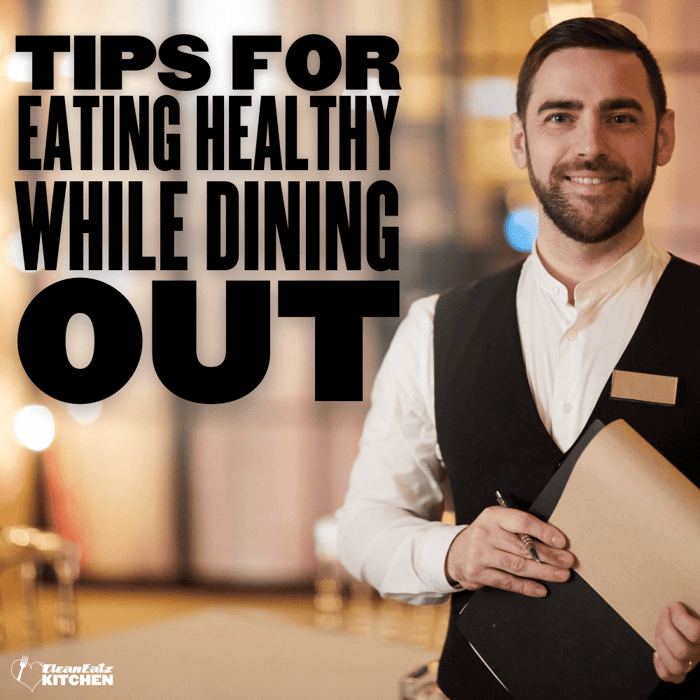
Quick Answer: Staying on track while dining out often comes down to a few simple habits: review menus ahead of time, choose grilled proteins and vegetable-based sides, and ask for small modifications when needed. With a little planning, restaurant meals can still fit into your nutrition goals.
Last updated: March 21, 2026
Dining out or traveling can make it harder to maintain a balanced diet. Large portion sizes, hidden calories in sauces, and tempting extras like bread baskets can add up.
With a little planning, though, it’s possible to stay on track with your nutrition goals. This article shares practical strategies for eating well when you're away from home—whether you're grabbing lunch with coworkers or navigating a week-long business trip.
Planning Ahead: Your First Line of Defense
Healthy dining often starts before you sit down at the restaurant. Planning ahead helps prevent those moments when you're overly hungry, staring at a menu, and choosing the first thing that sounds satisfying rather than something that supports your nutrition goals.
Before visiting a new restaurant, take a few minutes to review the menu online. Many restaurants now provide nutrition information as well. Looking ahead can help you identify options that fit your goals so you arrive with a plan instead of deciding on the spot. For a deeper dive into building balanced meals ,whether you're home or traveling, our Complete Meal Prep Guide covers strategies that work anywhere.
When traveling, consider packing a cooler with simple, wholesome foods for the trip. Fresh fruit, vegetables with hummus, hard-boiled eggs, whole-grain sandwiches, and Greek yogurt travel well and can help reduce reliance on airport food courts or gas station convenience stores. Having a few nutritious options available can make it easier to avoid last-minute choices driven by hunger.
Hotel amenities can also support healthier eating. Many rooms include small refrigerators where you can store items like yogurt, fruit, or leftovers. Continental breakfasts often offer options such as oatmeal, eggs, and fresh fruit, which may be more balanced choices than pastries or sugary cereals.
What to Order: A Course-by-Course Guide
Knowing what to look for on a menu can make healthier ordering much easier. Use this quick guide to spot balanced options at most restaurants.
These categories aren’t about labeling foods as “good” or “bad.” Instead, they highlight options that are often easier to fit into balanced eating when dining out, along with items that may be higher in calories, fats, or added sugars and may be better enjoyed occasionally.
Appetizers
Good choices: Broth-based soups, shrimp cocktail, fresh salads (dressing on the side), grilled vegetables, ceviche, edamame, caprese salad
Skip or share: Fried appetizer platters, loaded nachos, creamy dips with chips, bread baskets, buffalo wings
Main Courses
Good choices: Grilled chicken breast, broiled or baked fish, lean steak (sirloin, filet), stir-fries with light sauce, grain bowls with protein, salads with grilled protein
Skip or modify: Items described as crispy, breaded, battered, smothered, loaded, or Alfredo—these terms often indicate higher calories and fat
Side Dishes
Good choices: Steamed vegetables, side salad, baked potato (light on toppings), roasted vegetables, brown rice, fresh fruit
Skip or swap: French fries, onion rings, mac and cheese, creamed spinach, buttery mashed potatoes—ask if you can substitute steamed veggies or a side salad instead
Desserts
Good choices: Fresh berries, fruit sorbet, dark chocolate square, shared dessert
Skip or share: À la mode anything, cheesecake, fried desserts, multi-layer cakes—if you really want one, split it with the table
Beverages
Good choices: Water (sparkling or still), unsweetened iced tea, black coffee, wine (one glass)
Limit: Sodas, sweetened cocktails, unlimited refill drinks, sugary frozen drinks
For more guidance on building balanced plates, check out our guide on how to create a balanced meal plate.
Smart Substitutions and Special Requests
Most restaurants are willing to accommodate reasonable modifications—you just have to ask. Small substitutions can make a noticeable difference without sacrificing flavor.
- Protein preparation: Request grilled, baked, or broiled proteins instead of fried. For example, choosing grilled chicken instead of fried can reduce calories and added fats.
- Sauces on the side: Dressings, gravies, and sauces often contain hidden calories. Asking for them on the side allows you to control how much you use—sometimes just a small amount adds plenty of flavor.
- Veggie swaps: Consider substituting steamed or roasted vegetables for fries, chips, or other starchy sides. Many restaurants are happy to make this change.
- Whole grain options: When available, choose whole-grain options such as whole-wheat bread or brown rice. Some restaurants also offer lettuce wraps as an alternative to refined bread or buns.
Controlling Portions Away from Home
Restaurant portions have grown significantly over the past few decades, often providing two to three times more food than a typical serving. Because of this, portion awareness can be one of the most useful tools when dining out.
One effective strategy is to ask for a to-go container when your food arrives and immediately set aside half before you start eating. Doing so can help manage portion sizes and make it easier to avoid overeating. Another option is to share an entrée with a dining companion, allowing both of you to enjoy the meal while keeping portions more moderate.
Visual cues can help you gauge appropriate amounts even without measuring tools. A serving of protein should be roughly the size of a deck of cards, while a serving of grains resembles a tennis ball. Our printable portion control guides provide handy references you can use anywhere.
Staying Hydrated on the Go
Hydration is important for overall well-being and can be surprisingly challenging when you're away from your usual routine. Dehydration leads to fatigue, headaches, and it may even be mistaken for hunger—causing you to eat when your body actually needs water.
Carrying a refillable water bottle is one of the simplest ways to stay hydrated throughout the day. Air travel can be especially dehydrating because cabin air is very dry. Drinking water regularly during flights and limiting alcohol and caffeine can help support proper hydration.
Incorporating Movement into Your Travels
Staying active while traveling can support both physical health and overall energy levels. Movement may help regulate appetite, improve mood, and balance some of the dietary challenges that come with being on the road.
When booking accommodations, consider hotels that offer fitness centers, pools, or nearby walking areas. Even a short 20-minute workout can make a difference. If gym time isn’t practical, walking can be a simple alternative—exploring your destination on foot allows you to stay active while discovering places you might otherwise miss.
Making It Work Long-Term
Eating healthy while dining out isn't about perfection—it's about making better choices more often than not. The occasional indulgence is part of enjoying life, and beating yourself up over a single rich meal defeats the purpose of sustainable healthy eating.
The strategies in this article—planning ahead, knowing what to order, making smart substitutions, controlling portions, staying hydrated, and remaining active—work together to create a framework that supports your goals without making dining out feel like a chore. For a comprehensive look at foods that support weight management, our Best Foods for Weight Loss guide provides the science behind what makes certain foods more satisfying and nutritious.
For days when restaurant meals aren't on the agenda, having healthy options ready at home makes all the difference. Clean Eatz Kitchen's Build Your Meal Plan lets you customize pre-portioned, chef-prepared meals that take the guesswork out of healthy eating. With meals under 600 calories in the Weight Loss Meal Plan and clear nutritional information for every dish, you can maintain consistency between restaurant outings without spending hours in the kitchen.
Frequently Asked Questions
What are the best tips for eating healthy at restaurants?
Choosing grilled or baked proteins instead of fried options can help reduce added fats. Asking for dressings and sauces on the side allows you to control how much you use, and swapping refined carbohydrates for whole grains or extra vegetables can improve balance. Most restaurants are also willing to accommodate reasonable modifications if you ask.
How can I maintain my diet while traveling?
Packing simple snacks such as fruit, nuts, or protein bars can help reduce reliance on convenience foods. Reviewing restaurant menus ahead of time, taking advantage of hotel amenities like refrigerators or breakfast options, and carrying a refillable water bottle can also make healthy choices easier.
How do I control portions when eating out?
Restaurant portions are often larger than typical serving sizes. Asking for a to-go container and setting aside part of the meal before you begin eating can help manage portions. Sharing an entrée with a dining companion is another option. Visual cues—such as comparing a serving of protein to the size of a deck of cards—can also be helpful.
What menu words should I avoid when trying to eat healthy?
Menu descriptions such as crispy, breaded, battered, smothered, loaded, creamy, or Alfredo often indicate dishes that contain more calories, fat, or sodium. Terms like grilled, baked, broiled, steamed, roasted, or fresh may suggest lighter preparation methods.
How does Clean Eatz Kitchen help with healthy eating goals?
Clean Eatz Kitchen offers pre-portioned, chef-prepared meals with clear nutritional information, making it easy to maintain healthy eating habits between restaurant meals. Options like the Weight Loss Meal Plan feature meals under 600 calories, while Build Your Meal Plan lets you customize based on your preferences.
Disclaimer: This article is for educational purposes only and does not replace medical or personalized nutrition advice.