10 Gluten-Free Meal Prep Hacks for Busy Schedules

Cook the basics once, keep gluten-free food apart, and label everything. Ten hacks for busy weeks, with the food safety times from USDA and what the research says about cross-contact at home.

Tina Sassine, RD, MPH
Tina Sassine, RD, MPHRegistered Dietitian · Mar 12, 2025
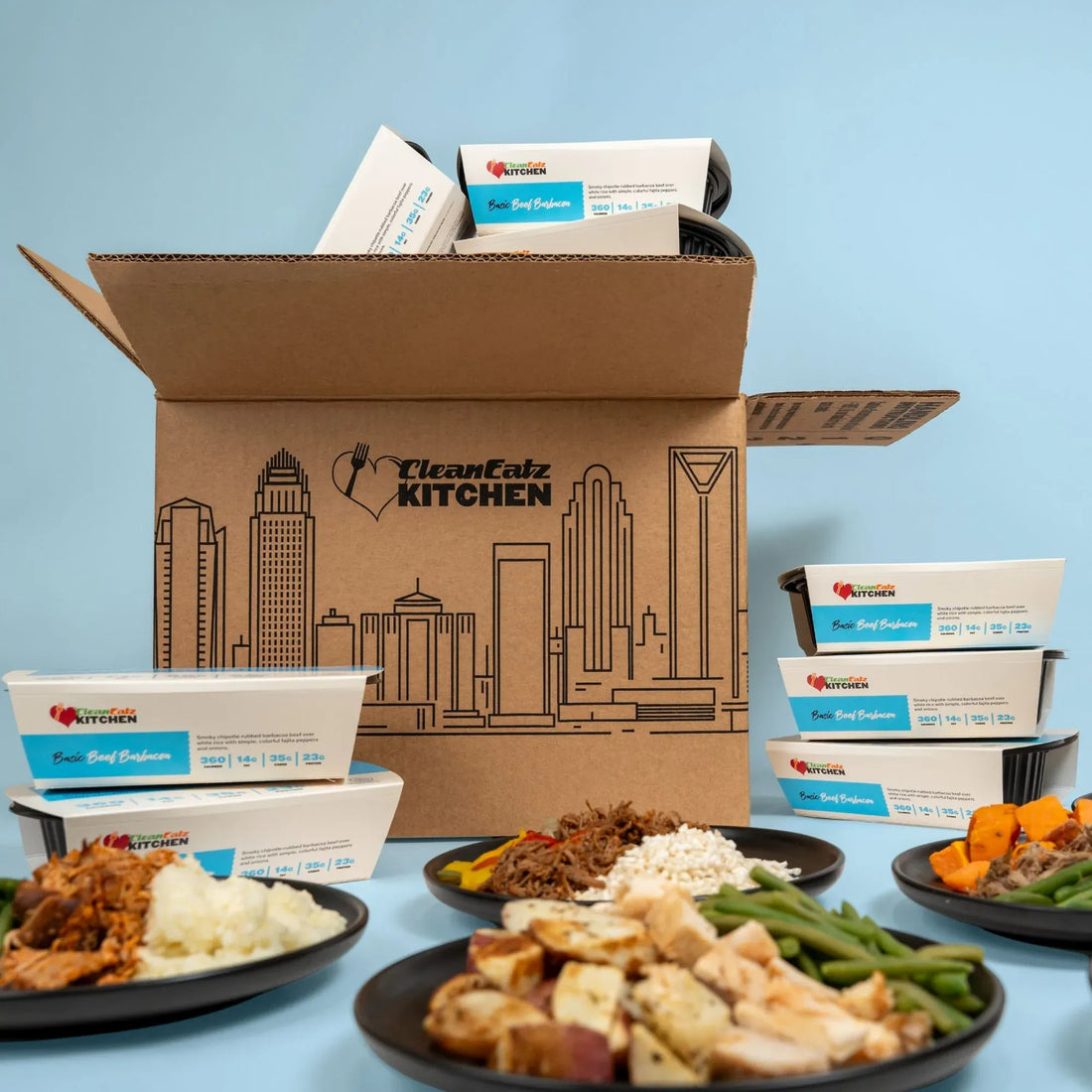
Clean Eatz Kitchen box with plated chicken, rice and green bean meals
Quick answer

Gluten-free meal prep comes down to batch cooking naturally gluten-free grains and proteins, prepping vegetables and sauces ahead, and storing meals in labeled containers. Eat cooked dishes within 3 to 4 days or freeze them. If you have celiac disease, keep your own condiment jars: in one study 18% of shared mayonnaise samples tested above the 20 ppm gluten-free limit.

Eating gluten-free comes with extra planning: reading labels, thinking about cross-contact and working around thin options when you eat out. If you have celiac disease, a strict gluten-free diet is the treatment, per the NIDDK, and small amounts of gluten can still cause damage. In the US, any food labeled gluten-free must contain less than 20 parts per million of gluten under FDA rules.

Meal prep doesn't have to be complicated to help. A few repeatable systems make the week easier, safer and more predictable, whether you have a whole afternoon to cook or just enough energy to get through Wednesday.

These ten hacks run from the biggest time saver to the backup plan for weeks when prep doesn't happen. For the basics of meal prep in any season of life, our Complete Meal Prep Guide walks through them in more detail.

1

Batch cook your gluten-free basics

Biggest time saver
Cooked basics keep 3 to 4 days at 40°F or below

Start by keeping a few cooked basics in the fridge that you can mix and match all week. Naturally gluten-free grains such as quinoa and rice store and reheat well, and so do oats labeled gluten-free. A cup of cooked quinoa has about 222 calories, 8 grams of protein and 5 grams of fiber, per USDA.

The label on the oats matters. The NIDDK says most people with celiac disease can eat moderate amounts of oats, but cross-contact between oats and wheat, barley or rye is common, so choose oats labeled gluten-free and ask your doctor or dietitian how much is right for you.

For protein, cook what fits your week: chicken, turkey, beef, eggs, tofu, tempeh, beans or lentils. A few portions at once makes weekday meals far less demanding.

For food safety, eat most cooked meal-prep dishes within 3 to 4 days, refrigerated at 40°F or below, per USDA's leftovers guidance. If you won't get to them in that window, freeze them sooner. One small step that pays off: label every container with what's inside and the date you made it.
2

Let your slow cooker or Instant Pot do the work

Hands-off cooking
One pot, little hands-on time

If standing at the stove feels like too much, let an appliance do the heavy lifting. A slow cooker handles soups, shredded chicken, beans and stews with very little hands-on effort. A pressure cooker cuts the cooking time for grains, legumes and batch proteins.

The goal isn't to make prep more elaborate. It's to remove friction. While the pot cooks, you can chop vegetables, portion snacks or wash containers.

Watch for: packaged broth, bouillon and seasoning mixes can contain wheat. Check that every packaged ingredient going into the pot is labeled gluten-free if gluten is a medical issue for you.

3

Make sauces & dressings ahead

Flavor fix
Vinaigrette ratio: 3 parts oil to 1 part acid

Meal prep gets repetitive when the flavors don't change, even if the ingredients do. A few versatile sauces can make the same chicken-and-rice base taste completely different from one day to the next.

A basic vinaigrette, about three parts olive oil to one part vinegar or citrus juice, doubles as a salad dressing, a marinade and a drizzle for grain bowls. A yogurt sauce with herbs adds creaminess with little effort. For bolder flavor, gluten-free tamari, rice vinegar and sesame oil bring variety to proteins and vegetables. Regular soy sauce is usually brewed with wheat, so the tamari label matters.

A cup or two of sauce at the start of the week makes assembling meals easier. Treat yogurt sauces and anything with fresh garlic or herbs like other leftovers: 3 to 4 days in the fridge. Freeze extra in ice cube trays and thaw just what you need.

With packaged ingredients like mustard, tamari or mayonnaise, check for a gluten-free label to avoid accidental exposure.

4

Set up a gluten-free snack zone

Shared kitchens
Shared spreads: 18% of mayonnaise samples tested above 20 ppm

Cross-contact is one of the most stressful parts of a shared kitchen. One dedicated gluten-free section in the pantry, fridge or freezer makes everyday eating easier and safer.

Use clearly labeled containers for gluten-free crackers, nuts, yogurt cups, dips, cut vegetables and grab-and-go breakfast items. In shared spaces, store gluten-free foods on the upper shelves so crumbs and spills can't fall onto them.

Give yourself your own condiment jars too. A 2024 review of cross-contact studies describes a test where a knife went from regular bread back into the jar: 11 of 60 mayonnaise samples (18%) and 6 of 60 peanut butter samples (10%) tested above the 20 ppm limit. In the same study, bread toasted in a shared toaster did not. It's one experiment, but the lesson is cheap to act on. Double-dipping is the risk, so a separate, labeled jar is the fix.

5

Choose containers that actually help

Storage
Airtight, reheatable, and color-coded

Containers aren't the glamorous part of meal prep, but they make a difference. Airtight containers protect freshness and stop leaks. Glass is especially useful for meals you'll reheat, and small containers work for dressings, toppings and snacks.

If you share a kitchen, use a specific container color or label system for gluten-free food so everyone knows what stays separate.

Shallow containers also cool food faster, which helps it get below 40°F quickly in the fridge. Divide a big pot of chili or rice into several shallow containers rather than refrigerating the pot.

6

Prep grab-and-go breakfasts

Mornings solved
About 295 calories · 14g protein · 8g fiber per jar

Mornings are often the hardest time to eat well. Overnight oats or chia pudding cups solve it: prep them once and breakfast is ready for most of the week.

Use wide-mouth mason jars for easy layering. Start with half a cup of rolled oats labeled gluten-free, add two-thirds of a cup of milk or yogurt, a tablespoon of chia seeds and whatever sweetener you like. Made with 2% milk, that's about 295 calories, 14 grams of protein and 8 grams of fiber per jar, per USDA. Refrigerate overnight, then add berries or nuts in the morning.

Keep them to the same 3 to 4 days as other prepared food. Make four jars on Sunday and a second batch midweek, rather than five that sit until Friday.

7

Cut & store vegetables early

Less friction
Prep the day you shop, store at eye level

The friction of chopping is often what derails healthy eating. When you're tired and hungry, anything that needs prep feels like too much work.

Remove that friction by prepping vegetables as soon as you get home from the store. Cut carrots and celery into sticks and store them upright in jars with an inch or two of water to keep them crisp for days. Slice bell peppers into an airtight container with a paper towel to absorb moisture. Keep cherry tomatoes whole until you eat them.

Put the prepped vegetables at eye level in the fridge. If you see them first, you're more likely to reach for them.

8

Keep wrap & bowl ingredients ready to assemble

Five-minute lunch
Grain + protein + vegetable + sauce

Fast meals are easier when the parts are already made. A small section of the fridge for bowl or wrap components makes lunch almost automatic.

Think gluten-free tortillas, lettuce leaves, cooked grains, proteins, shredded vegetables, sauces, beans, avocado or roasted vegetables. Pick one from each group and you have a meal in five minutes.

Make sure packaged tortillas and wraps are clearly labeled gluten-free if that's medically necessary for you. The FDA's gluten-free labeling rule means a labeled product has less than 20 parts per million of gluten, which gives you a consistent standard to shop by.

9

Plan meals around leftovers

Cook once, eat twice
Refrigerate within 2 hours · eat within 3 to 4 days

Intentional leftovers are one of the simplest forms of meal prep. Cook once, use twice.

Roasted chicken becomes a grain bowl or a salad. Extra rice turns into a quick stir-fry. Cooked vegetables go into soup, eggs or wraps. This cuts prep time without a separate meal-prep session.

For safety, refrigerate leftovers within 2 hours of cooking, or within 1 hour if the room is above 90°F (32°C), per USDA FSIS. Then eat refrigerated leftovers within 3 to 4 days. When you cook the pasta for those leftovers, use a separate pot of water for gluten-free pasta: in one study, gluten-free pasta cooked in water shared with regular pasta tested at 33.9 to 115.7 ppm of gluten.

10

Keep a backup for weeks prep doesn't happen

Backup plan
Frozen leftovers keep their best quality 3 to 4 months

Meal prep saves time during the week, but it costs time up front. If your schedule is packed, or prep just hasn't stuck, plan the backup before you need it.

The simplest backup is your own cooking. Double a batch from hack 1 or hack 9 and freeze the extra in labeled, dated portions. USDA FSIS says frozen leftovers stay safe indefinitely and keep their best quality for 3 to 4 months. Add a few frozen meals labeled gluten-free from the store, and a hard week is covered.

A word about our own meals, because the old version of this post got it wrong. Clean Eatz Kitchen doesn't have a gluten-free meal plan, and our meals are made on shared equipment, so we don't recommend them for anyone with celiac disease or a severe gluten reaction. Our Nutrition Info page lists allergens for every meal, and on October 30, 2026, 17 of the 32 meals listed no wheat or gluten ingredient. That can work if you limit gluten by preference. It is not a gluten-free guarantee.

If that fits you, Build A Meal Plan lets you pick meals one at a time, from $8.99 to $13.99 each. They arrive frozen, keep up to 12 months in the freezer and heat in a few minutes.

Gluten-free meal prep storage at a glance

The storage rules from the hacks above, in one place. Times are from USDA FSIS for leftovers and prepared foods.

  • Cooked grains & proteins: Fridge 3 to 4 days · Freezer (best quality) 3 to 4 months
  • Yogurt or herb sauces: Fridge 3 to 4 days · Freezer (best quality) Ice cube trays, 3 to 4 months
  • Overnight oats jars: Fridge 3 to 4 days · Freezer (best quality) Not recommended
  • Leftover meals: Fridge 3 to 4 days · Freezer (best quality) 3 to 4 months
  • Food left out: Fridge Refrigerate within 2 hours (1 hour above 90°F)

Making gluten-free meal prep work long-term

The best meal prep system is the one you'll actually use. Start with one or two of these hacks rather than all ten at once. Maybe batch-cooked grains and prepped vegetables first. Once that feels routine, add breakfast jars or a sauce session.

If you're cooking for a household that eats gluten, the cross-contact research gives you a short list of what matters most: separate jars for spreads, a separate pot of water for pasta, clean knives and colanders between uses, and gluten-free food stored above the rest. In the studies the 2024 review pooled, washed utensils and a shared toaster did not push gluten-free food over the limit. Shared jars and shared pasta water did.

And on weeks when prep doesn't happen, that's what the frozen backup is for. No guilt. A missed Sunday is just a week you eat from the freezer.

The bottom line on gluten-free meal prep

Gluten-free meal prep works best as a few repeatable systems: cooked basics in the fridge, sauces that change the flavor, vegetables ready to grab, labeled containers and a frozen backup. Follow the 3 to 4 day rule for anything cooked, and keep the two habits that matter most for cross-contact, separate jars and separate pasta water.

Pick two hacks this week. Add more once they stick. If you have celiac disease, your gastroenterologist or a registered dietitian can help you set up a kitchen that fits your household. This guide is general information, not medical advice.

Sources

  1. U.S. Food and Drug Administration: Gluten and food labeling
  2. U.S. Food and Drug Administration: Questions and answers on the gluten-free food labeling final rule
  3. NIDDK: Eating, diet & nutrition for celiac disease
  4. NIDDK: Definition & facts for celiac disease
  5. USDA Food Safety and Inspection Service: Leftovers and food safety
  6. Damasceno RPB et al. Risk of gluten cross-contamination due to food handling practices: a mini-review. Nutrients 2024
  7. USDA FoodData Central (SR Legacy): quinoa, oats, milk, chia seeds

Frequently asked questions

How long do gluten-free meal preps last in the fridge?

Most cooked meal-prep dishes should be eaten within 3 to 4 days when stored in airtight containers at 40°F or below, the same USDA rule as any leftovers. Being gluten-free doesn't change how fast food spoils. Freeze anything you won't eat in that window, and label it with the date.

How do I reduce cross-contact when meal prepping gluten-free?

Keep gluten-free food separate and labeled, clean prep surfaces, knives and colanders well, and pay attention to shared condiments and crumbs. Use your own jars of spreads and a separate pot of water for gluten-free pasta, the two practices that caused the most contamination in home kitchen studies. For packaged food, look for a gluten-free label.

What are the best gluten-free grains for meal prep?

Quinoa, brown rice and oats labeled gluten-free are good choices. They cook well in large batches and reheat well. Like other cooked food, keep them refrigerated for 3 to 4 days, or freeze portions for longer. A cup of cooked quinoa has about 222 calories, 8 grams of protein and 5 grams of fiber.

Are Clean Eatz Kitchen meals gluten-free?

No. We don't have a gluten-free meal plan, and our meals are made on shared equipment, so we don't recommend them for anyone with celiac disease or a severe gluten reaction. Our Nutrition Info page lists allergens for every meal, which can help if you limit gluten by choice rather than for medical reasons.

Tap a meal count to add

30 meals work out to $7.56 a meal

View plan details

Tap a meal count to add

30 meals work out to $9.16 a meal

View plan details