10 Healthy Breakfast Ideas for Weight Loss

Protein first, fiber second, fat in measured amounts. Ten breakfasts with USDA numbers for each, most at 24 to 40g of protein, plus a 30-minute Sunday prep plan.

Tina Sassine, RD, MPH
Tina Sassine, RD, MPHRegistered Dietitian · Mar 6, 2023
Clean Eatz Kitchen breakfast burritos sliced and plated with orange juice
Quick answer

A good weight-loss breakfast pairs about 25 to 40 grams of protein with fiber-rich carbs and a measured amount of fat. Protein oatmeal with berries comes to about 333 calories and 32g protein. An egg and veggie scramble with toast is about 303 calories and 30g protein. Prepping a few on Sunday makes the habit easier to keep.

You've probably heard that breakfast is the most important meal of the day. For weight loss, what's on the plate matters more than the slogan. A pastry may leave you hungry by mid-morning, while a breakfast built on protein and fiber tends to keep you full longer, because both slow digestion and support satiety.

There is research behind that, though it's smaller than the headlines suggest. In a 2013 trial in the American Journal of Clinical Nutrition, 20 teenage girls with overweight or obesity who usually skipped breakfast spent six days each skipping, eating a 350-calorie breakfast with 13 grams of protein, or eating one with 35 grams. Compared with skipping, the 35-gram breakfast lowered the hunger hormone ghrelin and cut evening snacking on high-fat foods. Total daily calories didn't differ between the three, and the study was short. It's a useful signal, not proof that a protein breakfast causes weight loss.

Below: a simple formula, ten breakfasts with USDA numbers for each, a 30-minute Sunday prep plan, and the five mistakes that most often undo a good morning.

The weight loss breakfast formula

Most weight-loss-friendly breakfasts share the same structure: a solid source of protein, carbohydrate that brings fiber with it, and a modest amount of fat. Get those three right and the meal supports fullness and steady energy through the morning.

Protein, often around 25 to 40 grams. Protein tends to be more filling than carbohydrate alone and helps preserve lean muscle while you lose weight. The International Society of Sports Nutrition suggests 20 to 40 grams per meal, spread across the day, and 1.4 to 2.0 grams per kilogram of body weight daily for people who exercise. Eggs, Greek yogurt, cottage cheese, tofu and protein powder all make it easy to reach that range at breakfast.

Fiber-rich carbohydrate. Fiber slows digestion, adds to fullness and gives a meal volume without many calories. Oats, berries, whole grain toast, beans and fruit are practical sources. The oat-based breakfasts below land at about 7 to 8 grams of fiber each. For a deeper look at what fiber does, see our Ultimate Guide to Dietary Fiber.

Moderate fat. A little fat improves flavor, adds to satiety and helps you absorb some vitamins. Nut butter, avocado and a small handful of nuts are common choices. Measure them, though. At about 9 calories per gram, fat is the easiest place for a breakfast to grow by 200 calories without looking any bigger.

  • Protein: Target About 25 to 40g · Easy sources Eggs, Greek yogurt, cottage cheese, tofu, whey
  • Fiber: Target Several grams or more · Easy sources Oats, berries, beans, whole grain bread, chia
  • Fat: Target A measured spoonful · Easy sources Nut butter, avocado, walnuts, cheese

10 high-protein breakfast ideas

Each breakfast below is built from the portions described, and the calories and macros come from USDA FoodData Central, rounded. They range from about 255 to 480 calories. Nine of the ten reach 24 grams of protein or more, and avocado toast gets there when you use a full cup of cottage cheese. Adjust portions to your own calorie needs.

1

Protein oatmeal

Most filling
About 333 calories · 32g protein · 40g carbs · 7g fiber

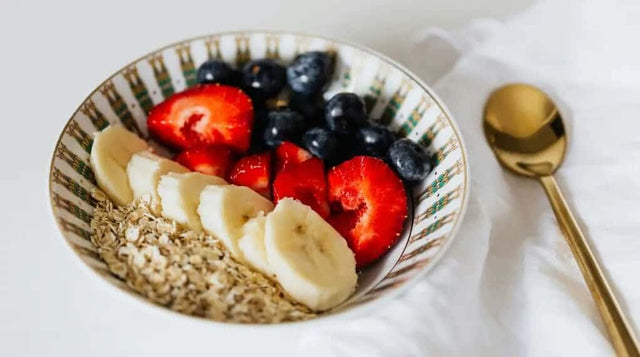
Cook ½ cup (40 grams) of rolled oats with water, then stir in one scoop (about 30 grams) of whey protein powder once it's off the heat. Top with ½ cup of berries and 1 teaspoon of peanut butter.

That bowl comes to about 333 calories, 32 grams of protein and 7 grams of fiber. The protein powder does most of the work here: plain oats with water and fruit sit closer to 8 grams of protein. Stir the powder in after cooking so it doesn't clump, and add a splash of milk if it gets too thick.

For more fiber, add a tablespoon of chia seeds (about 4 grams of fiber, 58 calories) or ground flax (about 2 grams, 37 calories).

2

Greek yogurt parfait

No cooking
About 268 calories · 26g protein · 21g carbs

Layer 1 cup of plain nonfat Greek yogurt (or skyr) with ½ cup of mixed berries and about 2 tablespoons (14 grams) of chopped walnuts. That's about 268 calories and 26 grams of protein.

Choose plain over flavored. Many flavored yogurts carry several teaspoons of added sugar per cup, so check the Added Sugars line on the label. If you want it sweeter, a small drizzle of honey you measure yourself is usually less than what comes premixed. A teaspoon of honey is about 21 calories.

3

Egg & veggie scramble

Savory classic
About 303 calories · 30g protein · 20g carbs · 4g fiber

Scramble 2 whole eggs plus 3 egg whites with a generous handful of spinach, peppers and mushrooms. Serve with one slice of whole grain toast. With the toast, that's about 303 calories and 30 grams of protein.

Cook the vegetables first so they release their water into the pan instead of into your eggs. Swap the toast for a small roasted potato if you prefer, which keeps the calories in the same range.

Using a mix of whole eggs and whites keeps the yolk's flavor while adding protein for very few calories. Each large egg white is about 17 calories and 3.6 grams of protein.

4

High-protein smoothie

Drink on the go
About 337 calories · 35g protein · 39g carbs · 7g fiber

Blend one scoop of whey protein powder, 1 cup of 1% milk, 1 cup of frozen blueberries, a handful of spinach (you won't taste it) and 1 tablespoon of ground flax. That comes to about 337 calories, 35 grams of protein and 7 grams of fiber.

Unsweetened almond milk instead of 1% milk saves calories, but it also gives up most of the 8 grams of protein a cup of 1% milk supplies. Make smoothie bags on Sunday: put the frozen fruit, spinach and flax into bags, then blend each one with liquid in the morning.

5

Cottage cheese bowl

Sweet or savory
About 270 calories · 25g protein

Top 1 cup of 2% cottage cheese with ½ cup of pineapple or peach chunks, a sprinkle of cinnamon and 1 tablespoon of crushed walnuts. That's about 270 calories and 25 grams of protein.

Want savory instead? Try tomatoes, cucumber, everything bagel seasoning and a small drizzle of olive oil. One note if you watch sodium: a cup of regular cottage cheese carries about 700 milligrams. Lower-sodium versions are on many shelves.

6

Breakfast burrito

Batch & freeze
About 482 calories · 28g protein · 41g carbs · 6g fiber

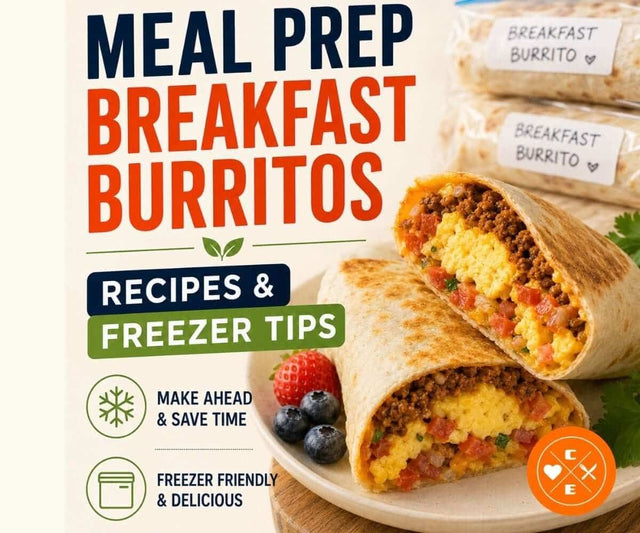
Fill an 8-inch flour tortilla with 2 scrambled eggs, ¼ cup of black beans, sautéed peppers and onions, 1 ounce of shredded cheddar and salsa. Built that way, it's about 482 calories, 28 grams of protein and 6 grams of fiber. A high-protein tortilla raises the protein. Using egg whites in place of one egg lowers the calories.

Make a batch on Sunday, wrap each burrito individually and freeze them, then reheat one each morning. Swap a tofu scramble for the eggs if you're plant-based.

Want it done for you?: Our Breakfast Burritos are $4.99 each, with 19 to 22 grams of protein and 290 to 380 calories depending on the flavor, wrapped in a protein tortilla with cage-free eggs. No prep, just heat.

7

Avocado toast, done right

Add the protein
About 256 calories · 17g protein with ½ cup cottage cheese

Top one slice of whole grain toast with ¼ of an avocado, mashed, plus ½ cup of cottage cheese or 2 eggs. Finish with chili flakes and a squeeze of lemon.

With ½ cup of cottage cheese it's about 256 calories and 17 grams of protein. With 2 eggs, about 307 calories and 18 grams. To reach the 25 to 40 gram range, use a full cup of cottage cheese, which brings it to about 347 calories and 29 grams.

The common mistake with avocado toast is skipping the protein altogether. Toast and avocado alone are mostly carbohydrate and fat, and they won't hold you for long.

8

Tofu scramble with potatoes

Plant-based
About 425 calories · 38g protein

Crumble about 7 ounces of firm tofu and cook it with turmeric, garlic and nutritional yeast. Serve it with about 150 grams of roasted breakfast potatoes and salsa. That's about 425 calories and 38 grams of protein.

The protein depends on the tofu. Firm tofu made with calcium sulfate is far higher in protein than silken tofu, so check the label. Six ounces instead of seven brings it to a little over 30 grams of protein.

9

Overnight oats

Make ahead
About 332 calories · 24g protein · 42g carbs · 8g fiber

Combine ½ cup (40 grams) of rolled oats, ½ cup of 1% milk, ½ cup of plain nonfat Greek yogurt and 1 tablespoon of chia seeds in a jar. Refrigerate overnight and top with fruit in the morning. Before the fruit, that's about 332 calories, 24 grams of protein and 8 grams of fiber.

Batch a few jars at once, keeping the fruit on the side so it stays fresh. Like other prepared food, eat them within about 3 to 4 days.

Skip the jars: Our High Protein Overnight Oats are $3.49 a pouch with 20 grams of protein. Add milk, chill and eat. Flavors include Peanut Butter Cup, Apple Cinnamon, Peaches & Cream and Cinnamon Roll.

10

Ready-made protein meal & fruit

Zero prep
About 395 calories · 40g protein, meal plus apple

When time is truly tight, heat a ready-made meal and add a piece of fruit or a side of vegetables. A chef-cooked meal doesn't have to be dinner. Our Basic Chicken Breast & Sweet Potatoes, for example, is 300 calories and 40 grams of protein on our Nutrition Info page. Add a medium apple and breakfast comes to about 395 calories.

Our High Protein Meal Plan adds 2 extra ounces of meat to each meal, about 10 more grams of protein and 50 more calories per serving, and starts at $63.00 for 6 meals. Protein varies by recipe across the menu, from 20 to 55 grams, so check the Nutrition Info page for the meals you pick.

At a glance

BreakfastCaloriesProteinMorning time
1. Protein oatmeal33332g5 minutes
2. Greek yogurt parfait26826g2 minutes
3. Egg & veggie scramble30330g10 minutes
4. High-protein smoothie33735g3 minutes
5. Cottage cheese bowl27025g2 minutes
6. Breakfast burrito48228gReheat
7. Avocado toast, done right25617g5 minutes
8. Tofu scramble with potatoes42538g15 minutes
9. Overnight oats33224gGrab & go
10. Ready-made protein meal & fruit39540gReheat

Every number below is for the portion described above, from USDA FoodData Central (SR Legacy), rounded. The ready-made meal uses our own Nutrition Info figures plus USDA for the apple.

The 30-minute Sunday prep plan

Thirty minutes on Sunday takes the decisions out of the week. You don't need all of these. Pick two that fit the breakfasts you actually like.

  1. Bake egg muffins. Whisk eggs with diced vegetables and a little cheese, pour into a muffin tin and bake at 350°F for 20 to 25 minutes. Or hard-boil a batch of eggs.
  2. Roast breakfast potatoes and peppers. Cube the potatoes, toss with olive oil and seasoning and roast at 400°F for 25 to 30 minutes. Reheat in an air fryer for crisp edges.
  3. Assemble overnight oat jars. Use the base recipe above and keep fruit on the side to add fresh each morning.
  4. Portion the yogurt. Divide Greek yogurt into containers so a parfait is a two-minute job.
  5. Pre-bag smoothie ingredients. Frozen fruit, spinach and flax in one bag, ready for the blender.

Store cooked food like egg muffins, potatoes and oat jars in the fridge at 40°F or below and eat them within 3 to 4 days, which is USDA's guidance for leftovers. That covers Monday through Wednesday or Thursday. For a full week, freeze half the egg muffins on Sunday and move them to the fridge midweek, or do a second short prep on Wednesday night.

For the complete system, including storage tips and weekly planning, see our Complete Meal Prep Guide.

Common breakfast mistakes that stall weight loss

Too little protein. A plain bagel with 2 tablespoons of cream cheese may feel like a complete breakfast, but it's about 379 calories with only about 13 grams of protein. Pair it with eggs, Greek yogurt or a protein shake, or choose one of the breakfasts above.

Unmeasured granola and nut butter. Both can be nutritious, and both are calorie-dense. Two level tablespoons of peanut butter are about 190 calories, and a heaping spoonful can be far more. USDA lists homemade granola at about 600 calories per cup, so a generous pour adds up quickly. Measure until you can eyeball it reliably.

Liquid calories. Some coffee drinks carry as many calories as a small meal, especially large sizes with syrup, sweetened milk or whipped cream. Check the nutrition information the coffee shop publishes. Black coffee, an unsweetened latte or a splash of milk you add yourself are much lighter choices.

Skipping breakfast and overeating later. Some people do well skipping breakfast. Others find they're ravenous by evening. In the 2013 trial above, a 35-gram protein breakfast reduced evening high-fat snacking compared with skipping. If late hunger is your pattern, try a small morning meal with protein, such as yogurt, eggs or a shake.

Very little fiber. Protein helps with fullness, but meals that also carry fiber tend to last longer. Fruit, oats, beans, chia and flax all raise the fiber in a breakfast without many calories.

For a full look at the foods that support weight loss, see our 100 Best Foods for Weight Loss guide.

The bottom line on weight loss breakfasts

Weight-loss breakfasts don't need to be complicated. Include a solid source of protein, add fiber-rich carbohydrate, and measure the fat. Preparing a few breakfasts in advance makes it easier to stay consistent on busy mornings, and over time that kind of breakfast can support better hunger control and steadier energy through the day.

If meal planning feels like too much, or mornings are chaos, our Weight Loss Meal Plan is built for that situation. Its meals are chef-cooked and portion-controlled, from $89.95 for 10 meals, and 14 of the 32 meals on our current menu (October 2026) come in under 500 calories with 30 grams of protein or more. For mornings specifically, the Breakfast Meal Plan starts at $89.95 for 10 breakfast meals. Plan orders ship free, and there's no subscription.

This guide is general education, not personal medical advice. If you have a medical condition or a specific weight-loss goal, a registered dietitian can help tailor these breakfasts to you.

Sources

  1. Leidy HJ et al. Beneficial effects of a higher-protein breakfast on the appetitive, hormonal, and neural signals controlling energy intake regulation in overweight/obese, breakfast-skipping, late-adolescent girls. Am J Clin Nutr 2013
  2. Jäger R et al. International Society of Sports Nutrition position stand: protein and exercise. J Int Soc Sports Nutr 2017
  3. USDA Food Safety and Inspection Service: Leftovers and food safety
  4. USDA FoodData Central (SR Legacy)

Frequently asked questions

How much protein should I eat at breakfast for weight loss?

Aim for roughly 25 to 40 grams. In a short trial, a 35-gram protein breakfast lowered the hunger hormone ghrelin and evening high-fat snacking compared with skipping breakfast. Two large eggs provide about 12.6 grams, so combine them with Greek yogurt, cottage cheese, egg whites or protein powder to reach the target.

What is the best breakfast for losing belly fat?

No single breakfast targets belly fat. Fat loss comes from overall calorie balance over time, and your body decides where it comes off. Breakfasts that combine protein, fiber and measured fat help control appetite, which makes a calorie deficit easier to hold. Egg scrambles with vegetables, Greek yogurt parfaits and protein oatmeal are all good choices.

Are eggs good for weight loss?

Yes. Eggs are nutrient-dense, affordable and filling. Two large eggs provide about 12.6 grams of protein for about 140 calories. If cholesterol is a concern for you, mix whole eggs with egg whites and talk with your doctor or a registered dietitian about your own targets.

What can I eat if I don't have time to cook?

Quick options include Greek yogurt with fruit, overnight oats made the night before, a protein shake, or cottage cheese with berries. Ready-made choices like our Protein Breakfast Sandwiches, $4.99 each and about 90 seconds to heat, also work. Batch-prepping egg muffins on Sunday gives you grab-and-go breakfasts for the first half of the week.

Tap a meal count to add

30 meals work out to $7.56 a meal

View plan details

Tap a meal count to add

30 meals work out to $9.16 a meal

View plan details