Enjoy Holiday Meals Without Derailing Your Goals

How to enjoy holiday meals without derailing your goals

One feast won't undo weeks of progress. The scale jump the next morning is mostly water. Five ways to enjoy the meal, what the numbers say about holiday weight, and how to get back to normal the next day.

  • Free Shipping on Every Meal PlanFree Shipping
  • Up to 20% Off 30-Meal PlansUp to 20% Off
  • Chef Cooked, Dietitian BuiltDietitian Built
  • Heat & Eat in MinutesHeat & Eat
Dorothy M. Shirnyl, RND
Dorothy M. Shirnyl, RNDRegistered Nutritionist-Dietitian · Nov 12, 2024
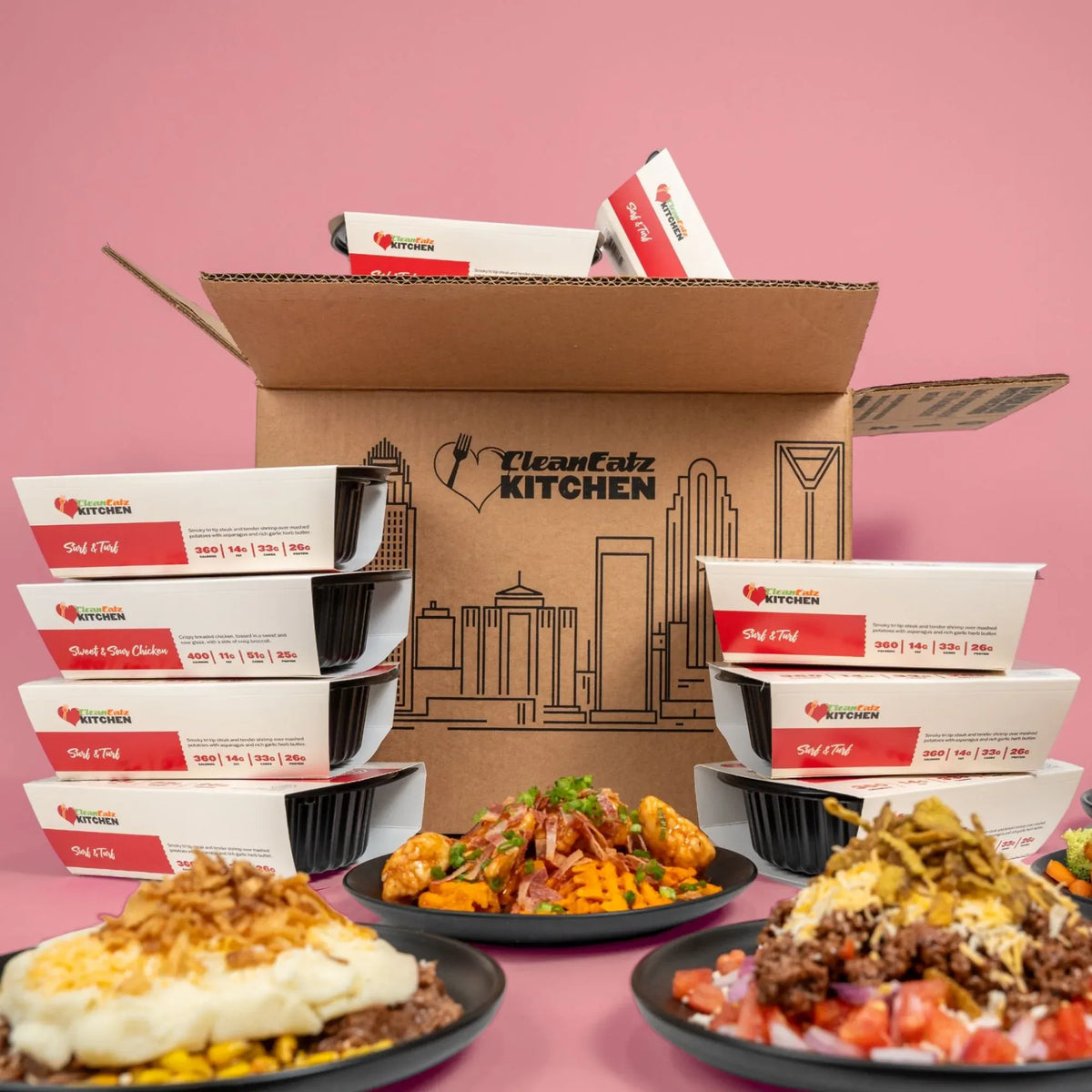
Hall of Fame Meal Plan box from Clean Eatz Kitchen with best-selling meals
Quick answer

One holiday meal won't derail your progress. Storing a single pound of fat takes roughly 3,500 calories above what you burn, and the jump on the scale the next morning is mostly water. Eat normally that day, pick the dishes you love, eat slowly, stop when satisfied, and go back to your usual meals the next day. No skipped meals, no punishment.

Thanksgiving, Christmas dinner, the office party. The tables are full, the dishes carry years of tradition, and somewhere between the stuffing and the pie a worry shows up: is this going to undo everything?

It isn't. One meal is one meal. What matters is the pattern you keep across the season and the weeks after it.

This guide covers what a big meal really does to your body and the scale, five ways to enjoy the table without regret, and how to get back to normal the next day without guilt or compensation.

Why holiday meals don't have to be cheat days

A feast is not a failure

The term "cheat meal" sets you up for guilt before you take a single bite. It implies you are breaking rules and sabotaging progress. That framing turns holiday meals into a source of stress instead of a celebration.

Try calling it what it is: a meal with people you care about, built around food that carries tradition and meaning. Thanksgiving turkey isn't a moral failing. Your grandmother's pie recipe isn't a setback. These are experiences worth having, and they fit inside a healthy lifestyle when you approach them with some attention.

Lunch went big. Dinner tomorrow is a separate event. There is no ruined week, only the next choice.

For the research on occasional indulgences, including what it says about metabolism, leptin and the psychology of planned treats, see our article on the science behind cheat meals.

What actually happens after a big meal

The morning number is mostly water

One indulgent meal will not undo weeks of progress. Your body doesn't work that way.

It's common to see a higher number on the scale the day after a holiday feast, and just as common to panic about it. That increase is mostly water and food still in transit, not fat. Salty food makes your body hold on to water. Extra carbohydrate gets stored as glycogen in your muscles and liver, and glycogen is stored with water.

How much water? Glycogen is stored with three to four parts water, according to a review in the American Journal of Clinical Nutrition. Say a big meal refills 200 grams of glycogen. That brings 600 to 800 grams of water with it, which is about 1.3 to 1.8 pounds on the scale with no fat involved. Add the weight of the food itself and a salty meal, and a 2- or 3-pound jump is easy to explain.

These shifts usually settle within a few days once your eating returns to normal. One weigh-in after a holiday meal tells you almost nothing about your real progress.

Fat is a different calculation. The common rule is that a pound of body fat holds about 3,500 calories. An NIH analysis by Kevin Hall found the rule roughly matches the energy in lost weight for people carrying more body fat, and overstates it for leaner people, whose losses include more lean tissue. For one day of overeating it is a fair guide: if you normally eat 2,000 calories, you would need to eat about 5,500 to store one pound of fat. That is a lot of turkey.

How to enjoy holiday meals step by step

Five moves for the table

Enjoying a holiday meal without regret doesn't take restriction or willpower. It takes a little strategy and a lot of self-compassion. Here are five moves, in the order the day happens.

Step 1: Don't show up starving

Eat normally before you go

Skipping breakfast and lunch to "save room" usually backfires. Arrive ravenous and you're far more likely to eat fast and eat past full before your body registers it.

Eat your normal meals through the day instead. A protein-rich snack an hour before the event, like Greek yogurt, a handful of nuts or a few slices of turkey, helps you come to the table hungry rather than desperate.

Step 2: Survey before you serve

Pick favorites, skip the filler

Before you fill a plate, walk the table and see what's there. Pick out your favorites, the dishes you look forward to all year, and notice the filler you could have any day.

Skip the generic dinner rolls if you don't care about them. Save room for your aunt's stuffing or your grandmother's sweet potato casserole. Being selective lets you enjoy more of what you actually want.

Step 3: Build a balanced plate

Protein first, then vegetables

Start with protein: turkey, ham, or whatever the main dish is. Add vegetables next, even if they come dressed in butter or cheese. Then add reasonable portions of the sides you chose.

This order means you get satisfying protein and fiber alongside the celebration food, and it moderates portions on its own without making you feel deprived.

Step 4: Eat slowly & taste it

Put the fork down between bites

Holiday meals often disappear in a blur of conversation and second helpings. Slow down. Put your fork down between bites. Notice the flavors you've been waiting all year for.

There is evidence behind this. A meta-analysis of 22 studies found that eating more slowly led people to eat less at the meal than eating fast. The studies varied a lot, but the direction held across different ways of slowing people down. Eating with attention helps you notice when you're satisfied, not stuffed. One plate eaten slowly beats three plates of distracted grazing.

Step 5: Give yourself permission

You can have the pie

When you tell yourself you "shouldn't" have something, it gets more appealing, not less. Give yourself full permission to enjoy holiday food, and the frantic urgency often fades.

You can have the pie. You don't have to eat the whole pie to prove it.

How to bounce back without guilt

The next day is just a normal day

The day after a holiday meal, the best thing you can do is go back to your normal routine. No punishment. No compensation. Just your usual habits.

Don't skip meals. Cutting calories hard the next day often starts another cycle of restriction and overeating. Your body doesn't need to be punished. It needs regular meals.

Don't over-exercise. An extra-long gym session to "burn off" dinner can lead to burnout, and it reinforces the idea that food has to be earned or paid for. Move because it feels good, not as penance.

Focus on hydration. Drink water to help your body clear the extra sodium and return to its normal fluid balance. Herbal tea, water with lemon, and watery foods like fruit and vegetables all count.

Prioritize protein and fiber. Build your next few meals around lean protein, vegetables and whole foods. Not to restrict, but because these foods help you feel your best. A high-protein meal plan covers this on the days you don't feel like cooking.

Let go of guilt. Guilt doesn't burn calories or undo anything. It just makes you miserable, and for many people it triggers more emotional eating. Everyone eats more over the holidays. Acknowledge the meal happened, enjoy the memory, and move on.

For building eating habits that hold up through real life, holidays included, see our complete guide to the best foods for weight loss.

Holiday eating mistakes to avoid

What turns one meal into six weeks

  • Banking calories all day. Skipping meals to save room tends to end in eating fast and past full. Eat normally, then enjoy dinner.
  • Reading the next-morning scale as fat. Most of that jump is water and food in transit. Weigh again in a few days if you want a real number.
  • Treating the season as one long cheat day. The meal itself is small. The weeks of leftovers, party trays and "I'll start in January" are where the 0.8 pounds comes from.
  • Punishing yourself the next day. A crash diet or a two-hour workout sets up the next swing. Return to normal instead.
  • Eating the food you don't love. If the rolls and the store-bought cookies don't excite you, skip them and spend the room on the dishes you wait all year for.

Easy meals for the days between holidays

Where our meals fit

The hard part of the holidays is rarely knowing what to eat. It's the normal days in between, when you're shopping, traveling, hosting and too tired to cook a balanced dinner. That is a workload problem, and it has a different fix than a knowledge problem.

If that sounds like your December, a few ready meals in the freezer help. With Build A Meal Plan you pick meals one by one, from $8.99 to $13.99 each, and every meal's calories, protein and sodium are listed on our Nutrition Info page. Meals are chef-cooked, portion-controlled and flash-frozen, they keep in the freezer for up to 12 months, and they heat in a few minutes. There is no subscription, so you can order for the busy weeks and skip the rest.

The bottom line on holiday meals

Celebrate, then go back to normal

Holiday meals are meant to be enjoyed, not endured with white-knuckled willpower or followed by days of guilt. One feast, or even a whole season of celebrations, doesn't define your health. What matters is the pattern of your choices over months and years.

This year, give yourself permission to celebrate. Savor the food that carries meaning, and connect with the people around the table. When the holiday is over, go back to your routine with the same grace you'd offer a friend.

Holiday eating FAQ

Quick answers

Will one big holiday meal ruin my diet progress?

No. One indulgent meal won't undo weeks of progress. Storing a pound of fat takes roughly 3,500 calories above what you burn, and most of the jump you see the next morning is water from salt and extra carbohydrate. Go back to your normal eating and the number usually settles within a few days.

Should I skip meals before a holiday dinner to save calories?

No. Arriving ravenous usually leads to eating fast and eating past full. Eat your normal meals through the day, with protein and vegetables, and have a small protein-rich snack like Greek yogurt or a few slices of turkey about an hour before the event. You will make calmer choices at the table.

How do I get back on track after holiday eating?

Go back to your normal eating routine the next day. Don't skip meals or exercise extra to compensate. Drink water, build meals around protein and vegetables, and give the scale a few days. The temporary water weight from salt and carbohydrate usually clears within that time.

How can I enjoy holiday food without feeling guilty?

Shift from a cheating mindset to a celebrating one. Choose the dishes you love, eat slowly, and stop when you're satisfied. Permission tends to lower the urge to overeat, because the food stops feeling forbidden. One celebratory meal is part of a balanced life, not a moral failing.

What should I eat at a holiday party to stay on track?

Start with protein and vegetables, then add smaller portions of the indulgent sides you love most. Skip the foods you can have any time, like generic rolls or chips, and save room for the special dishes. Eat slowly and put your fork down between bites so you notice when you're full.

How much weight do people gain over the holidays?

Less than you'd think. In a study of 195 adults, the average gain from mid-November to January was about 0.8 pounds, not the 5 pounds often quoted. Most people didn't lose that gain by the next fall, though, so the habit that matters is going back to normal meals once the celebration ends.

Tap a meal count to add

30 meals work out to $7.56 a meal

View plan details

Tap a meal count to add

18 meals work out to $8.82 a meal

View plan details