
Food & mental health
Does what I eat affect mental health? Yes, here's how
Yes. Diet won't replace care, but in one trial it helped 1 in 3 people reach remission. The gut-brain link, six nutrients with the strongest research and where the evidence is weaker than the claims.
- Free Shipping on Every Meal PlanFree Shipping
- Up to 20% Off 30-Meal PlansUp to 20% Off
- Chef Cooked, Dietitian BuiltDietitian Built
- Heat & Eat in MinutesHeat & Eat


Yes. Shortfalls in B vitamins, magnesium, omega-3s, vitamins C and D and zinc are linked to low mood and anxiety, and in one 12-week trial, 32% of adults with depression who improved their diet reached remission, against 8% with social support alone. Food supports treatment rather than replacing it, and the goal is enough of each nutrient, not mega-doses.
Dietitians hear this question often: does food really affect mental health? It does. In many cases the problem is what's missing, too little food overall or too little of a few key nutrients, rather than one food doing harm.
Some shortfalls show up in the research more than others. The reflex is to buy a supplement, but most of them can be fixed with whole foods, and the goal isn't mega-doses. It's bringing intake up to where it should be.
Nutrition is one part of mental health care, never a substitute for it. If you're struggling, talk with your doctor or a mental health professional, and if you're in crisis, call or text 988 in the US.
Diet & depression evidence
A better diet can lift mood
The clearest test of diet as a whole comes from the SMILES trial, published in 2017. Adults with moderate to severe depression, most already on medication, therapy or both, got either seven sessions with a dietitian or the same number of social support sessions. After 12 weeks, 32.3% of the diet group were in remission, compared with 8.0% of the social support group.
Two caveats belong here. The trial was small, with 67 people enrolled and 56 finishing, and it ran only 12 weeks. Treat it as a strong signal rather than proof. The diet itself was nothing exotic: more vegetables, fruit, whole grains, legumes, fish, lean meat, olive oil and nuts, and fewer sweets and processed foods.
Treat it as a strong signal rather than proof.
Crystal Zabka-Belsky MS, RDN, CSSD, LMNT, LDN
The individual nutrients below are where most people start, and the evidence for each is mixed. That's worth knowing before you spend money on a bottle.
The gut-brain connection
Your gut talks to your brain
Before the nutrients, it helps to know why food can affect mood at all. Your gut and brain are in constant contact through what scientists call the gut-brain axis, a network of nerves, hormones and chemical signals. Balanced gut bacteria are linked with better mood regulation, sleep, stress tolerance, memory and focus.
Chronic stress and a poor diet can upset gut bacteria, disrupt digestion and drive inflammation that affects the brain. A diet rich in whole foods, especially high-fiber foods and the nutrients below, supports both gut health and mental well-being.
Nutrients for mental health
Six nutrients with the strongest links
Any nutrient shortfall, from too few calories to too little of one vitamin, can affect how you feel. These six show up in the mental health research most often. For each one, here's what it does, what the research the post has always linked actually found and where to get it.
B vitamins & mood
Helpful for stress, less so for mood
B vitamins help your body make neurotransmitters like serotonin and dopamine, turn carbohydrates into energy and break down amino acids. Running short on them can compromise each of those jobs, and low B12 and folate in particular are linked with low mood and fatigue.
What happens when you add more is less dramatic. A 2019 meta-analysis of B vitamin supplement trials in healthy and at-risk adults found a benefit for stress. The benefit for depressive symptoms didn't reach significance, and there was none for anxiety. Get them from food first. They're water-soluble, but whole foods still make excess intake less likely.
Food sources: whole grains, eggs, beans, citrus fruit, avocado, meat, poultry, fish, fortified cereals and liver.
Magnesium & anxiety
The best trial result of the six
Magnesium helps regulate the nervous system. Low intake has been linked with agitation, anxiety, irritability, poor sleep and headache, and in severe deficiency, confusion and hallucinations.
The most-cited paper on the subject, a 2006 report in Medical Hypotheses, describes case histories of rapid recovery from depression on magnesium. Case histories are a hypothesis, not proof. The stronger test is a 2017 randomized trial in 112 adults with mild to moderate depression. Six weeks of 248 mg of elemental magnesium a day improved depression scores by 6 points and anxiety scores by 4.5 points compared with no treatment. It was open-label, so people knew what they were taking.
Magnesium also matters for sleep quality, and better rest is one of the foundations of mental health.
Food sources: dark leafy greens, nuts and seeds, salmon, tuna, soybeans, avocado, banana, dark chocolate, brown rice and Greek yogurt.
Omega-3s & depression
Promising, but trials disagree
Omega-3 fats, mainly EPA and DHA, are part of brain cell membranes and help neurotransmitters like serotonin and dopamine work. A 2024 research review concluded they have antidepressant effects, likely through calming inflammation in the brain, supporting neurotransmitter function and helping the brain adapt.
The same review is candid that clinical trials of omega-3 supplements have been inconsistent. Some found clear drops in depressive symptoms, others found little or none, with dose and the ratio of EPA to DHA among the likely reasons. Eating fatty fish twice a week is the low-risk way to cover it.
Food sources: mackerel, salmon and oysters supply EPA and DHA directly. Flaxseed, chia seeds, walnuts and soybeans supply ALA, a plant omega-3 the body converts to EPA and DHA only in small amounts.
Vitamin C & mental energy
Sharper focus, not a mood fix
Vitamin C intake tends to sit at one extreme or the other: too little from a diet low in fruit and vegetables, or more than needed from supplements. It protects cells, supports the immune system and helps you absorb iron, and low iron itself can leave you tired and foggy.
The research the post links is a 2022 trial in healthy young adults whose vitamin C levels were low. Four weeks of 500 mg twice a day improved attention and work engagement compared with a placebo. It didn't change mood, stress or anxiety. So vitamin C may help how alert you feel when you're short on it, not how happy you feel.
Getting enough is as simple as a couple of servings of fruit or vegetables a day.
Food sources: citrus fruit, bell peppers, tomatoes, strawberries and broccoli.
Vitamin D & depression
Linked, but supplements disappoint
Vitamin D acts on brain cells, and low blood levels go along with depression. A 2020 review of 61 studies confirmed that blood vitamin D levels are inversely linked with clinical depression, but the direction is unclear. Low vitamin D may raise the risk of depression, depression may lower vitamin D (less time outdoors, a poorer diet), or both.
A 2025 review in Clinical Nutrition describes how vitamin D may influence neurotransmitter activity, inflammation in the brain and the brain's ability to adapt. The trial evidence is more sobering. In VITAL-DEP, 18,353 adults aged 50 and older took 2,000 IU of vitamin D3 a day or a placebo for a median of 5.3 years, and vitamin D didn't prevent depression or improve mood. The 2020 review found supplements helped most in people who were both depressed and deficient.
So check before you supplement. Vitamin D is fat-soluble, and the upper limit for adults is 4,000 IU (100 mcg) a day, according to the NIH Office of Dietary Supplements. Ask your doctor for a blood test before you start.
Food sources: salmon, tuna, liver, fortified orange juice and fortified dairy foods.
Zinc & depression
A link worth taking seriously
Zinc is used throughout the nervous system. A 2017 review describes how low zinc is linked with depression and psychosis, and notes that deficiency often comes from a poor diet, poor absorption with age or conditions such as alcohol use, and common medications that interfere with absorption.
Correcting a deficiency is associated with fewer depressive symptoms in that research, and enough zinc also supports immunity. As with the others, the goal is enough, not more. High-dose zinc can interfere with copper absorption.
Food sources: oysters, red meat, poultry, beans, nuts, crab, lobster, whole grains and fortified cereals.
Foods for mental health
The same foods keep showing up
You'll notice the food lists overlap. Salmon shows up for omega-3s, magnesium and vitamin D. Nuts and seeds bring magnesium, plant omega-3s and zinc. Whole grains deliver B vitamins and zinc. That's why a balanced, whole-food diet supports mental health without a cabinet full of supplements.
| Food | Nutrients from this post |
|---|---|
| Salmon | Omega-3s, vitamin D, magnesium, B vitamins |
| Dark leafy greens | Magnesium, folate |
| Nuts & seeds | Magnesium, zinc, plant omega-3s |
| Beans | B vitamins, magnesium, zinc |
| Eggs | B vitamins, some vitamin D |
| Citrus & bell peppers | Vitamin C |
| Oysters | Zinc, omega-3s |
Everyday foods & the brain nutrients they cover
For a wider look at nutrient-dense foods that support both physical and mental well-being, see our guide to the best foods for weight loss. Many of them are the same foods that support brain health.
Low mood also makes cooking hard, and that's a workload problem, not a knowledge problem. Every Clean Eatz Kitchen meal is chef-cooked, portion-controlled and built by a registered dietitian, and Build A Meal Plan lets you choose each meal from the full menu. Every meal's nutrition is listed on our Nutrition Info page.
Food & mental health bottom line
Food is one foundation you control
What you eat does affect your mental health. The nutrients most often linked to mental well-being, B vitamins, magnesium, omega-3s, vitamin C, vitamin D and zinc, all play roles in neurotransmitter production, brain cell function and inflammation. But the single-nutrient evidence is mixed, and the strongest result so far came from improving the whole diet.
Mental health is complex, and nutrition is one piece of it. It's a foundational piece, and much of it is within your control.

The dietitian's take
Build most meals around fish, beans, leafy greens, whole grains, nuts and fruit, and eat regularly even when your appetite is low. If you suspect a deficiency, ask your doctor for bloodwork before buying supplements, and keep food working alongside your treatment, not in place of it.
Crystal Zabka-Belsky MS, RDN, CSSD, LMNT, LDN · Sports Dietitian
 Make it easy withHigh Protein Meal PlanFrom $63.00View plan
Food & mental health FAQ
Quick answers
Can food really affect your mental health?
Yes. Shortfalls in B vitamins, magnesium, omega-3s, vitamin D, vitamin C and zinc are linked to low mood, and improving the overall diet helped in the SMILES trial, where 32% of adults with depression reached remission after 12 weeks of diet support, against 8% with social support. Food supports treatment, it doesn't replace it.
What vitamins help with depression & anxiety?
The evidence is mixed. Magnesium had the best trial result, improving depression and anxiety scores in six weeks. B vitamins helped stress more than mood. Omega-3 trials disagree, and vitamin D helped mainly people who were deficient. Get each from food first and check levels with your doctor before supplementing.
Should I take supplements for mental health?
Usually food comes first, because it covers several nutrients at once and makes excess intake less likely. The goal is enough of each nutrient, not mega-doses. Before you take a supplement, especially fat-soluble vitamin D, ask your doctor for bloodwork, and mention any medications you take.
What foods are best for mental health?
Fatty fish such as salmon, mackerel and tuna provide omega-3s and vitamin D. Dark leafy greens, nuts and seeds are rich in magnesium. Whole grains, eggs and beans deliver B vitamins. Citrus and bell peppers supply vitamin C, and oysters, red meat and poultry provide zinc. Together they make up the pattern the SMILES trial used.
How does gut health affect mental health?
Your gut and brain communicate through the gut-brain axis, a network of nerves, hormones and chemical signals. Balanced gut bacteria are linked with better mood, sleep, stress tolerance and memory. A poor diet can upset gut bacteria and drive inflammation. High-fiber foods and fermented foods support both gut and brain.
More mood & brain health guides
Keep reading
 Nutrition
Food for Mental Health: What to Eat for a Healthier Mind
Crystal Zabka-Belsky MS, RDN, CSSD, LMNT, LDN · Dec 24, 2021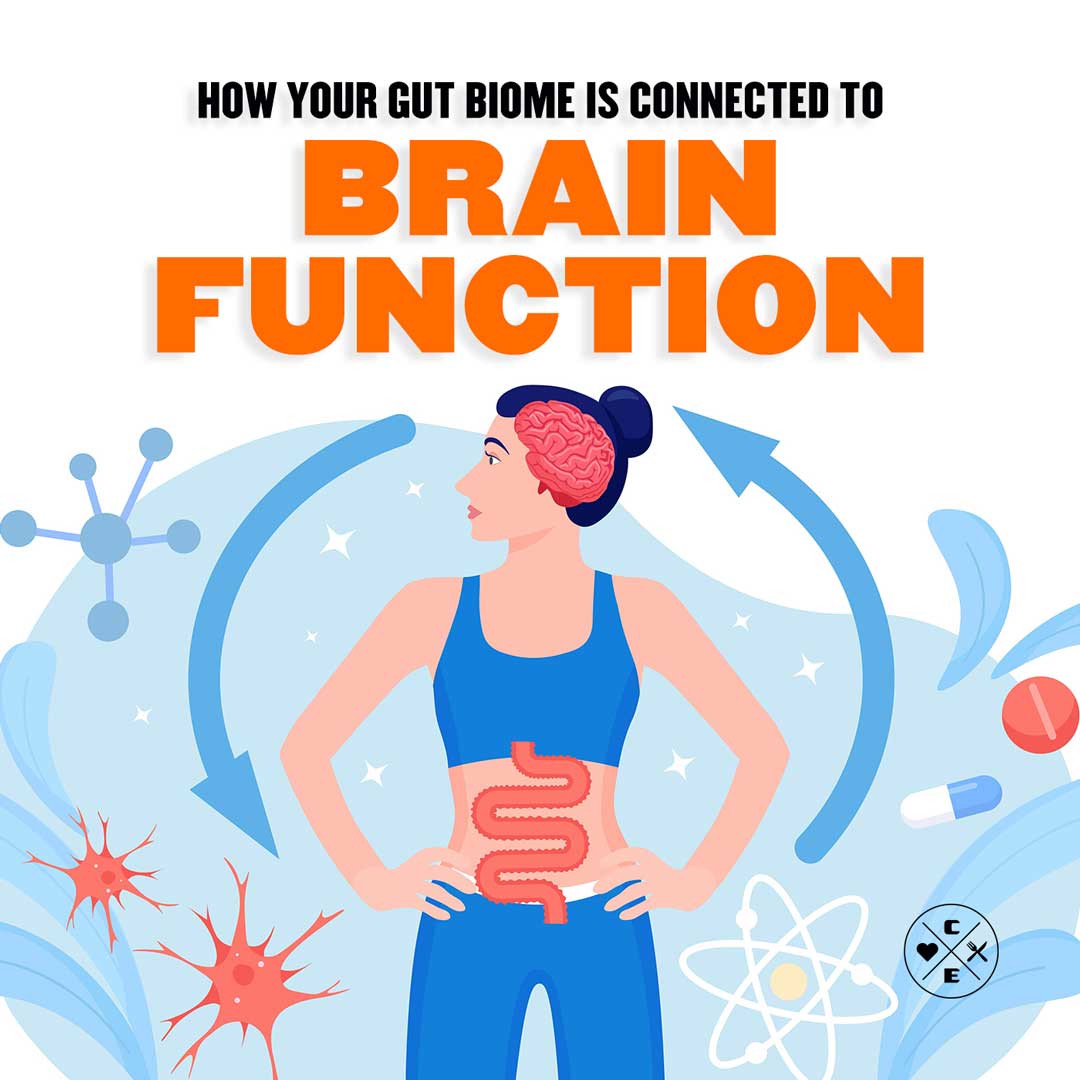 Nutrition
How Your Gut Biome Is Connected to Brain Function
 Dorothy M. Shirnyl, RND · Sep 9, 2024
 Nutrition
Best Foods for Better Mood: What to Eat for Mental Wellness
 Tina Sassine, RD, MPH · Apr 18, 2025
Sources
- Jacka FN et al. A randomised controlled trial of dietary improvement for adults with major depression (SMILES). BMC Med 2017 (PubMed)
- Young LM et al. B vitamin supplementation on depressive symptoms, anxiety and stress: a systematic review and meta-analysis. Nutrients 2019 (PMC)
- Eby GA, Eby KL. Rapid recovery from major depression using magnesium treatment. Med Hypotheses 2006 (PubMed)
- Tarleton EK et al. Role of magnesium supplementation in the treatment of depression: a randomized clinical trial. PLoS One 2017 (PubMed)
- Serefko A et al. Omega-3 polyunsaturated fatty acids in depression. 2024 (PMC)
- Sim M et al. Vitamin C supplementation promotes mental vitality in healthy young adults. 2022 (PMC)
- Menon V et al. Vitamin D and depression: a critical appraisal of the evidence and future directions. 2020 (PMC)
- Nutritional interventions in depression: the role of vitamin D and omega-3 fatty acids. Clin Nutr 2025 (PubMed)
- Okereke OI et al. Effect of long-term vitamin D3 supplementation vs placebo on risk of depression (VITAL-DEP). JAMA 2020 (PubMed)
- NIH Office of Dietary Supplements: Vitamin D fact sheet for health professionals
- Petrilli MA et al. The emerging role for zinc in depression and psychosis. 2017 (PMC)
On this page