High-protein beans & legumes for meat-free meals

11 high-protein beans & legumes for meat-free meals

Most beans give you about 15 grams of protein per cooked cup. Two give you far more. Protein, fiber and calories for 11 beans and legumes, straight from USDA data, plus easy ways to eat them.

  • Free Shipping on Every Meal PlanFree Shipping
  • Up to 20% Off 30-Meal PlansUp to 20% Off
  • Chef Cooked, Dietitian BuiltDietitian Built
  • Heat & Eat in MinutesHeat & Eat
SaVanna Shoemaker, MS, RDN, LD
SaVanna Shoemaker, MS, RDN, LDRegistered Dietitian Nutritionist · Oct 22, 2026
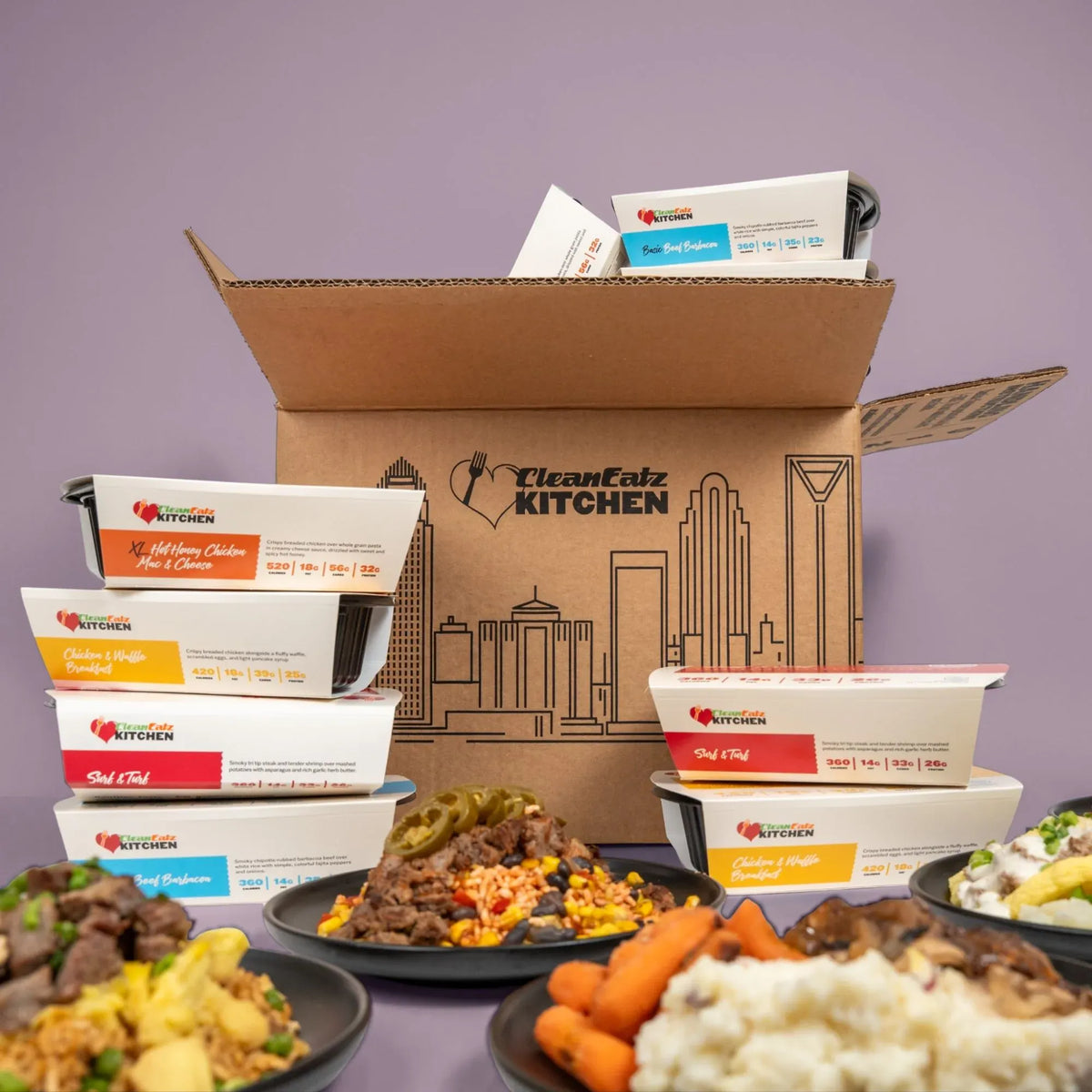
Clean Eatz Kitchen High Fiber Meal Plan box with vegetable-packed meals
Quick answer

Soybeans lead by a wide margin at about 31 grams of protein per cooked cup, followed by lupini beans at about 26. Nearly every other common bean and lentil lands between 14 and 18 grams per cup, with 11 to 19 grams of fiber and 210 to 270 calories. That is less protein than 4 ounces of chicken breast, but far more fiber than any meat.

Beans are the protein most people already have in the pantry and forget to count. One cup of cooked black beans has about as much protein as two and a half large eggs.

They also come with something meat never does: fiber, and a lot of it. Every number below is per cooked cup from USDA FoodData Central, boiled without salt, so you can compare like with like.

How beans compare on protein

About 15 grams a cup, give or take

Here's the short version. Most beans high in protein sit in a tight band: 14 to 18 grams per cooked cup. Soybeans and lupini are the outliers, with roughly double the protein of the rest.

For scale, adults need at least 0.8 grams of protein per kilogram of body weight a day, about 50 grams for a 140-pound person, per the Harvard guide to protein. One cup of lentils covers about a third of that.

The trade is calories and carbs. A cup of black beans is about 227 calories for 15 grams of protein. Four ounces of raw chicken breast gives you 25 grams for about 135 calories. So high protein beans work best as part of the protein in a meal, or as the whole protein when you pair them up.

They earn their place anyway. The Harvard guide to legumes & pulses notes that the Dietary Guidelines suggest about 3 cups of legumes a week, and that their fiber may help lower blood cholesterol. If you're eating them to manage weight, our post on are beans good for weight loss covers portions and fullness.

1

Soybeans & edamame

Most protein
31g protein per cooked cup · 296 calories · 10g fiber

Mature soybeans are the clear winner: 31.3 grams of protein per cooked cup, with 14 grams of carbs and 10 grams of fiber. That makes them the closest thing to high protein low carb beans on this list. Edamame, the young green pods, still give you 18.4 grams per shelled cup for 188 calories.

Soy also counts as a complete protein, with all nine essential amino acids, per Harvard's soy guide. Buy edamame frozen and shelled. It steams in about 5 minutes and works in grain bowls, stir-fries or straight from the bowl with salt.

  • Highest protein of any bean
  • Lowest net carbs on the list
  • Complete protein
2

Lentils

Fastest to cook
18g protein per cooked cup · 230 calories · 16g fiber

Lentils are the best everyday pick: 17.9 grams of protein and 15.6 grams of fiber per cup, with almost no fat.

No soaking, either. Brown or green lentils cook in about 20 to 30 minutes and hold their shape for salads and bowls. Red lentils break down into a thick, soft stew, which is exactly what you want in a soup or curry.

3

Split peas

Soup pick
16g protein per cooked cup · 231 calories · 16g fiber

Split peas match lentils closely at 16.3 grams of protein and 16.3 grams of fiber per cup. They cook down soft, which is why they mostly show up as soup.

Skip the ham hock and they're fully meat-free.

4

Black beans

Bowl staple
15g protein per cooked cup · 227 calories · 15g fiber

So, are black beans high in protein? Yes, for a plant: 15.2 grams per cooked cup, with 15 grams of fiber.

Their firm skins hold up in burrito bowls, tacos and soups, and they reheat without turning to mush.

Black beans are also the easiest way to stretch a meat dish. Our chicken enchilada bowl with black beans uses them to add protein and fiber without much extra fat.

6

Kidney beans

Chili bean
15g protein per cooked cup · 225 calories · 11g fiber

Kidney beans give you 15.3 grams of protein per cup. They're the standard chili bean because they stay whole through a long simmer.

7

Pinto beans

Budget pick
15g protein per cooked cup · 245 calories · 15g fiber

Are pinto beans high in protein? They're right in the middle of the pack at 15.4 grams per cooked cup, with 15.4 grams of fiber. They're often the cheapest bag of dried beans in the store.

Mash them with onion and cumin for refried beans. No lard needed.

8

Chickpeas

Most versatile
14.5g protein per cooked cup · 269 calories · 12.5g fiber

Are garbanzo beans high in protein? Garbanzo beans and chickpeas are the same thing, and they give you 14.5 grams of protein per cup. They're a little higher in fat and calories than most beans, at 4.2 grams of fat and 269 calories.

  • Roast them at 400°F until crunchy for a snack
  • Toss a half cup into any salad
  • Count the cup, not the spread: two tablespoons of hummus is a dip, not a protein serving
9

Lima beans

Low calorie
15g protein per cooked cup · 216 calories · 13g fiber

Are lima beans high in protein? Large limas give you 14.7 grams per cooked cup for 216 calories, one of the lowest calorie counts here. Their buttery texture is why they're sometimes sold as butter beans.

Try them in succotash.

10

Lupini beans

Runner-up
26g protein per cooked cup · 198 calories · 5g fiber

Lupini beans are the surprise on this list: 25.9 grams of protein per cooked cup for 198 calories, second only to soybeans. They're sold jarred in brine, often near the olives, and you eat them as a snack.

Jarred lupini are salty, so rinse them and check the sodium on the label.

11

Mung beans

Easy to digest
14g protein per cooked cup · 212 calories · 15g fiber

Mung beans round out the list at 14.2 grams of protein and 15.4 grams of fiber per cup. They're small, green and cook in about 30 to 40 minutes without soaking.

They're common in Indian dal and in Asian soups. Sprouted, they become the bean sprouts in a stir-fry, which are much lower in protein per cup because they're mostly water.

High-protein beans at a glance

All 11, side by side

Here's the full high protein beans list in one place, per cooked cup, from USDA FoodData Central. Soybeans and lupini are highlighted because they're in a different league on protein.

Protein, fiber and calories per cooked cup, boiled without salt (USDA FoodData Central SR Legacy)
Bean Protein Fiber Calories FDC ID
Soybeans 31.3 g 10.3 g 296 174271
Edamame 18.4 g 8.1 g 188 168411
Lentils 17.9 g 15.6 g 230 172421
Split peas 16.3 g 16.3 g 231 172429
Black beans 15.2 g 15.0 g 227 173735
Navy beans 15.0 g 19.1 g 255 173746
Kidney beans 15.3 g 11.3 g 225 173740
Pinto beans 15.4 g 15.4 g 245 175200
Chickpeas 14.5 g 12.5 g 269 173757
Lima beans 14.7 g 13.2 g 216 174253
Lupini beans 25.9 g 4.6 g 198 172424
Mung beans 14.2 g 15.4 g 212 174257

Protein, fiber and calories per cooked cup, boiled without salt (USDA FoodData Central SR Legacy)

Canned beans land close to these numbers once drained. The bigger difference is sodium, so look for no-salt-added cans. For fiber beyond beans, our high-fiber foods list covers grains, vegetables and fruit.

Easy ways to add beans to meals

Half meat, half beans works

You don't have to go fully meat-free to get the benefit. A few simple patterns cover most weeks:

  • Swap half the ground meat in chili, tacos or pasta sauce for black or pinto beans. You keep the texture and add fiber.
  • Make a big pot of lentils on Sunday. A cup over greens with feta and lemon is a 20-gram-protein lunch.
  • Keep frozen edamame for stir-fries and grain bowls. It cooks in minutes.
  • Blend white beans or chickpeas into dips and spreads, then use them on wraps instead of mayo.
  • Pair beans with a grain, like rice and beans or lentils and bulgur, so the protein covers more of the essential amino acids.

Start with half a cup a day if you're new to beans. Harvard's guide notes that their fermentable fibers cause gas and bloating in some people, and that soaking dried beans and cooking them well may help.

If the cooking is the hard part, our high fiber meal delivery option is the High Fiber Meal Plan: every meal has at least 5 grams of fiber, built with vegetables, legumes and whole grains plus protein. It starts at $94.95 for 10 meals and ships free to the contiguous 48 states. Several meals on our Build A Meal Plan menu also use black beans, like the Chicken Taco Bowl and the Big Boy in a Bowl. These meals include chicken, so they're bean-boosted rather than meat-free.

High-protein beans FAQ

Quick answers

What beans are high in protein?

Soybeans are highest at about 31 grams per cooked cup, then lupini beans at about 26. What beans are high in protein after that? Lentils (18 g), edamame (18 g), split peas (16 g) and black, pinto, kidney and navy beans (about 15 g each), per USDA FoodData Central.

Are black beans high in protein?

Yes. One cup of cooked black beans has 15.2 grams of protein and 15 grams of fiber for about 227 calories, per USDA FoodData Central. That's about a third of the minimum daily protein for a 140-pound adult, though you'd need two cups to match the protein in four ounces of chicken breast.

Are beans a complete protein?

Soybeans are. Harvard's Nutrition Source calls soy protein complete, with all nine essential amino acids. Most other beans run low in at least one, but you don't need every amino acid at every meal. Eating a variety of plant proteins through the day, like beans with grains, covers it.

Are beans high in protein compared to meat?

Are beans high in protein? For a plant food, yes, but meat has more per calorie. A cup of lentils gives you about 18 grams for 230 calories. Four ounces of raw chicken breast gives you about 25 grams for 135 calories. Beans add fiber that meat doesn't, so many people eat both.

Tap a meal count to add

30 meals work out to $7.56 a meal

View plan details

Tap a meal count to add

30 meals work out to $9.16 a meal

View plan details