Cucumbers
Most waterCucumbers are about 95% water, so a cup of slices has 16 calories. With half a gram of fiber, they fill the bowl more than they keep you full. Thick rounds make a crisp stand-in for crackers under tuna or chicken salad.
20 high-volume, low-calorie foods that fill your plate
Vegetables, fruit, broth soups and lean proteins give you the most food per calorie. Here are 20, with USDA calories, fiber and protein per serving and an easy way to eat each one.

High volume low calorie foods carry lots of water, fiber or protein and few calories per bite. Cucumbers, celery, leafy greens and zucchini come in under 25 calories a cup. Broth soups, berries and air-popped popcorn fill a bowl for under 100. Egg whites, nonfat Greek yogurt, shrimp and cod add 17 to 26 grams of protein for 84 to 126 calories.
Volume eating is a simple idea. You fill your plate with foods that weigh a lot and carry few calories, so you eat a satisfying amount and still come in under your calorie target. Researchers call this energy density, the calories in each gram of food. Water adds weight with zero calories, which is why a cucumber has about 0.15 calories per gram.
It holds up in research, within limits. Penn State's Barbara Rolls, who has studied energy density for decades, sums up her lab's work this way: people tend to eat a fairly steady weight of food, so lowering energy density lowers calories without a smaller plate. In one 12-month trial, women told to eat more fruit and vegetables while cutting fat lost 17.4 pounds, versus 14.1 for women told to cut fat and portions, and said they ate about 25% more food.
Numbers are USDA FoodData Central values for the serving named, rounded. If you have diabetes, kidney disease or a history of disordered eating, or you take a GLP-1 medication, talk with your doctor or a registered dietitian before you change how you eat.
Cucumbers are about 95% water, so a cup of slices has 16 calories. With half a gram of fiber, they fill the bowl more than they keep you full. Thick rounds make a crisp stand-in for crackers under tuna or chicken salad.

Celery matches cucumber on water and beats it on fiber, with 1.6 grams per chopped cup for 14 calories. It's a carrier more than a snack on its own.
If you want the classic low calorie high volume foods, start here. Two cups of shredded romaine have 16 calories and 2 grams of fiber. Two cups of raw spinach have 14 calories but cook down to a few spoonfuls, so spinach adds nutrients more than volume once it's hot.
Make greens the base of the plate, not the side. Three cups of romaine under grilled chicken turns a small dinner into a big one. Then measure the dressing.
Zucchini is 95% water and mild enough to hide in almost anything, at 21 calories a chopped cup. Mix zucchini noodles half and half with pasta and the bowl stays just as big.
Cauliflower is one of the most useful high volume foods because it can stand in for rice, mash or pizza crust. A chopped cup has 27 calories, 2 grams of fiber and more than half a day's vitamin C. Pulse florets into rice and mix it half and half with brown rice so it still eats like rice.
Broccoli earns its spot with fiber. A cooked cup has 5 grams of fiber, 4 grams of protein and 101 milligrams of vitamin C for 55 calories. Fiber slows digestion, which is why it shows up on every list of Low calorie high fiber foods.
Frozen florets are just as useful as fresh. Microwave them for a side in minutes, or roast fresh ones at 425°F for 20 minutes with a teaspoon of olive oil.
Mushrooms have a meaty bite for 15 calories a sliced cup, so they're the easiest way to stretch ground meat. Rolls notes that swapping vegetables in for denser foods, not just adding them on top, is what lowered intake in her lab.
A chopped cup of red bell pepper has 190 milligrams of vitamin C, about twice the daily value, and 3 grams of fiber for 39 calories. Slice a few into strips on Sunday and you have a sweet, crunchy snack to dip in salsa all week.
A medium tomato has 22 calories. Cooked into sauce, tomatoes coat a big plate for very few calories, so a red sauce usually gives you more food than a cream one.
Cabbage is cheap, keeps well and gives you a lot of crunch: 22 calories and 2 grams of fiber per chopped cup. Stir a bag of coleslaw mix into a stir-fry, or dress shredded cabbage with lime and Greek yogurt in place of mayo.
A full cup of watermelon cubes comes to 46 calories. It's low in fiber, so it fills you fast and wears off fast. Pair it with a protein, or toss cubes with cucumber and mint for a side that's mostly water.
A cup of strawberry halves has 49 calories, 3 grams of fiber and 89 milligrams of vitamin C. That's a full cup of something sweet for under 50 calories.
Half a pink grapefruit has 52 calories and takes a while to eat with a spoon. It isn't a fat burner. It works like any light starter, taking the edge off hunger before the main plate.
Whole apples beat apple juice for fullness. In a Penn State study, 58 adults who ate a whole apple 15 minutes before lunch took in about 15% fewer calories at that meal, apple included, than with no starter. Applesauce and juice didn't do as well.
So have one before dinner on the nights you know you'll be extra hungry. Eat it slowly, skin and all.
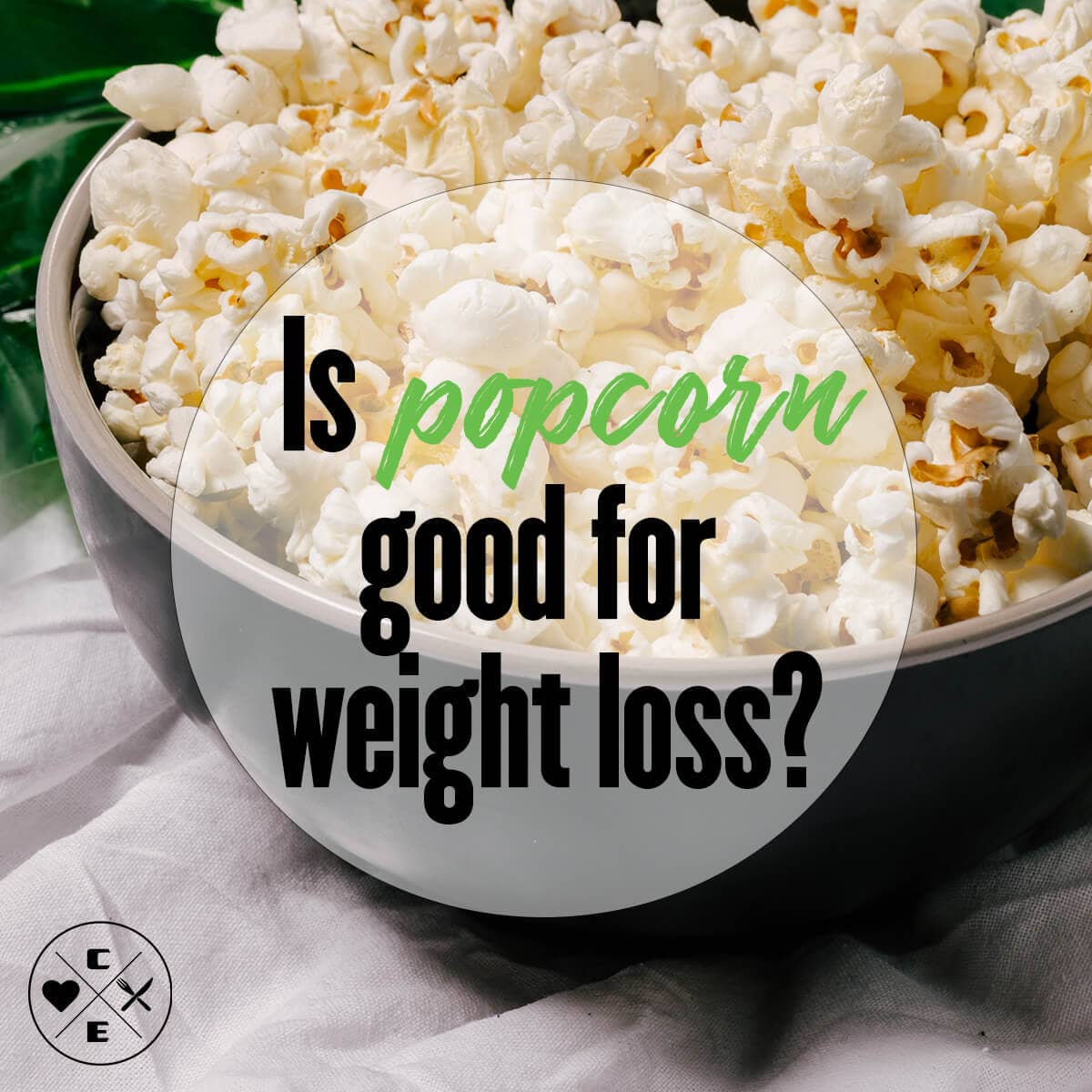
Popcorn is the odd one here. It's dense by weight but mostly air, so 3 cups come to 93 calories and 3.5 grams of fiber. In a small 2012 study funded by a popcorn maker, 35 adults felt more satisfied after 6 cups of popcorn (100 calories) than after 1 cup of potato chips (150 calories).
Plenty of volume eating recipes for snacks start here: air-pop it and season it with chili powder, cinnamon or parmesan. For more ideas, see our Healthy snacks that help weight loss.
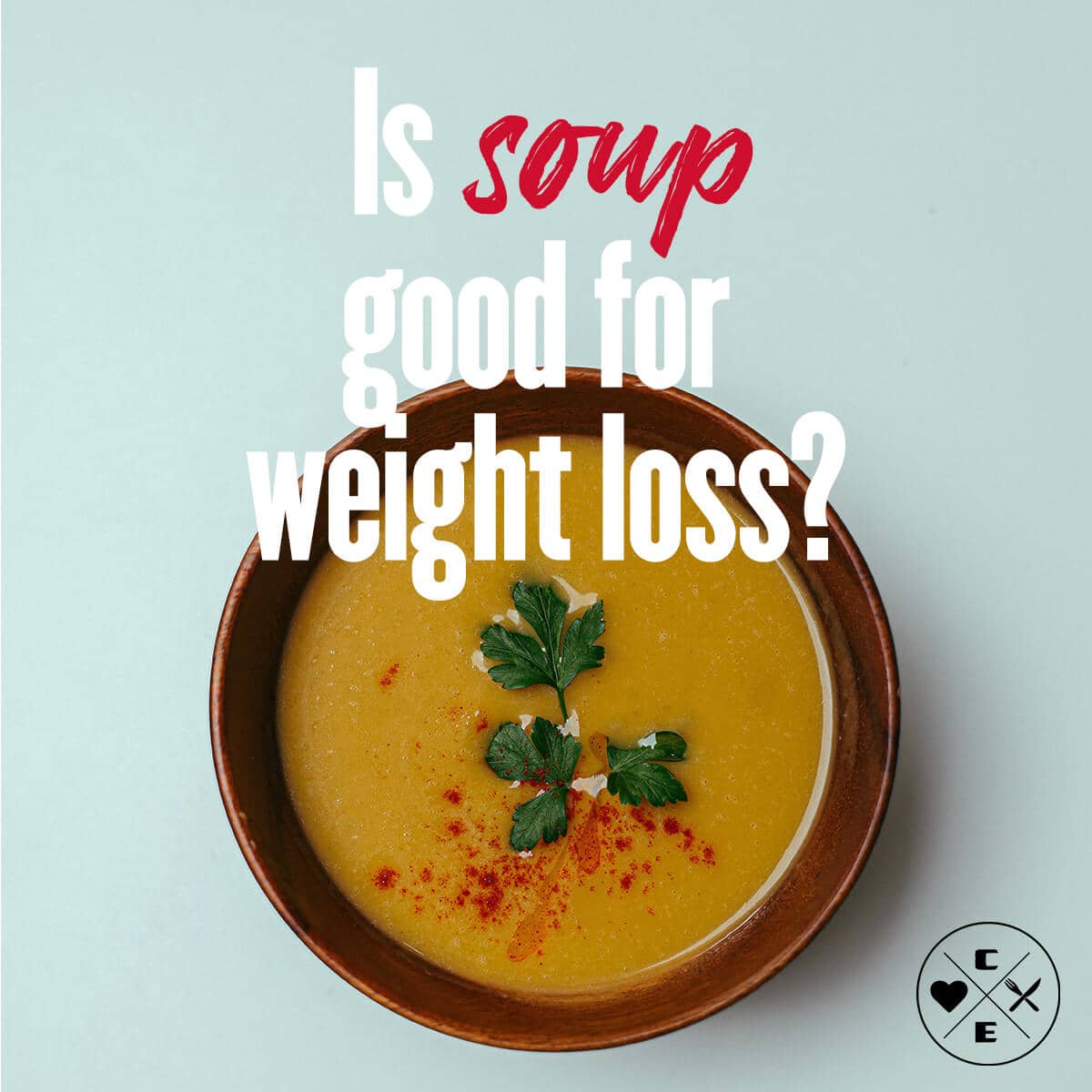
Soup is the best-studied of all the low calorie filling foods. In a 2007 Penn State trial, 60 adults who had vegetable soup before lunch ate 20% fewer calories at that meal, about 134 calories, soup included. Chunky or pureed made no difference.
Protein is what turns filling low calorie foods into a meal that lasts. A 2015 review found higher-protein meals made people feel fuller and suggested about 25 to 30 grams per meal. A cup of egg whites gets you 26 grams for 126 calories.
Scramble one whole egg with a cup of whites and a big handful of spinach for a breakfast plate that looks like a lot of food. For lunches and dinners built the same way, see our High-protein meals under 500 calories.
A 6-ounce container of plain nonfat Greek yogurt has 17 grams of protein for 100 calories. Start with plain, since flavored cups can carry a lot of added sugar.
Three ounces of cooked shrimp have 20 grams of protein for 84 calories, and frozen peeled shrimp cooks in a few minutes in a hot pan. Pile it on cabbage slaw, cauliflower rice and salsa for a taco bowl that's mostly vegetables.
Three ounces of cooked Atlantic cod have 19 grams of protein for 89 calories. Haddock and pollock cook the same way and taste like whatever you season them with.
All 20 in one table
Here are all 20 high volume low calorie foods in one place, in list order, with a serving you'd actually eat. Every number comes from USDA FoodData Central, rounded.
| Food | Serving | Calories | Fiber | Protein |
|---|---|---|---|---|
| Cucumbers | 1 cup, sliced | 16 | 0.5g | 0.7g |
| Celery | 1 cup, chopped | 14 | 1.6g | 0.7g |
| Leafy greens | 2 cups romaine | 16 | 2g | 1.2g |
| Zucchini | 1 cup, chopped | 21 | 1.2g | 1.5g |
| Cauliflower | 1 cup, chopped | 27 | 2.1g | 2.1g |
| Broccoli | 1 cup, cooked | 55 | 5.1g | 3.7g |
| Mushrooms | 1 cup, sliced | 15 | 0.7g | 2.2g |
| Bell peppers | 1 cup, chopped | 39 | 3.1g | 1.5g |
| Tomatoes | 1 medium | 22 | 1.5g | 1.1g |
| Cabbage | 1 cup, chopped | 22 | 2.2g | 1.1g |
| Watermelon | 1 cup, diced | 46 | 0.6g | 0.9g |
| Strawberries | 1 cup, halved | 49 | 3g | 1g |
| Grapefruit | 1/2 fruit | 52 | 2g | 0.9g |
| Apples | 1 medium | 95 | 4.4g | 0.5g |
| Air-popped popcorn | 3 cups | 93 | 3.5g | 3.1g |
| Broth-based soup | 1 cup | 80 | 1.7g | 2.9g |
| Egg whites | 1 cup | 126 | 0g | 26g |
| Nonfat Greek yogurt | 6 oz | 100 | 0g | 17g |
| Shrimp | 3 oz, cooked | 84 | 0g | 20g |
| Cod | 3 oz, cooked | 89 | 0g | 19g |
Calories, fiber and protein per serving, from USDA FoodData Central, rounded.
The vegetables at the top are the low calorie foods that add the most volume. The proteins at the bottom keep you full longer. A plate that works uses both: half vegetables, a palm of lean protein.
If building that plate every night isn't realistic, our Weight Loss Meal Plan does the portioning for you. Meals are calorie-controlled and macro-balanced, from $89.95 for 10 meals with free shipping and no subscription. Add steamed broccoli or a side salad and you've got a volume plate with almost no cooking.
Common questions
People who ask what is volume eating usually want to know if it's a diet. It isn't. Volume eating is a way to build plates, and it works alongside whatever eating style you already follow.
Volume eating means choosing foods with few calories per gram, like vegetables, fruit, broth soups and lean proteins, so you can eat a large, satisfying portion for fewer calories. Researchers call it lowering energy density. The goal is to change what's on the plate, not to eat less food.
Foods that pair water with fiber or protein. In Penn State lab studies, broth soup and a whole apple eaten before a meal cut total meal calories by 20% and 15%. Lean proteins like egg whites, Greek yogurt, shrimp and white fish add fullness that lasts. Watery foods with little fiber, like watermelon, fill you only briefly.
It can, as part of a calorie deficit. In a 12-month trial, women told to eat more fruit and vegetables while cutting fat lost 17.4 pounds, versus 14.1 for women told to cut fat and portions, and reported eating more food. Results vary from person to person, so talk with your doctor or a registered dietitian about a plan that fits your health.
Keep reading
Sources
On this page