

To lose fat without losing muscle, eat about 1.6 to 2.0 grams of protein per kilogram of body weight a day, or 0.73 to 0.91 grams per pound. Split it across 3 to 4 meals of 25 to 30g or more each, build every meal around a lean protein, and pair it with a moderate calorie deficit. For a 175-pound person, that is about 130 to 160g a day.
Dropping body fat is one of the most common nutrition goals there is. One of the most common mistakes is the crash diet: cutting calories so hard that the body burns muscle for fuel right alongside the fat. The scale moves, technically. The result is a smaller, weaker version of the body you started with.
The fix isn't dramatic. It's a deliberate shift toward more protein, spread across the day, paired with a moderate calorie deficit. Protein is the one lever that helps you keep muscle while the fat comes off.
This guide walks through how to actually pull that off: your number, the per-meal threshold, the foods that make it easy, and a week of tracking to find your gap. If you want the science on why protein supports weight loss, our companion piece Is Protein Good for Weight Loss? covers that in detail.
Why protein matters for fat loss
The RDA was built for a different job
The standard RDA for protein, 0.8 grams per kilogram of body weight, was set to prevent deficiency. It was not designed to protect muscle while you eat less on purpose. That is an important distinction.
A 2024 systematic review and meta-analysis of trials in adults with overweight or obesity found that eating more protein during weight loss significantly reduced muscle loss. The pooled muscle analysis covered 28 trials and 1,989 people. Intakes above 1.3g per kilogram a day were linked to gaining muscle mass, and intakes below 1.0g to a higher risk of losing it. Extra protein did not clearly improve strength or physical function, so it is a muscle-keeping tool, not a performance one.
Same deficit, different result. Protein decides how much of the weight you lose is fat.
Muscle matters beyond looks. It is metabolically active tissue, it carries you through daily life, and it is much harder to rebuild than to keep.
How to increase protein to reduce fat step by step
Six steps from number to plate
The steps run in the order you'd use them: set the target, split it into meals, then build the habits that make it happen on a normal, busy week.
Find your daily protein number
1.6 to 2.0g per kilogram
The range we recommend for fat loss with muscle preservation is 1.6 to 2.0 grams of protein per kilogram of body weight per day, about 0.73 to 0.91 grams per pound. It sits comfortably above the 1.3g line from the meta-analysis. The International Society of Sports Nutrition puts 1.4 to 2.0g per kilogram as enough for most exercising people, and a meta-analysis of 49 strength training trials found muscle gains stopped improving above about 1.6g per kilogram.
The lower end works for general weight loss. The upper end is where athletes and people in steeper deficits should land. Here is what that looks like at common body weights:
| Weight | Daily | Per meal |
|---|---|---|
| 125 lb (57 kg) | 90 to 115g | 23 to 29g |
| 150 lb (68 kg) | 110 to 135g | 28 to 34g |
| 175 lb (79 kg) | 130 to 160g | 32 to 40g |
| 200 lb (91 kg) | 145 to 180g | 36 to 45g |
| 225 lb (102 kg) | 165 to 205g | 41 to 51g |
| 250 lb (113 kg) | 185 to 225g | 46 to 56g |
Daily protein at 1.6 to 2.0 g/kg, and per meal across 4 meals
If you fall between rows, split the difference. If you have a lot of weight to lose, base the math on your goal weight or a lean body mass estimate, not your current scale weight. Otherwise the numbers get unnecessarily high. At 280 pounds, for example, a goal weight of 200 gives you the 145 to 180g row instead of a target over 200g.
Hit 25 to 30 grams at every meal
Protein per meal matters most
For years, the advice was six small meals a day to "stoke the metabolism." The evidence never backed it. The ISSN's review of meal frequency found that eating more often does not raise resting metabolic rate or total energy burned, and does not improve body composition in sedentary people.
What matters more is whether each meal carries enough protein to switch on muscle protein synthesis. For most adults that is roughly 25 to 30 grams of high-quality protein per meal. The ISSN's general guidance is 0.25g per kilogram of body weight per meal, or 20 to 40g. Older adults need more: in a pooled analysis from McMaster University, men around 71 needed about 0.40g per kilogram in a meal to max out the response, compared with 0.24g for men around 22. Older muscle is less responsive to small doses, a pattern called anabolic resistance. At 0.40g per kilogram, an older adult weighing 80 kg (176 pounds) needs about 32g in a meal, and larger older adults land around 35 to 40g.
So three or four well-built meals a day, each hitting the target, work as well as six small ones, with a lot less chewing. Plan each meal to carry its share and you can stop micromanaging snacks.
Anchor every meal with protein first
Decide the protein, then the plate
Decide what the protein is before you decide anything else. Chicken thigh, salmon fillet, three eggs, a Greek yogurt bowl, lentil soup. Once the protein is set, the rest of the plate (vegetables, a smart carb, a healthy fat) falls in around it.
This one habit fixes the most common pattern: a meal built around pasta or bread, with protein as an afterthought. Reverse the order and the grams follow.
Build a protein floor for breakfast
Breakfast is where most people fall short
Many people backload protein at dinner and short themselves at breakfast. A breakfast that clears 25 grams sets up the whole day and helps head off mid-morning hunger.
Easy ways to get there: eggs plus Greek yogurt, a protein smoothie, cottage cheese with fruit, or protein overnight oats. Three large eggs give you about 19g (USDA: 6.3g per large egg), and a 170g cup of plain nonfat Greek yogurt adds about 16g more (USDA). Our High Protein Overnight Oats carry 20g of protein per pouch if you'd rather grab and go.
Have a backup plan for off days
Insurance, not cheating
Protein powder, a decent protein bar or a prepared meal you can heat in a few minutes isn't cheating. It is insurance against the days when cooking from scratch isn't going to happen.
The goal is consistency across about a hundred meals a month, not perfection at any single one. A backup in the freezer or the pantry turns a missed meal into a 30g meal instead of a 10g one.
Track for a week, then trust the patterns
Seven days shows your real gap
You don't need to count grams forever. Track honestly for seven days with any free app, see where your average lands, then adjust your defaults.
If you come up 30 to 50 grams short, a couple of swaps usually close it. Greek yogurt instead of cereal adds about 16g. An extra 100g of cooked chicken breast at dinner adds 31g. Together that is 47g, without a single new recipe.
For the broader food strategy beyond protein, our 100 best foods for weight loss guide covers the full picture.
Best protein sources for fat loss
Lean protein stretches your calories
When calories matter, leaner protein matters more. Every gram of fat or carbohydrate that hitches a ride with your protein is a calorie you didn't choose to spend. Build your default rotation around foods that deliver a lot of protein for relatively few calories.
| Food | Protein | Calories | Protein per 100 cal |
|---|---|---|---|
| Cod, cooked | 23g | 105 | 22g |
| Turkey breast, roasted | 30g | 147 | 20g |
| Chicken breast, roasted | 31g | 165 | 19g |
| Greek yogurt, plain nonfat | 9.5g | 54 | 18g |
| Cottage cheese, 2% | 10g | 81 | 13g |
| Tofu, firm | 17g | 144 | 12g |
| Salmon, farmed, cooked | 22g | 206 | 11g |
| Edamame, prepared | 12g | 121 | 10g |
| Whole egg | 13g | 143 | 9g |
| Lentils, boiled | 9g | 116 | 8g |
Protein and calories per 100g, USDA FoodData Central
Lean animal proteins. Chicken breast has 31g of protein and about 3.6g of fat per 100g cooked, per USDA FoodData Central, so a 4-ounce cooked portion lands near 35g. Turkey breast, lean ground beef (93/7 or leaner), pork tenderloin and white fish like cod or tilapia are the other workhorses. They clear 25 to 30g per serving without bringing much fat along.
Fatty fish. Salmon, tuna and sardines bring more fat, but it's mostly the omega-3 kind, worth the trade for heart health. Aim for two or three servings a week.
Eggs and dairy. A whole egg gives you about 6g of protein. Three eggs plus a serving of Greek yogurt or cottage cheese easily clears 30g. Low-fat dairy is the move when you're counting calories. Full-fat is fine if your fat budget has room.
Plant proteins. Tofu, tempeh, edamame, lentils and chickpeas all deliver respectable protein with fiber added. They usually need slightly larger portions to hit the per-meal target, but they earn their keep with fullness and gut-health benefits. For how protein sources differ for muscle building versus fat loss, see our guide to the best protein sources for each goal.
Protein mistakes that stall fat loss
Where the grams go missing
- Basing the target on a very high current weight. Use your goal weight or lean mass, or the number gets unreachable and you give up on it.
- Eating most of it at dinner. A 10g breakfast and a 70g dinner miss the per-meal threshold twice. Spread it out.
- Choosing protein that brings its own calorie bill. Fried chicken, fatty cuts and full-fat cheese count as protein, but they cost more of your deficit. Check the protein per 100 calories.
- Cutting the deficit too steep. Even high protein can't fully protect muscle in a crash diet. A moderate deficit plus protein is the combination that works.
- Skipping strength training. Protein supplies the material, lifting gives your muscle a reason to keep it.
High-protein meals for fat loss
When the hard part is doing it
Reading "150 grams of protein a day" is one thing. Getting there week after week while working, parenting and trying to have a life is another. If the hard part is execution rather than knowledge, that is where prepared meals earn their place.
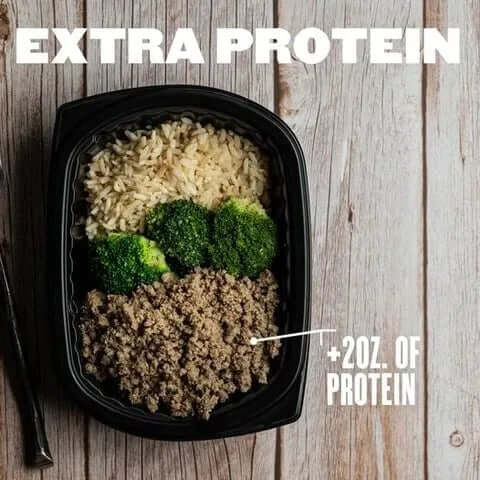
Our High Protein Meal Plan adds 2 extra ounces of meat to each meal compared with our regular recipes, about 10g more protein and 50 more calories, for about 500+ calories a meal. Across our current menu (October 2026), protein runs from 20 to 55g a meal, with a median of 31.5g, and 20 of our 32 meals have 30g or more. Every meal's numbers are on our Nutrition Info page.
If you want more control, Build A Meal Plan lets you pick meals one by one and filter by protein (20 to 30g, 31 to 40g and 41g+), so you can match the per-meal targets in the table above. For a scoop on the go, Shakez Protein Powder has 20g of whey protein per scoop. The meals heat in a few minutes, there's no subscription, and meal plan orders ship free to the contiguous 48 states.
Protein for fat loss FAQ
Quick answers
How much protein should I eat to lose fat?
For fat loss with muscle preservation, aim for 1.6 to 2.0 grams of protein per kilogram of body weight a day, about 0.73 to 0.91 grams per pound. For a 175-pound person, that is roughly 130 to 160 grams daily. If you have a lot of weight to lose, base it on your goal weight instead of your current one.
How many meals a day do I need to hit my protein target?
Three to four meals is enough for most people. Eating more often doesn't raise your metabolism, according to the ISSN's review of meal frequency. What matters is getting 25 to 30 grams of high-quality protein per meal so each meal switches on muscle protein synthesis. Older adults need more per meal, around 0.4 grams per kilogram, or about 32 grams at 176 pounds.
What are the best high-protein foods for fat loss?
Lean animal proteins are the easiest path: chicken breast, turkey, lean ground beef, white fish, salmon, eggs, Greek yogurt and cottage cheese all deliver a lot of protein for few calories. Cod and turkey breast give about 20 grams per 100 calories. For plant-based options, tofu, tempeh, edamame and lentils get you closest.
Can I eat too much protein?
For healthy adults, high-protein diets have not been shown to harm kidney function or bone density, per a 2020 review. Going far above about 2 grams per kilogram adds calories without adding muscle protection and can crowd out other foods. People with kidney disease should follow their doctor's guidance on protein limits.
Do I need protein supplements to hit my targets?
No. Chicken, fish, eggs, dairy, beans and tofu can get you there. Whey or plant protein powders are useful when your schedule, appetite or budget makes hitting the number from food alone hard. The ISSN calls supplements a practical way to add protein without many calories. They are a convenience, not a requirement.
Is plant protein as good as animal protein for fat loss?
It can be, with a little more volume. Plant proteins usually carry less leucine and fewer essential amino acids per gram, so you need slightly larger portions or a mix of sources to hit the per-meal target. Tofu, tempeh, edamame and lentils work well, and they bring fiber that helps keep you full.
The bottom line on protein & fat loss
Find your number, then repeat it
Increasing protein to reduce body fat isn't a trick or a trend. It is the most reliable nutrition lever you have for keeping the muscle and losing the fat, instead of losing both.
Find your number. Hit 25 to 30g or more per meal. Lean on lean sources and let the rest of the plate work around that anchor. Do that consistently and the body composition you're after stops feeling like a fight.
More protein & fat loss guides
Keep reading
 Nutrition
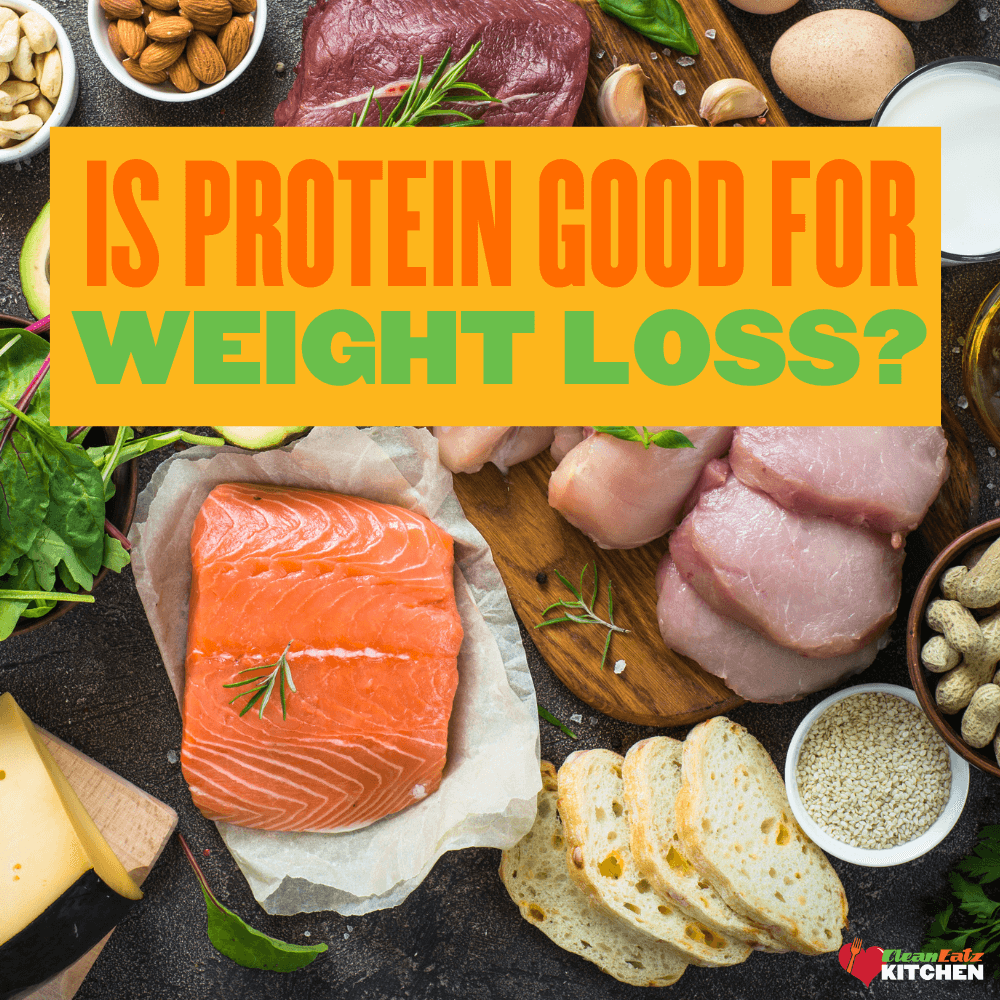
Is Protein Good for Weight Loss? Advice & Facts
 Tina Sassine, RD, MPH · Oct 9, 2026
 Nutrition
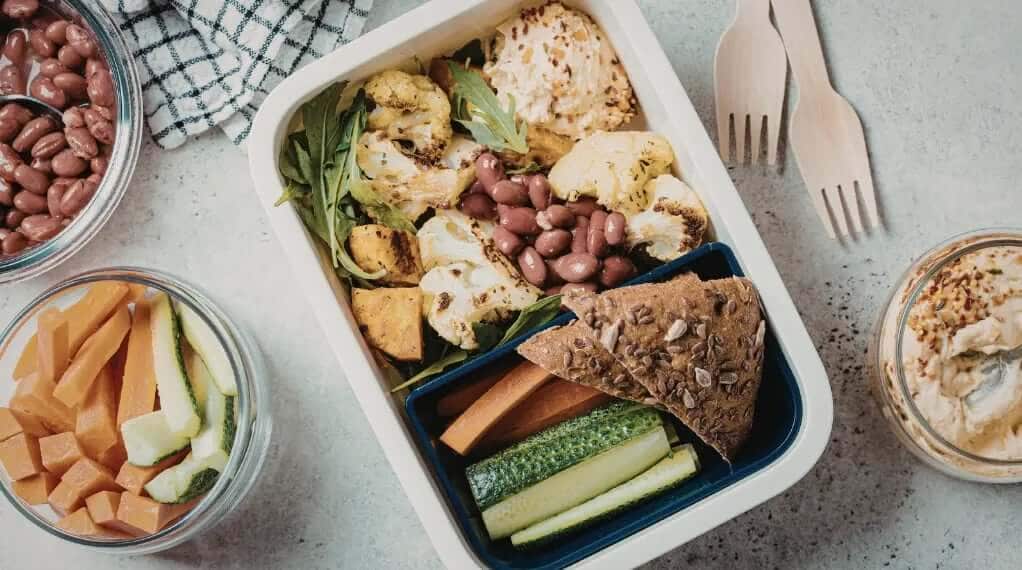
The Best Protein Sources For Building Muscle Vs. Losing Fat
 Staci Gulbin, MS, MEd, RD · Oct 7, 2026
 Nutrition
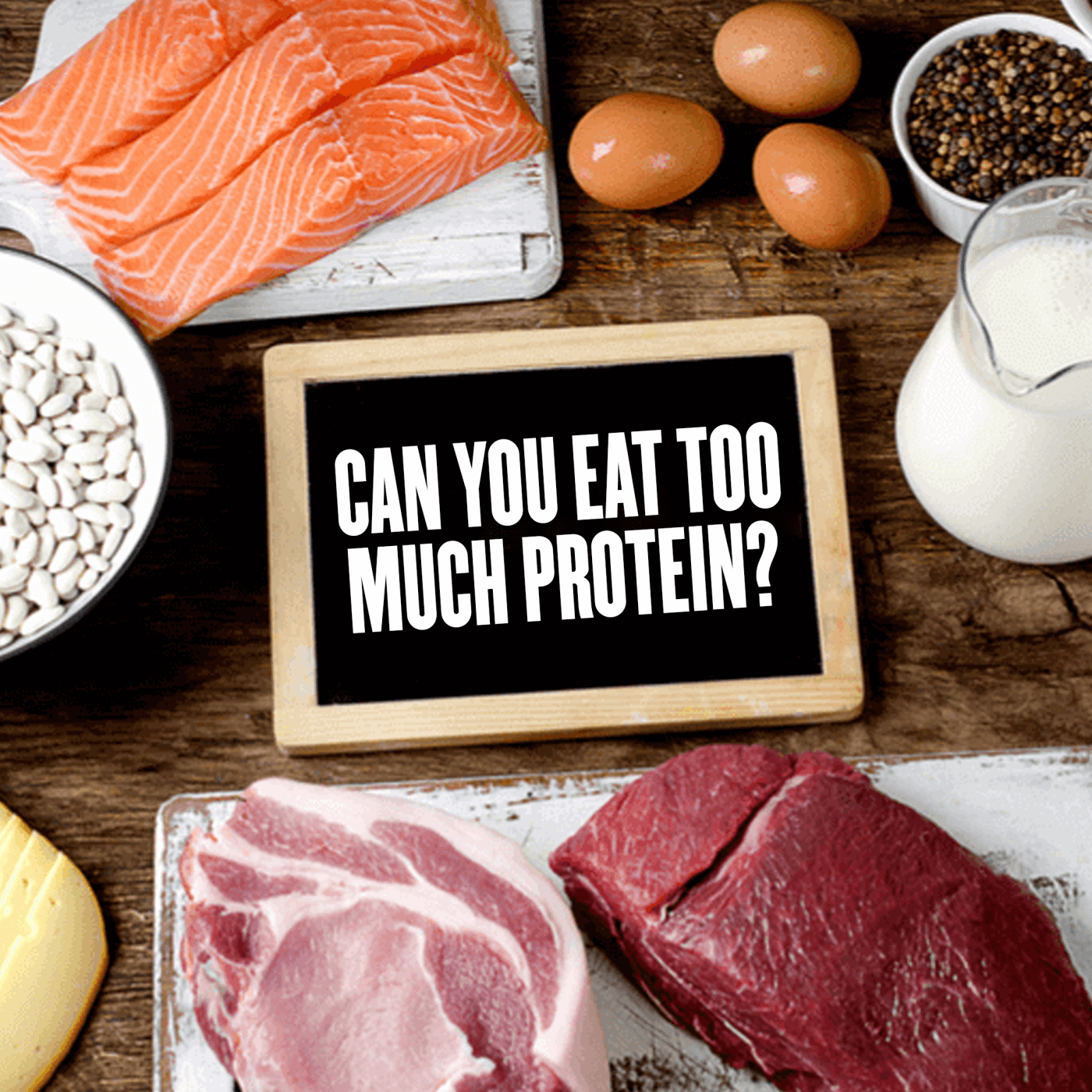
Can You Eat Too Much Protein? Safe Limits & Signs (2026)
Tina Sassine, RD, MPH · May 18, 2022
Sources
- Kokura Y et al. Enhanced protein intake on maintaining muscle mass, strength, and physical function in adults with overweight/obesity: a systematic review and meta-analysis. Clin Nutr ESPEN 2024
- Jäger R et al. International Society of Sports Nutrition position stand: protein and exercise. J Int Soc Sports Nutr 2017 (PubMed)
- Morton RW et al. A systematic review, meta-analysis and meta-regression of the effect of protein supplementation on resistance training-induced gains in muscle mass and strength. Br J Sports Med 2018 (PubMed)
- La Bounty PM et al. International Society of Sports Nutrition position stand: meal frequency. J Int Soc Sports Nutr 2011 (PubMed)
- Moore DR et al. Protein ingestion to stimulate myofibrillar protein synthesis requires greater relative protein intakes in healthy older versus younger men. J Gerontol A 2015 (PubMed)
- Moon J, Koh G. Clinical evidence and mechanisms of high-protein diet-induced weight loss. J Obes Metab Syndr 2020 (PubMed)
- USDA FoodData Central: Chicken breast, meat only, cooked, roasted
- USDA FoodData Central: Egg, whole, raw, fresh
- USDA FoodData Central: Greek yogurt, nonfat, plain
- USDA FoodData Central: Turkey, whole, breast, meat only, cooked, roasted
- USDA FoodData Central: Fish, cod, Atlantic, cooked, dry heat
- USDA FoodData Central: Fish, salmon, Atlantic, farmed, cooked, dry heat
- USDA FoodData Central: Cheese, cottage, lowfat, 2% milkfat
- USDA FoodData Central: Tofu, raw, firm
- USDA FoodData Central: Edamame, frozen, prepared
- USDA FoodData Central: Lentils, mature seeds, cooked, boiled