
Cottage cheese for weight loss
Is cottage cheese good for weight loss? What to know
Yes, as an easy source of protein. A half cup of low-fat has about 12 grams for about 90 calories. It isn't a fat-loss food on its own, and it's salty. Here's what the research shows and how to fit it in.
- Free Shipping on Every Meal PlanFree Shipping
- Up to 20% Off 30-Meal PlansUp to 20% Off
- Chef Cooked, Dietitian BuiltDietitian Built
- Heat & Eat in MinutesHeat & Eat

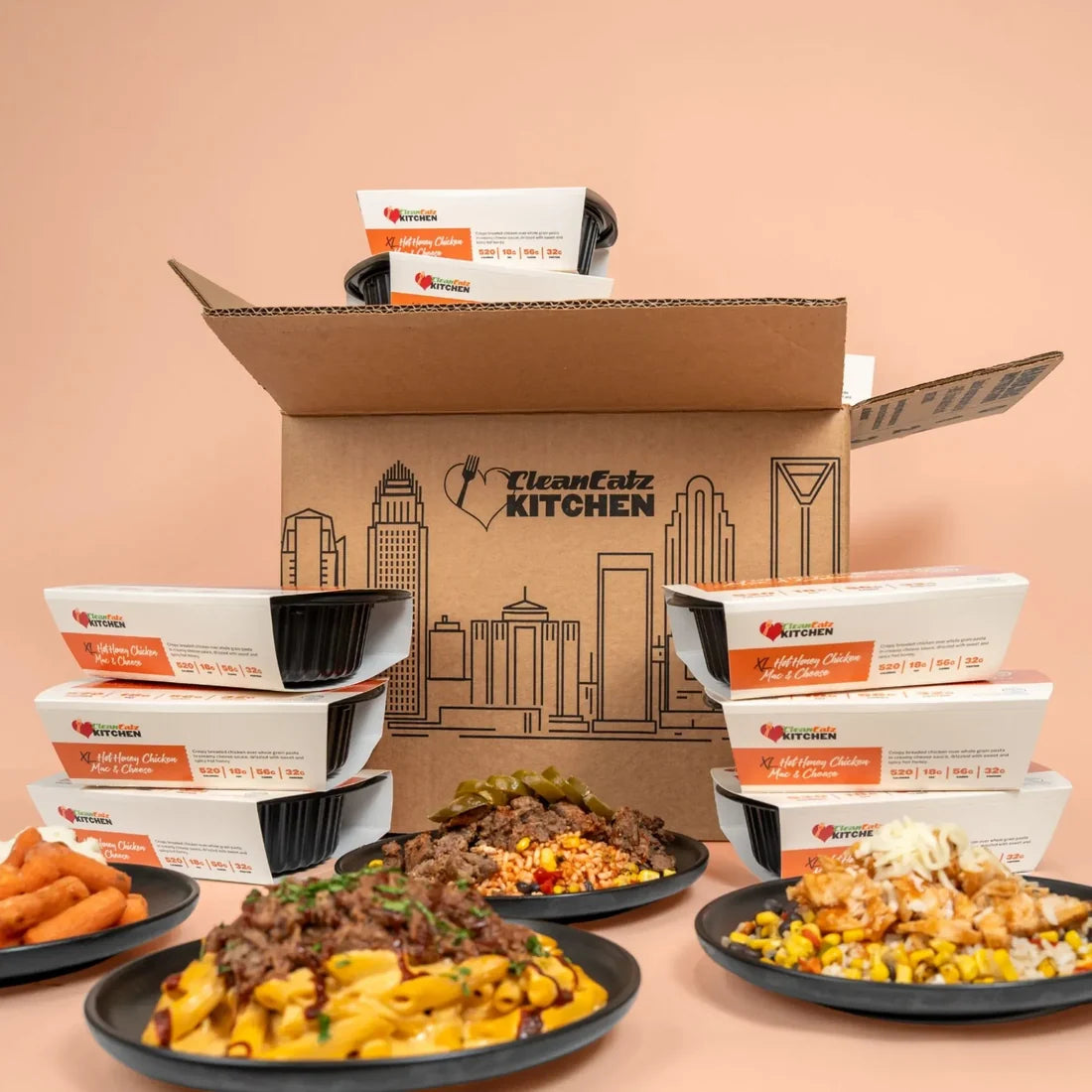
Cottage cheese & weight loss
Is cottage cheese good for weight loss?
Quick answer
Yes, as a convenient, high-protein food. A half cup of low-fat has about 12 grams of protein for about 92 calories. Cottage cheese itself has barely been tested in good trials, so credit the protein and not the cheese.
The case for it comes down to arithmetic. About half the calories in low-fat cottage cheese come from protein, so it helps you hit a protein target without using much of your calorie budget. It also takes no prep. You open it and eat.
Here's the part most articles skip. A 2025 review of cottage cheese found a lack of evidence on its health effects from high-quality human trials, and says the few studies that exist are small and in niche groups. So nobody has shown that cottage cheese helps you lose weight in its own right. What we know is that it's a good way to eat more protein, and we do have evidence on protein.
A 2020 review of high-protein diets describes trials in which eating more protein than the recommended allowance reduced body weight and fat mass while preserving lean mass, including trials of 6 to 12 months. That's the benefit you're buying. Any other food with the same protein and calories would do the same job.
Cottage cheese nutrition
How does each cottage cheese compare?
Quick answer
Protein barely changes with fat level, at about 12 grams in a half cup. Calories run from about 81 for nonfat to 111 for regular 4%. Sodium stays high across all of them, at about 350 to 420 mg.
The numbers shift with fat content. Here's what you get per half-cup-sized serving of 113 grams (4 ounces), calculated from USDA FoodData Central. Values vary by brand, so always check your label.
| Type | Calories | Protein | Carbs | Fat | Sodium |
|---|---|---|---|---|---|
| Nonfat, dry curd | 81 | 11.6 g | 7.5 g | 0.3 g | 420 mg |
| Low-fat, 2% | 92 | 11.8 g | 5.4 g | 2.6 g | 348 mg |
| Regular, 4% | 111 | 12.5 g | 3.8 g | 4.9 g | 356 mg |
Cottage cheese per 113 g serving
So going from nonfat to regular costs you about 30 calories a serving and gains you about a gram of protein. At one serving a day, that's about 210 calories a week, or about 3 pounds of body weight over a year if nothing else changes. It's real, and also easy to offset if regular is what you'll actually eat.
Cottage cheese protein & fullness
Does cottage cheese keep you full?
Quick answer
Probably somewhat, because of the protein. A review of 10 studies found more fullness in 6 of them on higher-protein diets, though it rated the evidence as low. At 12 grams, a half cup is a snack and won't carry a meal.
Protein is widely considered the most filling macronutrient, but the size of that effect is often overstated. A 2020 systematic review in people with overweight or obesity looked at 10 studies and 1,079 people on higher-protein diets for at least a week. In 6 of the studies, people reported more fullness or satiety. The authors rated the level of evidence as low because the studies varied so much and carried a high risk of bias.
With 12 grams of protein in a half cup, cottage cheese is a useful snack or side. If you want it to anchor a meal, plan on a full cup or pair it with another protein.
Casein & muscle
Most of the protein in cottage cheese is casein, the slower-digesting milk protein. A 1997 study showed casein produces a long, moderate rise in blood amino acids, while whey produces a sharp, short one. That's useful during weight loss, when you want to hold on to lean mass. Still, your total daily protein matters far more than which type you eat, and casein's muscle benefits are best shown alongside resistance training.
Eating it before bed
The late-night cottage cheese claim has something behind it, with limits. A 2019 review found that protein before sleep raises overnight muscle protein synthesis and can support muscle and strength gains over a resistance training program. The same review says it doesn't appear to reduce appetite at breakfast. A 2021 systematic review of 11 studies found limited to no effect on metabolism or appetite from 24 to 48 grams of casein before sleep.
Note the dose. To reach 24 grams you'd need about a cup of cottage cheese, or about 183 calories of 2%. If it fits your day, fine. If you lift, it may help. It won't burn fat while you sleep.
Cottage cheese downsides
What are the downsides of cottage cheese?
Quick answer
Mainly sodium: a half cup has about 15% to 18% of the daily value. It also has some lactose, and toppings can add calories fast. All three are easy to manage once you know the numbers.
Cottage cheese isn't perfect for everyone, but most of the common concerns have simple solutions.
Sodium adds up
A typical half cup is about 15% to 18% of the 2,300 mg daily value for sodium. A full cup of 2% is about 696 mg, or about 30%. If you're watching salt for blood pressure or another reason, look for low-sodium or no-salt-added versions, or balance your other meals around it.
Lactose
Cottage cheese has more lactose than aged cheeses like cheddar or Parmesan, though less than milk. If you're lactose-sensitive, start with a quarter cup to test your tolerance, or choose a lactose-free version.
Calorie creep from toppings
It's a good base because it's filling and high in protein, but toppings can change the math quickly. Portion your add-ins so you know what you're getting, since it's easy to go past 1 tablespoon when you pour straight from the bottle or scoop from the jar.
| Topping | Amount | Calories |
|---|---|---|
| Strawberries | 1 cup, halved | about 49 |
| Honey | 1 tablespoon | about 64 |
| Peanut butter | 1 tablespoon | about 96 |
What common toppings add
How to choose cottage cheese
Which cottage cheese should you buy?
Quick answer
Pick the fat level you'll actually eat, then compare sodium. Nonfat and 2% save 20 to 30 calories a serving, and 4% is reasonable if it's more satisfying. Look for live and active cultures if you want them.
The best choice depends on your goals. If you're tight on calories, nonfat or 1% to 2% gives you the most protein for the fewest calories. If you prefer a richer taste and find it more satisfying, 4% is perfectly reasonable. Just account for the extra 20 to 30 calories per serving.
Always compare sodium across brands, because this is where the difference can be largest, and it can be 200 mg or more per serving. Check flavored and fruit-on-the-bottom tubs for added sugar too. If you want cultures, look for "live and active cultures" on the ingredients list.
Ways to eat cottage cheese
What's the best way to eat cottage cheese?
Quick answer
Whichever way you'll repeat. Try it with berries and cinnamon, on toast with tomatoes, stirred into scrambled eggs, blended into a smoothie or swapped for ricotta in stuffed peppers. Measure the toppings and the numbers stay in your favor.
If you don't like the texture, blend it. That's often all it takes. Once it's smooth, it works in almost any meal.
- Breakfast bowl: Fresh berries and a sprinkle of cinnamon, with less sugar than most flavored yogurts.
- On toast: Spread it thick, then add sliced tomatoes, black pepper and fresh basil.
- In eggs: Stir it into scrambled eggs right at the end of cooking for extra creaminess and protein.
- In place of ricotta: Use it in stuffed peppers or lasagna.
- In a smoothie: Blend it in when you want extra protein without the chalky texture of powder.
- Late-night snack: A half cup with cinnamon, if it fits your calories.
For more high-protein morning ideas, including ones with cottage cheese, see our 10 Healthy Breakfast Ideas for Weight Loss.
Cottage cheese with Clean Eatz Kitchen meals
How does cottage cheese fit with ready meals?
Quick answer
It's an easy protein side. Adding a half cup of 2% to a meal gives you about 12 more grams of protein for about 92 calories and 348 mg of sodium. Check the meal's own sodium first so the total still fits your day.
A tub of cottage cheese solves one snack. Lunch and dinner on a busy week are the harder part, and that's where we come in. Our Clean Eatz Kitchen meal plans are already cooked and portioned, and they heat in a few minutes. Meals across our menu run 20 to 55 grams of protein, and our Nutrition Info page lists the numbers. So cottage cheese becomes an easy add-on when you want more protein at a meal.
If weight loss is the goal, our Weight Loss Meal Plan starts at $89.95 with portion- and calorie-controlled meals built by a registered dietitian. For breakfast, a half cup alongside our Overnight Oats, with 20 grams of protein a pouch for $3.49, gets you to about 32 grams with no cooking. Our meals aren't low-sodium across the board, so if you're watching salt, check the label before adding cottage cheese.
 Make it easy withWeight Loss Meal PlanFrom $89.95View plan
Here's the short version. Cottage cheese is a useful, easy protein source, and that's why it helps, not because it has fat-burning powers. Choose the fat level that fits your calories, watch the sodium, and don't bury it under toppings.
For where it ranks among other options, see our 100 Best Foods for Weight Loss guide.
This article is for educational and informational purposes only and isn't medical advice. Individual nutrition needs vary. Talk with your physician, registered dietitian or another qualified healthcare professional before changing your diet, especially if you have a medical condition, are pregnant or breastfeeding, take medications or have a history of disordered eating.
Cottage cheese questions & answers
Common questions
Is cottage cheese actually good for losing weight?
Yes, it can be, mostly because of its protein. You get about 12 grams per half cup for 81 to 111 calories, depending on fat level. Higher protein intake helps with fullness and preserving lean mass during a calorie deficit. Good trials on cottage cheese itself are scarce, so think of it as a useful protein source and not a fat-loss food.
Which is better for weight loss: Cottage cheese or Greek yogurt?
Plain nonfat Greek yogurt has the edge on the numbers. A 170-gram container has about 100 calories, 17 grams of protein and 61 mg of sodium, per USDA, against about 92 calories, 12 grams and 348 mg for a half cup of 2% cottage cheese. Cottage cheese works better in savory dishes. Choose the one you'll eat consistently.
How much cottage cheese should I eat per day for weight loss?
A practical serving is a half cup to 1 cup, or about 12 to 24 grams of protein. That sits near the 20 to 40 gram per-serving range the International Society of Sports Nutrition gives for muscle protein synthesis. A full cup of 2% has about 183 calories and 696 mg of sodium, so sodium is often the real limit.
Does cottage cheese have probiotics?
Some brands have live cultures. Look for labels that specifically say "live and active cultures." If that phrasing isn't on the container, it likely doesn't have them. A live culture isn't automatically a proven probiotic either, since that takes evidence of a health benefit for that specific strain. Don't count on any tub to fix your gut.
Can I eat cottage cheese if I'm lactose intolerant?
Often, yes, in smaller portions. Cottage cheese has less lactose than milk but more than aged cheeses. Start with a quarter to a half cup to see how you tolerate it, or choose a lactose-free brand. If dairy causes you ongoing symptoms, it's worth raising with your doctor or a registered dietitian.
More protein & weight loss guides
Keep reading
 Weight loss
Best Foods for Weight Loss: 100-Food Complete Guide
 Romaine Rusnak, RD, LDN · Oct 16, 2025
 Weight loss
10 Healthy Breakfast Ideas for Weight Loss (High-Protein, Quick & Make-Ahead)
 Tina Sassine, RD, MPH · Mar 6, 2023
 Nutrition
29 Healthy Snacks for Weight Loss (With Calories)
 Staci Gulbin, MS, MEd, RD · Jul 2, 2026
Sources
On this page