Popcorn for weight loss

Is popcorn good for weight loss? The complete guide to this surprising snack

Yes, when you control the preparation. Three cups of air-popped popcorn have about 93 calories. What the satiety study found, how much to eat, which toppings to measure and the 7 mistakes that undo it.

  • Free Shipping on Every Meal PlanFree Shipping
  • Up to 20% Off 30-Meal PlansUp to 20% Off
  • Chef Cooked, Dietitian BuiltDietitian Built
  • Heat & Eat in MinutesHeat & Eat
Romaine Rusnak, RD, LDN
Romaine Rusnak, RD, LDNLicensed Dietitian · May 15, 2026
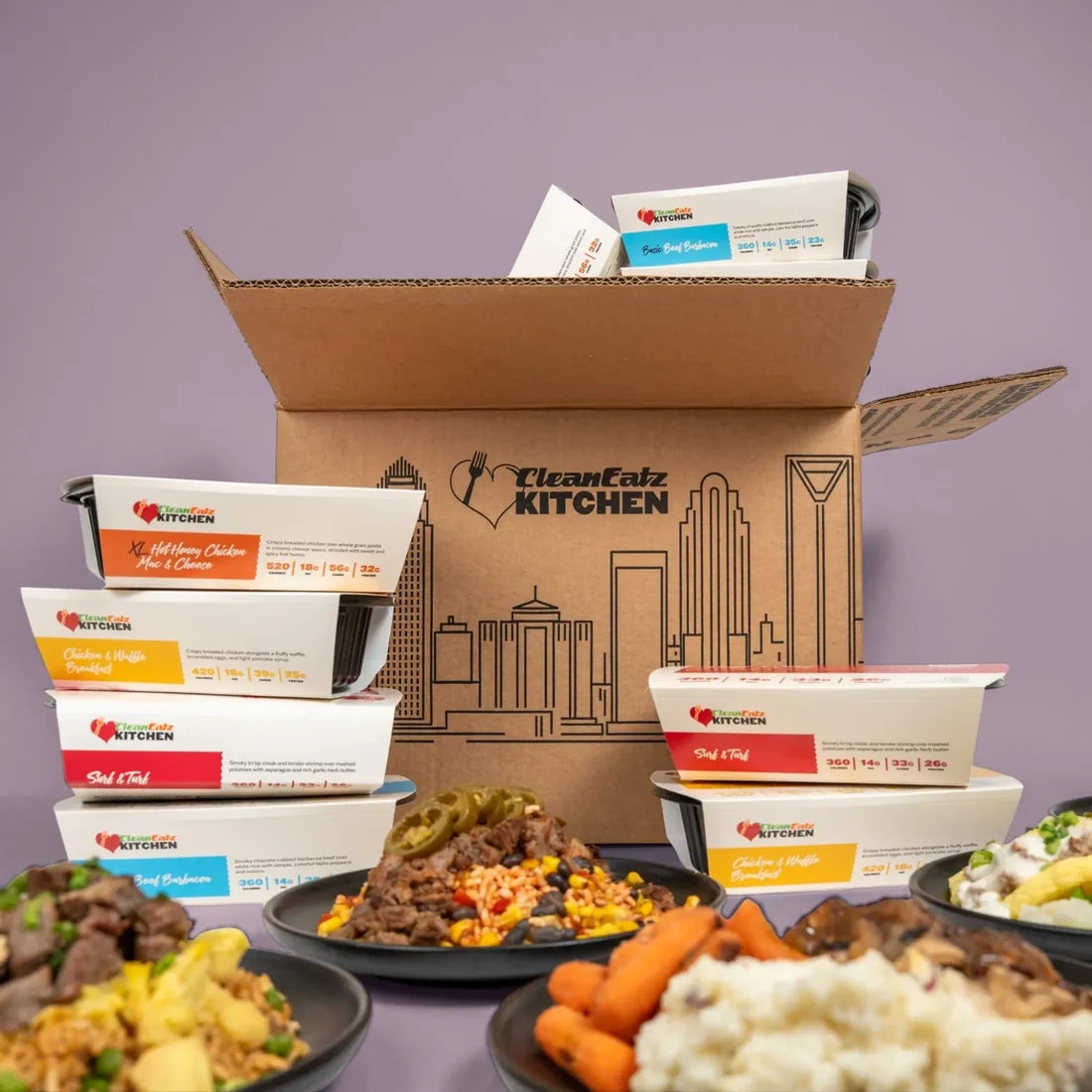
Clean Eatz Kitchen High Fiber Meal Plan box with vegetable-packed meals

Popcorn has a split reputation. Plenty of people trying to lose weight write it off as junk food, and then they hear that three cups, a full bowl, comes in under 100 calories. It sounds like a diet hack. It isn't one. It's a 100% whole grain with one of the best volume-to-calorie ratios in the snack aisle.

The problem isn't the popcorn. It's what happens to it. A large movie theater tub lab-tested at 1,200 calories before any topping, and a bowl of air-popped popcorn with a sprinkle of spices is about 100.

This guide covers why popcorn is filling and how far that evidence goes, exactly how much to eat, which toppings help and which hurt, and the mistakes that turn a whole grain into something else.

Why popcorn works for weight loss

Is popcorn good for weight loss?

Quick answer

It can be, when you control the preparation. Three cups of air-popped popcorn have about 93 calories and 3.5 grams of fiber. In one small study, it was more filling than chips. Butter and oil are what change the answer.

Popcorn isn't just allowed on a weight loss plan. It helps for three reasons that work together: volume, fiber and, to a smaller and less certain degree, the plant compounds in the hull.

The volume advantage of popcorn

When a kernel pops, it expands dramatically, so you end up with a lot of food and very few calories. One cup of air-popped popcorn has about 31 calories, per USDA FoodData Central. Your stomach's stretch receptors respond to volume as well as calories, which is part of why a big bowl feels like more than its number.

The best-known test is a 2012 study in Nutrition Journal. On separate days, 35 normal-weight adults ate 6 cups of low-fat popcorn (100 calories), 1 cup of popcorn (15 calories), 1 cup of potato chips (150 calories) or just water, then ate lunch. Six cups of popcorn beat both other snacks on hunger and satisfaction ratings. Snack plus lunch came to 739 calories with 6 cups of popcorn and 803 with the chips.

You'll see this study quoted as "15 calories of popcorn is as filling as 150 calories of chips," which is where the claim of 10 times more filling per calorie comes from. That's a fair reading of the 1-cup ratings, measured 30 minutes after eating, in a single sitting. It's less than it sounds like. These were normal-weight adults, the effect wasn't followed past one meal, and ConAgra, which makes Orville Redenbacher, funded the work and employed one of the authors. Treat it as a good sign, not a multiplier you can bank.

The fiber in popcorn

As a whole grain, popcorn delivers about 3.5 grams of fiber per 3-cup serving. Fiber slows digestion, so you stay full longer, helps steady blood sugar and adds bulk. According to the American Heart Association, popcorn has more fiber per serving than whole-wheat bread.

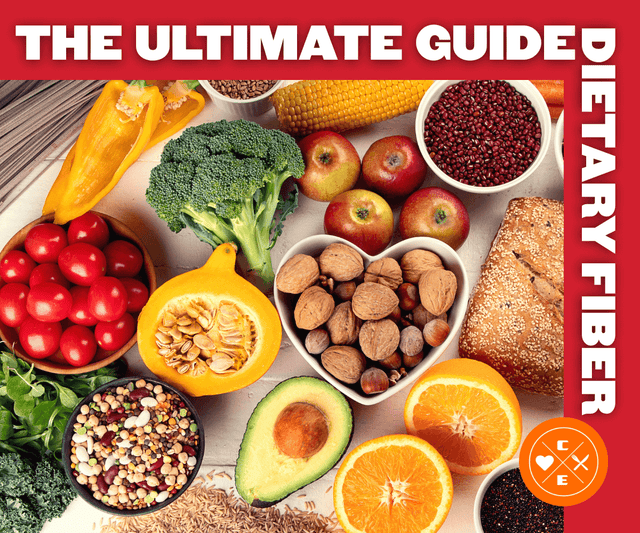
For context, adults need about 25 to 38 grams of fiber a day, and meeting that number is one of the more reliable ways to manage hunger during a calorie deficit. Learn more in our Ultimate Guide to Dietary Fiber.

The antioxidants in popcorn

Popcorn also contains polyphenols, the same class of antioxidants found in fruits, vegetables and wine. Research presented at the American Chemical Society in 2012 reported up to 300 mg of polyphenols per serving, compared with 160 mg for a serving of fruit, with the highest concentrations in the hulls. Yes, the parts that stick in your teeth. That was a lab analysis presented at a conference, and it doesn't make popcorn a replacement for fruit, which brings vitamins and water that popcorn doesn't.

Ferulic acid, a phenolic acid found in many cereals, is one compound under study. A 2022 review covers its effects on obesity and metabolic syndrome, drawing heavily on rat and mouse studies, so it can't tell you what a bowl of popcorn does for you. It's a possible extra, not a reason to eat popcorn. Cleveland Clinic has its own rundown of popcorn's benefits.

Popcorn calories by preparation

How many calories does popcorn have?

Quick answer

It depends on how it's made. Three cups run about 93 calories air-popped, 130 to 160 with a teaspoon of oil and 170 to 250 for regular microwave. A large movie theater tub can top 1,200.

How you prepare popcorn makes a big difference in its calorie count. Rows are 3 popped cups unless they say otherwise.

Popcorn by preparation, from USDA FoodData Central, CSPI lab tests and published label data. Values vary by brand, so check the package.
PreparationCaloriesFatCarbsFiber
Air-popped, plainAbout 93About 1 g18 to 22 g3 to 4 g
Stovetop with 1 tsp oil130 to 160About 5 g18 to 22 g3 to 4 g
Microwave, light100 to 1502 to 6 g18 to 22 g3 to 4 g
Microwave, regular170 to 2508 to 15 g18 to 24 g3 to 4 g
Kettle corn180 to 2306 to 9 g30 to 35 g3 to 4 g
Movie theater, small tub, no topping400 to 67025 to 40 g40 to 60 g8 to 12 g
Movie theater, large tub, with topping1,200 plus60 to 80 g90 to 120 g15 to 20 g

Popcorn by preparation, from USDA FoodData Central, CSPI lab tests and published label data. Values vary by brand, so check the package.

The theater numbers deserve a note. In lab tests commissioned by the Center for Science in the Public Interest, a small Regal popcorn had 670 calories and the medium and large each had 1,200, popped in coconut oil, with another 130 calories for every tablespoon of buttery topping. Those tests are from 2009, so chains and recipes may have changed since.

What the popcorn table shows

Air-popped and movie theater popcorn are nearly different foods. The kernel is the same, but a large tub carries about 12 times the calories of a 3-cup bowl. Some of that is simply far more popcorn, and most of the rest is oil. So when someone asks whether popcorn is good for weight loss, the useful follow-up is: which popcorn?

Popcorn portion sizes

How much popcorn is too much?

Quick answer

Start with 3 cups of air-popped popcorn, about 93 calories. Go to 2 cups in a tight deficit, or up to 5 cups if your calories allow. Measure it in a bowl, because a bag gives you no stopping point.

Even a light food can derail your progress if portions drift. Here's how to size your popcorn.

Popcorn portions by goal

Air-popped portions by goal, calories rounded from USDA FoodData Central
GoalPortionCaloriesNotes
Aggressive deficit2 cupsAbout 60Light snack, pair with protein
Moderate weight loss3 cupsAbout 90 to 100Standard snack serving
Maintenance4 to 5 cupsAbout 120 to 150Generous, if calories allow
Low carb, not keto1 to 2 cupsAbout 30 to 60About 5 to 10 g net carbs

Air-popped portions by goal, calories rounded from USDA FoodData Central

What popcorn portions look like

Don't have measuring cups? Here's what each portion looks like:

  • 1 cup: a small cereal bowl, loosely filled.
  • 3 cups: a medium mixing bowl, filled to the top.
  • 5 cups: a large salad bowl or a small popcorn bucket.

To see how a snack fits around your meals, our Nutrition Info page lists the calories, protein, carbs and fat in every Clean Eatz Kitchen meal, so you can slot popcorn into your daily plan.

How to buy popcorn for weight loss

Which popcorn should you buy?

Quick answer

Plain kernels are the best buy, at about 10 to 15 cents a serving. Next best is light microwave or simple pre-popped popcorn under 150 calories per 3 cups. Skip kettle corn, caramel corn and flavored varieties.

The label matters more than the shelf it's on. Here's how to choose.

Air-popped popcorn, the best option

Air poppers use hot air to pop kernels with no added fat, which is why this is the best option for weight loss. You control everything that goes on the popcorn.

  • Plain popcorn kernels. Any brand works.
  • An air popper, usually $20 to $40, or a paper bag in the microwave.
  • Average cost: about 10 to 15 cents per 3-cup serving.

Paper bag method: add 1/4 cup of kernels to a brown paper lunch bag, fold the top over twice and microwave for 2 to 3 minutes, until the popping slows. No oil needed. Stay at the microwave while it runs, and stop as soon as the popping slows, since paper can scorch. A quarter cup makes more than one 3-cup serving, so measure before you eat.

Microwave popcorn labels

Convenience costs some calories, but a good label keeps the cost low. Here's what to look for:

  • Calories: under 150 per 3 popped cups.
  • Fat: under 6 g per serving.
  • Sodium: under 300 mg per serving, and lower is better.
  • Ingredients: a short list of popcorn, oil and salt. Skip butter flavoring if you can.

Good options are light versions, 100-calorie packs and simply salted varieties. Avoid extra butter, movie theater style and kettle corn, which has added sugar. For scale, USDA lists low-fat microwave popcorn at about 120 calories an ounce, with 178 mg of sodium.

Pre-popped bagged popcorn

These are convenient, but calories vary widely, so read the label. SkinnyPop Original and Angie's BoomChickaPop Sea Salt run about 35 to 40 calories per cup on their labels. Look for simple ingredient lists.

Watch the flavored bags. Caramel-coated popcorn has about 122 calories an ounce per USDA, and a cup of it is heavier than a cup of plain popcorn, so it can reach about 150 calories. Cheese-flavored popcorn has about 58 calories a cup, close to double air-popped. Gourmet flavors vary, so check the package.

Low-calorie popcorn toppings

Which toppings won't wreck your progress?

Quick answer

Spices, citrus and hot sauce are close to free. Nutritional yeast and grated parmesan cost 10 to 22 calories. Measure oil, butter and shredded cheese, because 1 tablespoon of butter adds more than 100 calories.

This is where most people go wrong. The popcorn is light, and the toppings aren't always. Here's a guide, sorted by how careful you need to be.

Popcorn toppings with few calories

  • Spices: chili powder, smoked paprika, cayenne, cumin, garlic powder, onion powder, cinnamon, cocoa powder.
  • Seasonings: everything bagel seasoning (watch the sodium), Italian herbs, taco seasoning.
  • Acids: lime or lemon juice or zest, a mist of vinegar, hot sauce (check the sodium).
  • Sweet touches: cinnamon with stevia, vanilla powder.

Low-calorie popcorn additions to measure

Low-calorie additions, approximate calories
ToppingPortionCaloriesNotes
Nutritional yeast2 tspAbout 10Cheesy flavor, B vitamins
Grated parmesan1 tbspAbout 22Real cheese flavor, some protein
Olive oil spray10 to 15 spraysAbout 10 to 15Helps seasonings stick
Powdered peanut butter1 tbspAbout 25Sweet or savory

Low-calorie additions, approximate calories

Higher-calorie popcorn toppings

Higher-calorie additions, approximate calories
ToppingPortionCaloriesWatch for
Olive oil1 tspAbout 40Easy to overpour, so measure
Butter1 tbspAbout 100 to 120Doubles your snack calories
Coconut oil1 tbspAbout 120High in saturated fat
Shredded cheese1/4 cupAbout 110Adds protein and a lot of fat

Higher-calorie additions, approximate calories

Protein pairings for popcorn

How do you make popcorn last longer?

Quick answer

Pair it with protein. Three cups of popcorn have only about 3 grams, so add Greek yogurt, turkey, string cheese or an egg. That brings the snack to about 160 to 180 calories and 9 to 15 grams of protein.

Popcorn's low calorie density, volume and fiber make it a good base. The piece it's missing is protein, at about 3 grams per 3 cups. Protein is what keeps fullness going, so the two together make a snack that holds you until your next meal.

Best protein pairings for popcorn

Protein pairings, totals with 3 cups of air-popped popcorn
Protein sourceProteinCaloriesCombo total
Greek yogurt, 1/2 cup11 gAbout 65About 165 cal, 14 g protein
String cheese, 1 stick7 gAbout 80About 180 cal, 10 g protein
Turkey slices, 2 oz12 gAbout 60About 160 cal, 15 g protein
Hard-boiled egg, 16 gAbout 70About 170 cal, 9 g protein
Mini protein bar, half8 to 10 gAbout 75 to 100About 175 to 200 cal, 11 to 13 g protein

Protein pairings, totals with 3 cups of air-popped popcorn

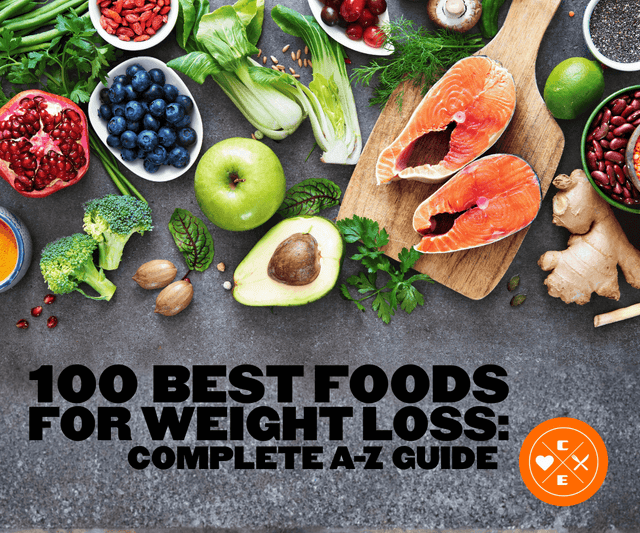
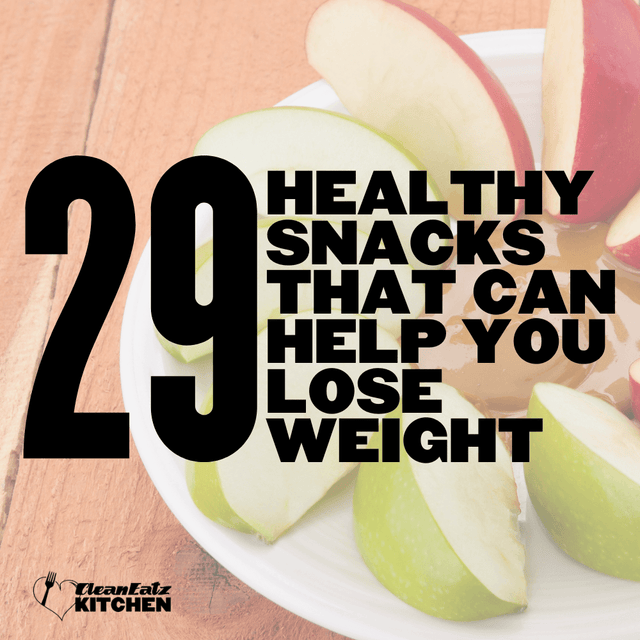
For more protein-forward snack ideas, see our complete guide to 29 Healthy Snacks for Weight Loss.

Popcorn recipes for weight loss

What can you make with popcorn at home?

Quick answer

Five easy snacks run from about 105 to 215 calories. Each one starts with air-popped popcorn, and the flavor comes mostly from spices, a little cheese or a measured spray of oil. Calories are estimated from USDA data.

These turn basic popcorn into a snack that fits a calorie budget. Calories are our estimates from USDA FoodData Central values for the ingredients listed, so your exact number will depend on your spices and spray.

1

Chili-lime popcorn

Savory
About 105 calories

Ingredients: 3 cups air-popped popcorn, juice of half a lime, 1/2 tsp chili powder, 1/4 tsp cumin, a pinch of salt.

Method: squeeze the lime over warm popcorn and toss with the spices right away.

Why it works: the lime juice helps the spices stick without added oil, and the flavor is big enough to feel like a treat.

2

Everything bagel popcorn

Savory
About 130 calories

Ingredients: 3 cups air-popped popcorn, 10 sprays of olive oil, 1 tbsp everything bagel seasoning.

Method: spray the popcorn lightly with oil and toss with the seasoning while warm.

Why it works: you get the bagel flavor for a fraction of the calories and carbs. Check the seasoning's sodium, since a full tablespoon can add up.

3

Parmesan garlic popcorn

Cheesy
About 125 calories

Ingredients: 3 cups air-popped popcorn, 1 tbsp grated parmesan, 1/2 tsp garlic powder, 5 sprays of olive oil.

Method: spray and toss the popcorn, then add the parmesan and garlic while it's still warm.

Why it works: real cheese brings flavor and a little protein, which is better than most processed cheese powders.

4

Cinnamon churro popcorn

Sweet
About 110 calories

Ingredients: 3 cups air-popped popcorn, 1/2 tsp cinnamon, a pinch of salt, 10 sprays of coconut oil spray, stevia to taste.

Method: spray the warm popcorn and immediately toss with the cinnamon, salt and stevia.

Why it works: it handles a sweet craving with no added sugar. It's not a churro. It is close enough at 9 PM.

5

Protein popcorn snack box

Most filling
About 215 calories, 11 g protein, 5 g fiber

Ingredients: 2 cups air-popped popcorn, 1 string cheese, 5 almonds, 1/2 cup berries.

Method: portion everything into a container for a complete snack kit.

Why it works: it combines volume from the popcorn and berries, protein from the cheese and healthy fat from the almonds, so it lasts longer than popcorn alone.

Popcorn mistakes that stall weight loss

What turns popcorn into a diet problem?

Quick answer

Seven habits do most of the damage: eating from the bag, trusting low-fat labels, free-pouring oil, too much butter, theater tubs, sugary seasonings and expecting popcorn alone to hold you. Each has a simple fix.

None of these takes willpower to fix. They're mostly about measuring once and knowing what's in the bag.

1

Eating from the bag

Portions

The problem: it's nearly impossible to track portions when you're reaching into a family-size bag. In a Penn State study, 60 adults ate more from bigger packages of chips, and by the largest size they took in about 143 more calories across the snack and dinner combined.

The fix: always portion popcorn into a bowl before you eat. Measure it the first few times, until you can eyeball 3 cups.

2

Treating low-fat as low-calorie

Labels

The problem: some low-fat microwave popcorns still carry 150 or more calories per serving because of added starches and flavorings.

The fix: read the calorie count per popped cup, not the front of the package, and compare brands.

3

Free-pouring oil

Oil

The problem: a splash of oil is usually 1 to 2 tablespoons, which adds 120 to 240 calories. That's more than the popcorn itself.

The fix: measure oil with a teaspoon, at about 40 calories each, or use cooking spray. Better yet, air-pop and skip the oil.

4

Too much melted butter

Butter

The problem: one tablespoon of melted butter adds more than 100 calories, and most people pour more than that, especially when it pools at the bottom and they add more to coat the top.

The fix: if you want butter, measure 1 teaspoon, about 35 calories, melt it and drizzle evenly. Butter-flavored spray gives you the taste for far fewer calories.

5

Ignoring movie theater popcorn

Tubs

The problem: it's easy to think it's just popcorn. A large theater tub with topping can take up most or even all of a day's calories.

The fix: treat it as an occasional indulgence, not a regular snack. Get the smallest size, skip the butter pump or bring your own air-popped popcorn in a bag where the theater allows it.

6

Sugary seasonings

Sugar

The problem: kettle corn, caramel drizzle and chocolate coatings add 50 to 200 or more calories per serving from sugar.

The fix: for sweetness, use cinnamon with stevia, a dusting of cocoa powder or powdered peanut butter. You get the flavor with far less sugar.

7

Thinking popcorn alone is filling

Protein

The problem: popcorn brings fiber and volume but little protein. Without protein, hunger tends to return sooner, which can lead to overeating later.

The fix: pair popcorn with a protein source such as cheese, yogurt, turkey or eggs, for a snack that holds.

Popcorn vs other snacks

How does popcorn compare with other snacks?

Quick answer

At 100 calories, you get 3 cups of popcorn with 3 to 4 grams of fiber, or 12 to 15 chips with about 1 gram. Only vegetables with hummus match it on volume and fiber, and they beat it on protein.

Here's what 100 calories looks like across popular snacks. The last column is our read of volume, fiber and protein, not a measured score.

About 100 calories of common snacks, approximate
Snack100-calorie portionFiberFullness
Air-popped popcorn3 cups or more3 to 4 gHigh: volume and fiber
Potato chips12 to 15 chips, about 2/3 ozAbout 1 gLow: little volume, easy to overeat
Pretzels20 to 25 mini twistsUnder 1 gLow: little fiber, high sodium
Tortilla chips7 to 10 chips, about 3/4 ozAbout 1 gLow: calorie-dense
Crackers5 to 8 crackersUnder 1 gLow: best with protein or vegetables
Rice cakes2 to 3 cakesUnder 1 gMedium: good volume, little fiber
Vegetables with hummus2 cups vegetables, 2 tbsp hummus4 to 5 gHigh: volume, fiber and protein

About 100 calories of common snacks, approximate

For crunch cravings, air-popped popcorn gives you more food per calorie than almost any other crunchy snack. Raw vegetables with hummus or a Greek yogurt dip are the real competition.

For more snack comparisons and ideas, see our guide to the 100 best foods for weight loss.

Making popcorn part of your plan

What should you do next?

Quick answer

Buy plain kernels, pick a bowl and make 3 cups with spices tonight. Add protein if it's your only snack. Popcorn handles the crunch craving, not the rest of the day's food, which is the harder part.

So is popcorn good for weight loss? It can be one of the better snacks in a calorie deficit, if you control the portion and the toppings. Air-popped popcorn gives you a lot of volume and fiber for few calories, and in the one trial that tested it head to head, it beat chips on fullness. Three things separate the version that helps from the version that doesn't:

  • Preparation: air-popped with spices is the snack. Drowned in butter, it's a different food.
  • Portions: 3 cups is a generous snack. Eating from a bag has no stopping point.
  • Pairings: popcorn plus protein holds you. Popcorn alone wears off sooner.

A good snack only covers a small part of the day, though. If what's wearing you out is planning and cooking three meals around a calorie target, that's a workload problem, and workload problems have different solutions than knowledge problems. Our Weight Loss Meal Plan ships portion-controlled, macro-balanced meals that leave room for a snack like this. Or look through our protein-rich snacks for days you don't feel like popping anything.

Make it easy withWeight Loss Meal PlanFrom $89.95View plan

This article is general nutrition information, not medical advice. If you have a digestive condition such as diverticulitis, a food allergy or a sodium restriction, talk with your doctor before making dietary changes.

Popcorn for weight loss FAQ

Popcorn questions

How much popcorn can I eat while losing weight?

Start with 3 cups of air-popped popcorn, about 93 calories. That's a satisfying, high-volume snack for few calories, and you can add more if it fits your daily calorie budget. Pairing it with protein helps it last longer, which often matters more than making the bowl bigger.

Is microwave popcorn healthy for weight loss?

It can be. Choose light or 100-calorie versions and compare nutrition labels, looking for under 150 calories per 3 popped cups and watching the sodium. Avoid heavily buttered or flavored varieties, since regular microwave popcorn can run 170 to 250 calories for the same amount.

Is popcorn better than chips for weight loss?

For most people, yes. In a small 2012 study, 6 cups of popcorn at 100 calories beat a cup of chips at 150 on hunger and fullness, though it was one sitting and industry funded. Three cups of air-popped popcorn cost about 93 calories, and the same calories in chips buy about 12 to 15 chips.

Is popcorn keto or low-carb friendly?

Not keto. Popcorn is a whole grain with about 19 grams of carbs per 3-cup serving, so it fits most moderate weight loss plans but not strict keto. For low-carb snacking, limit portions to 1 to 2 cups, which works out to about 5 to 10 grams of net carbs.

What are the healthiest popcorn toppings?

Spices are close to free: chili powder, smoked paprika, cinnamon and garlic powder. Low-calorie options include nutritional yeast, at about 10 calories for 2 teaspoons, and grated parmesan, at about 22 calories a tablespoon. Measure oils and butter carefully, since those are what change the math.

Does popcorn have any nutritional value beyond fiber?

Yes. Popcorn contains polyphenol antioxidants, up to 300 mg a serving in one lab analysis, plus some B vitamins, magnesium and manganese. The hulls have the highest concentration of polyphenols. It doesn't replace fruit or vegetables, but it brings more to the table than most crunchy snacks.

Why does movie theater popcorn have so many calories?

Because of the oil and the size. Theater popcorn is popped in a lot of oil, often coconut oil high in saturated fat, and often topped with butter-flavored oil. CSPI's 2009 lab tests found 670 calories in a small Regal popcorn and 1,200 in a large, before any topping.

Can I eat popcorn every day while trying to lose weight?

Yes, if it fits your calorie budget and you prepare it simply. In national survey data, people who ate popcorn took in more whole grains and about 22% more fiber than people who didn't, though that shows a link and not a cause. Just measure portions and keep toppings light.

Tap a meal count to add

30 meals work out to $7.56 a meal

View plan details

Tap a meal count to add

30 meals work out to $9.16 a meal

View plan details