
Low-carb meal planning mistakes
Low-carb meal planning mistakes that stall weight loss
Cutting carbs works until it doesn't. Most stalls come from a handful of fixable habits. Hidden carbs, keto flu, calorie-dense snacks, packaged keto foods, protein and water, with the numbers to check your plan.
- Free Shipping on Every Meal PlanFree Shipping
- Up to 20% Off 30-Meal PlansUp to 20% Off
- Chef Cooked, Dietitian BuiltDietitian Built
- Heat & Eat in MinutesHeat & Eat

Most low-carb stalls come from calories hiding in low-carb foods, not from carbs. A hundred grams of macadamia nuts has 718 calories, nearly half of a 1,500-calorie day. Watch sauces and dressings for hidden carbs, replace sodium and water in the first weeks, and build meals from whole foods instead of packaged keto snacks.
Following a low-carb eating pattern means cutting back on bread, pasta, rice and potatoes. Sometimes progress still slows down. That's common, and it's rarely a sign that low-carb has stopped working for you.
Low-carb diets come with their own set of traps. General advice, like eating more vegetables or watching portions, doesn't always reach the specific things that slow results on a low-carb plan: hidden carbohydrates, lost electrolytes, foods that are low in carbs but high in calories, and packaged products built around a label.
Below are the low-carb mistakes we see most often, why each one matters and what to do instead.
Electrolyte depletion & keto flu
The first week is mostly water
If you've started a low-carb diet and felt like you had the actual flu, you've met what's often called "keto flu." Harvard's Nutrition Source lists the usual symptoms of sharp carbohydrate restriction: hunger, fatigue, low mood, irritability, constipation, headaches and brain fog, lasting days to weeks.
Here's why it happens. When you cut carbohydrates sharply, your body shifts from running mostly on glucose to running more on fat and ketones, and insulin levels drop. Lower insulin signals your kidneys to let go of more sodium and water instead of holding on to them.
That's why the scale drops fast in the first week, and most of that early loss is water. Along with the water you lose sodium, and often potassium and magnesium.
The fix may sound backward: keep up your fluids and electrolytes, especially sodium, during the first weeks of carbohydrate restriction. On a standard diet we're told to limit sodium. Healthy adults starting a low-carb diet may need a little more in the transition. Salt your food, have a cup of broth when symptoms hit and eat potassium-rich low-carb foods like avocado and leafy greens.
Overeating nuts & cheese on low carb
Low in carbs is not low in calories
Nuts and cheese are technically low-carb, so many people treat them as unlimited snacks. That can stall weight loss, not because they'll knock you out of ketosis, but because they're very calorie-dense and easy to overeat.
Do the math. 100 grams of macadamia nuts, about three-quarters of a cup, has 718 calories and about 76 grams of fat. That's nearly half of a 1,500-calorie weight-loss day in a bowl you could finish during one episode of TV. Cheese is similar: an ounce of cheddar has about 114 calories, and a few casual slices from the block can pass 300.
The foods aren't the problem. Both can be part of a successful low-carb diet. The problem is snacking straight from the bag or block. Pre-portion nuts into small containers of about 1 ounce, slice cheese instead of breaking off chunks, and treat both as measured ingredients, not bottomless appetizers.
Relying on processed keto products
A keto label is not a meal plan
The flood of keto-branded bars, cookies, breads and ice creams has made low-carb eating more convenient, not necessarily more effective. Many are what people call "dirty keto": low in net carbs on the label, but highly processed and easy to overeat.
Sugar alcohols like maltitol, erythritol and sorbitol are common in keto snacks. The FDA notes they are slightly lower in calories than sugar and don't cause a sudden rise in blood sugar. They can cause gas, bloating and diarrhea, though, and foods that could lead you to eat 50 grams of sorbitol a day must carry a laxative warning. Many of these products also run long ingredient lists of additives, which the new Dietary Guidelines for Americans, 2025 to 2030 advise limiting.
There's a habit cost too. If every afternoon still ends with something sweet, the craving routine stays in place, whatever the carb count says. Many people find sweets matter less to them after a few weeks of whole-food low-carb eating, but only if the sweets actually leave.
Build on whole foods: meat, fish, eggs, non-starchy vegetables, nuts in measured portions, avocado and olive oil. Let those make up most of what you eat, and keep packaged keto products for occasional convenience, not daily staples.
Fear of fat on a low-carb diet
Cut carbs, then replace some of them
Decades of "fat is bad" messages make many people avoid fat even on a low-carb diet. That creates its own problem. If you cut carbohydrates and don't replace any of those calories, meals get very small, and you end up hungry, tired and likely to quit.
On a strict ketogenic diet, fat is the main fuel by design. Harvard describes typical keto versions as 70 to 80% of calories from fat. On a more moderate low-carb plan for weight loss, you still need enough fat to make meals satisfying. A calorie deficit is the goal. A deficit so steep you can't sustain it is not.
That doesn't mean drowning everything in butter. Pick fats that do more for you: cook with olive oil, eat whole eggs instead of only whites, add avocado, nuts and seeds, and have fatty fish like salmon regularly. The new Dietary Guidelines still keep saturated fat under 10% of daily calories, so fatty cuts of meat and butter are better as accents than as the base.
Too much protein on keto
Low-carb is not the same as keto
Low-carb is not the same as high-protein, and both are different from keto. That distinction trips up many people, especially those coming from a bodybuilding background where protein is king.
The concern is gluconeogenesis: your body can turn some of the amino acids in protein into glucose. Harvard explains that this is why ketogenic diets keep protein moderate, enough to preserve muscle but not so much that it prevents ketosis. Typical keto versions run about 10 to 20% of calories from protein, 5 to 10% from carbohydrate and 70 to 80% from fat, with total carbs under 50 grams a day and sometimes as low as 20.
Whether that matters depends on your goal. If you're following a medical or strict ketogenic diet, protein limits are part of the plan. If your goal is weight loss, ketosis itself is optional. In the DIETFITS trial, 609 adults followed either a healthy low-carb or a healthy low-fat diet for a year. Weight loss averaged 6.0 kg on low-carb and 5.3 kg on low-fat, a difference that wasn't significant. Protein made up about 23% of calories on the low-carb diet.
For weight loss, protein is usually an ally. It's the most filling macronutrient and it helps protect muscle while you lose fat. If you lift weights or are very active, you may need more of it, and that's fine on a moderate low-carb plan.
Not drinking enough water on low carb
Thirst often looks like keto flu
Low-carb diets make your kidneys release more water, so dehydration is a real risk, especially in the first few weeks. Many symptoms people blame on "carb withdrawal" are partly dehydration.
There's no single official target for plain water, but 64 ounces a day is a common rule of thumb and a reasonable floor, with more if you're active or it's hot. If your urine is dark yellow, drink more. Keep a water bottle with you and sip through the day instead of catching up all at once.
Water needs stay higher the whole time you eat low-carb, not just during the first week. Staying hydrated is part of the plan, not a fix for the start of it.
Making low-carb meal planning easier
Most mistakes start with no plan
Most of these mistakes come down to one thing: no plan. When low-carb meals aren't ready, you grab whatever's convenient, which often means hidden carbs, packaged keto snacks or giving up for the day.
An hour or two of prep each week removes most of the daily decisions. Cook a few pounds of chicken thighs, roast a sheet pan of broccoli and cauliflower, hard-boil a dozen eggs and portion out some nuts. With those ready, a low-carb meal takes minutes to put together.
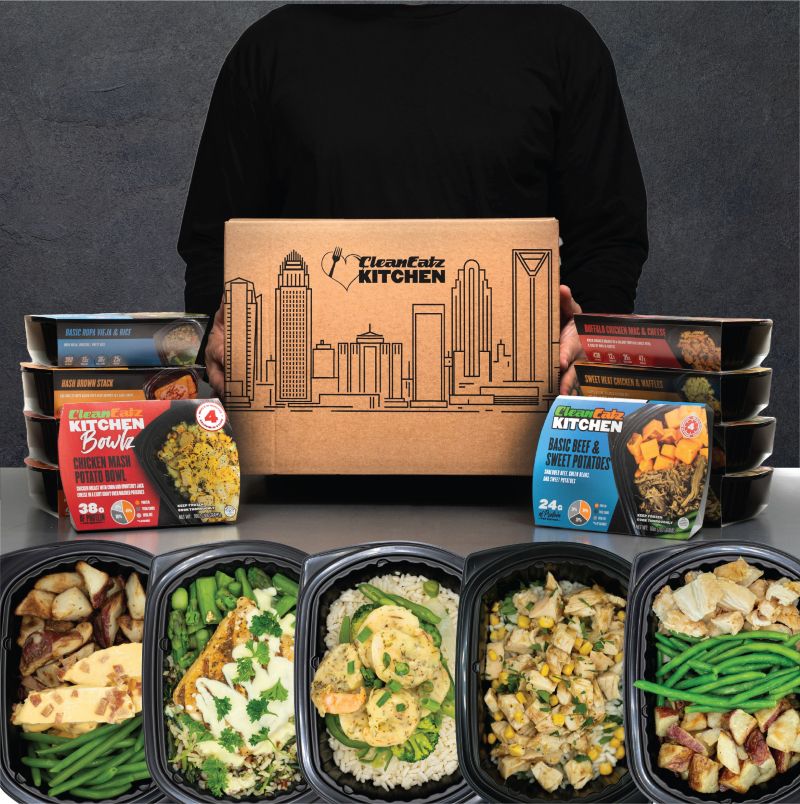
For weeks when prep isn't happening, Clean Eatz Kitchen's meal plans are portioned and labeled with their carbs. To be clear, they aren't keto. The meals on our current Nutrition Info page run from about 24 to 64 grams of carbohydrate each. The lowest, like Basic Chicken Breast & Sweet Potatoes at 24 grams of carbs and 40 grams of protein, fit a moderate low-carb day, and Build A Meal Plan can filter the menu by carbs. If you're keeping carbs under 50 grams a day, cooking your own will serve you better.
For a full breakdown of meal prep strategies that work with any eating style, our Complete Meal Prep Guide covers batch cooking, storage and reheating.
Low-carb meal planning bottom line
The bottom line
Low-carb eating works, but only when you avoid the pitfalls that come with cutting carbs. Watch for hidden carbs in sauces and dressings, replace lost sodium and water early, treat calorie-dense foods like nuts and cheese with respect, choose whole foods over packaged keto products, eat enough fat to make meals satisfying and stay hydrated.
Get those fundamentals right and low-carb meal planning becomes sustainable rather than frustrating. Keep in mind that the trials show low-carb works about as well as other healthy diets, so the version you can keep up is the one that works.
This content is for general information only and is not medical advice. Talk with a healthcare professional about your own needs.

The dietitian's take
When progress stalls, write down everything for three days, sauces and snacks included. The answer is usually in the extras: a dressing, a creamer or a handful of nuts. Fix that before cutting carbs further, and talk with your doctor before a strict keto plan.
Tina Sassine, RD, MPH · Registered Dietitian
 Make it easy withWeight Loss Meal PlanFrom $89.95View plan
Low-carb meal planning FAQ
Quick answers
Why am I not losing weight on a low-carb diet?
Usually because calories crept up, not carbs. Common causes are hidden carbs in sauces and "sugar-free" products, large portions of nuts and cheese, packaged keto snacks and too little water. Track everything you eat for a few days, including extras, to find the gap.
What is keto flu & how do I prevent it?
Keto flu is a set of symptoms like headaches, fatigue, irritability and brain fog in the first days to weeks of cutting carbs. It's linked to losing water and sodium as insulin drops. Salt your food, drink broth and plenty of water, and eat potassium-rich foods like avocado and greens. Ask your doctor first if you have blood pressure or kidney issues.
How many carbs can I eat & stay in ketosis?
Ketogenic diets typically keep total carbohydrates under 50 grams a day, and some go as low as 20 grams. Many people count net carbs, which subtract fiber from total carbs. Your own threshold depends on your activity level, your metabolism and how long you've been eating low-carb.
Can I eat too much protein on a low-carb diet?
On a strict keto diet, yes. Some protein can be turned into glucose, so keto plans keep protein to about 10 to 20% of calories. On a moderate low-carb plan for weight loss, protein is usually helpful because it's filling and protects muscle, and ketosis isn't required to lose weight.
Are "keto-friendly" packaged foods okay to eat?
Occasionally, yes. Many are highly processed and use sugar alcohols that can cause gas, bloating or diarrhea, and they're easy to overeat. Whole foods like meat, fish, eggs, non-starchy vegetables, avocado and olive oil should make up most of your diet, with packaged keto foods as a convenience.
More low-carb & keto guides
Keep reading
 Weight loss
Why Am I Not Losing Weight on Keto?
Tina Sassine, RD, MPH · Dec 3, 2022 Weight loss
How Many Carbs on a Keto Diet? Net vs. Total Carbs, Ranges & Food Lists
Tina Sassine, RD, MPH · Jan 7, 2023 Weight loss
7 Low-Carb Dinner Ideas for Weight Loss (High Protein)
 Staci Gulbin, MS, MEd, RD · Jun 20, 2023
Sources
- Harvard T.H. Chan School of Public Health, The Nutrition Source: Diet review, ketogenic diet for weight loss
- Gardner CD et al. Effect of low-fat vs low-carbohydrate diet on 12-month weight loss: the DIETFITS randomized clinical trial. JAMA 2018 (PubMed)
- FDA: High-intensity sweeteners (sugar alcohols)
- eCFR 21 CFR 184.1835: Sorbitol
- Dietary Guidelines for Americans, 2025 to 2030
- USDA FoodData Central: Macadamia nuts, raw
- USDA FoodData Central: Cheddar cheese
- USDA FoodData Central: French dressing, fat-free
- USDA FoodData Central: Catsup
- USDA FoodData Central: Teriyaki sauce, ready-to-serve
- USDA FoodData Central: Imitation crab, made from surimi
- USDA FoodData Central: Yogurt, fruit, low fat
- USDA FoodData Central: Cream substitute, flavored, liquid
On this page