
Meal prep protein portions
Meal prep tips for protein portions
How much protein to put in each container, and how to portion it without guessing. Daily targets, why an even split helps, which proteins prep best, a protein table and how long it all keeps.
- Free Shipping on Every Meal PlanFree Shipping
- Up to 20% Off 30-Meal PlansUp to 20% Off
- Chef Cooked, Dietitian BuiltDietitian Built
- Heat & Eat in MinutesHeat & Eat

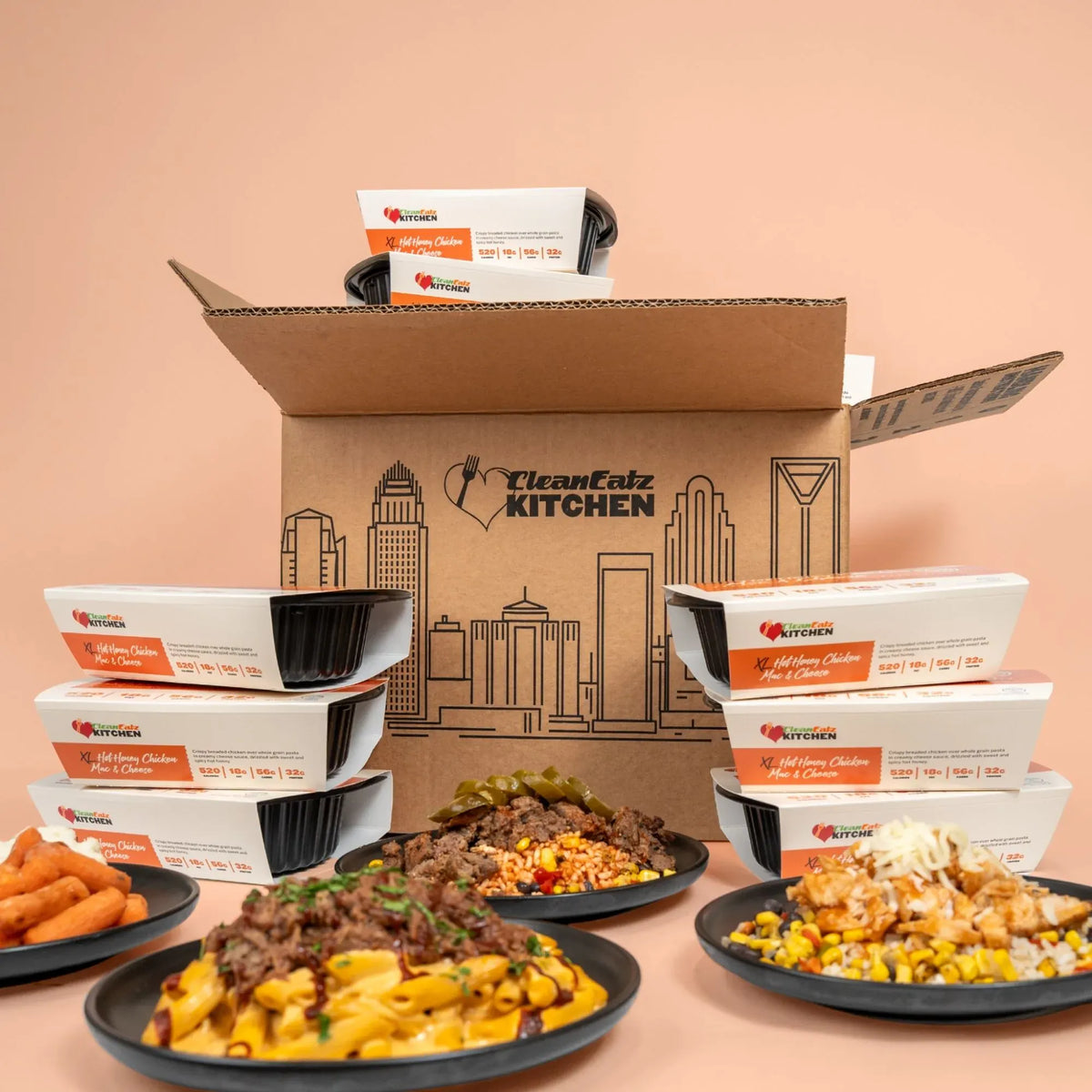
For most people, 20 to 40 grams of protein per meal across 3 or 4 meals covers the day. Weigh 3 to 4 ounces of cooked protein per container, which gives about 19 to 35 grams depending on the source. Refrigerate prepped protein within 2 hours, eat it within 3 to 4 days and freeze anything beyond that.
Getting protein portions right can feel like guesswork, especially when you're juggling meal prep, fitness goals and a busy schedule. Too little protein can limit how well your muscles repair and grow, and a week of containers that run light adds up fast.
Once you know a few numbers, portioning gets much simpler. This guide covers how to work out your needs, why spreading protein across the day helps, which proteins prep best and how to keep them fresh all week. For the bigger picture on planning, cooking and storing, our complete meal prep guide covers everything from the grocery list to the freezer.
How much protein you need
Start with a daily number
How much protein you need depends on your body weight, activity level and goals.
The Dietary Guidelines for Americans, 2025 to 2030 recommend 1.2 to 1.6 grams of protein per kilogram of body weight a day for most adults, to support muscle maintenance, recovery and overall health.
If you train regularly or want to build muscle, research suggests aiming for about 1.6 grams per kilogram a day, with up to 2.2 grams as the upper end. In that 2018 review of 49 trials, muscle gains leveled off around 1.6 grams per kilogram. For a 160-pound person, 1.6 to 2.2 grams per kilogram works out to roughly 116 to 160 grams of protein a day.
Rather than chasing an exact number every day, a practical approach is 20 to 40 grams of protein per meal across 3 or 4 meals. If your goal is gaining weight or muscle, our complete guide to gaining healthy weight breaks down the specifics.
Spreading protein through the day
Three meals beat one big one
Eating 90 grams of protein at dinner isn't the same as eating 30 grams at each of three meals. In a 2014 study, eight adults ate the same total protein for a week, either spread evenly at about 30 grams a meal or skewed toward dinner. The even pattern produced about 25% higher muscle protein synthesis over 24 hours.
That was a small study, and the picture is more nuanced than the old idea that your body can only use so much protein at once. A 2023 trial found that 100 grams of protein in one meal produced a larger and longer-lasting muscle-building response than 25 grams. A big meal isn't wasted. Spreading protein out is still the easier way to keep each meal filling and to give your muscles a steady supply.
A big meal isn't wasted.
Tina Sassine, RD, MPH
If you're not a breakfast person, a quick option like Greek yogurt or a protein shake gets the first meal started. For meal prep, this means portioning each container to land in that 30 to 40 gram range, so you can grab one and know it counts.
Best protein sources for meal prep
Pick proteins that hold up
The best meal prep proteins cook well in batches, store without drying out and reheat without turning rubbery. Chicken thighs are more forgiving than chicken breast and tend to stay moist for days.
Salmon and other fatty fish hold up well and add omega-3 fats to your week. Eggs are hard to beat for flexibility: hard-boil a dozen on Sunday and you have grab-and-go protein all week.
For variety, mix animal and plant proteins. Lentils, black beans and chickpeas are budget-friendly and add fiber alongside the protein. Greek yogurt and cottage cheese work well for breakfasts and snacks. Here's a quick reference:
| Food | Serving | Protein |
|---|---|---|
| Chicken breast | 3 oz cooked | About 26 g |
| Salmon, farmed to wild | 3 oz cooked | About 19 to 22 g |
| Ground turkey, 93% lean | 3 oz cooked | About 23 g |
| Large eggs | 2 eggs | About 13 g |
| Greek yogurt, plain | 6 oz | 15 to 18 g, by brand |
| Lentils | 1 cup cooked | About 18 g |
| Cottage cheese | 4 oz | About 12 to 14 g |
Protein in common meal prep foods (USDA FoodData Central)
Values are for plain foods from USDA FoodData Central. Brands, cuts and cooking methods shift them a little, so check the label on anything packaged.
Protein portioning tips
Weigh it until you can eyeball it
A kitchen scale is your best tool when you're starting out. Weigh 3 to 4 ounces of cooked protein per meal, which gives about 19 to 35 grams of protein depending on the source. After a few weeks of weighing, you'll develop an eye for portions and won't need to weigh everything.
The palm method works as a quick visual check: a portion of meat about the size and thickness of your palm is roughly 3 to 4 ounces. It isn't precise, but it's close enough for everyday meal prep.
Storing meal prep protein
Label it, chill it, freeze the rest
Label each container with the date. Get cooked protein into the fridge within 2 hours, using shallow containers so it cools quickly, and eat it within 3 to 4 days, per the USDA's leftovers guidance.
If you're prepping for longer than that, freeze the extra portions right away. Frozen leftovers are safe indefinitely, but they keep their best moisture and flavor for about 3 to 4 months.
Clean Eatz Kitchen protein portions
When you'd rather skip the scale
If measuring, cooking and portioning is more work than you signed up for, pre-portioned meals can take it off your plate. Our High Protein Meal Plan adds 2 extra ounces of meat to each meal compared with our regular recipes, about 10 more grams of protein and 50 more calories per serving, with meals around 500 calories or more. Plans start at $63.00 for 6 meals.
Meals arrive frozen and can be stored in the freezer for up to 12 months, so you always have a portioned meal on hand during your busiest weeks. Across our current menu (October 2026), meals run from 20 to 55 grams of protein, and every meal's numbers are on our Nutrition Info page.
For more control, Build A Meal Plan lets you pick every meal yourself and filter the menu by protein. It's a practical middle ground between full DIY meal prep and complete convenience.
Protein portions bottom line
The bottom line
Good protein portioning doesn't need complicated math or expensive tools. Know your target, spread it across your day and batch-cook proteins that store well. Whether you prep everything yourself or keep some ready-made meals in the freezer, consistency is what drives results.
This content is for information only and isn't medical advice or a substitute for advice from a healthcare professional.

The dietitian's take
Start with one protein this week. Cook it, weigh the whole batch and split it evenly into dated containers. Once you see what 30 grams of protein looks like on your plate, the rest of meal prep gets easier, and you'll stop guessing at every meal.
Tina Sassine, RD, MPH · Registered Dietitian
 Make it easy withHigh Protein Meal PlanFrom $63.00View plan
Protein portions FAQ
Quick answers
How much protein do I need per meal for muscle growth?
Aim for 20 to 40 grams of protein per meal, spread across 3 or 4 meals a day. A small study found an even split produced more muscle protein synthesis than eating most protein at dinner, though a larger single meal still builds muscle too. Total daily protein matters most.
What's the easiest way to measure protein portions?
Use a kitchen scale to weigh 3 to 4 ounces of cooked protein per meal. Once you're familiar with the portions, your palm works as a visual guide: a palm-sized piece of meat is roughly 3 to 4 ounces. Weighing the whole batch and dividing it evenly is even faster.
How long can I store meal prepped proteins in the fridge?
Cooked proteins like chicken, fish and beef keep 3 to 4 days in the refrigerator in airtight containers, per USDA guidance. Refrigerate them within 2 hours of cooking. For longer storage, freeze portions right away. They stay safe frozen and keep their best quality for about 3 to 4 months.
Why is spreading protein intake throughout the day better than eating it all at once?
Spreading protein across meals keeps a steady supply of amino acids reaching your muscles and makes each meal more filling. One small study found an even split boosted muscle protein synthesis by about 25%. A large single meal isn't wasted, but an even split is easier to live with.
More protein & meal prep guides
Keep reading
 Meal prep
Protein Distribution Across Meals: The 30-Gram-Per-Meal Method
 SaVanna Shoemaker, MS, RDN, LD · Jul 31, 2026
 Meal prep
How To Prep Calories & Protein Meals For The Entire Week
SaVanna Shoemaker, MS, RDN, LD · Feb 11, 2026 Meal prep
The Best Protein Sources For Building Muscle Vs. Losing Fat
 Staci Gulbin, MS, MEd, RD · Oct 7, 2026
Sources
- Dietary Guidelines for Americans, 2025 to 2030
- Morton RW et al. A systematic review, meta-analysis and meta-regression of the effect of protein supplementation on resistance training-induced gains in muscle mass and strength. Br J Sports Med, 2018
- Mamerow MM et al. Dietary protein distribution positively influences 24-h muscle protein synthesis in healthy adults. J Nutr, 2014
- Trommelen J et al. The anabolic response to protein ingestion during recovery from exercise has no upper limit in magnitude and duration in vivo in humans. Cell Rep Med, 2023
- USDA FSIS: Leftovers and food safety
- USDA FoodData Central: Chicken breast, meat only, roasted
- USDA FoodData Central: Atlantic salmon, farmed, cooked
- USDA FoodData Central: Atlantic salmon, wild, cooked
- USDA FoodData Central: Ground turkey, 93% lean, pan-broiled
- USDA FoodData Central: Egg, whole, hard-boiled
- USDA FoodData Central: Greek yogurt, plain, nonfat
- USDA FoodData Central: Lentils, boiled
- USDA FoodData Central: Cottage cheese, creamed
On this page