
Protein distribution across meals
Protein distribution across meals: The 30-gram-per-meal method
Your daily protein total matters. So does how you split it across meals. The research behind 30 grams a meal, who needs more, and what that looks like at breakfast, lunch and dinner.
- Free Shipping on Every Meal PlanFree Shipping
- Up to 20% Off 30-Meal PlansUp to 20% Off
- Chef Cooked, Dietitian BuiltDietitian Built
- Heat & Eat in MinutesHeat & Eat

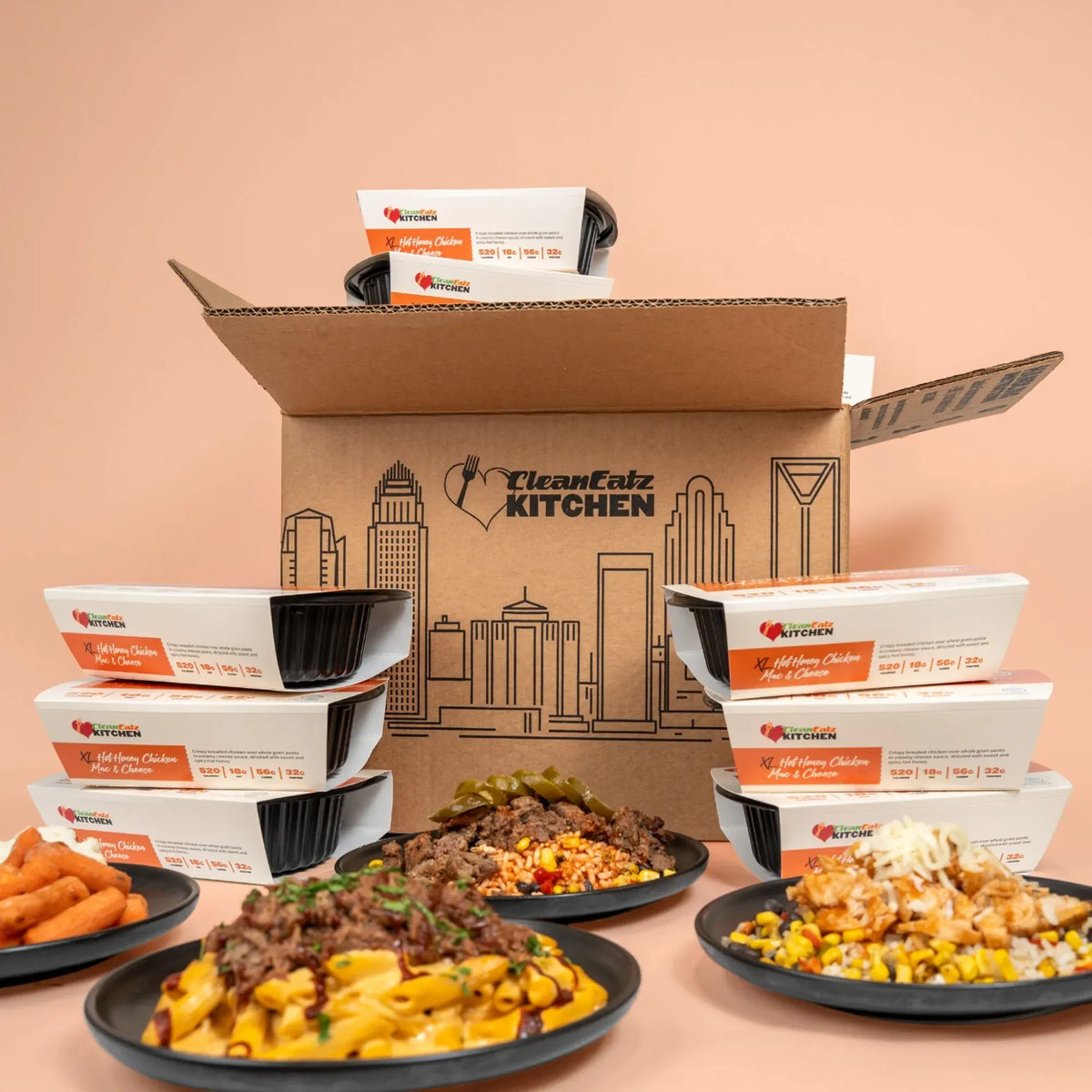
Spread your protein out instead of saving it for dinner. A meal with about 30 grams of high-quality protein comes close to the most muscle building one sitting can trigger for most adults. In a controlled study, the same daily protein split evenly across three meals produced 25% more muscle protein synthesis over 24 hours than a dinner-heavy pattern.
Most protein advice stops at one number: hit your grams for the day and the rest takes care of itself. The research on muscle protein synthesis adds a second question, which is when those grams arrive. Your muscles respond to protein one meal at a time, so 150 grams eaten in two big sittings doesn't work the same way as 150 grams spread across the day.
That's the idea behind the 30-gram-per-meal method. It isn't a diet. It's a way of arranging the protein you already eat so more of it goes toward the muscle you're trying to build or keep.
Below is the evidence, the threshold and who needs more than 30 grams, what each meal looks like in real food, and the mistakes that quietly undo the plan.
Why protein distribution matters
Your muscles count meals, not just grams
Total daily protein still matters most. Distribution is the next lever. Muscle protein synthesis, the process that repairs and builds muscle tissue, switches on when a meal delivers enough protein to cross a threshold. A meal under that line still counts toward your daily total, but it does less for muscle.
The response is also short. In a study of eight young men who drank 48 grams of whey protein, muscle protein synthesis climbed within 45 to 90 minutes, then returned to baseline even though amino acids were still elevated in the blood. Researchers call this the muscle-full effect. More protein at the same sitting doesn't stretch it out.
The next real opportunity is the next meal. That's why well-spaced meals give your body more chances to build muscle across a day than one large meal does.
The next real opportunity is the next meal.
SaVanna Shoemaker, MS, RDN, LD
How the body caps single-meal protein use
Once a meal crosses the threshold, more protein at that sitting brings smaller returns. In their review, Schoenfeld and Aragon noted that above about 20 to 25 grams of a fast-digesting protein, more of each extra gram is burned for energy. Not all of it, though. Some extra protein still gets digested and used for other purposes, including tissue building, especially when it comes in a mixed meal that digests slowly.
What doesn't happen is a straight line. A 90-gram dinner doesn't produce three times the muscle building of a 30-gram dinner.
Picture pouring from a large pitcher into a small cup. You want to fill the cup, and pouring longer mostly spills. One 150-gram evening meal feeds your body, but it fills the cup once. Spread across four or five meals, the same protein fills it four or five times.
Distribution versus total daily intake in the research
The best-known test is a 2014 study in The Journal of Nutrition. Eight healthy adults ate the same daily protein two ways, a week each: evenly, about 30 grams at breakfast, lunch and dinner, or skewed, about 11, 16 and 63 grams. Muscle protein synthesis over 24 hours was 25% higher on the even pattern, and the gap held after seven days.
A longer trial looked at actual muscle. In another study, 26 young men lifted weights three times a week for 12 weeks on the same daily protein, about 1.3 grams per kilogram of body weight. The group that ate a protein-rich breakfast gained 2.5 kg of lean mass. The group that saved most of its protein for dinner gained 1.8 kg.
Two caveats belong here. Both studies are small, and the difference in the second one fell just short of statistical significance. Everyone in it was also lifting, which builds muscle on its own. The direction is consistent. The size of the effect is still being worked out, so treat even distribution as a cheap habit with a real upside, not a guarantee.
The science behind the 30-gram threshold
Why 30 grams is the working number
The threshold isn't the same for everyone. It moves with age, training, illness and diet. Thirty grams is the number that covers most adults most of the time, and here's where it comes from.
The leucine trigger mechanism
Leucine is the amino acid that flips the muscle-building switch. The PROT-AGE Study Group puts the per-meal target at about 25 to 30 grams of protein, carrying roughly 2.5 to 2.8 grams of leucine.
Animal proteins get there easily. Chicken breast is about 8% leucine by protein weight, according to USDA FoodData Central, so 30 grams of chicken protein brings about 2.5 grams of leucine. Plain nonfat Greek yogurt runs closer to 10%.
Anabolic resistance in older adults
Older muscle needs a bigger dose to respond the same way. A pooled analysis of dose-response studies found muscle protein synthesis leveled off at about 0.24 grams of protein per kilogram of body weight in men around 22, and at about 0.40 g/kg in men around 71. For a 175-pound (80 kg) man, that's roughly 19 grams a meal at 22 and 32 grams at 71. Researchers call this anabolic resistance.
For adults over 65, the PROT-AGE Study Group recommends 1.0 to 1.2 grams of protein per kilogram a day, spread across meals. They advise at least 1.2 g/kg for older adults who exercise, and 1.2 to 1.5 g/kg for most who have an acute or chronic illness. The exception is severe kidney disease not treated with dialysis, where protein may need to be limited. That's a conversation for your doctor.
So 30 grams is a robust default, not a law. It's more than a young lifter strictly needs and about right, or a little low, for older adults.
When the threshold climbs to 40 grams
Needs can rise for a stretch, too. Phillips and van Loon's review of protein for athletes recommends 1.3 to 1.8 g/kg a day spread over 3 to 4 meals, more during periods of very frequent or intense training, and as much as 1.8 to 2.0 g/kg during a calorie deficit to protect lean mass. Illness pushes needs up as well.
During heavy training blocks, deeper deficits or recovery from illness, aiming nearer 35 to 40 grams a meal is a reasonable way to cover the gap.
Considerations for vegans & athletes
Plant proteins usually carry less leucine per gram than animal proteins. A plant-based meal often needs more total protein, ideally from more than one source, to deliver the same leucine dose. Soy foods, beans or lentils paired with grains, and pea protein are the usual building blocks.
Athletes who train twice a day have a different problem: volume. The International Society of Sports Nutrition suggests 20 to 40 grams of protein every 3 to 4 hours through the day. Over a 16-hour waking day, that's four or five protein feedings, snacks included. That frequency is where home cooking usually gives out.
The standard three-meal distribution plan
What 30 grams looks like, meal by meal
Most people eat three meals, and most people already eat enough protein at one of them. The work is in the other two.
Building a 30-gram breakfast
Breakfast is where most plans fall short. Three large eggs give you about 19 grams of protein, per USDA FoodData Central. A 170-gram cup of plain nonfat Greek yogurt on the side adds about 17 grams, for about 36 in total. A bowl of cereal with milk lands around 8 to 12 grams, a third of the target.
If breakfast is the meal you rush, a ready-made start helps. Our High Protein Overnight Oats have 20 grams of protein a pouch, and our breakfast burritos run 19 to 22 grams. Neither reaches 30 alone. Add a Greek yogurt and either one does.
Lunch that actually hits the target
A sandwich without a protein plan often lands around 15 to 20 grams, under the threshold. Small additions close the gap: double the meat, add a slice of a high-protein cheese like Parmesan, or top it with an egg or two.
A side salad works too. Toss chickpeas, feta, cucumber and tomatoes in olive oil. Half a cup of chickpeas and an ounce of feta add about 10 grams of protein between them, and the chickpeas bring fiber that helps you stay full.
Dinner strategies for athletes & heavy trainers
Dinner is the easiest meal to overdo, because it's where most adults eat their biggest portion of meat. The risk runs the other way here. A 50- or 60-gram dinner crowds out the vegetables and complex carbohydrates on the rest of the plate.
Capping dinner at 35 to 45 grams still clears the threshold and leaves room for the side dishes and the nutrients they carry.
The five-meal distribution for higher protein targets
When three meals can't carry the load
Higher targets change the math. At 2.2 g/kg, the upper end of the research range, a 180-pound (82 kg) lifter needs about 180 grams of protein a day. Three 30-gram meals cover half of that. Schoenfeld and Aragon's own suggestion is about 0.4 g/kg per meal, about 33 grams for this lifter, across at least four meals.
Rather than forcing 60-gram plates that throw off your calories, add one or two protein snacks. A mid-morning snack of 20 to 30 grams bridges breakfast and lunch: a cup of 2% cottage cheese has about 24 grams, and Greek yogurt with a handful of nuts gets close. It adds to your daily total without a fourth full meal.
Pre-workout protein timing
If you lift in the late afternoon or evening, a snack with 25 to 30 grams of protein 60 to 90 minutes before training means amino acids are already circulating while you train. It usually replaces the mid-afternoon snack rather than adding another eating window.
Timing matters most when you train on an empty stomach. A review of nutrient timing research points out that muscle breakdown climbs after fasted training, so protein soon afterward matters more. If you ate a protein-rich meal a few hours before, it's more forgiving: the authors suggest keeping the meals before and after training within about 3 to 4 hours of each other.
A step-by-step plan to hit 30 grams at every meal
Four steps from guessing to habit
Hitting 30 grams at every meal sounds simple. Real life makes it harder than it looks.
- Calculate your daily protein target. The RDA is 0.8 grams per kilogram of body weight, just over 7 grams for every 20 pounds, according to Harvard's Nutrition Source. That's a floor. For building muscle, a meta-analysis of 49 trials found gains leveled off around 1.6 g/kg, about 0.7 grams per pound. During a calorie deficit, 1.8 to 2.0 g/kg (0.8 to 0.9 grams per pound) helps protect lean mass. Divide your total by your number of meals to get a per-meal floor.
- Build each meal around a protein anchor. Choose the protein first, then add carbohydrates and vegetables around it.
- Track protein for two weeks to set a baseline. Use an app or a photo log for 14 days. The data shows whether your meals actually reach 30 grams or only feel like they do. After that, the patterns get easier to judge without tracking.
- Let a few meals come pre-counted. Swap two or three meals a week for ready-made meals with protein printed on the label, such as Clean Eatz Kitchen. Pick the ones that clear your floor: our current menu (October 2026) runs 20 to 55 grams of protein a meal, and 20 of the 32 meals have 30 grams or more.
After two to four weeks, 30 grams a meal starts to feel normal. The tracking ends and the habit stays.
How to tell if you are missing the mark
Low-protein meals can show up as afternoon hunger, slow recovery between workouts and a body-composition plateau despite what seems like enough food. Each of these has other causes too. If two of the three hang around for several weeks, treat it as a prompt to check your protein numbers, not a diagnosis.
What to look for in a 30-gram meal service
Check the grams, not the marketing
Plenty of meal brands call themselves high-protein. The per-meal numbers vary widely. Three features separate a service that supports the 30-gram method from one that only says it does:
- Protein in grams for every meal, before you buy. If most meals sit under 30 grams, the menu is built for general eating, not protein distribution. Count how many clear your floor. On our own menu, it's 20 of 32 today, and 11 reach 40 grams or more, so we'd tell you to filter rather than assume. Build A Meal Plan filters by protein tier: 20 to 30, 31 to 40, and 41 grams and up.
- Several protein sources across the menu. Chicken, fish, beef, turkey, eggs and plant proteins in rotation make it easier to stick with and broaden the amino acid mix across the week. One-protein menus get old fast.
- Snacks that add real protein. A serious 30-gram plan needs snacks that count toward the daily total: shakes, jerky, yogurt or bars with 15 to 25 grams. Ours are smaller bridges. Our Protein Empanadas have 11 to 13 grams and our Protein Peanut Butter & Jelly 11 to 12, so pair one with milk or yogurt when you need more.
Once the meal logistics are handled, your attention can go to training, recovery and everything else life hands you.
Common protein distribution mistakes
Two habits that undo the method
Both of these feel like progress. Neither one is.
Front-loading protein at breakfast & skipping lunch
Some people react to protein advice by eating 50 grams at breakfast and 15 at every other meal. That's one strong muscle-building meal and two or three weak ones. The daily total looks right, but the distribution misses.
The lunch version is just as common. On busy days, lunch becomes a salad, a soup or nothing, and six or seven hours pass between protein-rich meals. Spread protein evenly, even when one meal feels easier to load up.
Confusing total calories with protein density
A 700-calorie burrito can carry 25 grams of protein and 90 grams of carbohydrate. It feels heavy and protein-rich, and it still falls short of the threshold. Only 100 of its 700 calories, about 14%, come from protein.
Calorie density doesn't predict protein density. Read labels and recipes for the actual grams instead of assuming a big meal is a high-protein one.
When to seek professional adjustment
Some people need a custom number
Some people do better with a registered dietitian setting their total and per-meal protein needs. That includes athletes, people trying to lose weight, people on a vegan diet and older adults worried about losing muscle.
If you have kidney disease, talk with your doctor before raising your protein at all. The right number for you may be lower, not higher.
Protein distribution bottom line
Spread it out, then stop counting
Your daily protein total comes first. How you spread it comes next. About 30 grams at each meal, a little more if you're older, in a deficit or training hard, gives your muscles more chances to rebuild than one big dinner does. The evidence is small but consistent, and the habit costs nothing.
If the hard part is doing it three times a day, every day, that's a workload problem, not a knowledge problem. Build a custom meal delivery plan from meals with the protein already counted, and add grab-and-go protein items to bridge the gaps between them.

The dietitian's take
Start with breakfast, because that's where most people are furthest from 30 grams. Get that one meal right for two weeks before you touch the others. Then check lunch. Once both are reliable, dinner usually takes care of itself.
SaVanna Shoemaker, MS, RDN, LD · Registered Dietitian
 Make it easy withHigh Protein Meal PlanFrom $63.00View plan
Protein distribution FAQ
Quick answers
How much protein should you eat per meal?
About 30 grams of high-quality protein covers most adults. Younger people may max out muscle building closer to 20 grams, while adults around 70 needed about 0.4 grams per kilogram of body weight in one analysis, roughly 32 grams for a 175-pound man. More active people and those in a calorie deficit may aim for 35 to 40.
Is it bad to eat more than 30 grams of protein at once?
No. Extra protein at one meal isn't harmful for healthy people, and some of it is still used for tissue building. It just brings smaller muscle-building returns than spreading the same grams across another meal. If you have kidney disease, ask your doctor about your limits.
Does protein timing matter if you hit your daily total?
Your daily total matters most. Timing is a second, smaller lever. In one controlled study, spreading the same protein evenly across three meals raised 24-hour muscle protein synthesis by 25% compared with a dinner-heavy pattern. If you already eat 25 to 35 grams at most meals, you're doing it.
Do older adults need more protein per meal?
Yes. Older muscle responds less to small doses, which researchers call anabolic resistance. The PROT-AGE Study Group recommends 1.0 to 1.2 grams per kilogram a day for adults over 65, more for those who exercise or are ill, with about 25 to 30 grams at each meal. People with severe kidney disease are the exception.
How can you get 30 grams of protein at breakfast?
Pair two protein foods. Three large eggs give about 19 grams, and a 170-gram cup of plain nonfat Greek yogurt adds about 17. Cottage cheese, leftover chicken or a high-protein oats pouch with a yogurt on the side also get you there. Cereal with milk usually lands around 8 to 12 grams.
More protein & meal planning guides
Keep reading

Sources
- Phillips SM, van Loon LJ. Dietary protein for athletes: from requirements to optimum adaptation. J Sports Sci 2011
- Schoenfeld BJ, Aragon AA. How much protein can the body use in a single meal for muscle-building? J Int Soc Sports Nutr 2018
- Mamerow MM et al. Dietary protein distribution positively influences 24-h muscle protein synthesis in healthy adults. J Nutr 2014
- Mamerow MM et al. 2014 (PubMed abstract)
- Yasuda J et al. Evenly distributed protein intake over 3 meals augments resistance exercise-induced muscle hypertrophy in healthy young men. J Nutr 2020
- Bauer J et al. Evidence-based recommendations for optimal dietary protein intake in older people (PROT-AGE Study Group). JAMDA 2013
- Bauer J et al. PROT-AGE Study Group position paper, 2013 (PubMed)
- Harvard T.H. Chan School of Public Health, The Nutrition Source: Protein
- Atherton PJ et al. Muscle full effect after oral protein. Am J Clin Nutr 2010 (PubMed)
- Moore DR et al. Protein ingestion to stimulate myofibrillar protein synthesis requires greater relative protein intakes in healthy older versus younger men. J Gerontol 2015 (PubMed)
- Morton RW et al. Protein supplementation and resistance training-induced gains in muscle mass and strength: meta-analysis. Br J Sports Med 2018 (PubMed)
- Jager R et al. International Society of Sports Nutrition position stand: protein and exercise. J Int Soc Sports Nutr 2017 (PubMed)
- Aragon AA, Schoenfeld BJ. Nutrient timing revisited: is there a post-exercise anabolic window? J Int Soc Sports Nutr 2013
- USDA FoodData Central (chicken breast, eggs, Greek yogurt, cottage cheese, chickpeas, feta)
- Schoenfeld BJ, Aragon AA. 2018 (journal page)
On this page