Top 10 Foods to Eat Daily for Optimal Health

Leafy greens, berries, salmon, flax, yogurt and whole grains are the base of a healthy week. Here are the 10 foods our dietitian builds meals around, with USDA numbers per serving and what the research supports.

Crystal Zabka-Belsky, MS, RDN, CSSD, LMNT, LDN
Crystal Zabka-Belsky, MS, RDN, CSSD, LMNT, LDNRegistered Dietitian · Jan 21, 2022
Clean Eatz Kitchen High Fiber Meal Plan box with vegetable-packed meals
Quick answer

The top 10 foods to eat daily for optimal health are leafy greens, blueberries, salmon, ground flaxseed, yogurt, carrots, broccoli, sweet potatoes, garlic and whole grains. Together they bring fiber, omega-3 fats, calcium, vitamins A, C and K and live cultures. One cup of cooked broccoli alone has 101mg of vitamin C, more than a navel orange. You don't need all 10 every day: aim for most of them most days.

In nutrition, it's easy to get lost in the noise of diet trends. Yet a handful of foods keep showing up in the research year after year as the base of a healthy diet. None of them is a miracle. Each one earns its place with nutrients most of us don't get enough of.

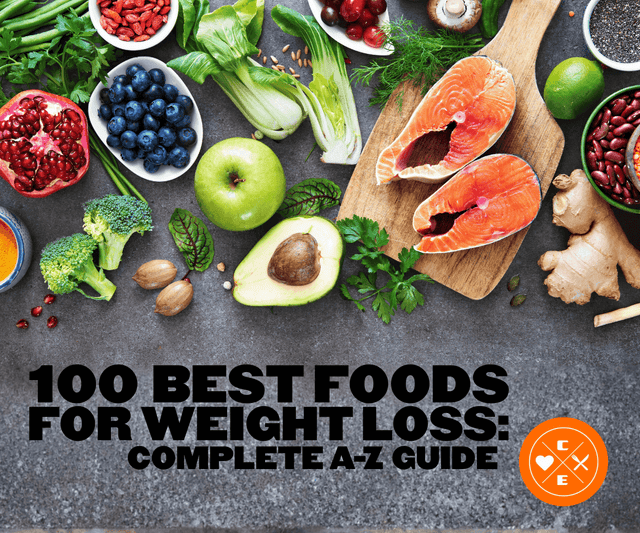
Here are the 10 our resident dietitian at Clean Eatz Kitchen builds meals around, with a serving size, the USDA numbers for that serving and an easy way to eat it. For a wider look at nutrient-dense foods, our complete guide to the 100 best foods for weight loss covers everything from proteins to produce.

1

Leafy greens

Brain pick
1 cup raw spinach · 7 calories · 145mcg vitamin K

Dark leafy greens like spinach, kale and collards bring fiber, iron, vitamins A, C and K, folate and calcium for almost no calories. One cup of raw spinach has 7 calories and 145 micrograms of vitamin K, more than a full day's Daily Value, according to USDA FoodData Central.

In a study of 960 older adults in Neurology, followed for an average of 4.7 years, people who ate the most leafy greens (a median of about 1.3 servings a day) had slower cognitive decline than those who ate the least. The difference equaled being about 11 years younger. It's an observational study, so it shows a link, not proof that greens caused it.

How to eat them: add a cup a day to salads, wraps or smoothies, or sauté them as a side.

2

Blueberries

Easy daily habit
½ cup · 42 calories · 1.8g fiber

Half a cup of blueberries has 42 calories and 1.8 grams of fiber, plus anthocyanins, the pigments that give them their color. Anthocyanins are antioxidants, and researchers are studying them for heart and brain health. The human results so far are promising but small, so think of blueberries as one good part of a fruit habit, not a treatment.

How to eat them: half a cup on oatmeal or yogurt, blended into a smoothie, or straight from the bag as a snack. Frozen berries work just as well and cost less.

3

Salmon

Omega-3 pick
3 oz cooked · 175 calories · 19g protein · 1.8g EPA+DHA

Salmon is one of the richest food sources of omega-3 fatty acids, specifically DHA and EPA. A 3-ounce cooked fillet of farmed Atlantic salmon has about 175 calories, 19 grams of protein and 1.8 grams of EPA and DHA (USDA).

The American Heart Association recommends two servings of fish a week, especially fatty fish like salmon, for heart health. A serving is 3 ounces cooked, about three-quarters of a cup flaked. Salmon gives you the omega-3s and high-quality protein in one food, which a fish oil capsule can't.

How to eat it: two 3-ounce servings a week, baked, grilled or flaked into a salad.

4

Ground flaxseed

Plant omega-3
1 tbsp ground · 37 calories · 1.9g fiber

Flaxseed is a plant source of alpha-linolenic acid (ALA), a type of omega-3, plus lignans and fiber. A tablespoon of ground flax has 37 calories and 1.9 grams of fiber. Eat it ground, not whole: whole seeds can pass through your digestive system intact, so you miss most of what's inside.

Its fiber supports regularity, and some studies have found it can modestly lower LDL cholesterol. Your body converts only a small share of ALA into the EPA and DHA found in fish, so flax adds to salmon rather than replacing it.

How to eat it: start with 1 to 2 tablespoons a day in smoothies or oatmeal, or sprinkled on avocado toast.

5

Yogurt

Gut health pick
1 cup plain low-fat · 154 calories · 13g protein · 448mg calcium

Yogurt is the gut health pick on this list. Look for "live and active cultures" on the label: those are the probiotic bacteria that join your gut microbiome, the trillions of microbes involved in digestion and immunity. One cup of plain low-fat yogurt has 154 calories, about 13 grams of protein and 448 milligrams of calcium, about a third of the Daily Value, plus B vitamins and potassium.

Choose plain yogurt and add your own fruit to skip the added sugar. For more gut-friendly foods, see our guide to 20 prebiotic foods for gut health.

6

Carrots

Beta-carotene pick
1 medium carrot · 25 calories · 57% DV vitamin A

Carrots are full of beta-carotene and other carotenoids, which your body turns into vitamin A for eye health and immune function. One medium raw carrot has about 25 calories and 509 micrograms of vitamin A, 57% of the Daily Value, according to USDA data.

You may have read that one carrot covers over 200% of your vitamin A needs. That figure came from the old Daily Value, measured in different units. On today's labels, one carrot covers a bit more than half a day.

How to eat them: raw with hummus, roasted as a side, or shredded into salads and slaws. A little fat in the meal helps you absorb the carotenoids.

7

Broccoli

Cruciferous pick
1 cup cooked · 55 calories · 101mg vitamin C · 5g fiber

Broccoli brings vitamins C and K, fiber and folate. One cup of cooked broccoli has 55 calories, 5.2 grams of fiber and 101 milligrams of vitamin C, more than the 83 milligrams in a navel orange. It also contains sulforaphane, a compound researchers are studying for its possible anti-cancer effects.

How to eat it: steam it lightly to hold on to vitamin C, roast it for crispy edges, or add it raw to salads. It pairs with almost any protein.

8

Sweet potatoes

Fiber-rich carb
1 medium baked · 103 calories · 3.8g fiber · 122% DV vitamin A

Sweet potatoes bring vitamins A, C and B6, plus potassium, fiber and manganese. One medium baked sweet potato (114 grams) has 103 calories, 3.8 grams of fiber and 1,096 micrograms of vitamin A, 122% of the Daily Value.

That fiber makes them a filling carb for building balanced meals. How you cook them changes how fast they raise blood sugar, so pair them with protein and vegetables rather than eating them alone. For the vitamins you can't easily get from food, our guide to supplements for weight loss sorts what has support from what doesn't.

How to eat them: bake them whole, cube and roast them, or mash them as a side.

9

Garlic

Flavor base
1 clove · 4 calories

Garlic gives you a lot of flavor for about 4 calories a clove. Crushing or chopping it forms allicin, a compound with antimicrobial and antioxidant properties. Garlic also contains fructans, a type of fiber that feeds helpful gut bacteria.

Studies link garlic to lower blood pressure and better cholesterol numbers, but most of those trials used garlic supplements such as aged garlic extract at set doses, not the cloves in your dinner. Cooking with garlic is a good habit. Just don't count on a clove to do what a blood pressure plan does.

How to eat it: 2 to 3 fresh cloves a day as a base for soups, stir-fries, roasted vegetables and marinades.

10

Whole grains

Steady energy
½ cup dry oats · 152 calories · 4g fiber · 5g protein

From oatmeal to brown rice, quinoa to barley, whole grains keep the bran and germ that refined grains lose, so they bring more fiber, B vitamins and minerals. Half a cup of dry oats has 152 calories, 4 grams of fiber and 5 grams of protein (USDA).

The Harvard T.H. Chan School of Public Health links whole grains to a lower risk of heart disease and type 2 diabetes and recommends making at least half your grains whole. Their fiber also slows digestion, so you get steadier energy than from refined grains.

How to eat them: swap white rice for brown, choose whole grain bread, and start your day with oats.

The 10 optimum health foods at a glance

  • Leafy greens (spinach): Serving 1 cup raw · Calories 7 · Standout nutrient 145mcg vitamin K
  • Blueberries: Serving ½ cup · Calories 42 · Standout nutrient 1.8g fiber
  • Salmon: Serving 3 oz cooked · Calories 175 · Standout nutrient 1.8g EPA+DHA
  • Ground flaxseed: Serving 1 tbsp · Calories 37 · Standout nutrient 1.9g fiber, ALA
  • Yogurt, plain low-fat: Serving 1 cup · Calories 154 · Standout nutrient 448mg calcium
  • Carrots: Serving 1 medium · Calories 25 · Standout nutrient 57% DV vitamin A
  • Broccoli: Serving 1 cup cooked · Calories 55 · Standout nutrient 101mg vitamin C
  • Sweet potato: Serving 1 medium baked · Calories 103 · Standout nutrient 122% DV vitamin A
  • Garlic: Serving 1 clove · Calories 4 · Standout nutrient Allicin, fructans
  • Oats: Serving ½ cup dry · Calories 152 · Standout nutrient 4g fiber

Putting optimum health foods together

Building your diet around these foods sets a strong base for long-term health. Diet trends come and go, and these foods show up in nearly every healthy eating pattern that lasts.

The good news is that you don't have to overhaul your diet overnight. Add one or two of these foods to your current routine, then build from there. Small, steady changes add up over months and years.

For help building balanced meals around these foods, see our guide on how to create a balanced plate for optimal nutrition. And if time is the barrier, our healthy meal plans are chef-cooked, portion-controlled and ready to heat in a few minutes. Our High Fiber Meal Plan puts at least 5 grams of fiber in every meal, built with vegetables, legumes and whole grains, from $94.95 for 10 meals.

Shop the meal plans

Sources

  1. Morris et al., Nutrients and bioactives in green leafy vegetables and cognitive decline, Neurology 2018
  2. American Heart Association: Fish and omega-3 fatty acids
  3. Harvard T.H. Chan School of Public Health, The Nutrition Source: Whole grains
  4. FDA: Daily Value on the Nutrition and Supplement Facts labels
  5. USDA FoodData Central: Spinach, raw
  6. USDA FoodData Central: Carrots, raw
  7. USDA FoodData Central: Broccoli, cooked, boiled, drained
  8. USDA FoodData Central: Oranges, raw, navels
  9. USDA FoodData Central: Oats, regular and quick, dry

Frequently asked questions

What are the benefits of eating these optimum health foods daily?

Together they cover nutrients many people fall short on: fiber, omega-3 fats, calcium, potassium and vitamins A, C and K. Research links these foods to slower cognitive decline (leafy greens), heart health (fish and whole grains) and better digestion (yogurt and fiber-rich plants). Eating them most days is an easy way to round out your diet.

Why should I focus on these specific foods instead of following diet trends?

Diet trends come and go, but these foods appear in nearly every eating pattern with long-term research behind it, from Mediterranean to DASH. They're affordable, easy to find and simple to cook. Building your meals around them creates a sustainable approach to health that doesn't depend on the next fad.

How can I incorporate these optimum health foods into my daily routine?

Start small and build habits. Add leafy greens to salads, wraps or smoothies. Top your morning oatmeal or yogurt with blueberries. Eat salmon twice a week. Sprinkle ground flaxseed on toast or into smoothies. Use garlic as a flavor base, and choose brown rice or oats over refined grains.

How much of each food should I eat daily for optimal health?

Aim for about 1 cup of leafy greens a day, half a cup of berries, 1 to 2 tablespoons of ground flaxseed and a cup of yogurt with live cultures. Eat two 3-ounce cooked servings of fatty fish like salmon a week, make at least half your grains whole, and fill out about 2 to 3 cups of varied vegetables daily.

Can I get these nutrients from supplements instead of whole foods?

Supplements have a place, especially when a doctor finds a deficiency, but they don't replace whole foods. Salmon gives you omega-3s along with protein, and vegetables bring fiber and many plant compounds that a single pill doesn't. Start with food, and talk with your doctor or a registered dietitian before adding supplements.

Tap a meal count to add

30 meals work out to $7.56 a meal

View plan details

Tap a meal count to add

18 meals work out to $8.82 a meal

View plan details