How to Cook Without Salt: Flavor Tips That Work

How to cook without salt: Flavor tips that actually work

Salt-free food doesn't have to taste flat. You build the flavor in layers instead. Seven steps, four dinners to start with, and the label numbers that decide how much sodium reaches the pan.

  • Free Shipping on Every Meal PlanFree Shipping
  • Up to 20% Off 30-Meal PlansUp to 20% Off
  • Chef Cooked, Dietitian BuiltDietitian Built
  • Heat & Eat in MinutesHeat & Eat
Tina Sassine, RD, MPH
Tina Sassine, RD, MPHRegistered Dietitian · Aug 21, 2025
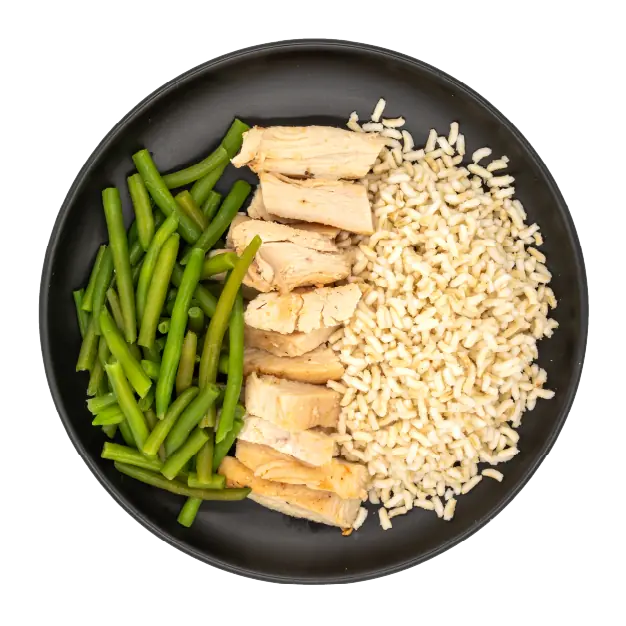
Clean Eatz chicken strips with green beans and brown rice on a black plate
Quick answer

Cook without salt by layering flavor: aromatics like garlic and onion first, then herbs and spices, then an acid such as lemon juice or vinegar at the end. Roasting, searing and reducing add depth that salt usually covers. Cut back gradually. In a five-month study, people on a low-sodium diet came to prefer less salt in their food.

Most advice about cooking without salt makes it sound like a sacrifice. Take the salt out, accept the bland, feel virtuous. That is not how it works in a kitchen.

Salt does one main job: it makes the flavors already in the food louder. Garlic, herbs, spices, browning and a squeeze of lemon can do much of that job, and they bring flavors of their own that salt never had.

This guide walks you through seven steps in the order a cook would use them, four dinners to practice on, the mistakes that make salt-free food taste flat, and what to look for on a label so the sodium you skip at the stove doesn't come back in through the pantry.

Why reduce salt in your cooking

The shaker is the small part

Americans eat about 3,400 mg of sodium a day, according to the FDA. The Dietary Guidelines limit is under 2,300 mg, so the average day runs nearly 50% over.

For most adults, the ideal is lower still: 1,500 mg a day or less, per Mayo Clinic, especially if your blood pressure is already up. That is a gap of almost 1,900 mg between a typical day and the ideal one. Closing even part of it can make a real difference to your blood pressure and heart health.

Here's what makes sodium tricky. Most of it never passes through your salt shaker. The FDA puts the share from packaged and prepared foods at over 70%. Canned soups, deli meats, bread, cheese and condiments add up before you even start cooking.

That is the case for cooking at home. When you make the food yourself, you decide what goes into it.

How to cook without salt step by step

Seven steps to flavor without salt

There is no single perfect salt substitute. The trick is layering several flavor elements, each doing part of the work. Think of it like building a song: melody, harmony and rhythm working together. The steps below follow the order you would use them while cooking a meal.

Step 1: Cut back on salt gradually

Give your palate time

Going from your usual amount to zero overnight is the fastest way to decide salt-free cooking tastes like punishment. Halve the salt in recipes you already make for two weeks, then halve it again.

Keep the shaker off the table while you adjust. Most of the salt people add at the table goes on before they have tasted the food.

Step 2: Build a base of aromatics

Start with garlic, onion & ginger

Aromatics are the foundation of flavorful cooking. Onions, garlic and ginger turn the simplest dishes into something you want to eat.

Slowly caramelizing onions for 30 to 45 minutes draws out their natural sugars and leaves a jammy sweetness that carries soups, grain bowls and sauces. Roasted garlic turns mellow and spreadable, nothing like its sharp raw bite. Shallots, leeks, celery and peppers work the same way.

Step 3: Layer fresh herbs & dried spices

Herbs for lift, spices for depth

Fresh herbs add brightness and complexity. Basil brings a subtle sweetness to tomato-based dishes. Cilantro adds a citrusy punch to Mexican and Asian-inspired meals. Rosemary and thyme give earthy depth to roasted meats and vegetables. Add delicate herbs like basil and parsley at the end of cooking to keep their flavor, and put heartier herbs in earlier so they can develop.

Dried spices offer concentrated flavor without sodium. Cumin gives warm, earthy undertones. Smoked paprika delivers richness without heat. Cinnamon and nutmeg add unexpected depth to savory dishes. Toast whole spices in a dry pan for a minute or two before grinding to release their oils and intensify the flavor.

For more on building meals from whole foods that taste good on their own, see our Complete Guide to the Best Foods for Weight Loss, which covers nutrient-dense ingredients that need very little help.

Step 4: Finish with an acid

Lemon or vinegar, at the end

Acid does the closest thing to what salt does. It brightens flavors and makes the other ingredients stand out. A squeeze of lemon juice at the end of cooking can rescue a flat dish.

Balsamic vinegar drizzled over roasted vegetables adds both tang and sweetness. Rice vinegar, red wine vinegar and apple cider vinegar each bring a different character to dressings and marinades. Citrus zest adds the aroma without the sourness.

Step 5: Roast, sear & reduce for depth

Let the heat do the seasoning

How you cook matters as much as what you cook. Some techniques develop flavor that doesn't need salt at all.

Roasting at 425 to 450°F caramelizes the natural sugars in vegetables. Brussels sprouts turn nutty and sweet. Carrots develop candy-like depth. Root vegetables that taste bland boiled become something different once their edges char in the oven.

Grilling, searing and broiling create the Maillard reaction, the savory browning you get when proteins and sugars meet high heat. It produces hundreds of flavor compounds that make food taste more complex and satisfying with no added sodium. Pat food dry first, and don't crowd the pan, or it steams instead of browning.

Reducing liquids concentrates flavor. Simmer a sauce uncovered and the water evaporates, leaving more intense taste behind. A pan sauce made by deglazing with wine or no-salt-added broth after cooking meat can turn a basic chicken breast into a restaurant-quality dinner.

These techniques suit meal prep well. Our Complete Meal Prep Guide shows how to batch-cook flavorful meals with them.

Step 6: Mix your own salt-free seasoning blends

Three jars to keep by the stove

Store-bought seasoning blends often contain hidden sodium, and many list salt as the first ingredient. Making your own takes minutes and gives you complete control.

Three salt-free blends and what they go on
BlendSpicesWhat goes inUse it on
All-purpose7Garlic powder, onion powder, paprika, dried thyme, black pepper, rosemary, sageProteins, vegetables, grains, soups
Mexican-inspired7Chili powder (check it is salt-free), cumin, paprika, garlic powder, oregano, onion powder, cayenneTacos, grain bowls, roasted vegetables, eggs
Italian6Dried basil, oregano, thyme, garlic powder, onion powder, black pepperPasta, pizza, roasted vegetables, grilled chicken

Three salt-free blends and what they go on

Keep the all-purpose jar by your stove and reach for it instead of salt. Store all three in airtight glass jars away from heat and light. They stay potent for up to six months.

Step 7: Read sodium labels before you shop

Catch the sodium in the pantry

Salt-free cooking only works if the ingredients don't bring the salt with them. The Nutrition Facts label makes this quick.

  • Check the % Daily Value for sodium. The FDA calls 5% or less per serving low and 20% or more high.
  • Pick canned vegetables, beans, tomatoes and broth labeled "no salt added". "Reduced sodium" only means 25% less than the regular version, which can still be a lot.
  • Drain and rinse regular canned beans. A Texas A&M AgriLife summary of the research reports that draining cut sodium by about 36% and draining plus rinsing by about 41%.
  • Look at the serving size. A label that looks fine per serving can double when the can holds two.

Salt-free meal ideas

Four dinners to practice on

Here are practical ways to put the steps together in everyday cooking.

Herb-crusted chicken: Coat chicken breasts with a mix of fresh rosemary, thyme, minced garlic, lemon zest and black pepper before baking. The herb crust forms a flavorful outside while the meat stays juicy. Bake until the center reaches 165°F, the safe minimum for poultry.

Roasted vegetables with balsamic glaze: Toss zucchini, eggplant, bell peppers and onions with olive oil and the Italian blend above. Roast until caramelized, then drizzle with reduced balsamic vinegar for a sweet-tangy finish.

Ginger-garlic salmon: Marinate salmon in fresh ginger, garlic, rice vinegar and sesame oil. Sear skin side down, then finish in the oven until it reaches 145°F. Serve over brown rice with steamed broccoli. Skip the soy sauce here, or use a small splash of a reduced-sodium one and read its label.

Cumin-spiced ground turkey: Season lean ground turkey with cumin, paprika, garlic powder and a pinch of cayenne. Cook it with diced sweet potatoes and bell peppers for a complete one-pan meal, until the turkey reaches 165°F. Finish with fresh cilantro and lime juice.

All four work for prep-ahead cooking. Spend a couple of hours on Sunday building components you can mix and match through the week.

Salt-free cooking mistakes to avoid

What makes it taste flat

  • Swapping salt for garlic salt or onion salt. Both are mostly salt. Use garlic powder and onion powder instead.
  • Using too little of everything else. When the salt goes, the herbs, spices and aromatics have to go up. Start with about twice what a salted recipe calls for and taste.
  • Adding the acid too early. Lemon and vinegar lose much of their lift in a long simmer. Finish with them.
  • Skipping the browning. Pale, steamed food tastes flatter than seared or roasted food. Dry the food, heat the pan, give it space.
  • Trusting "no salt added" to mean no sodium. Some ingredients carry natural sodium, and cheese, bread and cured meats carry a lot. Check the label.

Low-sodium convenience options

Where our meals fit, by the numbers

Cooking from scratch isn't always realistic. On those nights, a ready meal can still fit a lower-sodium week, as long as you pick by the number rather than the name.

We would rather show you the numbers than make a blanket promise. Our current menu has 32 meals, and sodium runs from 360 mg to 1,550 mg per meal, with a median of 750 mg. By the FDA's definition of a low-sodium main dish, 140 mg or less per 100 grams, two of them qualify. The rest do not, and three sit above 1,000 mg.

Our five lowest-sodium meals (current menu, October 2026)
MealSodiumPer 100 gProtein
Basic Diced Chicken & Red Potatoes360 mg127 mg25g
Basic Chicken Strips & Rice380 mg134 mg30g
Baja Salmon420 mg148 mg25g
Cowboy Shepherds Pie450 mg158 mg31g
Basic Beef Barbacoa460 mg162 mg23g

Our five lowest-sodium meals (current menu, October 2026)

Every meal's sodium is listed on our Nutrition Info page, and you can sort the table by it. If sodium is your main number, Build A Meal Plan lets you pick meals one by one. Our weight loss meal plans are chosen for you around calories and protein, not sodium, so check the list if you go that route.

Every meal is chef-cooked, portion-controlled, flash-frozen and heats in a few minutes. There is no subscription, and meal plan orders ship free to the contiguous 48 states, so a few low-sodium meals in the freezer can cover the busy nights when cooking isn't happening.

The bottom line on cooking without salt

A skill that gets easier

Cooking without salt is a skill, and it gets easier with practice. Cut back gradually rather than all at once, so your palate has time to adjust. Build flavor with aromatics, herbs, spices and acid. Use techniques that develop natural richness, like roasting, searing and reducing. Then watch the labels, because most sodium arrives in what you buy, not what you add.

The payoff is lower blood pressure and a lower risk of heart disease over time. And after a couple of months, you may find you don't miss the salt at all.

Cooking without salt FAQ

Quick answers

How can I make my meals flavorful without adding salt?

Layer flavors. Start with aromatics like garlic and onion, add fresh herbs and dried spices, then finish with an acid such as lemon juice or vinegar. Cooking techniques like roasting, searing and caramelizing develop rich flavor on their own. Your taste buds also adjust, so food that tastes under-seasoned in week one usually tastes right a few weeks later.

What are the best salt substitutes for cooking?

Fresh or dried herbs (basil, rosemary, thyme), citrus juice and zest, vinegars, and aromatics like garlic, onion and ginger all add complexity without sodium. Salt-free spice blends work too. Potassium-based salt substitutes can help, but check with your doctor first if you have kidney disease or take blood pressure medicine.

How long does it take to adjust to low-sodium cooking?

For most people, a couple of months. In a five-month study, people on a low-sodium diet came to prefer noticeably less salt in soup and crackers, while a control group did not change. Many people eventually find high-sodium foods taste too salty after making the switch.

Where does most dietary sodium come from?

Over 70% of the sodium Americans eat comes from packaged and prepared foods, according to the FDA, not from the salt shaker. Canned soups, deli meats, bread, cheese and condiments are common sources. Cooking at home, and reading labels on what you buy, gives you much more control.

Is cooking without salt safe for everyone?

Cutting added salt is safe for most healthy adults, since nearly every food already contains some sodium. People who sweat heavily for long periods, take certain medications or have a medical condition that affects sodium balance should talk with their doctor or a registered dietitian about the right target.

Tap a meal count to add

30 meals work out to $7.56 a meal

View plan details

Tap a meal count to add

30 meals work out to $9.16 a meal

View plan details