
Low sodium foods
Low sodium foods: What to eat & why it matters (2026 guide)
Low sodium means 140 mg or less per serving. Most Americans eat about 3,400 mg a day. The foods that are naturally low, where the hidden sodium sits and how to read a label for it.
- Free Shipping on Every Meal PlanFree Shipping
- Up to 20% Off 30-Meal PlansUp to 20% Off
- Chef Cooked, Dietitian BuiltDietitian Built
- Heat & Eat in MinutesHeat & Eat

What counts as low sodium
What are low sodium foods?
Quick answer
Foods with 140 milligrams of sodium or less per serving, by the FDA's definition. Fresh fruits and vegetables, plain whole grains, unmarinated fresh meats, unsalted nuts and dried beans are the easiest places to find them.
Before you scan every label at the grocery store, it helps to know what the terms mean. The FDA has specific definitions that make this easier.
| Label says | What it means |
|---|---|
| Sodium-free | Less than 5 mg per serving |
| Very low sodium | 35 mg or less per serving |
| Low sodium | 140 mg or less per serving |
| Reduced sodium | At least 25% less than the regular product |
| Light in sodium | At least 50% less than the regular product |
| No salt added | No salt added in processing, but not always sodium-free |
FDA sodium claims on food labels
On the Nutrition Facts label, look at the % Daily Value column. Five percent or less is considered low, and 20% or more is high. Those percentages are based on the 2,300 milligram Daily Value, so if you're aiming for 1,500, each one is a larger chunk of your day than it looks.
One thing catches people off guard: reduced sodium doesn't mean low sodium. It only means 25% less than the original. A reduced-sodium soup could still carry 700 milligrams a serving if the original had about 933. Check the milligrams, not the front of the package.
Why sodium matters for your health
Why does sodium matter for your health?
Quick answer
Too much raises blood pressure, which raises your risk of heart disease and stroke. Nearly half of US adults, 48.1%, have high blood pressure. In a major trial, a DASH diet with low sodium lowered systolic pressure by 11.5 points in people with hypertension.
Your body needs some sodium. It helps maintain fluid balance, supports nerve function and allows your muscles to contract. But the keyword is some. The American Heart Association puts what your body needs at less than 500 milligrams a day. Almost all of us eat well past that.
Excess sodium makes your body hold on to water, which increases the volume of blood moving through your vessels. Your heart has to work harder, and the pressure on your artery walls goes up. The CDC ties too much sodium to higher blood pressure and a higher risk of heart disease and stroke. Its latest figures say 48.1% of US adults have high blood pressure, and about 1 in 6 of them don't know it.
The link is strong enough that entire eating plans have been built around it. The DASH eating plan (Dietary Approaches to Stop Hypertension) emphasizes vegetables, fruits, whole grains and low-fat dairy, and it limits sodium to 2,300 milligrams, with 1,500 lowering blood pressure further.
Here's how big the effect is. In the original DASH trial, the diet lowered systolic pressure by 11.4 points more than a control diet among 133 people with hypertension, without any change in sodium. The DASH-Sodium trial of 412 people then tested both together. DASH with low sodium ended up 11.5 points lower than a typical American diet with high sodium for people with hypertension, and 7.1 points lower for people without it.
Those were controlled feeding studies, where the researchers supplied the meals, so real-life results often land lower. It's still a big effect for food. For more on foods that support a healthy weight and overall wellness, our complete guide to the best foods for weight loss covers many naturally low sodium options.
Best low sodium foods to eat
Which foods are naturally low in sodium?
Quick answer
The closer a food is to its natural state, the less sodium it usually has. A banana has about 1 milligram, a cup of cooked rice under 15 and a large egg about 70. Compare that with a slice of deli meat or cheese.
The simplest rule: the closer a food is to its natural state, the less sodium it typically contains. Fresh produce, plain whole grains and unprocessed proteins are your foundation.
| Food | Portion | Sodium |
|---|---|---|
| Banana | 1 medium | About 1 mg |
| Strawberries | 1 cup | About 2 mg |
| Plain oats, rice, quinoa, barley | 1 cup cooked, no salt | Under 15 mg |
| Large egg | 1 | About 70 mg |
| Chicken breast | 4 oz cooked | About 85 mg |
| Milk | 1 cup | About 100 mg |
| Whole wheat bread | 1 slice | 130 to 150 mg |
| Cheddar | 1 oz | About 180 mg |
| Dill pickle | 1 spear | About 280 mg |
| Deli turkey | 1 serving | 500 to 600 mg |
| Soy sauce | 1 tablespoon | About 900 mg |
Sodium in common foods, rounded from USDA FoodData Central. Brands vary, so check the label.
Low sodium fruits & vegetables
These are your easiest wins. A medium banana has about 1 milligram of sodium, and a cup of fresh strawberries has about 2. Kale, broccoli, cauliflower and sweet potatoes are all naturally very low, usually under 50 milligrams per serving. Cooked spinach is the exception worth knowing, at about 125 milligrams per cup, and it's still a low sodium food.
The vegetables to watch are canned ones, which often have salt added. Look for no-salt-added versions, or rinse regular canned vegetables thoroughly before you use them.
Low sodium meats & proteins
Fresh meats and proteins are naturally low when you buy them plain. A 4-ounce cooked chicken breast has about 85 milligrams. Fresh fish fillets typically contain 40 to 80 per serving, and eggs have about 70 each. Check the package on raw poultry, since some is sold with added solution that raises the sodium.
The numbers climb fast with processed versions. Deli turkey can run 500 to 600 milligrams a serving, a slice of cooked bacon about 150 to 190 and a hot dog often about 500. Stick with fresh cuts you season yourself, and you control how much sodium lands on your plate.
Low sodium whole grains & bread
Plain rice, oats, quinoa and barley contain minimal sodium, usually under 15 milligrams per cooked cup when you don't salt the water. Bread is where things get complicated. A single slice of whole wheat can have 130 to 150 milligrams, and most people eat at least two at a time.
Bread isn't bad. It's just one of those foods that adds more sodium than people realize because it's eaten so often.
Sodium in dairy products
Dairy varies widely. A cup of milk has about 100 milligrams of sodium, and plain yogurt runs similar to a little higher. Cheese is where it climbs quickly. An ounce of cheddar has about 180 milligrams, and the same amount of feta has about 260 to 320. If you love cheese, use it as a flavor accent rather than a main ingredient, and look for lower-sodium varieties when you can.
Hidden sodium sources to watch for
Where does most sodium actually come from?
Quick answer
Packaged and prepared foods. The FDA says over 70% of the sodium Americans eat comes from those, not from the salt shaker. Bread, condiments, deli meat, pickles and restaurant meals are the usual sources.
The FDA's numbers are blunt: more than 70% of dietary sodium comes from packaged and prepared foods, not from salt added during cooking or at the table. So you could never touch a salt shaker and still eat too much.
Some of the biggest sources might surprise you. Bread adds up because we eat it so often. Condiments like soy sauce, at about 900 milligrams a tablespoon, ketchup, mustard and salad dressings can push an otherwise healthy meal well past what you'd expect. A single dill pickle spear can have about 280 milligrams. Even foods that taste sweet, like some breakfast cereals and flavored instant oatmeal packets, can carry significant sodium.
Restaurant and fast food meals deserve special attention. A fast food burger with fries and a drink can run well over 1,000 milligrams, and a big combo can get close to a full day's limit in one sitting. Sit-down restaurants aren't necessarily better, since many dishes are built on salty seasonings, butter and sauces.
- Ask for sauces and dressings on the side. You decide how much goes on.
- Request less salt. Many kitchens can adjust a dish if you ask.
- Look for heart-healthy or low sodium menu markers. Then check the posted nutrition if the restaurant has it.
How meal prep makes low sodium eating easier
How does meal prep help you eat less sodium?
Quick answer
You decide what goes in. Fresh herbs, citrus, garlic, ginger, vinegar and spices build flavor without salt, and batch cooking keeps you away from takeout on busy nights. Your preference for salt can fall over time, too.
The most reliable way to control your sodium is to prepare more of your own food. When you cook at home, you can use fresh herbs, citrus juice, garlic, ginger, vinegar and spices to build flavor without leaning on salt.
Your taste adjusts as you do this. In a study of young adults on a low sodium diet for 5 months, the level of salt they found most pleasant in soup and crackers dropped, while a control group's didn't. It was one small group, but the direction matches what many people notice after a few weeks of eating less salt.
Cooking every meal from scratch isn't realistic for most people, so a plan helps. Batch cook proteins and grains on the weekend, prep vegetables in advance and keep low sodium staples in the pantry. Our complete meal prep guide walks through the whole process if you're new to prepping or want to streamline your system.
Low sodium habits & next steps
What should you do next?
Quick answer
Start with your top three sources. Pick fresh chicken over deli meat, rinse canned beans and swap salty seasonings for herbs. Give your taste a few weeks. If you use prepared meals, read the sodium per meal first, including ours.
Eating less sodium doesn't take a complete overhaul. It's mostly smarter swaps and paying attention to where your sodium really comes from. Build on fresh, whole foods, read labels and watch for hidden sodium in packaged products, condiments and restaurant meals. Give your taste a few weeks to adjust, and you may find you don't miss the extra salt.
Small changes add up. Choosing fresh chicken over deli meat, rinsing your canned beans and using herbs instead of salty seasonings each move you closer to your target.
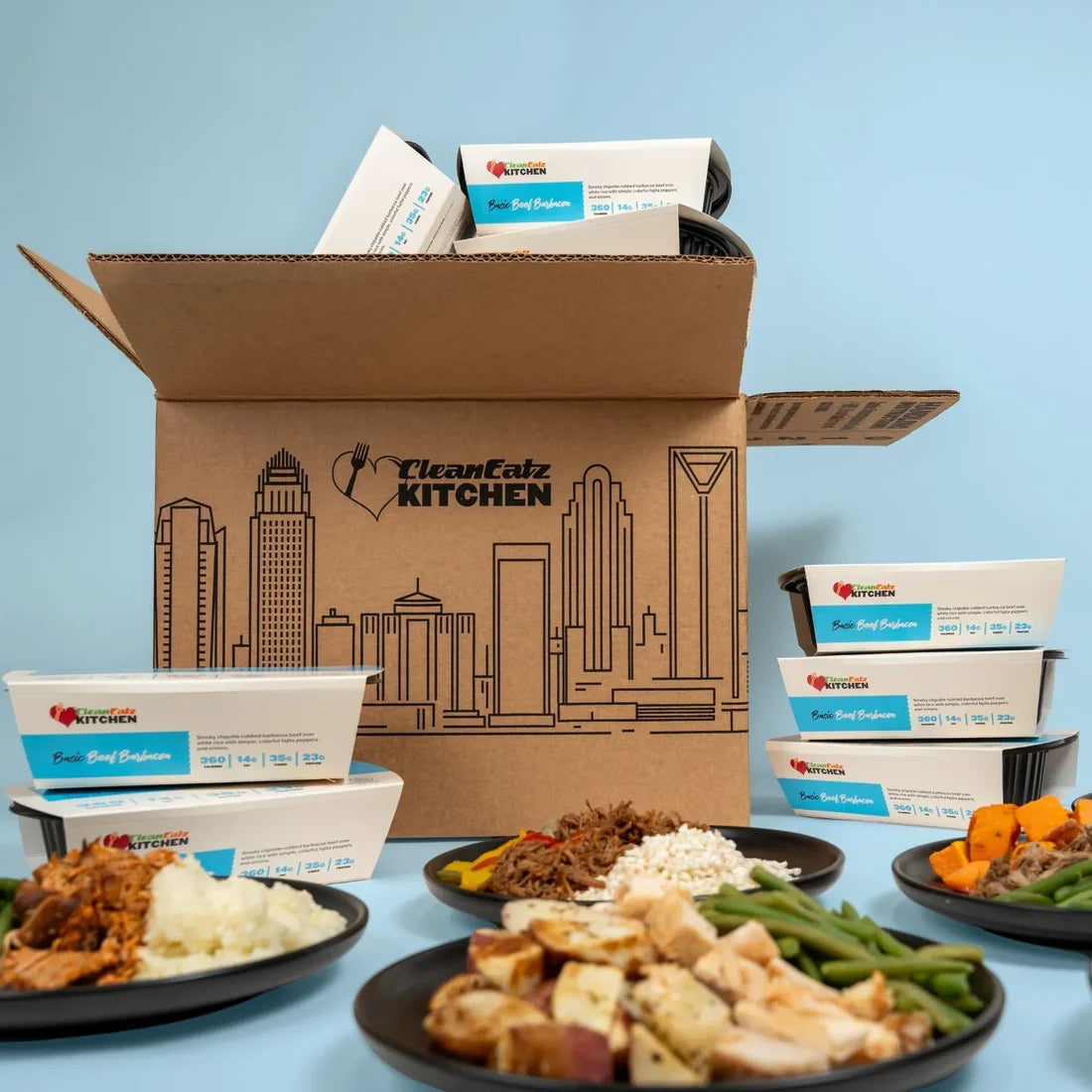
For the weeks when meal prep isn't happening, ready-to-heat meals can beat fast food or skipping dinner, as long as you read the number. Our Weight Loss Meal Plan and Build A Meal Plan give you portion-controlled meals in a few minutes, but they aren't low sodium plans, and we won't call them that. Our current menu runs from 360 to 1,550 milligrams a meal, with a median of 750, and three meals top 1,000.
Only two meals meet the FDA's low sodium rule for a main dish: Basic Diced Chicken & Red Potatoes at 360 milligrams and Basic Chicken Strips & Rice at 380. Our Basics Meal Plan is built around simple meals like these. Every meal's sodium is on our Nutrition Info page, which you can sort. Cooking from staples will still get you lower, and on a strict sodium target, that's the better call.
 Make it easy withWeight Loss Meal PlanFrom $89.95View plan
Low sodium foods FAQ
Questions about low sodium foods, answered
What qualifies as a low sodium food?
According to the FDA, a food can be labeled low sodium if it contains 140 milligrams or less per serving. On a Nutrition Facts label, look for 5% Daily Value or less. That's an easy way to spot lower sodium options at a glance, while 20% or more is considered high.
How much sodium should I eat per day?
The Dietary Guidelines recommend less than 2,300 milligrams a day, which equals about 1 teaspoon of table salt. The American Heart Association sets an ideal limit of 1,500 milligrams for most adults, especially people with high blood pressure. If your doctor gave you a target, use that one.
What are the best naturally low sodium foods?
Fresh fruits and vegetables top the list, along with plain whole grains like rice, oats and quinoa. Fresh meat, poultry and fish without marinades or added seasonings are also naturally low in sodium, as are unsalted nuts, seeds and dried beans. Season them yourself, and you control the total.
Does rinsing canned vegetables reduce sodium?
Yes, it removes some. The FDA recommends rinsing canned beans, tuna and vegetables before eating, though it doesn't give a number. The up-to-40% figure you may see comes from research on canned beans, not vegetables. For the lowest sodium, buy cans labeled no salt added.
Can a low sodium diet help lower blood pressure?
Yes. In the DASH-Sodium trial, cutting sodium lowered systolic pressure on both a typical American diet and the DASH diet. The two together worked best, at 11.5 points lower in people with hypertension. Keep taking any blood pressure medicine as prescribed, and ask your doctor before making changes.
More low sodium & heart health guides
Keep reading
 Nutrition
How to Cook Without Salt: Flavor Tips That Actually Work
 Tina Sassine, RD, MPH · Aug 21, 2025
 Nutrition
Low-Sodium Restaurant Guide: What to Order When Eating Out
Tina Sassine, RD, MPH · May 16, 2025 Weight loss
Best Foods for Weight Loss: 100-Food Complete Guide
 Romaine Rusnak, RD, LDN · Oct 16, 2025
Sources
On this page