
Dr. Now diet
Dr. Now diet: The 1,200-calorie plan, foods, & who it's for
A strict pre-surgery plan from a bariatric surgeon, built to shrink the liver and meant for medical supervision. What you eat, what the research shows, the real risks and who should not try it alone.
- Free Shipping on Every Meal PlanFree Shipping
- Up to 20% Off 30-Meal PlansUp to 20% Off
- Chef Cooked, Dietitian BuiltDietitian Built
- Heat & Eat in MinutesHeat & Eat

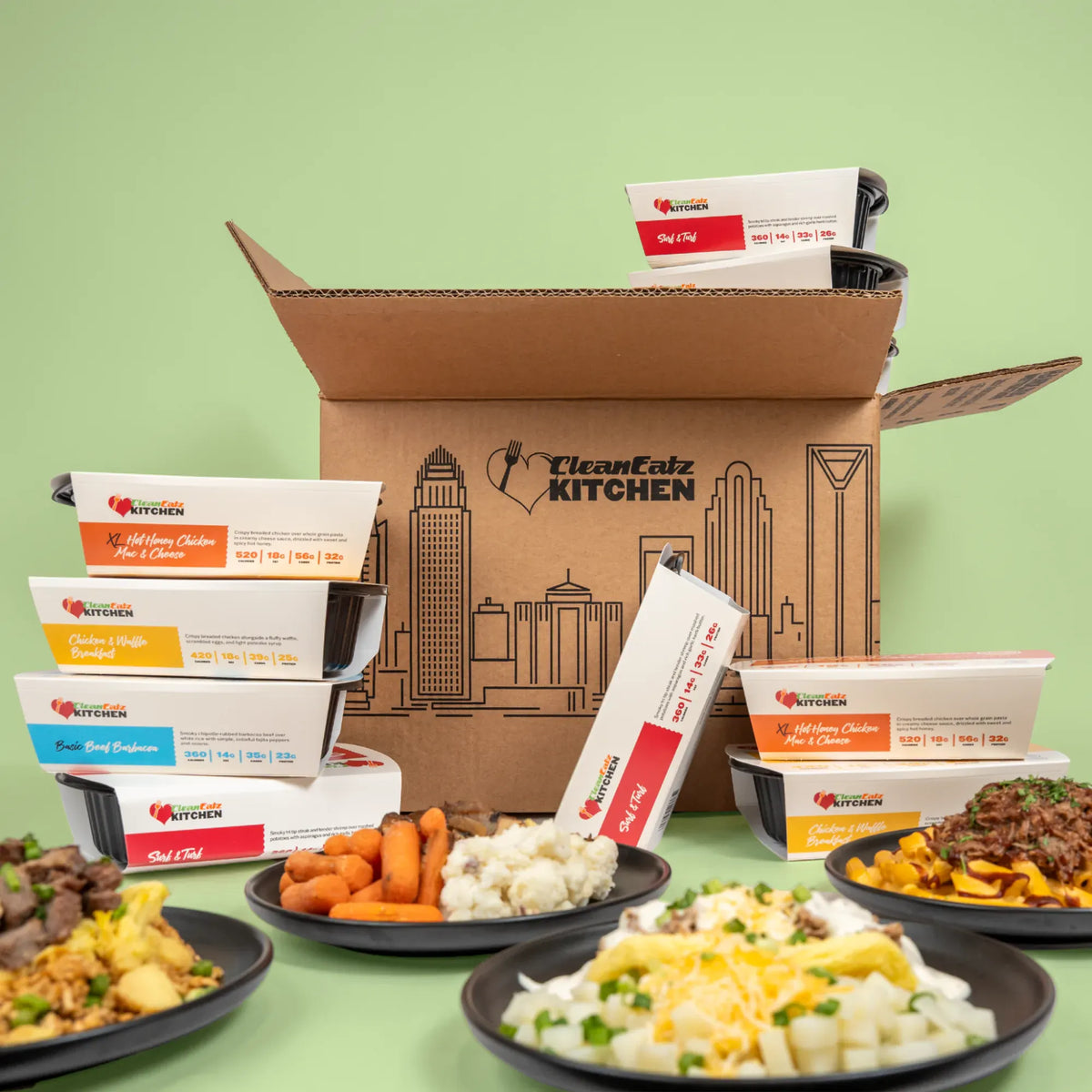
The Dr. Now diet is a short-term plan of about 1,200 calories a day from bariatric surgeon Dr. Younan Nowzaradan, used to help patients lose weight and shrink the liver before surgery. It's built on lean protein and non-starchy vegetables, cuts sugar and refined carbs, allows no snacks and is meant to be followed under medical care.
The Dr. Now diet takes its name from Dr. Younan Nowzaradan, a Houston bariatric surgeon many people know from the TV show My 600-lb Life. He describes the plan in his book, The Scale Does Not Lie, People Do, published in April 2019.
It gets searched by plenty of people who aren't headed for surgery, which is why it's worth understanding what the plan was built for, what the research actually supports and where the risks are. Here's the full picture, from a dietitian's point of view.
What is the Dr. Now diet
A strict plan before surgery
Dr. Now's plan is a strict eating pattern of about 1,200 calories a day, built to jump-start weight loss in patients with severe obesity and make surgery safer. As Healthline's review summarizes it, he asks patients to eat two or three meals a day with no snacks and to split the calories evenly, about 400 per meal across three meals or 600 per meal across two.
The diet centers on lean protein like chicken, fish, eggs, low-fat dairy and tofu, paired with non-starchy vegetables such as greens, broccoli, cauliflower, zucchini and peppers. Sugar, sweetened drinks, white bread, pasta, rice, fried foods and alcohol are out. Drinks are water and zero-calorie beverages.
The book is the only first-party source, and Dr. Nowzaradan hasn't published the diet as a peer-reviewed protocol that we could find. The "Dr. Now diet PDFs" and 21-day plans that circulate online are written by other sites.
If you're exploring medically supervised weight loss more broadly, our Ultimate Guide to the GLP-1 Diet covers how to eat on GLP-1 medications, another approach many healthcare providers now use.
Why the Dr. Now diet is used before surgery
Shrinking the liver first
Before bariatric surgery, many patients have a fatty, enlarged liver. It sits right where the surgeon needs to work, and a large liver can get in the way of the laparoscopic instruments. Reducing its size makes the operation simpler.
That's why the American Society for Metabolic and Bariatric Surgery says many surgeons put patients on a special pre-operative diet, usually for 2 or 3 weeks just before surgery, to shrink the liver and reduce fat in the abdomen.
The research backs the idea. A 2018 systematic review of pre-surgery diets lasting 10 days to 12 weeks found liver volume fell by 5% to 20%. One detail stood out: the amount of weight and liver lost wasn't tied to how hard calories were cut.
One detail stood out: the amount of weight and liver lost wasn't tied to how hard calories were cut.
Ellie Lopez, LDN, MS
A 2024 meta-analysis of 21 studies tested that directly. Low-calorie diets and very-low-calorie diets (about 800 calories a day or fewer) both cut weight and liver volume before surgery, with an average liver reduction of 16.7% and no significant difference between the two. So a 1,200-calorie plan, which counts as low-calorie rather than very-low-calorie, can still do the job.
There's a trade-off to keep in mind. In a small 2019 randomized trial, 4 weeks on an 800-calorie diet shrank the liver by 23% compared with 2% on a normal diet, but it also lowered a marker of wound healing after surgery. The researchers said the clinical effect still needs study, which is one more reason the diet is timed and supervised by the surgical team.
A smaller liver gives the surgeon room to work, and patients get a head start on the habits they'll need afterward: small portions, protein first and no sugar.
Dr. Now diet foods to eat & avoid
Lean protein, lots of vegetables
The protein list reads like a greatest hits of lean options: chicken and turkey breast, fish, shrimp, eggs and egg whites, extra-lean beef, tofu and tempeh, low-fat Greek yogurt and cottage cheese. These are the foundation of every meal, because protein helps preserve muscle during fast weight loss and keeps you full.
Vegetables fill out the plate, but only the non-starchy kind: leafy greens, broccoli, cauliflower, zucchini, peppers, mushrooms, tomatoes, cucumbers and cabbage. They add volume and fiber for very few calories, which matters when the whole day has to fit in 1,200.
| Eat | Avoid |
|---|---|
| Chicken, turkey breast, fish, shrimp | Added sugar, sweets and desserts |
| Eggs, egg whites, low-fat Greek yogurt, cottage cheese | Soda, juice and other sweet drinks |
| Extra-lean beef, tofu, tempeh | White bread, white rice, regular pasta |
| Leafy greens, broccoli, cauliflower, zucchini, peppers | Fried foods, chips, crackers, alcohol |
Dr. Now diet foods at a glance
The avoid list is long but simple. If it comes in a package with a long ingredient list, it probably doesn't fit. For a deeper look at which foods support weight loss and why, our Complete Guide to the Best Foods for Weight Loss breaks down each category.
Dr. Now diet sample day
What one day can look like
Here's a simple template built on the plan's rules. It's an illustration, not a prescription: your care team sets the calorie target, the portions and how many meals you eat.
| Meal | Example | Why it works |
|---|---|---|
| Breakfast | Egg-white veggie scramble, 3/4 cup low-fat cottage cheese, a few berries | High protein, low sugar start |
| Lunch | Grilled chicken salad with lots of greens and a light vinaigrette | Volume fills you up |
| Dinner | Baked white fish, steamed broccoli and a side salad | Simple protein and vegetables |
| Drinks | Water, unsweetened tea or coffee | No liquid calories |
Sample day on a Dr. Now style plan
Portioned at about 1 cup of egg whites, 4 ounces of chicken and 6 ounces of fish, this template comes in under 1,200 calories, roughly 900 to 1,000 by our estimate, which leaves room for the extra oil, dressing or fruit your plan allows. If you need more lunch ideas that stay light, our Top 10 Healthy Lunch Ideas is a good place to start.
Those numbers come from the clinical practice guidelines written jointly by endocrinology, obesity and bariatric surgery societies. Your team may set a different target before surgery.
Dr. Now diet benefits & drawbacks
What it does, what it costs you
The diet does what it's designed to do: it produces predictable short-term weight loss before surgery, shrinks the liver to make the procedure safer and builds discipline for eating after surgery. Patients who stick with it arrive at their operation in better shape, and many find the post-surgery diet feels less like a shock.
The cost is that 1,200 calories is hard to sustain. Hunger, fatigue and constipation are common in the first days as your body adjusts. There's also a real risk of nutrient shortfalls if the plan isn't carefully built or if patients skip the supplements their team recommends.
The biggest concern is gallstones. Losing weight quickly makes the liver release extra cholesterol into bile and can keep the gallbladder from emptying properly, according to the NIDDK. Studies going back decades, including Yang 1992 and a 2021 review, tie rapid weight loss to a higher gallstone risk.
NIDDK also notes that a medicine called ursodiol can help prevent gallstones in people losing weight rapidly on very-low-calorie diets or after surgery, which is one more decision that belongs with your doctor.
Is the Dr. Now diet evidence-based
The plan isn't studied, the approach is
The "Dr. Now diet" itself isn't a published scientific protocol, but its design lines up with a large body of research on low-calorie and very-low-calorie diets before bariatric surgery. Pre-surgery diets reliably shrink the liver, as the reviews above show, and a high-protein pattern helps protect lean mass.
Older reviews from Wadden in 1983 and the NIH National Task Force on the Prevention and Treatment of Obesity in 1993 reached the same conclusion about very-low-calorie diets: they can produce substantial short-term weight loss, and their safety depends on medical monitoring. A 2025 review in Nutrients on nutrition before and after bariatric surgery also stresses individualized, supervised plans.
Supervision is the part people skip at home. It's how hydration, electrolytes, blood sugar and medication doses get checked as the weight comes off.
How to get the Dr. Now diet plan & what it costs
No program, no sign-up fee
The only version that comes from Dr. Nowzaradan himself is his book, The Scale Does Not Lie, People Do, sold through regular booksellers. Free PDFs and printable meal plans labeled "Dr. Now" are third-party interpretations, so check who wrote one before you follow it.
There's no paid "Dr. Now program" to sign up for. The diet costs whatever your groceries cost. Bariatric surgery is a separate medical service, priced through insurance and the surgeon's office.
The "21-day Dr. Now diet" also comes from other sites, not from him. Three weeks does fall inside the range used in pre-surgery studies, but how long a patient stays on the diet is set by the surgical team.
Who should not follow the Dr. Now diet without supervision
Not a do-it-yourself diet
Some people face higher risks on a diet this low in calories:
- People with diabetes who take insulin or sulfonylureas, because a sharp drop in calories can cause dangerously low blood sugar unless doses are adjusted.
- People with kidney or gallbladder disease, who need careful monitoring.
- Anyone pregnant or breastfeeding, who shouldn't attempt severe calorie restriction.
- Anyone with a history of an eating disorder, since a plan this strict can trigger unhealthy patterns.
If you aren't preparing for surgery, a moderate deficit you can keep up for months usually serves you better than a crash plan. Our guide to how much weight you can lose on 1,500 calories a day walks through a more sustainable pace.
Dr. Now diet bottom line
A surgical tool, not a lifestyle
The Dr. Now diet is a short-term, roughly 1,200-calorie plan that helps bariatric patients lose weight and shrink the liver before surgery. The research on pre-surgery diets supports it for that job, as long as a medical team sets the calories, the protein target and the length, and watches for problems like gallstones and low blood sugar.

The dietitian's take
Treat this as a tool your surgical team hands you, not a diet to pull off the internet. If you're not headed for surgery, the parts worth keeping are the habits: protein at every meal, plenty of non-starchy vegetables, no sugary drinks and portions you plan ahead.
Ellie Lopez, LDN, MS · Functional Dietitian
If your healthcare team has you on a structured plan, having protein-forward meals ready removes one big obstacle. Our High Protein Meal Plan adds 2 extra ounces of meat to each meal, about 10 more grams of protein, or you can pick every meal yourself with Build A Meal Plan. Every meal's calories, protein, carbs, fat and allergens are on our Nutrition Info page, so you can check them against the targets your team gives you.
This content is for educational purposes only and doesn't replace personalized medical advice.
 Make it easy withHigh Protein Meal PlanFrom $63.00View plan
Dr. Now diet FAQ
Quick answers
Is the Dr. Now diet always 1,200 calories?
Public write-ups describe about 1,200 calories a day or less, split evenly across two or three meals with no snacks. In practice, clinicians adjust calories, protein and meal structure to each patient's needs and health, so the number your team gives you is the one to follow.
How long do patients follow the Dr. Now diet?
Usually a few weeks before surgery, sometimes longer under a doctor's supervision. ASMBS says pre-operative diets usually run 2 or 3 weeks, and studies have used 10 days to 12 weeks. It's a pre-operative plan, not a permanent maintenance diet.
Does the Dr. Now diet really shrink the liver?
Diets like it do. A 2018 review of pre-surgery diet studies found liver volume dropped by 5% to 20%, and a 2024 meta-analysis found an average drop of 16.7%. That gives the surgeon more room to operate.
What are the main risks of the Dr. Now diet?
Hunger, fatigue, constipation, nutrient shortfalls if the plan is poorly built and a higher risk of gallstones with rapid weight loss. People on diabetes medicines can also get low blood sugar. That's why medical monitoring is part of the plan.
Can someone follow the Dr. Now diet without planning for surgery?
Only with medical supervision. Unmonitored severe calorie restriction can lead to nutrient shortfalls, electrolyte problems, dizziness and gallstones. If you're not preparing for surgery, talk with your doctor or a registered dietitian about a more moderate plan you can sustain.
More weight loss guides
Keep reading
 Weight Loss
Is Soup Good for Weight Loss? The Complete Guide to Soup-Based Fat Loss
 Sherrill Johnson, RD, LDN · May 15, 2026
 Weight Loss
Top 10 Healthy Lunch Ideas (High-Protein, Make-Ahead)
 Romaine Rusnak, RD, LDN · Jan 1, 2023
 Weight Loss
How Much Weight Can You Actually Lose on a 1,500-Calorie Meal Delivery?
 SaVanna Shoemaker, MS, RDN, LD · Jul 31, 2026
Sources
- Healthline: Dr. Nowzaradan diet review
- ASMBS: FAQs of bariatric surgery
- Holderbaum M et al. Effects of very low calorie diets on liver size and weight loss in the preoperative period of bariatric surgery: a systematic review. Surg Obes Relat Dis, 2018
- Chowdhury N et al. Low-calorie diets are effective for weight loss in patients undergoing benign upper gastrointestinal surgery: a systematic review and meta-analysis. Surg Endosc, 2024
- Chakravartty S et al. Preoperative liver shrinking diet for bariatric surgery may impact wound healing: a randomized controlled trial. Surg Obes Relat Dis, 2019
- Frias-Toral E et al. Optimizing nutritional management before and after bariatric surgery. Nutrients, 2025
- National Task Force on the Prevention and Treatment of Obesity, NIH. Very low-calorie diets. JAMA, 1993
- Wadden TA et al. Very low calorie diets: their efficacy, safety, and future. Ann Intern Med, 1983
- Mechanick JI et al. Clinical practice guidelines for the perioperative nutritional, metabolic, and nonsurgical support of the bariatric surgery patient, 2013 update. Obesity
- NIDDK: Dieting and gallstones
- Stokes CS et al. Excess body weight and gallstone disease. Visc Med, 2021
- Yang H et al. Risk factors for gallstone formation during rapid loss of weight. Dig Dis Sci, 1992
On this page