
What Makes a Lunch "Healthy"
Before we get to specific ideas, it helps to understand what you're aiming for. A healthy lunch is about building a meal that keeps you satisfied and energized until dinner without spiking your blood sugar or leaving you hungry two hours later.
The formula is straightforward: start with a solid protein source (chicken, fish, eggs, legumes), add volume with non-starchy vegetables, include a modest portion of whole-food carbs, and finish with a small amount of healthy fat. Research consistently shows that meals built this way promote satiety and support weight management better than low-protein, carb-heavy alternatives.
The hard part isn't understanding this. It's executing it five days a week, every week, while also managing everything else in your life. For a deeper dive into which specific foods support weight loss, our complete guide to the best foods for weight loss covers the science in detail.
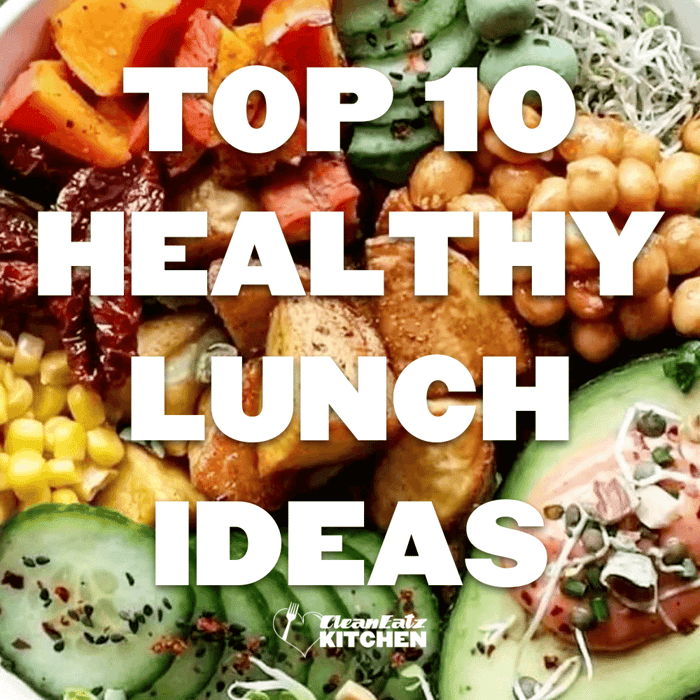
10 Healthy Lunch Ideas That Actually Work
Grain bowls and salads that incorporate whole grains, vegetables, and protein offer balanced, filling lunch ideas. Chicken breast gives you 30+ grams of protein, and when you pair it with roasted vegetables over quinoa or brown rice, you've got fiber, complex carbs, and enough volume to feel genuinely full. A simple olive oil and lemon dressing keeps it from tasting like punishment.
Noodle and pasta-based dishes can be both nourishing and satisfying when prepared with balance and fresh ingredients in mind. For a lighter, refreshing option, try cold soba noodles tossed with crunchy vegetables and a sesame-ginger dressing, or a whole-grain pasta salad packed with roasted veggies, lean protein, and a light vinaigrette. Hot noodle dishes, such as a quick chicken-and-vegetable stir-fry over brown rice noodles or a bowl of pasta primavera with seasonal vegetables, offer warmth and comfort while still supporting your nutrition goals. Choosing whole-grain or legume-based pastas boosts fiber and protein content, helping you stay full and energized throughout the afternoon. By loading up your noodles with colorful vegetables and keeping sauces light, you can enjoy these classic comfort foods as part of a healthy lunch routine. Both hot and cold noodle dishes are easy to prepare in advance, making them ideal for meal prep and busy weekdays.
Lettuce wraps with turkey work well when you want something lighter. Turkey breast, shredded vegetables, avocado, and a yogurt-based sauce in butter lettuce cups give you the crunch and satisfaction of a sandwich without the heavy carb load.
Salmon plates are worth the extra effort for the omega-3s. Baked or canned salmon over mixed greens with cherry tomatoes and quinoa makes a nutrient-dense lunch that supports both satiety and overall health.
Soups and stews that can be prepared in advance, often featuring vegetables, legumes, and grains for a healthy lunch option. A broth-based vegetable soup paired with a side salad fills you up on relatively few calories. Just make sure to add protein, beans, chicken, or lentils, or you'll be hungry again by 3 pm.
Green salads and hearty bean or lentil salads are standout choices for healthy lunches, especially when you need something nutrient-rich, filling, and convenient for meal prep. Leafy greens like spinach, kale, or arugula serve as a vibrant base, delivering fiber, vitamins, and antioxidants. Adding a mix of colorful vegetables, such as cherry tomatoes, cucumbers, and bell peppers, not only boosts nutrition but also keeps flavors fresh and exciting. For staying power, toss in protein-rich beans or lentils, which provide plant-based protein and slow-digesting carbohydrates to keep you full throughout the afternoon. These salads are highly customizable: add feta or seeds for extra flavor and crunch, or a light vinaigrette to tie it all together. Because they hold up well in the fridge and taste great cold, green and bean-based salads are ideal for packing ahead, ensuring you always have a nourishing, ready-to-go lunch option on busy days.
Greek yogurt bowls work savory or sweet. The savory version, yogurt with cucumber, tomatoes, olive oil, and whole-grain crackers, might sound unusual, but it delivers protein and satisfaction. The sweet version with berries and nuts is more familiar and equally effective.
High-protein main dishes, such as chickpea or lentil pasta, that are easy to prepare for lunch and help support satiety and energy throughout the day. Toss with arugula, roasted vegetables, and a light vinaigrette for a lunch that feels indulgent but hits your macros.
Bento-style boxes with compartmentalized portions, grilled protein, cut vegetables with hummus, whole fruit, and a small grain portion make portion control visual and automatic.
A variety of sandwiches and wraps that are considered healthy lunch options, often featuring vegetables, legumes, and lean proteins.
Quick and Easy Lunches for Busy Days
When time is short, but you still want a healthy, satisfying meal, quick and easy lunches are essential. These recipes rely on minimal ingredients, smart shortcuts, and little to no cooking, making them perfect for hectic weekdays. Here are practical ideas to help you stay nourished without sacrificing your schedule:
No-Cook Bean Salad: Combine canned beans, chopped cucumber, cherry tomatoes, and bell peppers. Toss with olive oil, lemon juice, salt, and pepper. Add a sprinkle of feta or seeds for protein and crunch. Ready in under 10 minutes with no stove required.
Rotisserie Chicken Snack Box: Shred rotisserie chicken and pair it with baby carrots, sliced bell peppers, whole grain crackers, and a small container of hummus. This protein-packed lunch is easy to assemble and perfect for taking on the go.
Microwave Veggie & Rice Bowl: Use steam-in-bag frozen vegetables and pre-cooked brown rice. Microwave both, then mix together and top with canned tuna or chickpeas. Drizzle with your favorite dressing for a fast, balanced meal.
Open-Faced Avocado Toast: Top whole grain bread with cottage cheese, sliced avocado, and cherry tomatoes. Sprinkle with salt, pepper, and a dash of chili flakes for extra flavor. This combination delivers protein, fiber, and healthy fats in just minutes.
Hard-Boiled Egg Bento Box: Slice hard-boiled eggs and arrange with grape tomatoes, cucumber rounds, whole grain pita wedges, and a handful of nuts. This lunchbox-style meal is filling, easy to prep ahead, and great for portion control.
Leftover Stir-Fry Remix: Take last night’s roasted vegetables or grilled protein and toss with pre-washed greens and a light vinaigrette. Add a slice of whole-grain bread or crackers to round out the meal. No additional cooking required.
Savory Greek Yogurt Bowl: Mix plain Greek yogurt with diced cucumber, cherry tomatoes, a drizzle of olive oil, and a pinch of salt. Serve with whole grain crackers or pita for a refreshing, high-protein lunch that comes together in five minutes.
Veggie & Hummus Wrap: Spread hummus on a whole grain tortilla, layer in sliced peppers, spinach, and shredded carrots, then roll up. Cut in half for a portable, plant-based lunch that’s ready in less than 10 minutes.
Quick and easy lunches don’t have to be boring or repetitive. By keeping versatile staples on hand and using smart shortcuts, you can create nourishing meals that fit seamlessly into even the busiest days.
The Real Challenge: Consistency
None of these ideas is complicated. You probably already knew most of them. The issue is execution. Eating healthy lunches consistently requires shopping for the right ingredients, prepping proteins and vegetables in advance, portioning everything correctly, tracking the nutrition if you're counting macros, storing it properly, and doing this every single week without fail. Most people start strong, maintain it for a few weeks, then slowly slide back into grabbing whatever's convenient.
Our complete meal prep guide covers how to systematize this process if you want to do it yourself. But there's a reason meal prep services exist: for many people, the time and mental energy required to maintain DIY meal prep simply isn't sustainable alongside work, family, and everything else competing for attention.
When DIY Stops Working
There's no shame in acknowledging that you'd rather spend your Sunday doing something other than batch-cooking chicken and portioning brown rice into containers. The goal is to eat well consistently. This is exactly why we built Build-a-Meal Plan. You choose meals from a rotating menu. We handle the shopping, cooking, portioning, and nutrition tracking. Every meal comes with calories and macros already calculated. You reheat and enjoy. For most people, having it done removes the friction that causes healthy eating to fall apart.
Frequently Asked Questions
Planning and organizing healthy lunches doesn’t have to be overwhelming. The right strategies can make meal prepping and choosing recipes easier, ensuring you stay consistent and enjoy a variety of nutritious meals each week. Here are answers to common questions about lunch planning to help you build a sustainable routine:
How can I start meal prepping lunches for the week?
Begin by selecting 2-3 recipes that share overlapping ingredients. Prep proteins and chop vegetables in advance, then portion meals into containers for grab-and-go convenience.
What’s the best way to keep lunches fresh all week?
Store dressings and sauces separately from salads or grain bowls. Use airtight containers and refrigerate promptly to maintain freshness and prevent sogginess.
How do I choose recipes that fit my nutrition goals?
Focus on meals with lean protein, fiber-rich vegetables, and whole-food carbs. Check nutrition labels or use a meal planning app to ensure each lunch meets your specific needs.
How can I avoid getting bored with my lunches?
Rotate proteins, grains, and sauces each week. Try new recipes or swap in seasonal produce to keep flavors and textures interesting.
What are some time-saving lunch prep tips?
Batch-cook proteins, use pre-washed greens, and rely on shortcuts like canned beans or pre-cooked grains. Assemble lunches in advance to save time during busy weekdays.
How do I make sure my lunches are balanced?
Aim to include a protein source, plenty of non-starchy vegetables, a small serving of whole grains or fruit, and a bit of healthy fat in each meal.
What if I don’t have time to cook every day?
Prepare several servings at once and store them in the fridge. Choose recipes that hold up well, like grain bowls or hearty salads, for easy reheating or eating cold.
How can I plan lunches for picky eaters or family members?
Offer mix-and-match components like proteins, grains, and vegetables separately. Let each person assemble their own lunch to suit their preferences.
How much protein should a healthy lunch have?
Aim for 25-40 grams. This amount supports muscle maintenance, keeps you full through the afternoon, and prevents the energy crash that sends you to the vending machine. Chicken breast, salmon, tuna, eggs, and Greek yogurt are all solid sources.2
Are carbs okay to eat at lunch?
Yes. Whole-food carbs like quinoa, brown rice, sweet potatoes, and fruit provide fiber and sustained energy. The key is pairing them with protein and choosing unprocessed sources over refined grains. Adjust portions based on how active you are.
What if I don't have time to meal prep?
This is where most healthy eating intentions fall apart. If you consistently lack the time to shop, prep, portion, and track, that's a signal to consider whether DIY is actually work for you. Our meal plans exist specifically for people in this situation.
How do I keep healthy lunches from getting boring?
Variety is genuinely hard to maintain when you're doing everything yourself. Most people settle into 3-4 rotating meals before monotony sets in. A changing menu prevents the boredom that leads to ordering takeout.
What are some no-cook lunch ideas for busy days?
No-cook options include bean salads, Greek yogurt bowls, and snack boxes with rotisserie chicken, veggies, and hummus. These meals require only assembly and can be ready in under 10 minutes.
How can I make a balanced lunch in less than 15 minutes?
Combine a protein (like canned tuna or hard-boiled eggs), whole grains (such as pre-cooked rice), and fresh or frozen vegetables. Add healthy fats like avocado or olive oil for extra satiety.
What are the best shortcuts for quick lunches?
Use pre-washed greens, canned beans, rotisserie chicken, and steamable frozen veggies. These staples reduce prep time and make assembling a healthy meal fast and effortless.
How do I keep quick lunches from getting repetitive?
Rotate proteins, vegetables, and dressings each week. Try new combinations, like hummus wraps one day and microwave veggie bowls the next, to keep flavors fresh and interesting.
Can I meal prep quick lunches in advance?
Absolutely. Prepare key ingredients like hard-boiled eggs, chopped veggies, and cooked grains ahead of time. Store them separately to mix and match for different lunches throughout the week.
Are there healthy lunches I can take on the go?
Yes. Bento-style boxes, wraps, and snack boxes travel well and don’t require reheating. Just assemble in the morning and pack in an insulated lunch bag.
What’s a fast way to add protein to my lunch?
Add canned tuna, rotisserie chicken, cottage cheese, or Greek yogurt. These require no cooking and instantly boost the protein content of your meal.
How can I make sure my quick lunch is filling?
Include a source of protein, fiber-rich veggies, and healthy fats. This combination helps keep you full and energized until your next meal.
Related Reads
Best Foods for Weight Loss: Complete Guide
The Complete Meal Prep Guide (2025)
10 Healthy Breakfast Ideas for Weight Loss
Is Soup Good for Weight Loss?
References
U.S. Department of Agriculture and U.S. Department of Health and Human Services. Dietary Guidelines for Americans, 2020-2025. 9th Edition. December 2020. DietaryGuidelines.gov
Jäger, R., Kerksick, C.M., Campbell, B.I. et al. International Society of Sports Nutrition Position Stand: protein and exercise. J Int Soc Sports Nutr 14, 20 (2017). https://doi.org/10.1186/s12970-017-0177-8