
Access Denied
IMPORTANT! If you’re a store owner, please make sure you have Customer accounts enabled in your Store Admin, as you have customer based locks set up with EasyLockdown app. Enable Customer Accounts
- cardio
- clean eatz
- covid
- desserts
- diet
- exercise
- fat burn
- healthy dinner ideas
- hydration
- keto
- lifestyle
- meal plans
- meal prep
- muscle
- recipes
- snacks
- sustainability
- vegetables
- water
- weight loss
- workouts
- Nutrition
- Exercises & Fitness
- Healthy Recipes
- Weight Loss
- Healthy Lifestyle
- Mental Health
- Sleep
- Recipes
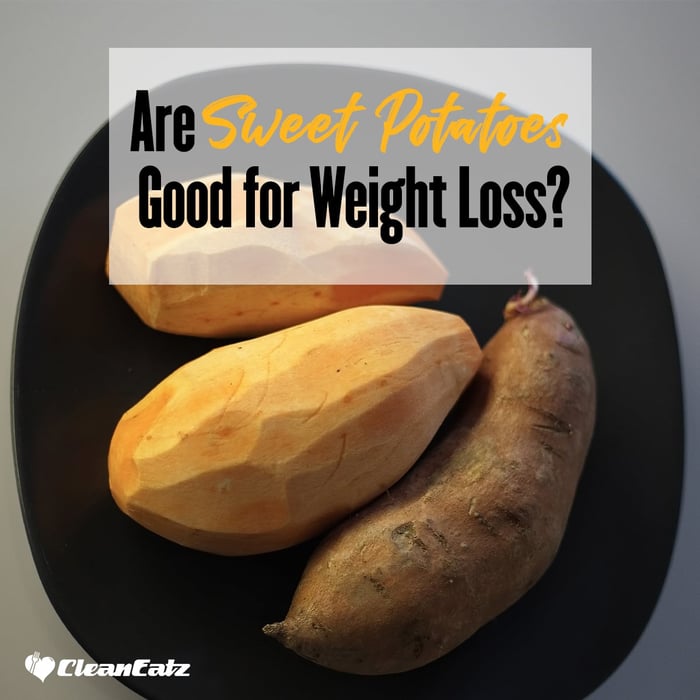
Are Sweet Potatoes Good for Weight Loss? Understanding the Benefits
Romaine Rusnak, RD, LDN
Weight Loss
03/09/2026 5:14pm
6 minute read
Listen to article
Audio generated by DropInBlog's Blog Voice AI™ may have slight pronunciation nuances. Learn more
Quick Answer: Yes, sweet potatoes are great for weight loss. A medium sweet potato has roughly 100 calories, 4 grams of fiber, and a lower glycemic index than most other starchy carbs. That combination keeps blood sugar stable, curbs hunger, and delivers real nutrition — all without loading up your calorie budget.
Sweet potatoes have earned their reputation as a health food staple, and when it comes to weight loss, the science backs the hype. They're filling, nutrient-dense, and versatile enough to show up at breakfast, lunch, or dinner. But what actually makes them effective for managing your weight — and how do you use them in a way that works? Let's get into it.
The Nutritional Profile That Makes Sweet Potatoes Worth It
One medium sweet potato clocks in at about 100 calories with zero fat. That alone makes it a smart choice — but the real story is what those 100 calories come with. You're getting over 400% of your daily recommended intake of vitamin A, a solid dose of vitamin C, potassium, and around 4 grams of fiber.1 That's a genuinely impressive nutritional return on a modest calorie investment.
The fiber breaks down into both soluble and insoluble types, which together support digestive health and reduce the risk of chronic diseases including heart disease and type 2 diabetes.2 If you want to understand just how important fiber is to long-term health and weight management, our Ultimate Guide to Dietary Fiber covers the full science.
Why Sweet Potatoes Support Weight Loss
The weight loss case for sweet potatoes comes down to three things working together: fiber, glycemic index, and satiety.
Fiber and appetite control. The 4 grams of fiber in a medium sweet potato slows gastric emptying, which means food stays in your stomach longer and fullness signals reach your brain more reliably.3 That's a meaningful difference when you're trying to eat less without feeling deprived. Research has shown that fiber-rich foods specifically help reduce overall calorie intake by controlling appetite between meals.4
Glycemic index and blood sugar stability. Sweet potatoes have a relatively low glycemic index compared to white potatoes or refined grains. This matters because foods that spike blood sugar quickly tend to trigger a corresponding crash — and that crash is often what sends people reaching for snacks. Sweet potatoes provide sustained energy instead, which makes it easier to stay on track with your eating throughout the day.
Satiety and calorie management. Studies have found that sweet potatoes increase feelings of fullness and reduce hunger more than comparably caloric foods.5 Combine that with their low calorie density and you have a food that satisfies without setting you back.
Sweet potatoes also contain vitamin B6 and potassium, both of which play a role in metabolism. Vitamin B6 supports the breakdown of proteins and carbohydrates for energy, while potassium helps regulate fluid balance and has been linked to increased fat burning in some research.6 For a deeper look at which foods deliver the best results for weight loss, see our Best Foods for Weight Loss guide.
Other Health Benefits Worth Knowing
Weight management aside, sweet potatoes offer benefits that support your overall health and make the weight loss process easier. They're high in antioxidants — particularly beta-carotene, which gives them their orange color — that help protect cells from damage and reduce chronic disease risk.7 They also contain anti-inflammatory compounds, which matters because chronic low-grade inflammation is closely tied to metabolic dysfunction and obesity.8
The potassium content supports heart health by helping manage blood pressure, and the combination of fiber and vitamins C and A makes sweet potatoes a genuinely useful food for immune function and gut health — both of which influence how effectively your body manages weight over time.
How to Use Sweet Potatoes in a Weight Loss Diet
The best part about sweet potatoes is how easily they fit into almost any meal. The simplest place to start is using them as a straight swap for white potatoes or refined starchy sides. Roasted, mashed, or baked — the preparation options are the same, but you're getting more fiber and a better glycemic response. Sweet potato fries baked with a light drizzle of olive oil and your seasoning of choice are a satisfying alternative to the standard french fry without the blood sugar crash that follows.
Beyond the obvious uses, sweet potatoes work as a base for protein bowls — roast a batch at the start of the week and top them with chicken, beans, or eggs alongside whatever vegetables you have on hand. They also blend well into soups and stews, adding natural sweetness and body to meals that are already great for weight loss. If you're doing any kind of meal prep, sweet potatoes are one of the most practical batch-cook staples you can add to the rotation — they store well and reheat easily. Our Complete Meal Prep Guide has plenty of ideas for building them into your weekly routine.
One practical note: keep your portions reasonable. A medium sweet potato is the right serving size — around 100 calories, which fits comfortably into any calorie-conscious plan. The problems arise when sweet potatoes get loaded with butter, brown sugar, or marshmallow toppings that transform a nutritious vegetable into a dessert. Prepared simply, they're one of the easier carbohydrate choices you can make.
If you want ready-made meals that already incorporate sweet potatoes alongside balanced proteins and vegetables, the Clean Eatz Kitchen Weight Loss Meal Plan takes the planning work off your plate entirely.
Frequently Asked Questions
Are sweet potatoes a good substitute for carbohydrates in a weight-loss diet?
Yes. Compared to white rice or pasta, sweet potatoes are lower in calories and have a lower glycemic index — they're less likely to cause the blood sugar spikes that contribute to fat storage and cravings. They also offer significantly more fiber and micronutrients than most refined carbs.
Should I eat sweet potatoes with or without the skin for weight loss?
With the skin on. The skin adds extra fiber and nutrients that support both weight loss and digestive health. Just wash them thoroughly before cooking.
Can I eat sweet potatoes every day for weight loss?
Daily consumption is generally fine as part of a balanced, varied diet. A medium sweet potato is around 100 calories, so it fits easily into most calorie targets. The key is keeping portions reasonable and not loading them with high-calorie toppings.
The Bottom Line
Sweet potatoes deserve their place in a weight loss diet. The fiber keeps you full, the low glycemic index keeps blood sugar stable, and the calorie-to-nutrient ratio is hard to beat. They're also genuinely enjoyable to eat — which matters more than most nutrition advice acknowledges. A healthy diet you'll actually stick to is far more valuable than a perfect one that feels like punishment. Sweet potatoes make it easier to do both.
Related Articles
Are Nuts Good for Weight Loss? Science-Backed Answer
11 minute read


Invalid password
Enter