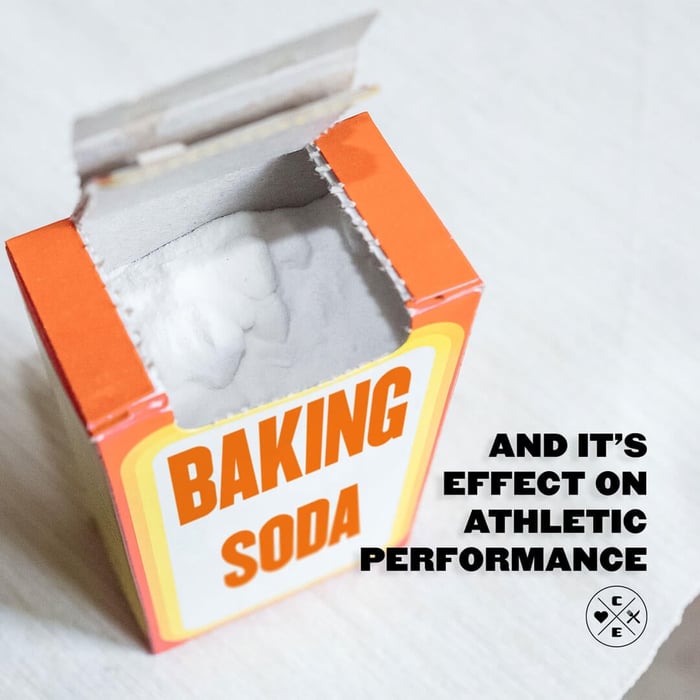

Quick Answer: Yes, baking soda (sodium bicarbonate) can boost athletic performance. Research shows it improves high-intensity exercise lasting 30 seconds to 12 minutes by buffering lactic acid buildup in muscles. The standard dose is 0.2-0.3 grams per kilogram of body weight, taken 60-90 minutes before exercise. Expect a 1-3% performance improvement in activities like rowing, swimming, and middle-distance running.
That box of baking soda in your pantry might be more than a baking ingredient. Athletes from Olympic sprinters to competitive rowers have been using sodium bicarbonate as a legal performance booster for decades, and the science actually backs it up.
Here's the thing: when you push hard during intense exercise, your muscles produce lactic acid. That burning sensation you feel during an all-out sprint or the final push of a rowing race? That's acid buildup interfering with your muscles' ability to contract. Baking soda acts as a buffer, helping neutralize that acid so you can push harder for longer.
Complete Exercise Guide.
Get our free guide — all the info you need on exercising, all in one place.
How Baking Soda Works for Athletes
During high-intensity exercise, your muscles work faster than oxygen can be delivered. This triggers anaerobic metabolism, which produces energy quickly but creates hydrogen ions as a byproduct. As these ions accumulate, your muscle pH drops, creating that familiar burning sensation and eventually forcing you to slow down.
Sodium bicarbonate is alkaline, meaning it can neutralize acids. When you take it before exercise, it increases the bicarbonate concentration in your blood. This creates a larger "buffer zone" that can absorb more hydrogen ions from your working muscles, effectively delaying the point at which acid buildup forces you to back off.
Think of it like adding more capacity to your body's natural acid-disposal system. You're not eliminating the problem—you're just giving yourself more runway before it catches up to you.
What the Research Actually Shows
The International Society of Sports Nutrition's position stand reviewed hundreds of studies and concluded that sodium bicarbonate supplementation improves performance in muscular endurance activities, combat sports (boxing, judo, wrestling), and high-intensity cycling, running, swimming, and rowing. The benefits are most consistent for efforts lasting between 30 seconds and 12 minutes.
For activities in that sweet spot, you can expect roughly a 1-3% improvement in performance. That might sound small, but in competitive athletics, it's significant. At the 2016 Rio Olympics, the men's single scull rowing final was decided by a photo finish—researchers estimate that a 0.3% improvement could have changed the outcome.
Where it doesn't work as well: ultra-short efforts (under 30 seconds) don't produce enough acid for the buffer to matter much, and very long endurance activities rely primarily on aerobic metabolism, which doesn't create the same acid buildup.
For a deeper dive into evidence-based performance strategies, our Complete Exercise Guide covers training approaches backed by research.
How to Use It (If You Decide to Try)
The standard protocol is 0.2-0.3 grams per kilogram of body weight, taken 60-90 minutes before your event or workout. For a 150-pound (68 kg) person, that's about 14-20 grams, or roughly 3-4 level teaspoons.
Here's the catch: baking soda can wreak havoc on your stomach. Bloating, nausea, and GI distress are common, especially at higher doses. This isn't something you want to discover during a competition.
To minimize side effects, start with a lower dose (0.2 g/kg) during training sessions to assess your tolerance. Take it with a small meal or snack, which can reduce stomach upset. Some athletes split the dose into smaller portions taken over 30-60 minutes. You can mix it with water (it doesn't taste great) or add it to a flavored sports drink.
⚠️ Safety Note: If you have high blood pressure or kidney issues, consult your doctor before trying sodium bicarbonate. The sodium content is significant. Always test your tolerance during training—never try a new supplement strategy on competition day.
Keep in mind that baking soda is one tool, not a magic solution. Proper training, adequate recovery, and solid nutrition still do the heavy lifting. If you're looking for more information on which supplements actually deliver results versus hype, our guide to supplements breaks down what's worth your money.
Frequently Asked Questions
Does baking soda actually improve athletic performance?
Yes. Multiple meta-analyses and the International Society of Sports Nutrition confirm that sodium bicarbonate improves performance in high-intensity activities lasting 30 seconds to 12 minutes. The effect is modest (1-3%) but consistent across swimming, rowing, running, cycling, and combat sports.
How much baking soda should I take before a workout?
The standard dose is 0.2-0.3 grams per kilogram of body weight, taken 60-90 minutes before exercise. For a 150-pound person, that's about 14-20 grams (3-4 teaspoons). Start with the lower end to test your stomach tolerance.
What are the side effects of taking baking soda for exercise?
Gastrointestinal issues are the main concern—bloating, nausea, gas, and diarrhea. Taking it with food, starting with lower doses, or splitting the dose can help. The high sodium content is also a consideration for people with blood pressure concerns.
What sports benefit most from baking soda?
High-intensity activities lasting 30 seconds to 12 minutes see the best results: swimming sprints, rowing, 400m-1500m running, cycling time trials, combat sports, and repeated sprint activities in team sports like soccer or basketball.
The Bottom Line
Baking soda is one of the few legal, inexpensive supplements with solid research supporting its performance benefits. If you compete in high-intensity sports lasting 1-10 minutes, it's worth experimenting with during training. Just don't skip the tolerance testing—GI distress mid-competition is nobody's idea of a performance boost.
Of course, no supplement replaces the fundamentals. Consistent training, proper recovery, and quality nutrition are what really move the needle. If you want to simplify the nutrition piece, our High Protein Meal Plan delivers ready-to-eat meals with 35+ grams of protein to support training and recovery—no meal prep required.