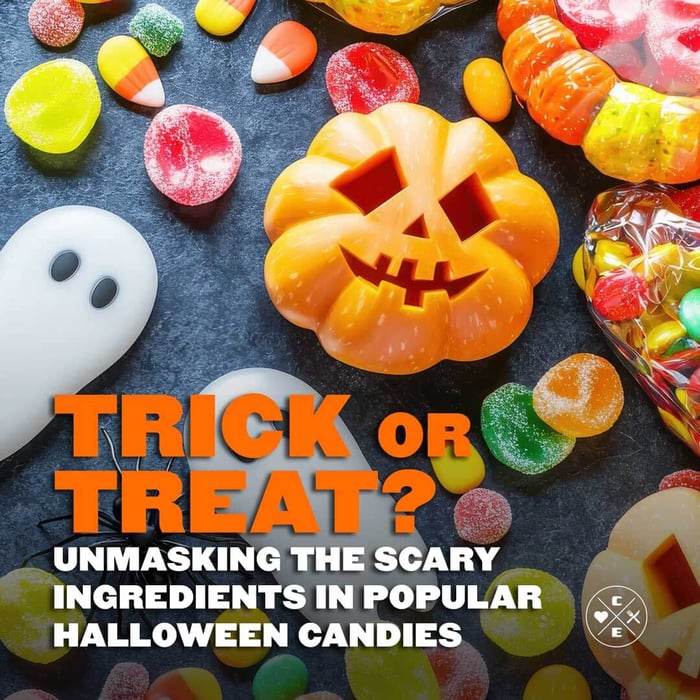

Quick Answer: Halloween candy often contains high-fructose corn syrup, artificial colors (Red 40, Yellow 5), trans fats, and preservatives like BHT—ingredients linked to health concerns ranging from hyperactivity to heart disease. You can still enjoy the holiday by reading labels, choosing treats made with natural ingredients, practicing moderation, and considering healthier candy brands that skip the questionable additives.
Table of Contents
What's Really in Your Halloween Candy?
The 6 Scariest Ingredients to Watch For
How to Make Healthier Candy Choices
Tips for a Healthier Halloween
Frequently Asked Questions
What's Really in Your Halloween Candy?
From Snickers and Skittles to candy corn and gummy bears, Halloween candy aisles are a feast for the eyes. But what's lurking beneath those shiny wrappers? Flip over your favorite treat, and you'll likely find a lengthy ingredient list that extends far beyond sugar—artificial colors, preservatives, and additives with names you can't pronounce.
The tradition of trick-or-treating stretches back centuries to the Celtic festival of Samhain, when villagers left offerings of food to appease spirits believed to roam the earth. Today's Halloween candy is a far cry from those ancient "soul cakes," packed with modern ingredients designed to extend shelf life, enhance color, and maximize that addictive sweetness.
This doesn't mean you need to skip Halloween entirely. Understanding what's in your candy empowers you to make informed choices—enjoying the treats you love while avoiding the ingredients that might spook your health more than any ghost or goblin.
The 6 Scariest Ingredients to Watch For
1. High-Fructose Corn Syrup (HFCS)
High-fructose corn syrup is a liquid sweetener made from processed cornstarch, and it's one of the most common ingredients in Halloween candy. Unlike the natural sugars found in fruit, HFCS is rapidly absorbed into the bloodstream, causing spikes in blood sugar and insulin levels. Research from the Cleveland Clinic has linked excessive HFCS consumption to obesity, type 2 diabetes, and liver damage.1
You'll find HFCS in chocolate bars, gummy candies, fruit snacks, and even treats marketed as containing "real fruit." Check the ingredient label—if corn syrup or high-fructose corn syrup appears in the first few ingredients, that candy is more corn than cocoa.
2. Artificial Colors and Dyes
Those vibrant reds, yellows, and blues that make Halloween candy so eye-catching often come from petroleum-derived chemicals. Research published in the International Journal of Environmental Research and Public Health has raised concerns about these synthetic dyes, particularly their effects on children.2
Red 40 (Allura Red) is one of the most widely used dyes, found in red and orange candies. Studies have linked it to hyperactivity in children and allergic reactions in some individuals. Yellow 5 (Tartrazine) appears in yellow and green candies and has also been associated with hyperactivity and allergic reactions, including hives and breathing difficulties. Blue 1 and Blue 2 create blue and purple shades and may trigger allergic reactions in sensitive individuals.
The brighter and more unnaturally colored a candy is, the more likely it contains multiple artificial dyes. If you're concerned about these additives, look for candies colored with fruit and vegetable juices instead.
3. Trans Fats and Partially Hydrogenated Oils
Trans fats are notorious for raising "bad" cholesterol (LDL) while lowering "good" cholesterol (HDL)—a combination that increases risk for heart disease, heart attacks, and strokes.3 Although the FDA has taken steps to limit trans fats in food, they can still appear in some candies, particularly those with creamy fillings, chocolate coatings, or fudge-like textures.
On ingredient labels, look for "partially hydrogenated oils"—that's the technical term for trans fats. Even small amounts can have detrimental effects on cardiovascular health, so this is one ingredient worth avoiding entirely.
4. Preservatives: BHT and BHA
BHT (butylated hydroxytoluene) and BHA (butylated hydroxyanisole) are synthetic antioxidants added to candy to keep fats from going rancid and extend shelf life.4 While convenient for manufacturers, some studies have linked these preservatives to potential liver and kidney damage, and BHA is classified as "reasonably anticipated to be a human carcinogen" by the National Toxicology Program.
You'll commonly find these preservatives in chocolate bars with fillings, gummy candies, and chewing gum. While the amounts in any single piece of candy are small, cumulative exposure from multiple sources adds up.
5. Gelatin and Hidden Animal Products
That signature chewiness in gummy bears, marshmallows, and jelly beans? It comes from gelatin—a protein derived from the bones, skin, and connective tissues of cows and pigs.5 While gelatin itself isn't harmful, it's important for vegetarians, vegans, and those who avoid certain animal products for religious or ethical reasons to know it's there.
Gelatin appears in gummy candies of all kinds, marshmallows, some jelly beans, yogurt-covered treats, and even some chocolate candies with soft fillings. If you're looking for gelatin-free options, check for candies made with pectin (a plant-based alternative) instead.
6. Palm Oil: The Environmental Concern
Palm oil appears in many popular candy bars, helping create smooth textures in peanut butter fillings, caramel, and chocolate coatings. While palm oil itself isn't directly harmful to human health, its production has devastating environmental consequences. Research shows that palm oil plantations are a major driver of deforestation in Southeast Asia, destroying rainforest habitats, pushing species toward extinction, and releasing carbon emissions that fuel climate change.6
If environmental impact matters to you, look for candies made with sustainable palm oil (certified by the RSPO) or those that use alternative fats like cocoa butter or coconut oil.
How to Make Healthier Candy Choices
Navigating the candy aisle doesn't have to be frightening. A growing number of brands are committed to making treats with cleaner ingredients—real sweeteners, natural colors, and no artificial preservatives.
For gummies and fruit snacks, look for brands like SOLELY Organic (made with only fruit and vitamin C), SmartSweets (no added sugar or artificial sweeteners), and YumEarth (organic, free from artificial dyes and major allergens). These options deliver sweetness without the synthetic additives.
For chocolate, UNREAL offers treats with Fair Trade chocolate and no artificial colors or preservatives. Alter Eco makes organic, low-sugar truffles, and dark chocolate with 70% cacao or higher is naturally lower in sugar than milk chocolate varieties.
For other treats, Cocomels makes dairy-free caramels with coconut milk and no corn syrup, while Pure Organic fruit bars are USDA Organic and Non-GMO Project Verified.
The key is reading labels. Shorter ingredient lists with recognizable foods (cocoa, sugar, milk, vanilla) are generally better than lengthy lists full of numbers and chemical names. For more guidance on reading food labels and making smart choices, see our guide on the best foods for weight loss.
Tips for a Healthier Halloween
You don't have to ban candy to have a healthier Halloween. A few simple strategies can help you enjoy the holiday without derailing your nutrition goals.
Read labels before you buy. Whether you're stocking up for trick-or-treaters or selecting treats for yourself, flip the package over. Watch for high-fructose corn syrup in the first few ingredients, artificial colors listed by number (Red 40, Yellow 5), and partially hydrogenated oils. For more on how sugar affects your body, check out our guide to sugar facts.
Practice portion control. The American Heart Association recommends limiting added sugar to 25 grams per day for women and 36 grams for men. A single fun-size Snickers contains about 14 grams, and a handful of gummy bears can exceed 20 grams. One or two small pieces can fit into a balanced diet—the problem is mindlessly eating from an overflowing bowl. For satisfying alternatives, explore our healthy snacks collection.
Get creative with non-candy treats. Kids (and adults) often love variety more than sheer volume. Stickers, temporary tattoos, glow sticks, small toys, and mini play-doh containers are popular alternatives that won't spike anyone's blood sugar.
Eat mindfully. When you do indulge, slow down and actually taste what you're eating. Savoring a single piece of really good chocolate is more satisfying than mindlessly plowing through a bag of candy corn while watching TV. Pay attention to your body's fullness signals, and stop when you've had enough.
Balance treats with nutrition. If you know Halloween candy is coming, focus on protein and fiber-rich meals earlier in the day. A solid foundation of nutritious food helps prevent the blood sugar rollercoaster that leads to candy binges. Our Ultimate Guide to Dietary Fiber explains how fiber keeps you full and stabilizes energy levels.
Frequently Asked Questions
What are the most harmful ingredients in Halloween candy?
The most concerning ingredients include high-fructose corn syrup (linked to obesity and metabolic issues), artificial colors like Red 40 and Yellow 5 (linked to hyperactivity in children), trans fats and partially hydrogenated oils (harmful to heart health), and preservatives like BHT and BHA. Reading ingredient labels can help you identify and avoid these additives.
Is high-fructose corn syrup really that bad?
High-fructose corn syrup is rapidly absorbed into the bloodstream, causing spikes in blood sugar and insulin levels. Research has linked excessive HFCS consumption to obesity, type 2 diabetes, and liver damage. While occasional consumption won't cause immediate harm, it's worth limiting—especially during candy-heavy seasons like Halloween.
Are sugar-free candies a healthier choice?
Sugar-free candies can be gentler on blood sugar and teeth, but they're not without drawbacks. Most contain sugar alcohols like sorbitol, xylitol, or maltitol, which can cause digestive issues including bloating, gas, and diarrhea when consumed in excess. They're a reasonable option in moderation, but not a free pass to overindulge.
What are some healthier Halloween candy alternatives?
Look for brands that use natural sweeteners, real fruit, and avoid artificial colors. Options include SOLELY Organic fruit gummies, SmartSweets (no added sugar), YumEarth organic lollipops, UNREAL chocolate (Fair Trade, no artificial ingredients), and Cocomels dairy-free caramels. Dark chocolate with 70%+ cacao is also a better choice than milk chocolate candy bars.
How much Halloween candy is too much?
The American Heart Association recommends limiting added sugar to 25 grams per day for women and 36 grams for men. A single fun-size Snickers contains about 14 grams of sugar, and a handful of gummy bears can exceed 20 grams. One or two small pieces can fit into a healthy diet, but the real danger is mindless consumption from an overflowing candy bowl.
The Bottom Line
Halloween candy isn't inherently evil—but knowing what's inside those colorful wrappers empowers you to make smarter choices. High-fructose corn syrup, artificial dyes, trans fats, and synthetic preservatives are worth avoiding when possible, and plenty of better alternatives exist for those willing to read labels or seek out cleaner brands.
This Halloween, enjoy your treats mindfully. Pick your favorites, savor them slowly, and balance indulgence with nutritious meals the rest of the day. For help keeping your overall diet on track—even through candy season—explore our customizable meal plans designed to fuel your body with real, wholesome food.
References
1. Cleveland Clinic. "Avoid the Hidden Dangers of High Fructose Corn Syrup." health.clevelandclinic.org.
2. Amchova P, et al. "Health safety issues of synthetic food colorants." International Journal of Environmental Research and Public Health, 2015.
3. Willett WC, Ascherio A. "Trans fatty acids: are the effects only marginal?" American Journal of Public Health, 1994.
4. Williams GM, et al. "The carcinogenicity of butylated hydroxyanisole and butylated hydroxytoluene." Food and Chemical Toxicology, 1999.
5. Gómez-Guillén MC, et al. "Functional and bioactive properties of collagen and gelatin from alternative sources." Food Hydrocolloids, 2011.
6. Vijay V, et al. "The Impacts of Oil Palm on Recent Deforestation and Biodiversity Loss." PLOS ONE, 2016.