
Quick Answer: Yes, you can lose weight just by eating healthy—but only if you're consuming fewer calories than your body burns. Research confirms that diet plays a larger role in weight loss than exercise, with studies showing that calorie intake accounts for roughly 90% of the weight loss equation.1 That said, "eating healthy" alone isn't enough—portion control and calorie awareness matter just as much as food quality.
Most of us know that we should eat healthy, but sometimes it's easier said than done. After all, who has the time to cook a nutritious meal when so many quick and easy options are available? And when it comes to losing weight, the whole process can feel overwhelming. So can you actually lose weight just by eating healthy?
The short answer is yes—but with an important caveat. Let's break down what the science says and how you can make it work for you.
The Truth About Diet vs. Exercise for Weight Loss
There's a common misconception that you need to spend hours at the gym to lose weight. While exercise offers tremendous health benefits, research tells a different story when it comes to the scale.
A landmark 2025 study published in the Proceedings of the National Academy of Sciences measured calorie expenditure across 34 populations worldwide and found something surprising: differences in physical activity levels explained only about 10% of obesity rates between populations. The researchers concluded that the remaining 90% is driven by what—and how much—people eat.1
This doesn't mean exercise is useless. Far from it. But as nutritionist Lindsey Tilton from MD Anderson Cancer Center puts it: "Generally, people cannot exercise their way into weight loss."2 The real power lies on your plate.
A meta-analysis comparing diet-only programs to combined diet-plus-exercise programs found no significant difference in weight loss at 3-6 months. It's only at the 12-month mark that combined approaches show a modest advantage—about 1.7 kg (roughly 4 pounds) more.3 The takeaway? Diet does the heavy lifting for weight loss, while exercise helps with long-term maintenance and overall health.
What "Eating Healthy" Really Means for Weight Loss
Here's where things get tricky. You can eat all the kale, quinoa, and grilled chicken you want, but if you're consuming more calories than your body needs, you won't lose weight.
Weight loss fundamentally comes down to one thing: a calorie deficit. This means consuming fewer calories than your body burns each day. Research confirms that the negative energy balance alone is responsible for weight reduction, regardless of how you achieve it.4
Some of the healthiest foods—think avocados, nuts, olive oil, and whole grains—are surprisingly calorie-dense. A handful of almonds packs around 170 calories. A medium avocado contains over 300 calories. These foods are nutritious and belong in a healthy diet, but eating them without awareness of portions can sabotage your weight loss efforts.
So what does a healthy weight loss diet actually look like? The experts recommend focusing on foods that keep you full on fewer calories:
Lean proteins like chicken, fish, eggs, and legumes help you feel satisfied longer and preserve muscle mass during weight loss. Research shows that increasing protein intake can reduce appetite and lead to automatic reductions in calorie consumption.5
Fiber-rich vegetables and fruits add volume to your meals without adding many calories. They also slow digestion and send fullness signals to your brain.
Whole grains provide sustained energy and more nutrients than refined carbohydrates.
Healthy fats in measured portions—a tablespoon of olive oil, a quarter of an avocado—add satiety without excess calories.
For a complete breakdown of foods that support weight loss, our 100 Best Foods for Weight Loss guide covers the science behind why certain foods help you feel fuller on fewer calories.
Weight Loss Meal Plan Delivery

$89.95
Weight Loss Meal Plan Delivery – Delicious, Calorie-Controlled Meals Take the guesswork out of eating healthy and achieving your weight loss goals with our Weight Loss Meal Plan Delivery. Our expertly crafted, portion-controlled meals are balanced with the right… read more
Why Portion Control Matters as Much as Food Choice
One of the biggest misconceptions about healthy eating is that if a food is nutritious, you can eat as much as you want. Unfortunately, that's not how our bodies work.
To lose weight, the average person needs to create a calorie deficit of about 500-750 calories per day. This typically translates to consuming around 1,400-1,900 calories daily for most adults, depending on size, age, and activity level.2
This is where pre-portioned meals become incredibly valuable. When every meal is already measured and calorie-controlled, you eliminate the guesswork that often leads to overeating. Our Weight Loss Meal Plan is designed around this exact principle—balanced, portion-controlled meals that make staying in a calorie deficit effortless.
If you prefer cooking at home, some practical strategies can help. Using smaller plates makes portions appear larger. Measuring ingredients like oil, butter, and dressings prevents hidden calories from sneaking in. And filling half your plate with vegetables ensures you're getting volume and nutrients without excess calories.
The Role of Exercise (It's Not What You Think)
If diet is the key to weight loss, why bother with exercise at all?
Exercise may not be the primary driver of weight loss, but it offers benefits that diet alone cannot provide. It improves cardiovascular health, strengthens bones and muscles, boosts mood, reduces disease risk, and—importantly for weight loss—helps preserve muscle mass while you're in a calorie deficit.6
Research shows that when people lose weight through diet alone, they tend to lose more muscle along with fat. Incorporating resistance training helps ensure that more of the weight you lose comes from fat rather than muscle.7 This matters because muscle tissue burns more calories at rest, making it easier to maintain your weight loss long-term.
For those interested in adding exercise to their weight loss journey, our Complete Exercise Guide for Weight Loss covers evidence-based strategies that complement a healthy diet.
Making Healthy Eating Sustainable
Here's the uncomfortable truth about weight loss: most people who lose a significant amount regain it. A meta-analysis of long-term weight loss studies found that individuals tend to regain more than half of lost weight within two years and close to 80% within five years.8
The key to beating these odds isn't finding the perfect diet—it's finding an approach you can actually stick with. Restrictive diets that leave you feeling deprived rarely work long-term because they're not sustainable.
Instead, focus on building habits you can maintain:
Choose foods you actually enjoy. If you hate kale, don't force yourself to eat it. There are countless nutritious foods that can help you lose weight.
Allow occasional indulgences. Research suggests that moderate flexibility in eating actually supports better long-term outcomes than rigid restriction.
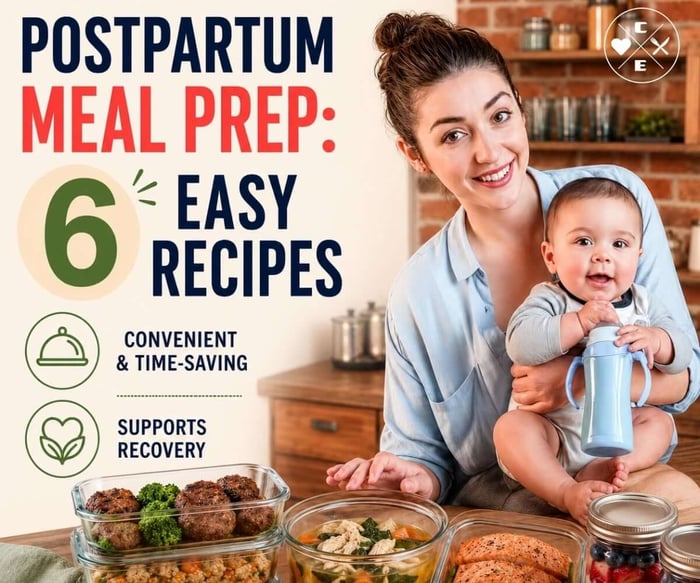
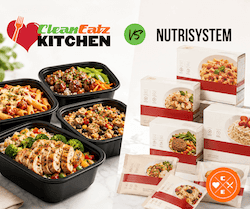
Make healthy eating convenient. One of the biggest barriers to eating well is time. Having healthy, ready-to-eat options available—whether through meal prep or a service like Clean Eatz Kitchen—removes the friction that leads to poor choices when you're hungry and busy.
The Bottom Line
Can you lose weight just by eating healthy? Yes—if "eating healthy" includes being mindful of portions and maintaining a calorie deficit. The science is clear that diet plays a larger role in weight loss than exercise, accounting for roughly 90% of the equation.
But weight loss isn't just about the number on the scale. It's about building sustainable habits that support your health for the long term. That means choosing nutritious foods you enjoy, controlling portions without obsessing, and—when possible—adding movement that supports your overall wellbeing.
The most effective weight loss approach is one you can actually maintain. Whether that means cooking healthy meals at home, using portion-controlled meal delivery, or some combination of both, the best diet is the one that works for your life.
FAQ
Can I lose weight without exercising?
Yes, weight loss is entirely possible through diet alone by creating a calorie deficit. Research shows diet has a greater impact on weight loss than exercise. However, exercise provides important health benefits including muscle preservation, cardiovascular health, and improved mood that support long-term weight maintenance.
Is diet more important than exercise for weight loss?
Yes. A 2025 study in PNAS found that differences in calorie expenditure explain only about 10% of obesity rates, with the remaining 90% attributable to dietary intake. While you can't out-exercise a poor diet, combining both approaches offers the best long-term results.
How long does it take to see weight loss results from eating healthy?
With a consistent calorie deficit of 500-750 calories per day, most people lose around 1 pound or more per week. Visible changes typically appear within 4 weeks or so. Patience is key—gradual weight loss is more sustainable than rapid approaches.
Can you gain weight eating healthy foods?
Yes. Nutritious foods like nuts, avocados, olive oil, and whole grains are calorie-dense. Eating them in excess—even if they're "healthy"—can lead to weight gain. Portion control matters regardless of food quality.
What is a calorie deficit and why does it matter?
A calorie deficit occurs when you consume fewer calories than your body burns, forcing it to use stored fat for energy. This is the fundamental mechanism of weight loss. Research confirms that the energy deficit—not the specific foods or exercise methods—drives fat loss.
References
1. McGrosky A, et al. Total energy expenditure and body composition in industrialized vs. subsistence populations. Proceedings of the National Academy of Sciences. 2025. Available at: science.org
2. MD Anderson Cancer Center. How to lose weight without exercise. Available at: mdanderson.org
3. Johns DJ, et al. Diet or exercise interventions vs combined behavioral weight management programs: A systematic review and meta-analysis of direct comparisons. Journal of the Academy of Nutrition and Dietetics. 2014;114(10):1557-1568.
4. Redman LM, et al. Effect of calorie restriction with or without exercise on body composition and fat distribution. Journal of Clinical Endocrinology & Metabolism. 2007;92(3):865-872.
5. Weigle DS, et al. A high-protein diet induces sustained reductions in appetite, ad libitum caloric intake, and body weight. American Journal of Clinical Nutrition. 2005;82(1):41-48.
6. Villareal DT, et al. Aerobic or resistance exercise, or both, in dieting obese older adults. New England Journal of Medicine. 2017;376(20):1943-1955.
7. Cava E, et al. Preserving healthy muscle during weight loss. Advances in Nutrition. 2017;8(3):511-519.
8. Anderson JW, et al. Long-term weight-loss maintenance: A meta-analysis of US studies. American Journal of Clinical Nutrition. 2001;74(5):579-584.