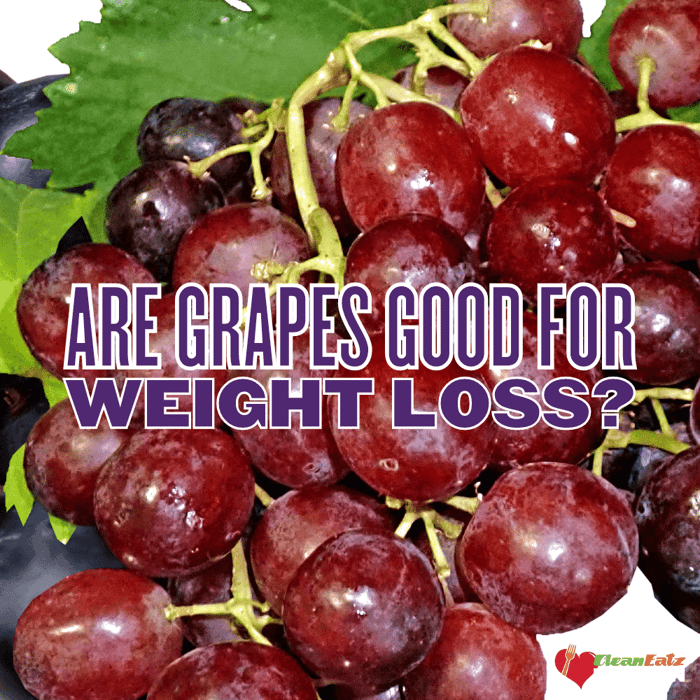

Quick Answer: Yes—grapes could be part of a weight-loss diet. Whole grapes have modest fiber, are hydrating, and contain antioxidants. For best results, eat the whole fruit (not juice) and pair with protein like Greek yogurt, cheese, or nuts to steady hunger and support satiety.
Grapes often get a bad reputation in weight-loss circles because they’re naturally sweet — but that doesn’t mean they’re “bad” for fat loss. In fact, grapes can absolutely fit into a weight-loss plan when portions are reasonable and they’re paired strategically.
They contain fiber, are packed with water, and provide antioxidants that support overall health (which matters when you’re trying to eat better long-term).
In this guide, we’ll break down the real nutrition facts on grapes, the benefits they offer, and the best pairings to keep your blood sugar steadier and your hunger in check.
Grape Nutrition at a Glance
Here's what you get in one cup of grapes:
- ~100 calories
- ~27g carbs, ~1.4g fiber, ~23g natural sugars
- Good source of copper, vitamin K, and potassium
- Zero cholesterol and negligible fat
For a complete breakdown of which foods support weight loss and why, check out our Best Foods for Weight Loss Complete Guide.
Why Grapes Work for Weight Loss
Grapes can be a surprisingly weight-loss–friendly fruit — even though they taste sweet.
One cup of grapes is mostly water, about 80%, so they can help you feel full and can satisfy cravings without derailing your calorie budget. The fiber content, while modest, adds to this effect by slowing digestion and sending fullness signals to your brain.
They’re also a great example of a naturally “portionable” snack. Unlike chips or cookies, grapes come with built-in stopping points — you can grab a handful, put the bag away, and feel like you’ve had something sweet. For people trying to lose weight, this matters because it supports consistency and reduces the feeling of restriction.
Grapes also pair well with protein and healthy fats, which helps slow digestion and keeps your hunger more stable afterward. When you eat grapes alone, you may feel hungry sooner — but when you combine them with options like Greek yogurt, cottage cheese, nuts, or cheese, they become a balanced snack that can actually support fat loss.
There's also the glycemic index to consider. Most table grapes fall in the low-to-moderate range, which means they don't cause the same blood sugar spikes as many processed sweet foods. When you pair grapes with protein or healthy fat, like a handful of almonds or a cheese stick, you smooth out that glycemic response even further. This matters because stable blood sugar translates to more consistent energy and fewer cravings throughout the day.
Whole Grapes vs. Juice and Dried Fruit
A common mistake is assuming grape juice or raisins provide the same advantages as whole grapes. In reality, they’re more concentrated in sugar and calories — and they don’t support fullness the same way.
Whole grapes require chewing, which slows down consumption and gives your brain time to register satisfaction. The fiber stays intact, helping you feel full.
Compare this to grape juice, which has little to no fiber and goes down so easily that you can consume hundreds of calories before your body signals "enough." If you enjoy juice, keep portions small and treat it as an occasional addition rather than a regular beverage.
Raisins are a little trickier. When grapes are dried, most of the water is removed — but the sugar and calories stay, which makes raisins much more concentrated. In other words, what used to be a full cup of grapes turns into a much smaller portion that’s easier to overeat.
Raisins aren’t “bad” — they’re actually nutritious — but portion size matters a lot more. It’s easy to eat several servings without realizing it if you’re grabbing handfuls from the box. For reference, ¼ cup of raisins has about the same calories as 1 cup of fresh grapes, but it won’t keep you full in the same way.
For more on how fiber affects fullness and weight management, our Ultimate Guide to Dietary Fiber explains the science in depth.
Smart Portions and Pairings
The ideal portion depends on your overall diet and goals. About one cup of grapes—roughly 20 to 30 individual grapes, depending on their size—makes a satisfying portion. This fits comfortably within the daily fruit recommendations for most adults while leaving room for other nutritious foods throughout your day.
The pairing strategy is what separates a snack that holds you over from one that leaves you hunting through the pantry an hour later. Eating grapes alone provides quick energy and some satisfaction, but adding protein transforms them into a genuinely filling snack.
Meal Ideas That Work
Grapes don't have to be a standalone snack. Here are a few ways to incorporate them:
- High-Protein Breakfast Bowl: Greek yogurt, halved grapes, chia seeds, and a few walnuts
- Chicken & Grape Salad: Mixed greens, grilled chicken, grapes, celery, almonds, and light olive oil vinaigrette
- Cottage Cheese Snack Plate: Cottage cheese with grapes and a dash of cinnamon
- Frozen Grape Bites: Freeze grapes and serve alongside a cheese stick for an afternoon treat that feels almost like dessert
Pitfalls to Avoid
The biggest mistake people make with grapes is treating them as "free" food because they're a fruit. While grapes are healthy, the calories do add up if you're grazing mindlessly from a large container while watching TV. Measure out your cup, put the rest away, and eat intentionally.
Relying on grape juice instead of whole fruit is another common misstep. Juice lacks the fiber and requires no chewing, which means you miss out on the satiety signals that make whole fruit so effective for weight management. If you love the taste, consider diluting juice with sparkling water as an occasional treat rather than making it a daily habit.
Finally, skipping the protein pairing leaves you with a quick-digesting carbohydrate that satisfies briefly but doesn't hold you. Even a small addition—a dozen almonds, a string cheese, a spoonful of nut butter—makes a meaningful difference in how long that snack keeps you satisfied.
Frequently Asked Questions
Are grapes "fat-burning"?
No single food burns fat on its own. Weight loss comes from consuming fewer calories than you burn over time. Grapes can absolutely fit into a calorie-controlled diet—they're satisfying, nutritious, and won't derail your progress when eaten in reasonable portions with protein.
Are grapes high in sugar?
They contain natural sugars. But unlike added sugars in processed foods, these come packaged with water and fiber that slow absorption. Portion awareness matters, but grapes aren't something you need to fear if you're eating them whole and pairing them thoughtfully.
What is the glycemic index of grapes?
Most whole grapes have a low to moderate glycemic index, meaning less impact on blood sugar than many other sweet options. Pairing with protein or healthy fat reduces that impact even further.
When's the best time to eat grapes?
Anytime works—there's no magic window. Many people enjoy them at breakfast as part of a yogurt bowl or as a mid-afternoon snack paired with protein when energy tends to dip.
Make Weight Loss Easier
Grapes are a smart addition to your routine, but sustainable weight loss is really about having the right foods available when you need them. When healthy, portion-controlled meals are ready to go, you're far less likely to grab something that doesn't serve your goals.
Clean Eatz Kitchen's Weight Loss Meal Plan takes the guesswork out of calorie-controlled eating, and the High-Protein Meal Plan ensures you're getting enough protein to stay satisfied between meals. For protein-rich snacks that pair perfectly with fruit, browse the Healthy Protein-Rich Snacks collection.
Related Reading
Are Oranges Good for Weight Loss?
What Foods Are Good for Weight Loss?
10 Healthy Breakfast Ideas for Weight Loss
References
1. USDA FoodData Central. Grapes, raw. MyFoodData
2. Cleveland Clinic. What Is the Glycemic Index? Cleveland Clinic Health Essentials
Disclaimer: This article is for informational purposes only and is not intended as medical advice. Always consult a qualified healthcare provider before making changes to your diet, supplements, or exercise routine.