Quick Answer: Yes, green tea can help with weight loss—but expect modest results. Scientific research shows green tea's catechins (especially EGCG) and caffeine work together to boost fat burning and metabolism, leading to an average weight loss of 1-2.5 pounds over 12 weeks when combined with diet and exercise. Green tea is a helpful addition to your weight loss plan, not a replacement for proper nutrition and physical activity.
In your search for natural, safe ways to support your weight loss journey, you've probably heard about green tea. It's one of the most popular beverages in the world, celebrated for centuries for its health benefits. But does green tea actually help with weight loss, or is it just another wellness trend?
The short answer: Yes, green tea can help—but the effects are modest, and it's not a magic bullet. Let's explore what the latest scientific research from 2024-2025 reveals about green tea and weight loss.
In this article, you'll discover:
What you'll learn: The latest research on green tea and weight loss, how green tea works to support fat burning and metabolism, realistic expectations for how much weight you can actually lose, the difference between drinking green tea and taking supplements, proper dosages and safety considerations, and how to incorporate green tea into your weight loss plan.
What Is Green Tea?
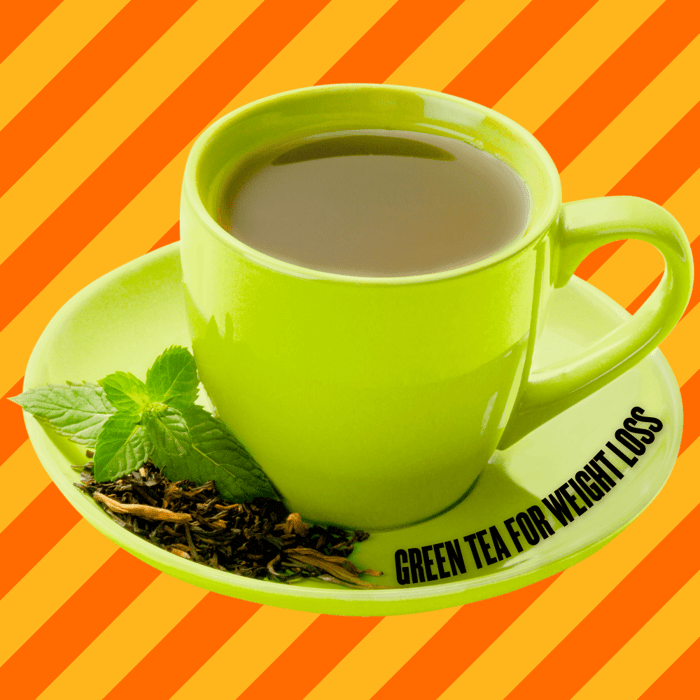
Green tea comes from the leaves and buds of Camellia sinensis, the same plant that produces black and oolong teas. What makes green tea unique is how it's processed: the leaves are immediately steamed after harvesting to prevent fermentation, resulting in a minimally processed, unoxidized product.1
This minimal processing is crucial because it preserves the tea's natural compounds, particularly catechins (powerful antioxidants called polyphenols, with epigallocatechin gallate or EGCG being the most abundant and potent), caffeine (a natural stimulant that works synergistically with catechins), L-theanine (an amino acid that promotes calm focus), and various vitamins and minerals including vitamins A, C, E, B-vitamins, potassium, calcium, and magnesium.
Green tea is essentially calorie-free when consumed plain, contains no sugar or carbohydrates, and provides a wealth of bioactive compounds that may support health in multiple ways. It's also featured in our complete guide to the 100 best foods for weight loss as one of the beverages that can support your goals.
Does Green Tea Help With Weight Loss? What the Latest Research Says
The scientific evidence on green tea and weight loss has been accumulating for years, and recent studies from 2024-2025 provide even more insights into how it works and what you can realistically expect.
Groundbreaking October 2025 Study
A landmark study published in October 2025 showed that green tea extract helped obese mice lose up to 30% of their body weight while improving metabolic function—even when kept at thermoneutral temperatures (conditions that don't artificially boost calorie burn).2
The researcher, who has dedicated over 15 years to green tea research, explains: "Green tea is a complex matrix with dozens of bioactive compounds. We've tried to separate these compounds and study their effects individually, but the whole extract is always more effective. There's a synergy between the compounds that we can't reproduce when they're isolated."2
This study also revealed that green tea works by improving muscle metabolism and insulin sensitivity—two critical factors in weight management.3
What Meta-Analyses Show
Large-scale reviews analyzing multiple studies provide the clearest picture of green tea's real-world effects.4,5 A comprehensive Cochrane review found small but statistically significant reductions in weight, BMI, and waist circumference. The catechins in green tea—not the caffeine—appear to be responsible for these modest weight loss effects. Average weight loss across studies ranges from 1-2.5 pounds over 12 weeks, with effects more pronounced when combined with exercise. Results vary considerably between individuals.
High-Dose Extract Studies
Studies using concentrated green tea extracts show more significant results. A 2015 randomized, double-blind, placebo-controlled trial found that 12 weeks of high-dose EGCG treatment resulted in significant weight loss (average 1.1 kg or 2.4 lbs), reduced BMI and waist circumference, decreased total cholesterol and LDL levels, lower ghrelin levels (the hunger hormone), and elevated adiponectin levels (a beneficial metabolic hormone).6
Important note: These studies used concentrated extracts providing 500-1000mg of EGCG daily—much higher than what you'd get from drinking green tea.6 If you're interested in supplements for weight loss support, our comprehensive guide to weight loss supplements covers what the research says about various options, including green tea extract.
How Does Green Tea Support Weight Loss?
Green tea doesn't work through a single mechanism—it affects multiple pathways involved in weight management:
1. Enhanced Fat Oxidation (Fat Burning)
The catechins in green tea, particularly EGCG, work with caffeine to boost your body's ability to break down and burn fat for energy.7
Here's how it works: Fat is stored in cells as triglycerides. To burn fat, your body must break these down into fatty acids and glycerol. Hormones like epinephrine and norepinephrine facilitate this process. EGCG and caffeine inhibit an enzyme that breaks down norepinephrine, keeping norepinephrine levels elevated and promoting fat breakdown and burning.
Research shows green tea may particularly help with burning visceral fat (the dangerous fat around your organs) and abdominal fat.8
2. Increased Metabolic Rate
Some studies suggest green tea can boost your resting metabolic rate (RMR)—the number of calories you burn at rest. A 2021 review found that green tea extract may increase energy expenditure by 3-4%, which translates to burning an extra 60-80 calories per day.9
However, it's important to note that not all studies found this effect, and more research is needed to fully understand how green tea impacts metabolism.9
3. Improved Insulin Sensitivity and Glucose Metabolism
Recent 2025 research revealed that green tea extract significantly improves insulin sensitivity and glucose tolerance—even in obesity models.3 This matters because better insulin sensitivity means your body processes sugars more efficiently, improved glucose control reduces fat storage, enhanced muscle metabolism helps burn more calories, and the effect appears to work through the hormone adiponectin, which regulates metabolism.
4. Appetite Regulation (Mixed Evidence)
The evidence on green tea's effects on appetite is inconsistent. A 2023 review found that green tea extract had no significant effects on the appetite-regulating hormones leptin and ghrelin in most studies.10 However, some individual studies have found that green tea may help reduce hunger and increase feelings of fullness, particularly when consumed before meals.6
5. Exercise Enhancement
Several studies suggest that green tea may enhance exercise-induced fat loss. A 2024 meta-analysis found that combining green tea supplementation with exercise training may help with weight management, though results were mixed across studies.11
One study found that green tea catechin consumption enhanced exercise-induced abdominal fat loss in overweight and obese adults, with greater reductions in total abdominal fat, subcutaneous abdominal fat, and especially visceral fat compared to exercise alone.8 For more on optimizing your workouts for weight loss, see our complete exercise guide for weight loss.
Drinking Green Tea vs. Taking Green Tea Supplements
This is a critical distinction that's often overlooked:
Brewed Green Tea
One cup of brewed green tea typically provides 50-100mg of catechins (including 20-50mg of EGCG) and 25-50mg of caffeine.1 To match research dosages, you'd need to drink 3-10 cups daily to get the 600-900mg of catechins used in many studies.
Brewed green tea is safe and well-tolerated, provides hydration, contains beneficial compounds beyond catechins, costs little, and fits naturally into a healthy lifestyle. On the downside, it delivers lower catechin doses than research studies used, requires drinking multiple cups for meaningful effects, contains caffeine that may not suit everyone, and can reduce iron absorption if consumed with meals.
Green Tea Extract Supplements
Supplements typically provide 300-500mg EGCG per serving—equivalent to multiple cups of tea.6
The advantage of supplements is higher catechin doses matching research studies, convenience without needing to drink multiple cups, standardized catechin content, and decaffeinated options available. However, supplements carry higher risk of side effects (particularly liver issues with very high doses), quality and potency vary widely between brands, they're more expensive than brewed tea, they lack the full spectrum of compounds in brewed tea, and should be used under medical supervision.12
Bottom line: Most positive research results come from high-dose extracts, not brewed tea. However, extracts carry more risk. If you're considering supplements, consult your healthcare provider first, especially if you have liver issues or take medications.
Setting Realistic Expectations
Let's be clear about what green tea can and cannot do for weight loss.
Green tea can support modest weight loss of 1-2.5 pounds over 12 weeks when combined with a healthy diet and exercise. It can help reduce belly fat and waist circumference slightly, improve metabolic markers like insulin sensitivity and cholesterol, enhance exercise-induced fat loss, boost your overall antioxidant intake, and replace high-calorie beverages in your diet.
What green tea cannot do is cause dramatic weight loss on its own, replace the need for a calorie deficit, compensate for poor diet or lack of exercise, spot-reduce fat from specific body areas, or work the same for everyone (individual results vary).
The research is clear: Green tea is a helpful addition to a comprehensive weight loss plan—not a standalone solution. Your diet, exercise habits, sleep quality, stress levels, and genetics all play much larger roles in weight loss than any single supplement or beverage.4
How to Use Green Tea for Weight Loss
Based on current research, here's how to incorporate green tea into your weight loss plan effectively:
Recommended Dosage
For brewed green tea: Drink 3-4 cups per day for potential weight loss benefits. This provides approximately 600-900 mg of catechins. Spread consumption throughout the day and consider drinking before exercise for enhanced fat burning.
For green tea extract supplements: Follow product instructions carefully. Look for products standardized to 50% EGCG. Typical research dose is 500-1000mg EGCG daily. Take with food to minimize digestive upset and consult your doctor before starting, especially if you have health conditions.
Best Practices for Brewing
To maximize the catechin content in your brewed green tea, use fresh, high-quality green tea leaves or bags. Heat water to 160-180°F (70-80°C)—not boiling—and let it rest for about 10 minutes after boiling. Steep tea for 2-3 minutes (longer steeping increases catechins but also bitterness). Drink plain or with minimal additions to avoid extra calories.
Timing Considerations
Drinking green tea in the morning provides a gentle energy boost and may help with metabolism throughout the day. Before exercise, it may enhance fat burning during workouts. Between meals is ideal since you should avoid drinking with meals as it can reduce iron absorption. Avoid late afternoon or evening consumption as the caffeine content may disrupt sleep.
Enhancing Effectiveness
To maximize green tea's weight loss potential, pair it with exercise—research shows green tea works best when combined with regular physical activity, especially strength training and cardio.11 Maintain a calorie deficit, as green tea can't overcome excess calorie intake. Follow a balanced diet and combine green tea with nutritious, portion-controlled meals for best results. Stay consistent, since benefits accumulate with long-term, regular consumption. Get adequate sleep, as poor sleep undermines weight loss efforts. And manage stress, since chronic stress promotes weight gain regardless of green tea consumption.
Safety and Precautions
Green tea is generally safe for most people when consumed in moderate amounts, but there are some important precautions:
General Safety Guidelines
Consuming 3-8 cups of green tea daily is considered safe for most adults.1 One cup of green tea contains 25-50mg of caffeine (coffee has 80-100mg). Start with 1-2 cups if you're new to green tea or sensitive to caffeine. Avoid drinking on an empty stomach if you experience digestive discomfort.
Who Should Be Cautious
Pregnant and breastfeeding women should limit consumption to 1-2 cups daily due to caffeine content. People with anxiety disorders should note that caffeine may worsen symptoms. Those with iron deficiency should be aware that green tea reduces iron absorption—drink between meals, not with them. People taking medications should know that green tea can interact with blood thinners, beta-blockers, and other medications. Those with liver problems should note that high-dose extracts have been associated with liver issues in rare cases.12
Potential Side Effects
Most side effects are mild and related to caffeine content, including jitteriness or nervousness, sleep disturbances if consumed late in the day, increased heart rate, digestive upset (nausea, stomach pain), and headaches in caffeine-sensitive individuals.
Serious concerns with high-dose extracts: Very high doses of green tea extract (typically above 800-1000mg EGCG daily) have been associated with liver toxicity in rare cases. This risk is minimal with brewed tea but higher with concentrated supplements.12
When to Consult Your Doctor
Talk to your healthcare provider before using green tea for weight loss if you have any chronic health conditions, take prescription medications, are pregnant or breastfeeding, plan to take high-dose green tea extracts, have a history of liver problems, or experience any adverse effects.
Other Health Benefits of Green Tea
While we're focusing on weight loss, it's worth noting that green tea offers numerous other health benefits supported by research:13
Green tea may support cardiovascular health by reducing risk of heart disease and stroke. The combination of L-theanine and caffeine together improves focus and mental clarity for brain function. The antioxidants may help protect against certain types of cancer. Green tea improves insulin sensitivity and blood sugar control, which may help with type 2 diabetes prevention. Catechins have antibacterial properties that support dental health. It may help maintain bone density for bone health. And regular green tea consumption is associated with increased lifespan in some populations.
Final Thoughts
So, does green tea help with weight loss? Yes—but with realistic expectations.
Green tea is not a miracle weight loss solution that will melt away pounds effortlessly. However, the scientific evidence shows it can provide modest support for weight loss efforts, particularly when combined with a healthy diet and regular exercise.
The key takeaways: Expect modest effects of 1-2.5 pounds of additional weight loss over 12 weeks. Green tea works through multiple mechanisms including enhanced fat burning, improved metabolism, and better insulin sensitivity. Consistency matters—drink 3-4 cups daily for best results. Green tea enhances but doesn't replace proper diet and exercise. Extracts provide higher doses but carry more risk. And beyond weight loss, green tea supports overall health in numerous ways.
If you're looking to lose weight, green tea is an excellent addition to your routine—but it works best as part of a comprehensive approach. Combine it with balanced nutrition, regular physical activity, adequate sleep, and stress management for optimal results.
Need help with the nutrition piece? Our chef-prepared, portion-controlled meals make it easy to maintain a healthy calorie deficit while getting the nutrients your body needs. Each meal is designed with balanced macros and real ingredients—the perfect complement to your green tea routine.
So put the kettle on, brew yourself a nice cup of green tea, and toast to your health. Your body—and your weight loss goals—will thank you for it.
Frequently Asked Questions
Does green tea help with weight loss?
Yes, but the effects are modest. Research shows green tea can help with weight loss, primarily through its catechin content (especially EGCG) and caffeine. Studies show an average weight loss of 1-2.5 pounds over 12 weeks when combined with a healthy diet and exercise. Green tea is not a magic solution but can be a helpful addition to a comprehensive weight loss plan.4,5
How much green tea should I drink for weight loss?
Research suggests 3-4 cups of green tea per day (providing 600-900 mg of catechins) may support weight loss efforts. However, most studies showing significant results used high-dose green tea extracts rather than brewed tea. If you're new to green tea or sensitive to caffeine, start with 1-2 cups and gradually increase.4
Does green tea reduce belly fat?
Some research shows green tea can modestly reduce abdominal fat, especially with long-term consumption and when combined with exercise. Studies show catechins, particularly EGCG, have helped reduce visceral fat areas and waist circumference. However, spot reduction is not possible—green tea works best as part of an overall weight loss approach.6,8
Is green tea extract better than drinking green tea for weight loss?
Most research showing significant weight loss results used concentrated green tea extracts (500-1000mg EGCG daily) rather than brewed tea. While drinking 3-4 cups of green tea daily provides benefits, extracts deliver higher doses of catechins. However, extracts carry more risk of side effects and should be used under medical supervision. Quality and dosage vary widely between products.6,12
What is EGCG and why does it matter for weight loss?
EGCG (epigallocatechin gallate) is the most abundant and powerful catechin in green tea, accounting for up to 80% of its catechin content. Research shows EGCG may boost metabolism, enhance fat burning, improve insulin sensitivity, and help regulate appetite hormones. It works synergistically with caffeine to increase fat oxidation and energy expenditure.7
Are there any side effects from drinking green tea for weight loss?
Green tea is generally safe when consumed in moderate amounts (3-4 cups daily). However, it contains caffeine, which can cause jitteriness, sleep issues, or increased heart rate in sensitive individuals. Drinking green tea on an empty stomach may cause digestive discomfort. Green tea can also reduce iron absorption, so avoid drinking it with meals. High-dose extracts carry greater risk of liver issues and should be used cautiously.1,12
How do I drink green tea for weight loss?
There's no complicated method. Heat water to 160-180°F, let it rest for 10 minutes, then steep tea leaves for 2-3 minutes. Drink it plain for maximum benefit, or add minimal honey or lemon if desired. Avoid drinking with meals to prevent reduced iron absorption. For best results, drink 3-4 cups spread throughout the day, and avoid consumption late in the day to prevent sleep disruption.1
Can I take green tea supplements instead of drinking green tea?
Green tea supplements provide concentrated amounts of catechins and may be more convenient than drinking multiple cups of tea. However, supplements carry higher risk of side effects, particularly liver issues with very high doses. Quality varies significantly between brands. It's important to consult with a healthcare professional before taking supplements, as they can interact with medications. Generally, prioritize a balanced diet and lifestyle over relying solely on supplements.12
References
1. Khan N, Mukhtar H. Tea Polyphenols in Promotion of Human Health. Nutrients. 2019;11(1):39.
2. Fundação de Amparo à Pesquisa do Estado de São Paulo. Scientists reveal green tea's fat-burning secret. ScienceDaily. October 8, 2025. View article
3. New Atlas. Green Tea Improves Muscle Metabolism and Insulin Sensitivity in Obesity. October 2025. View article
4. Jurgens TM, et al. Green tea for weight loss and weight maintenance in overweight or obese adults. Cochrane Database of Systematic Reviews. 2012. View study
5. Asbaghi O, et al. The effects of green tea extract supplementation on body composition, obesity-related hormones and oxidative stress markers. British Journal of Nutrition. 2023. View study
6. Hsu CH, et al. Therapeutic effect of high-dose green tea extract on weight reduction: A randomized, double-blind, placebo-controlled clinical trial. Clinical Nutrition. 2015. View study
7. Healthline. Green Tea for Weight Loss: How it Works. Updated January 7, 2025. View article
8. Maki KC, et al. Green tea catechin consumption enhances exercise-induced abdominal fat loss in overweight and obese adults. The Journal of Nutrition. 2009. View study
9. Rothenberg DO, Zhou C, Zhang L. A Review on the Weight-Loss Effects of Oxidized Tea Polyphenols. Molecules. 2018;23(5):1176.
10. Asbaghi O, et al. Effects of green tea extract on appetite-regulating hormones. British Journal of Nutrition. 2023.
11. Meta-analysis on green tea supplementation and exercise training. 2024.
12. National Institutes of Health. Green Tea Fact Sheet for Health Professionals. View resource
13. Chacko SM, et al. Beneficial effects of green tea: A literature review. Chinese Medicine. 2010;5:13.